
The sixteen steps
A symbol of migration.
Suyash Dwivedi — CC BY-SA 4.0 · Z thomas — CC BY-SA 4.0 · Suyash Dwivedi — CC BY-SA 4.0 · Z thomas — CC BY-SA 4.0
The site of the old immigration depot on Port Louis harbour, through which about half a million indentured labourers, most of them from India, arrived between 1849 and 1923 to work the sugar plantations after slavery was abolished. UNESCO listed it as a World Heritage Site in 2006. Mauritius was the first British colony to try the indenture system on a large scale, so this site became the starting point of a migration that reshaped the island's history and population: most Mauritians today descend from those workers. Parts of the depot's stone buildings survive, the best known being the sixteen steps the arrivals climbed from the ships, now a symbol of the memory of migration. Beside it, a modern interpretation centre uses photographs, documents and models to tell the workers' journey and the conditions of their life and work. Entry is free, and it opens Monday to Friday from 9 am to 4 pm and Saturday until noon, closing on Sundays and public holidays. A visit takes about an hour and pairs with the nearby Central Market and Caudan Waterfront.
A symbol of migration.
Photos and documents.
What remains of the depot.
Harbour front, Port Louis
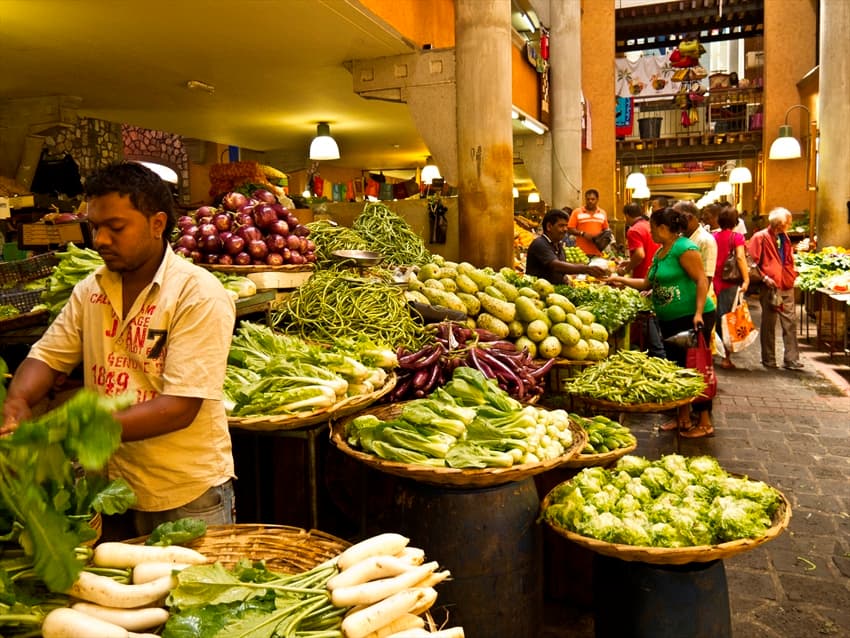 Port Louis Central MarketThe capital's main market since the mid-nineteenth century, under Victorian-styl3 minutes walk4.2
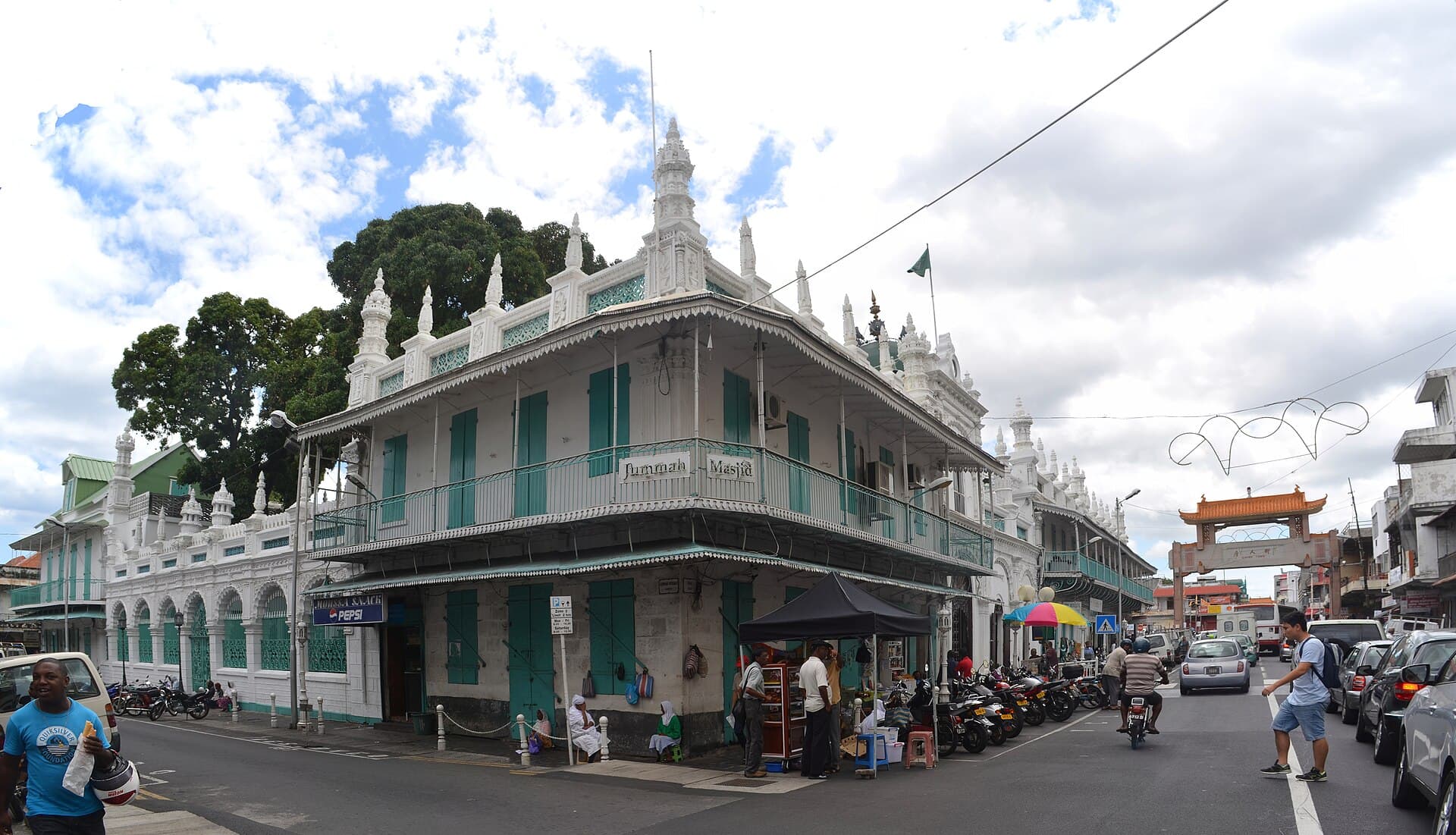 Jummah Mosque, Port LouisThe most famous and most beautiful mosque in Mauritius, standing in the heart of3 minutes walk4.8
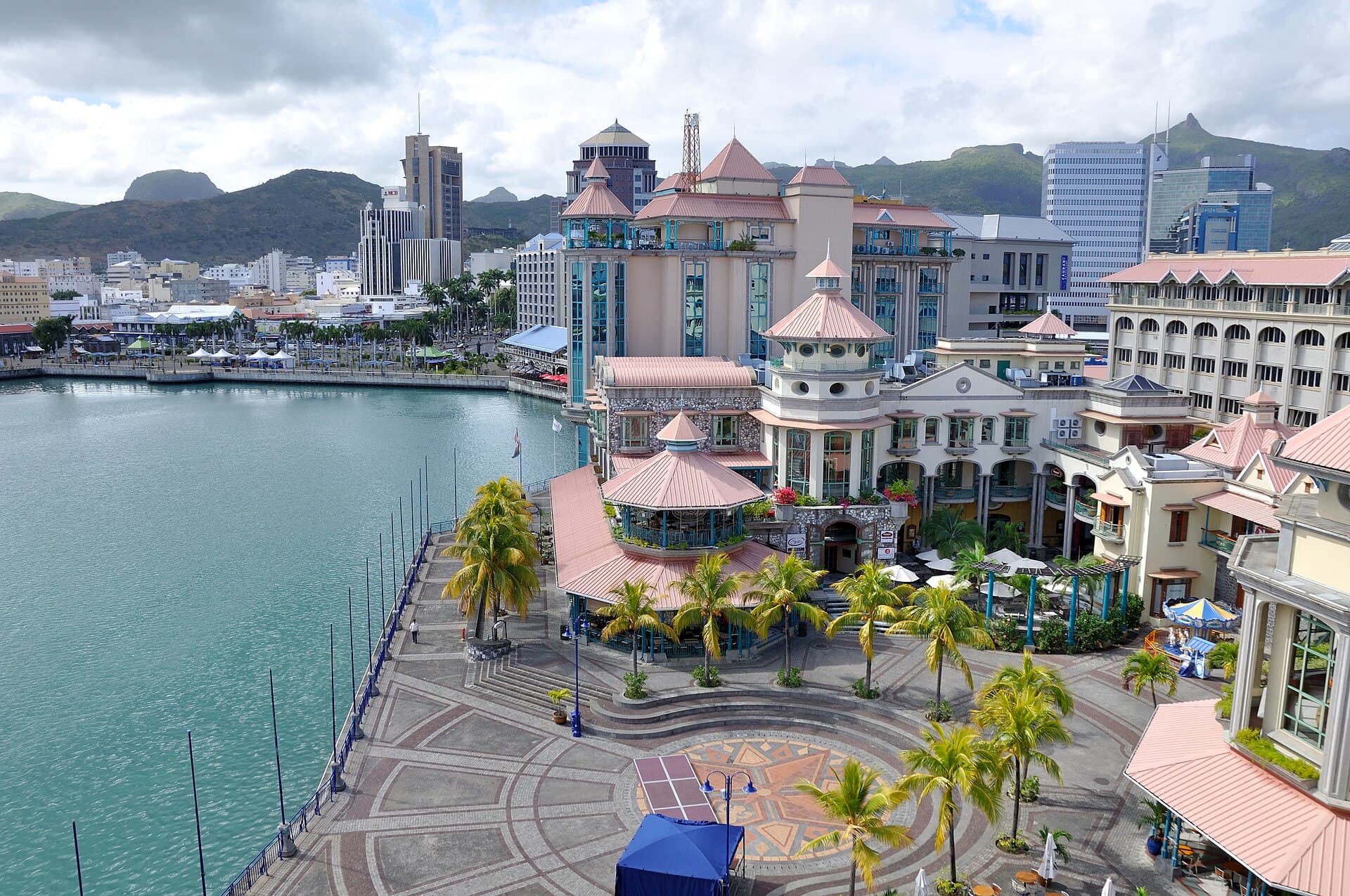 Caudan WaterfrontA shopping and leisure complex on the Port Louis quayside, opened in the 1990s o7 minutes walk4.4
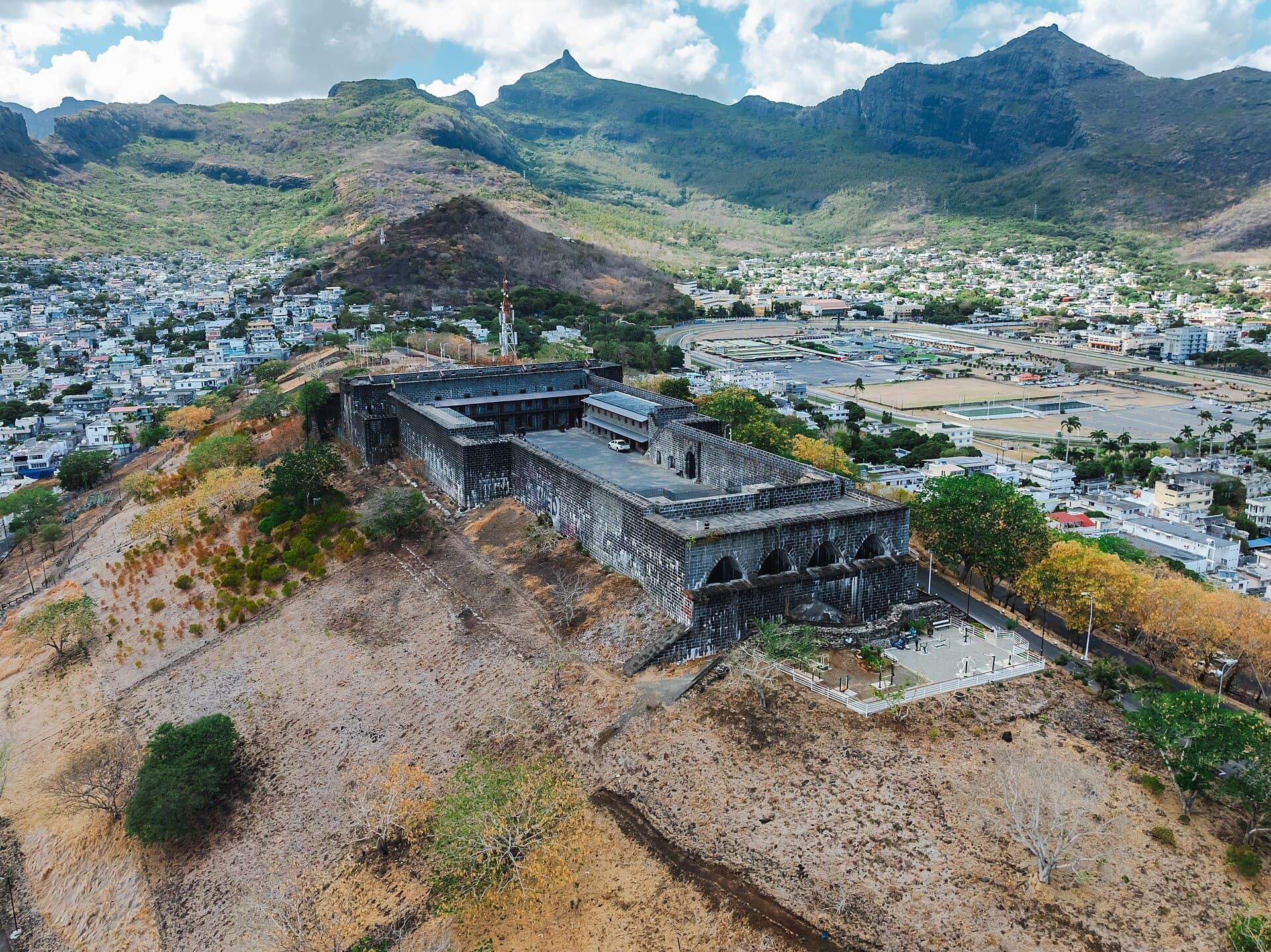 Fort Adelaide (La Citadelle)A stone fort on a hill above central Port Louis, built by the British between 1812 minutes walk4.3
Yes, entry is free; it opens Monday to Friday and Saturday morning, and is closed on Sundays.