The falaj
Centuries-old channels.
Iwona Rege — CC BY-SA 4.0 · Radosław Botev — CC BY 3.0 pl · Slywire — CC BY-SA 4.0 · Bob McCaffrey — CC BY-SA 2.0 · Rankin73 — CC BY-SA 4.0 · Bgabel — CC BY-SA 3.0 · Slywire — CC BY-SA 4.0 · ZI Jony — CC BY-SA 4.0
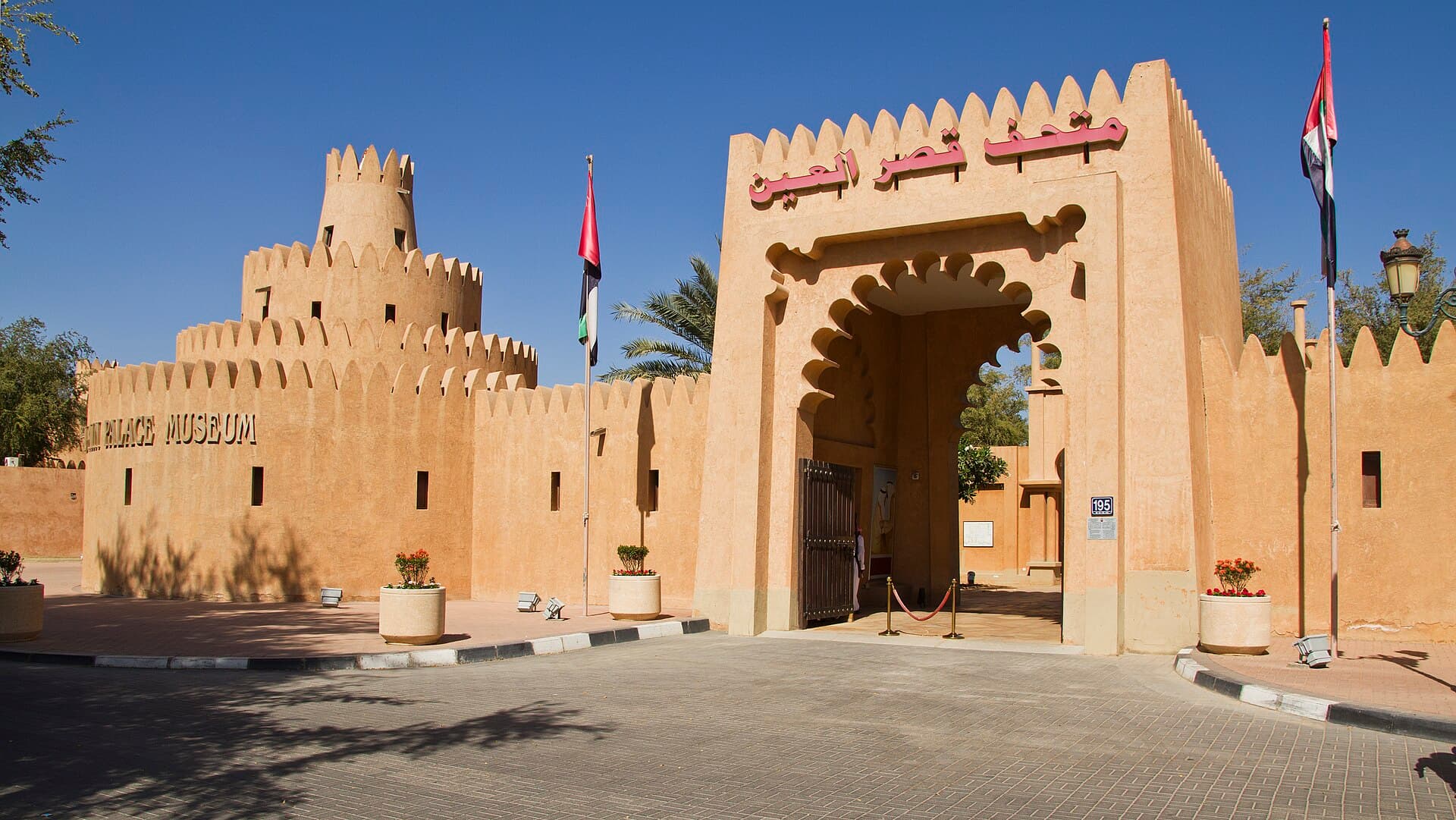
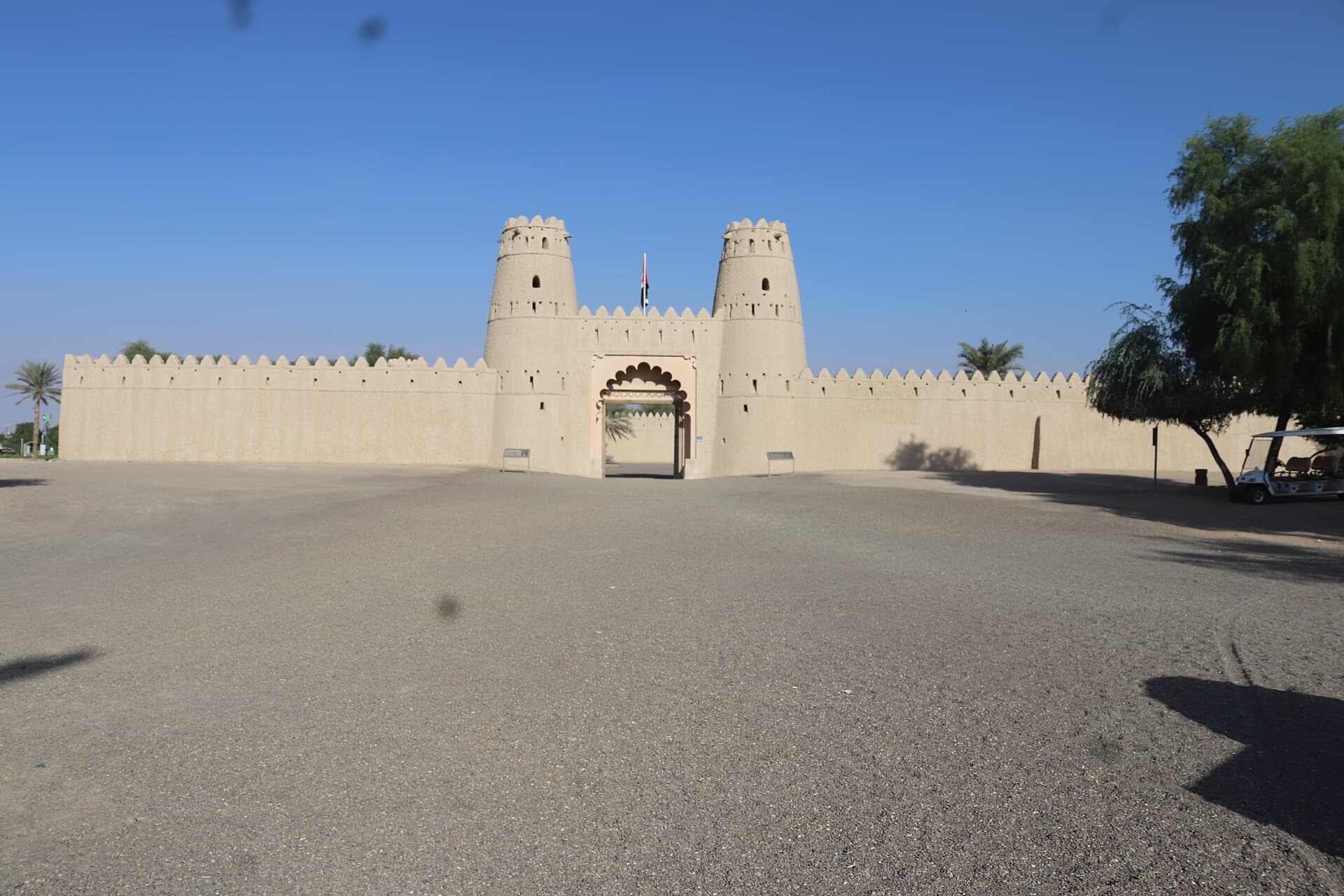
The largest oasis in the city of Al Ain, in the central Al Mutawa'a district, and more than 4,000 years old. It covers over 1,200 hectares with more than 147,000 date palms of about a hundred varieties. The oasis is known for its falaj system, ancient irrigation channels that carry water from wells and springs to the farms and palms, and they still run between the groves today. It is part of the «Cultural Sites of Al Ain», which in 2011 became the UAE's first UNESCO World Heritage Site. Shady paths run between low mud walls, with small old mosques and an eco-centre that explains the oasis's history and how it came to be. The Al Ain Palace Museum lies on its western side, and the Al Ain National Museum and Sultan bin Zayed Fort to the east. Entry is free, per visitor guides, and bicycles, e-scooters and quadricycles can be hired from 30 AED, according to Al Ain's official tourism site. The palms keep it cooler, but winter mornings and late afternoons are best.
Centuries-old channels.
Between mud walls.
About a hundred varieties.
Al Mutawa'a, central Al Ain
Yes, per visitor guides; bikes can be hired from 30 AED, according to Al Ain's official tourism site.