
The western view
The minarets of Islamic Cairo spread below with the Citadel to the left.
Al Azhar — Public domain · Waynemowery — CC BY-SA 4.0 · Djehouty — CC BY-SA 4.0 · Djehouty — CC BY-SA 4.0
A park on a hill between Fatimid Cairo and the Citadel, with a stranger history than its appearance suggests: this place was a rubble dump for five hundred years. Cairo's debris accumulated here over centuries until the mound stood tens of metres high in fill. In the 1990s the Aga Khan Trust funded its conversion into a public park, and more than a million cubic metres of rubble were removed. During the excavation, Saladin's Ayyubid wall emerged buried inside the hill — roughly a kilometre and a half of wall with its towers that nobody had been able to see — and it was restored as part of the park. This is the first large green space in historic Cairo in centuries, in a city whose green area per person is among the lowest in the world. The design is Islamic in clear reference: a long central axis with water channels and fountains, terraces and geometrically divided gardens, palms and native trees. What makes it worth the visit is the view: from the western edge the minarets of Islamic Cairo spread out below you, with the Citadel and the Muhammad Ali Mosque to your left, and sunset from here is among the best in the city. There are two restaurants and a café on the edge, and sitting at them at sunset is what a great many Cairenes do. Entry is a token fee, and it is a quiet, clean refuge after a day in the crowds of Darb al-Ahmar and Al-Muizz Street.
The minarets of Islamic Cairo spread below with the Citadel to the left.
A kilometre and a half of Ayyubid wall and towers, dug out of the fill and restored.
Channels and fountains along a long central spine in clear Islamic reference.
Salah Salem, between Darb al-Ahmar and the Citadel
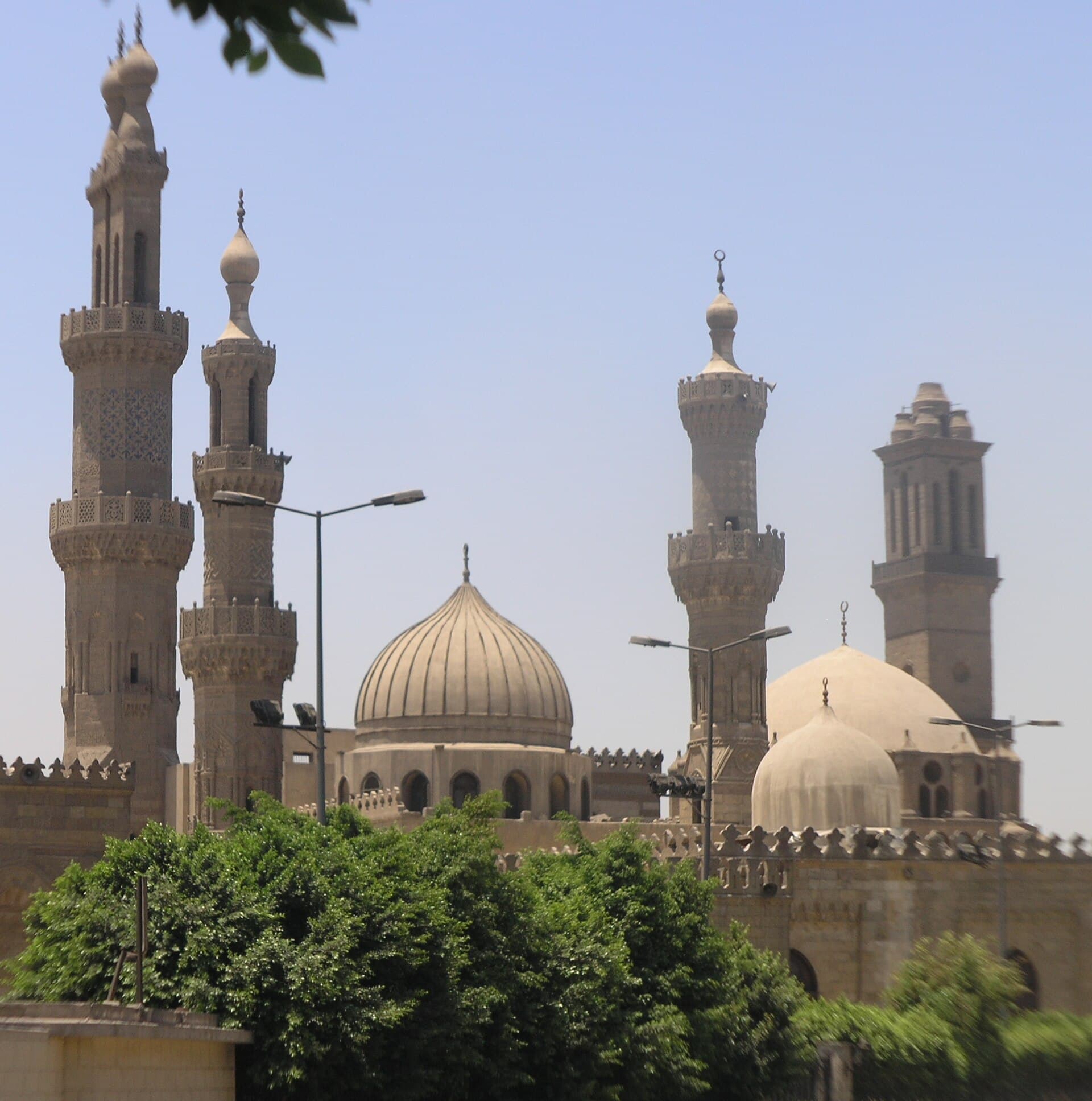 Al-Azhar MosqueThe oldest working university in the world and one of the oldest mosques in Egyp8 minutes walk4.7
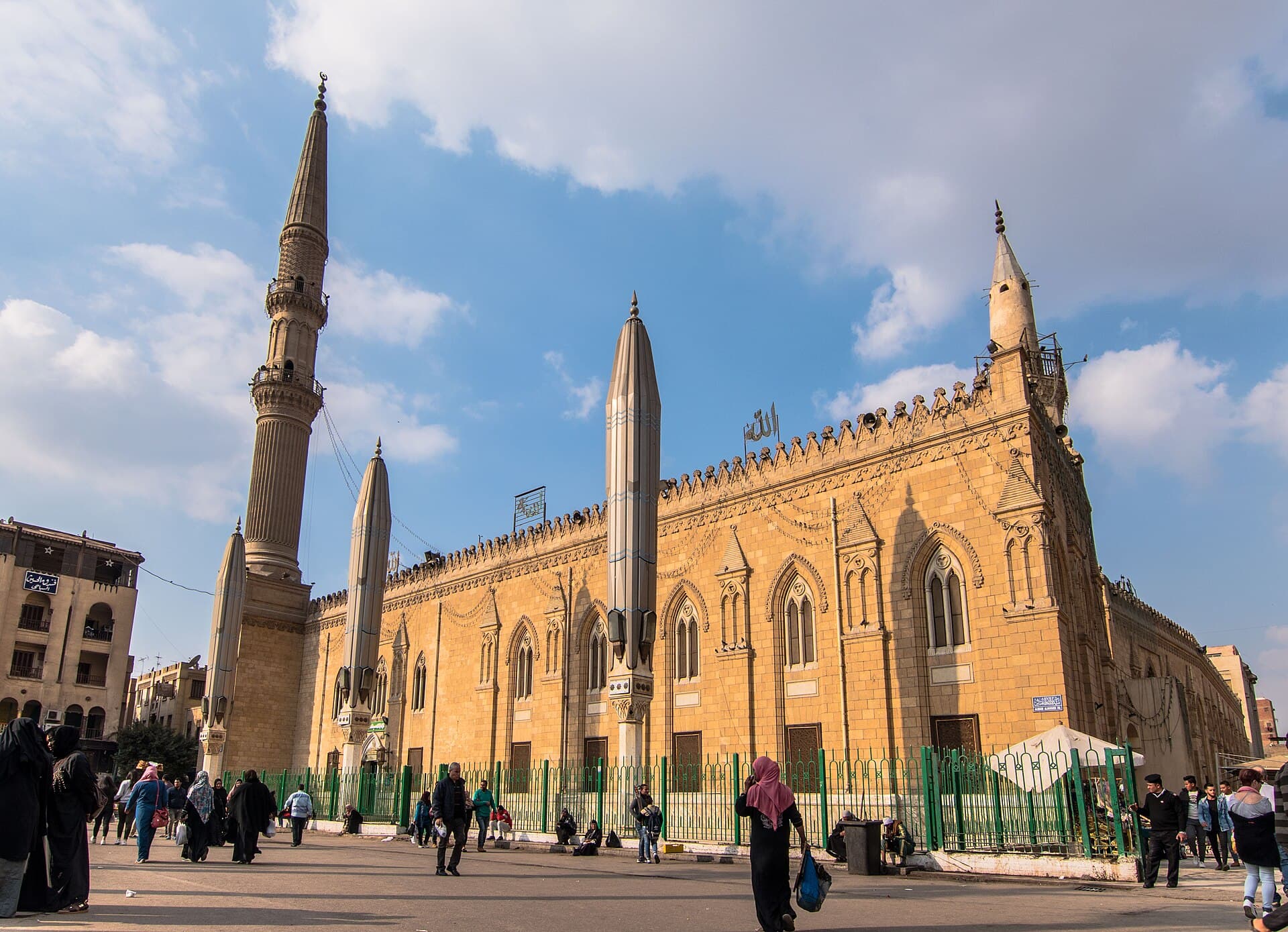 Al-Hussein MosqueOne of the holiest and best-loved mosques in Egypt, on al-Hussein Square at the 9 minutes walk4.9
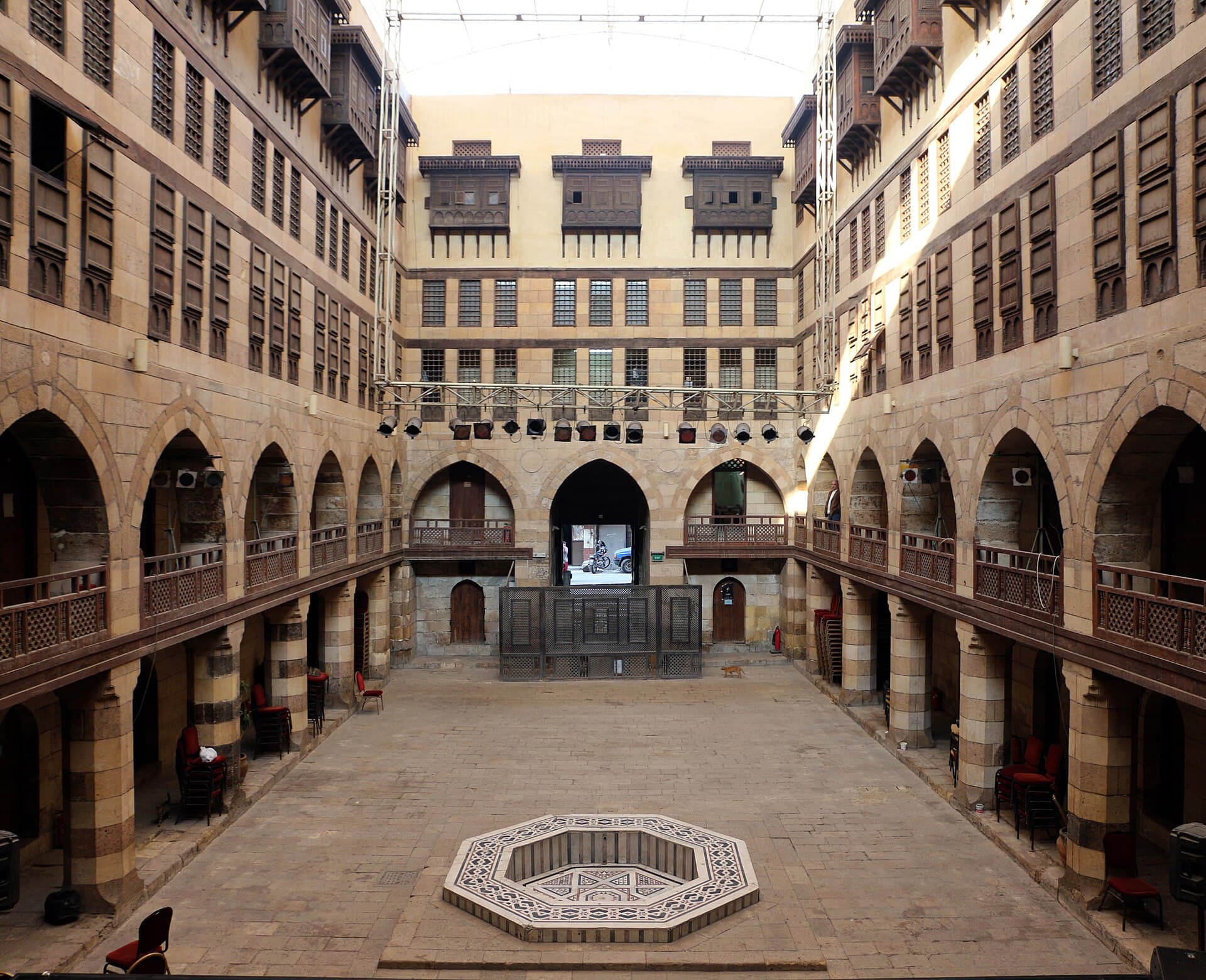 Wikala of al-GhuriA Mamluk merchants' inn built by Sultan Qansuh al-Ghuri in 1504 and 1505, counte9 minutes walk4.8
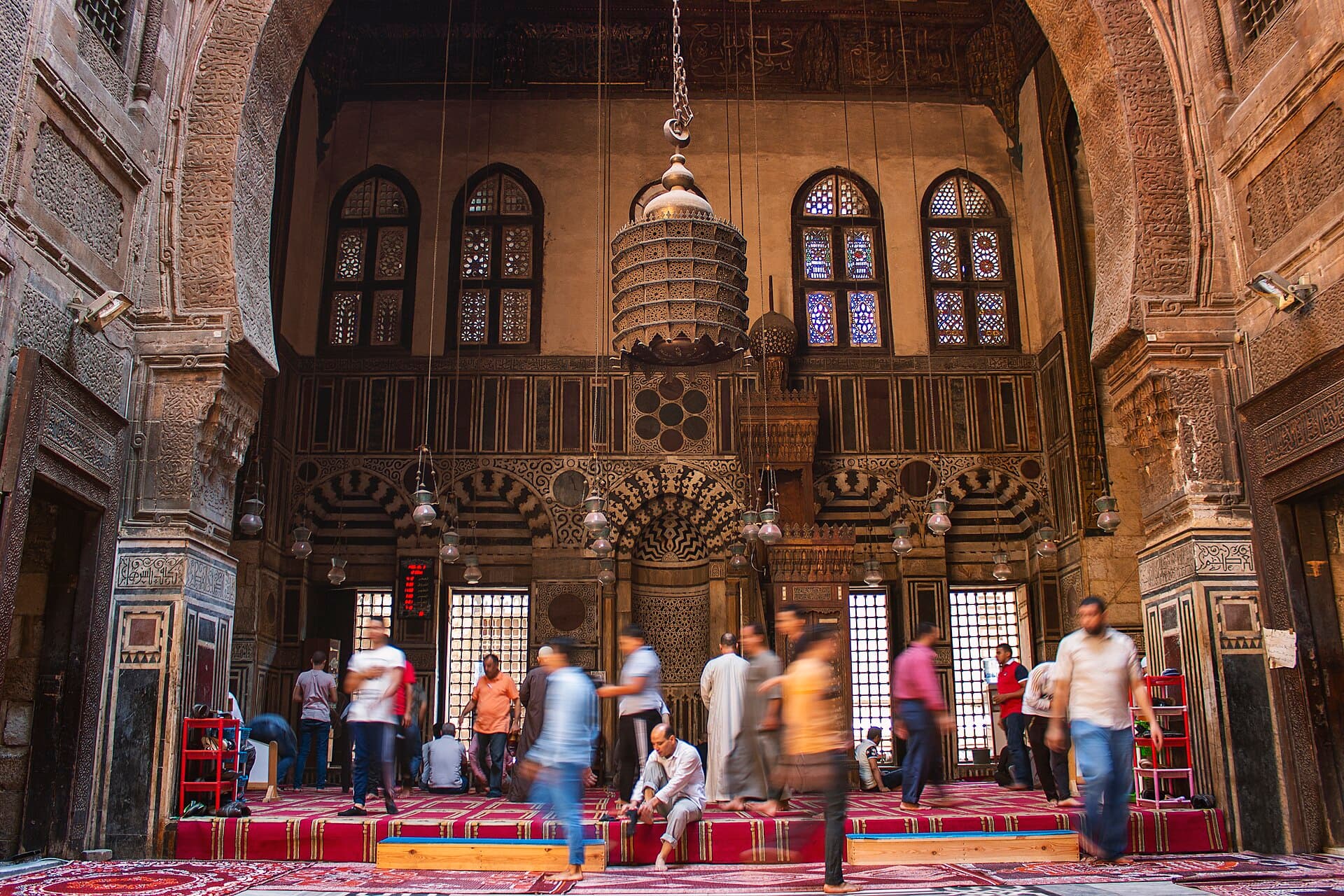 Al-Ghuri ComplexA Mamluk complex built by Sultan Qansuh al-Ghuri, the second-to-last Mamluk sult9 minutes walk4.6
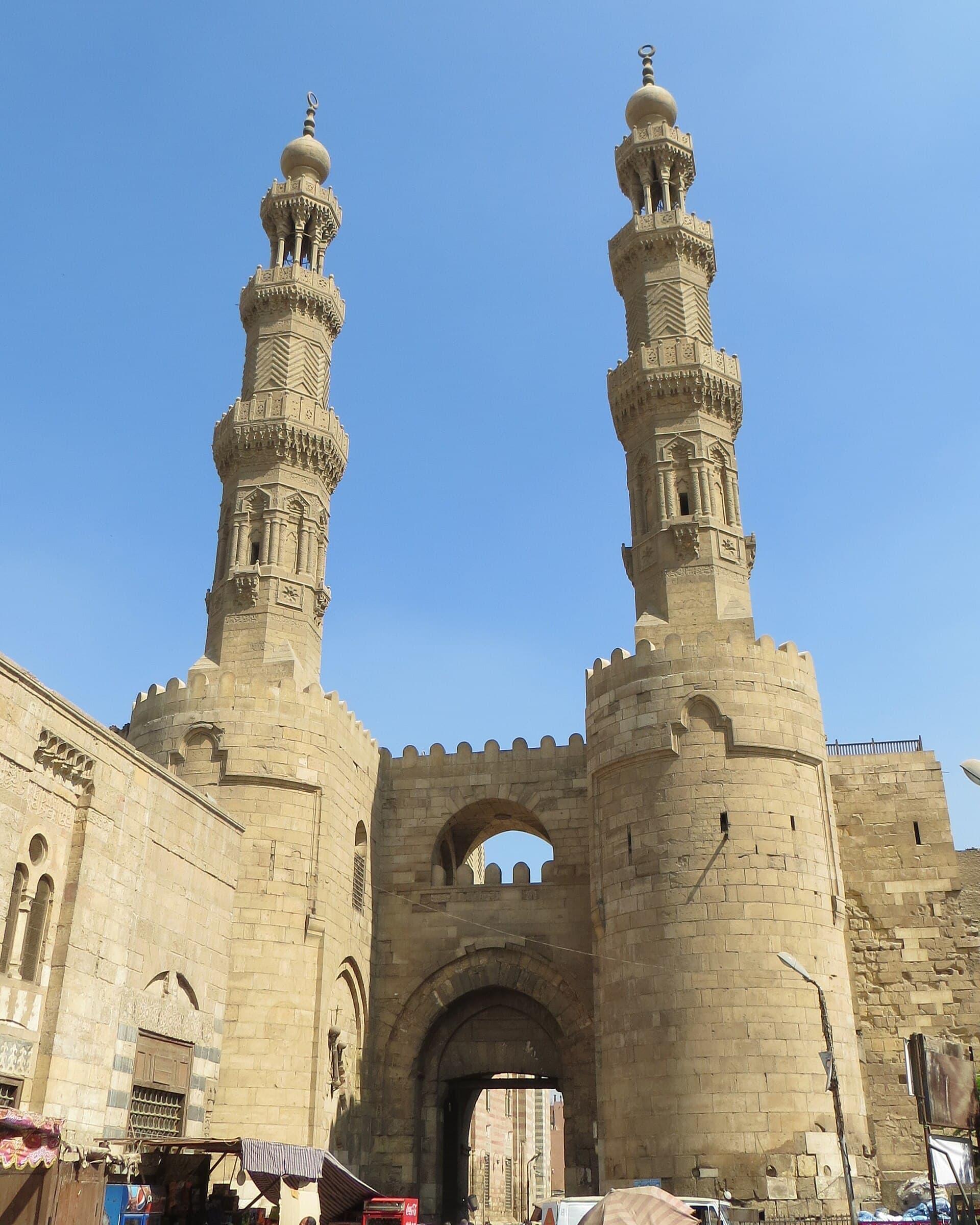 Bab ZuweilaOne of three surviving gates of the Fatimid city wall, standing at the southern 10 minutes walk4.6
Not just a park, for two reasons: the view over Islamic Cairo from the western edge is not available anywhere else so easily, and Saladin's exposed wall inside it is a genuine monument. Add that it is the only green refuge in that district and that entry is cheap. Make it the end of an Islamic Cairo day rather than the start.
A short drive via Al-Azhar Street, or a walk through the Darb al-Ahmar quarter — a fine route between Mamluk houses and mosques, but through narrow lanes that need some guidance. Most people take a taxi; it is a few minutes.