
The iconostasis
Three tiers of gold and icons.
Georg Mittenecker, perspektivisch entzerrt von User:Ikiwaner — CC BY-SA 2.5 · Ivar Leidus — CC BY-SA 3.0 ee · Ivar Leidus — CC BY-SA 3.0 ee · AleWi — CC BY-SA 4.0
Five black-and-gold onion domes directly facing parliament: the Russian Orthodox Alexander Nevsky Cathedral was built in 1900 at the height of tsarist Russification, and its site was no accident — raised on the crown of Toompea opposite the seat of Estonian authority to announce who ruled. Russians loved it and many Estonians resented it as a symbol of occupation; a plan to demolish it in 1924 after the first independence went unexecuted for lack of money — and today it is a working church protected by law and the finest thing in Toompea's skyline, among its most photographed buildings. Inside is fully Byzantine: a three-tier gilded iconostasis, mosaics, chandeliers, and eleven bells, the heaviest fifteen tonnes, heard across the old town before the liturgy. Entry is free and photography forbidden inside — modest dress required.
Three tiers of gold and icons.
Five black-and-gold domes over the hill.
Lossi plats 10, Tallinn
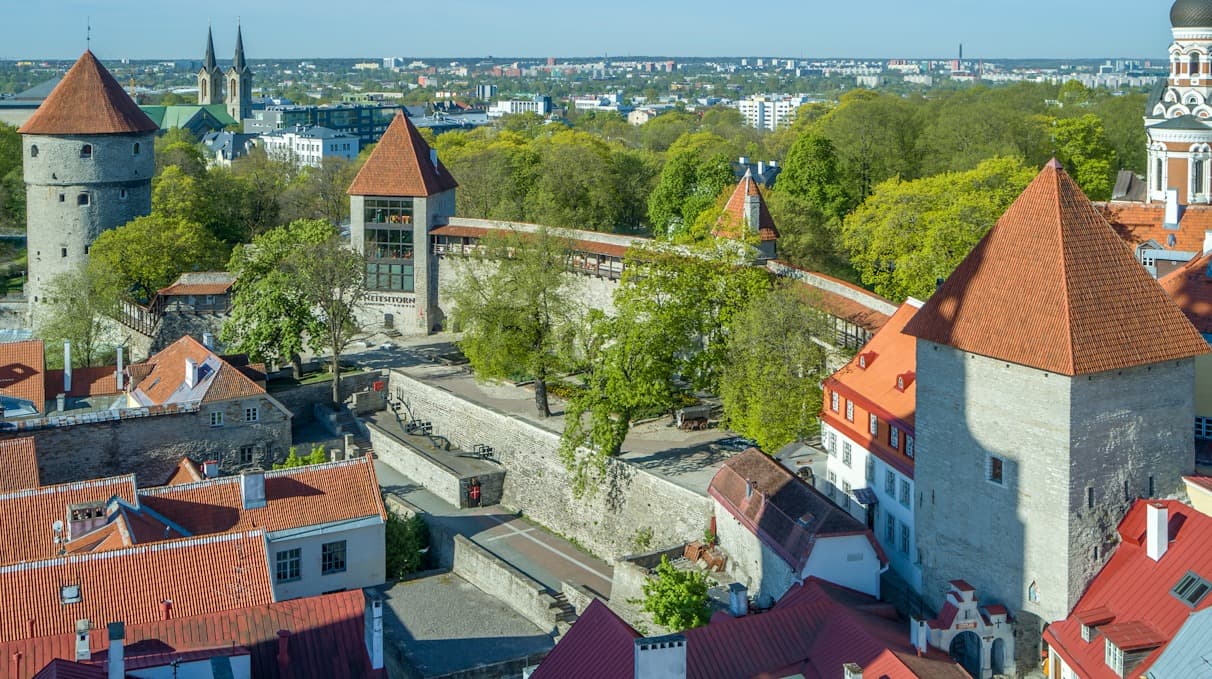 The Danish King's GardenA small garden on the slope below Toompea hill, hemmed in by the city wall and i1 minute walk4.8
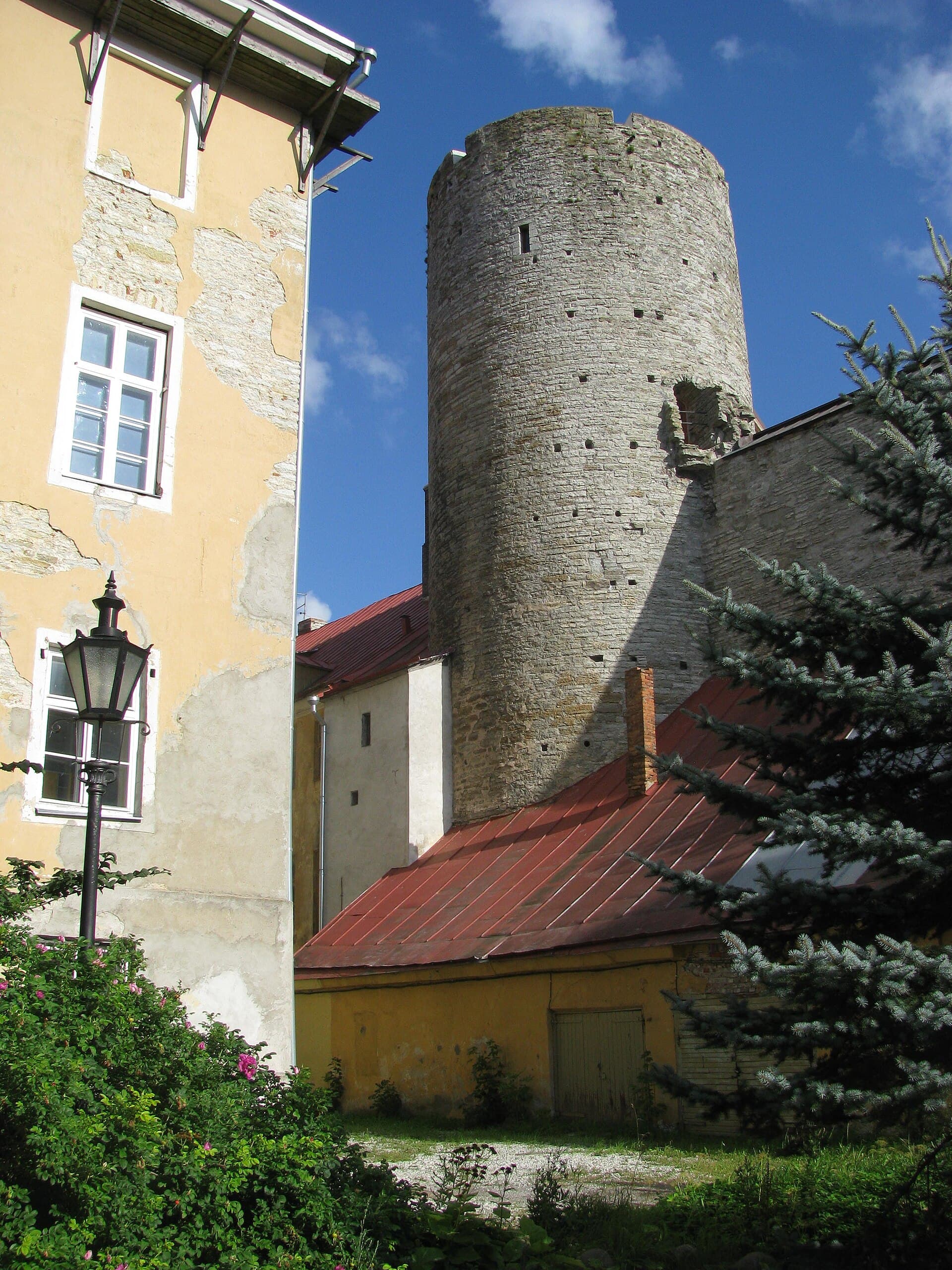 Landskrone TowerA tower of the Toompea hill fortifications in Tallinn, part of a defensive syste1 minute walk4.5
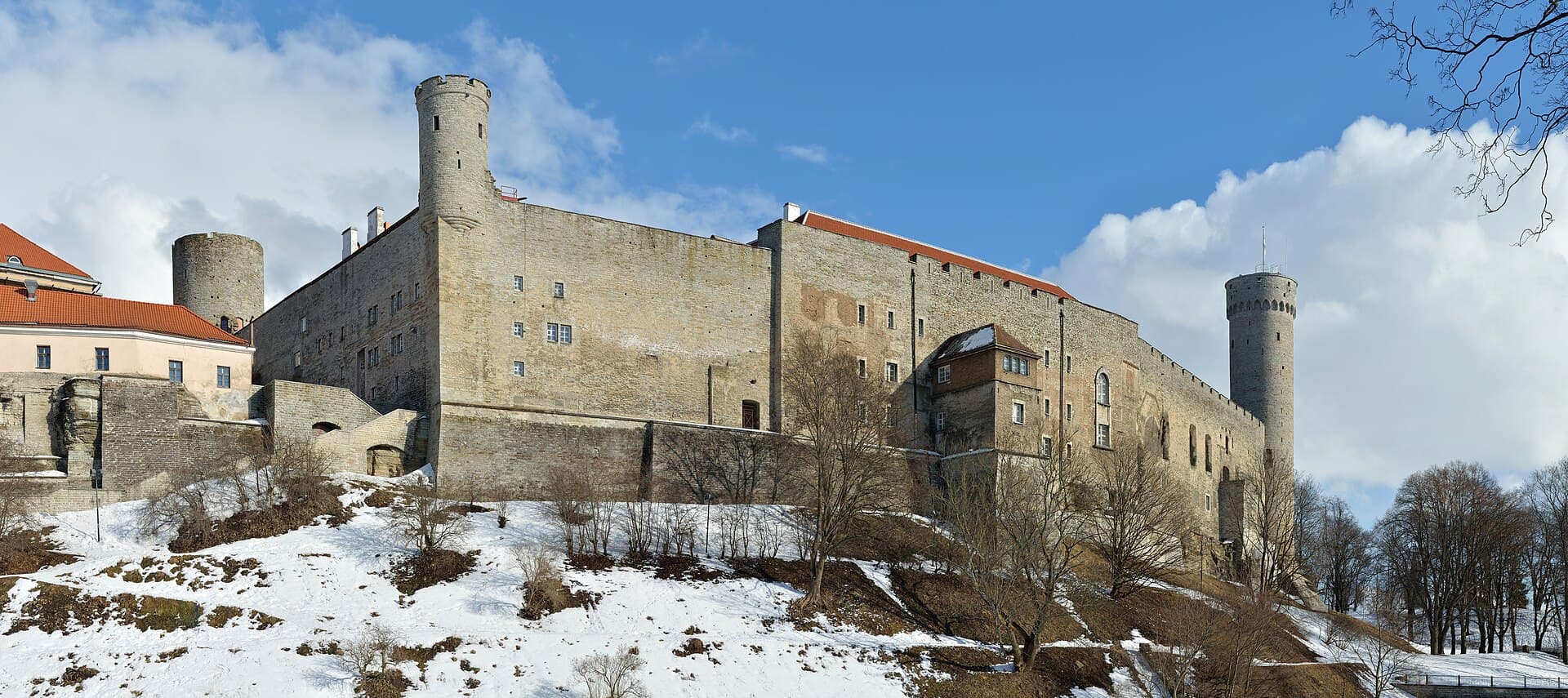 Toompea Castle and HillThe hill that ruled Estonia for eight centuries: Toompea is a limestone plateau 2 minutes walk4.5
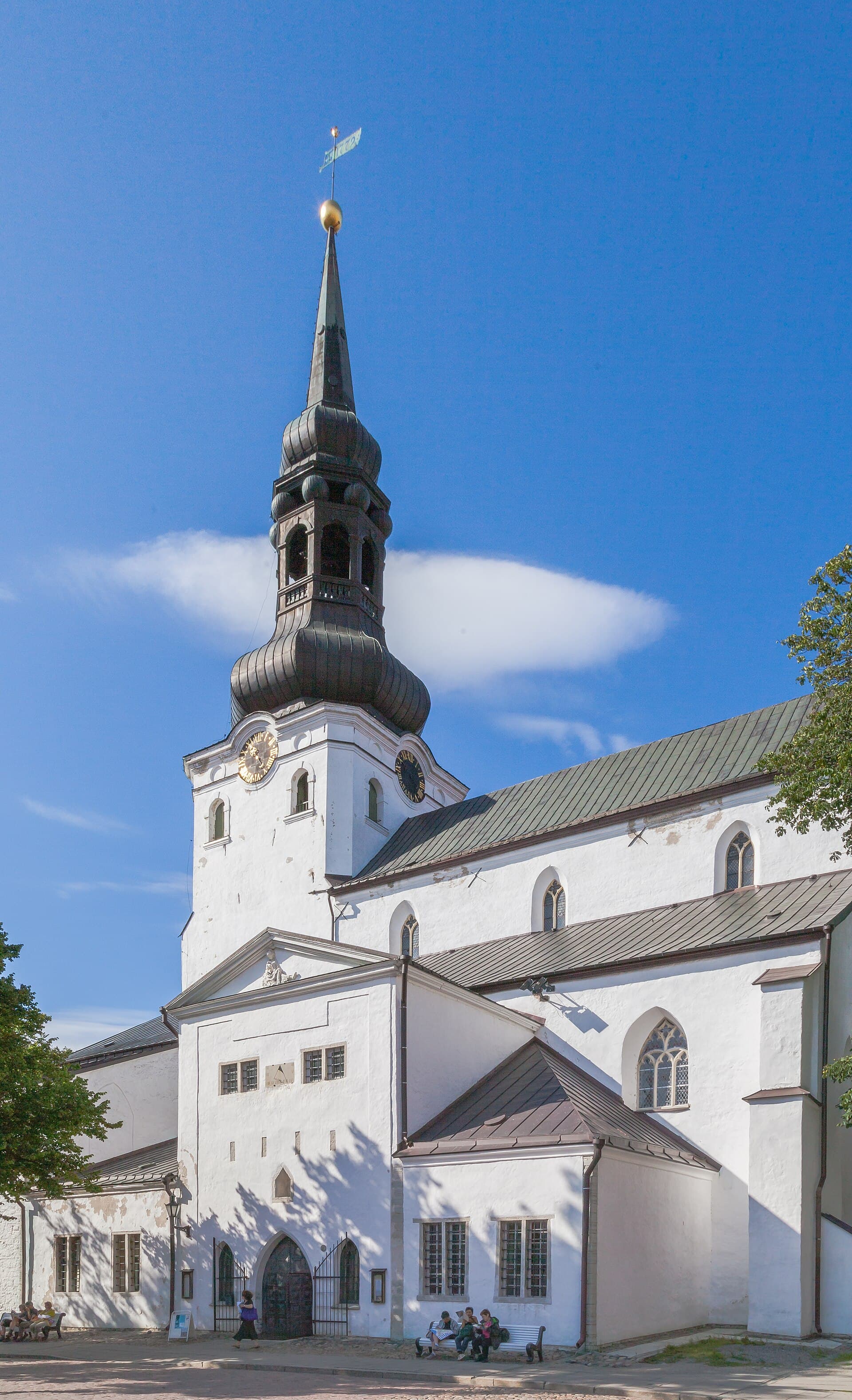 St Mary's Cathedral (Dome Church)Mainland Estonia's oldest church: the Dome Church on Toompea hill was founded in2 minutes walk4.6
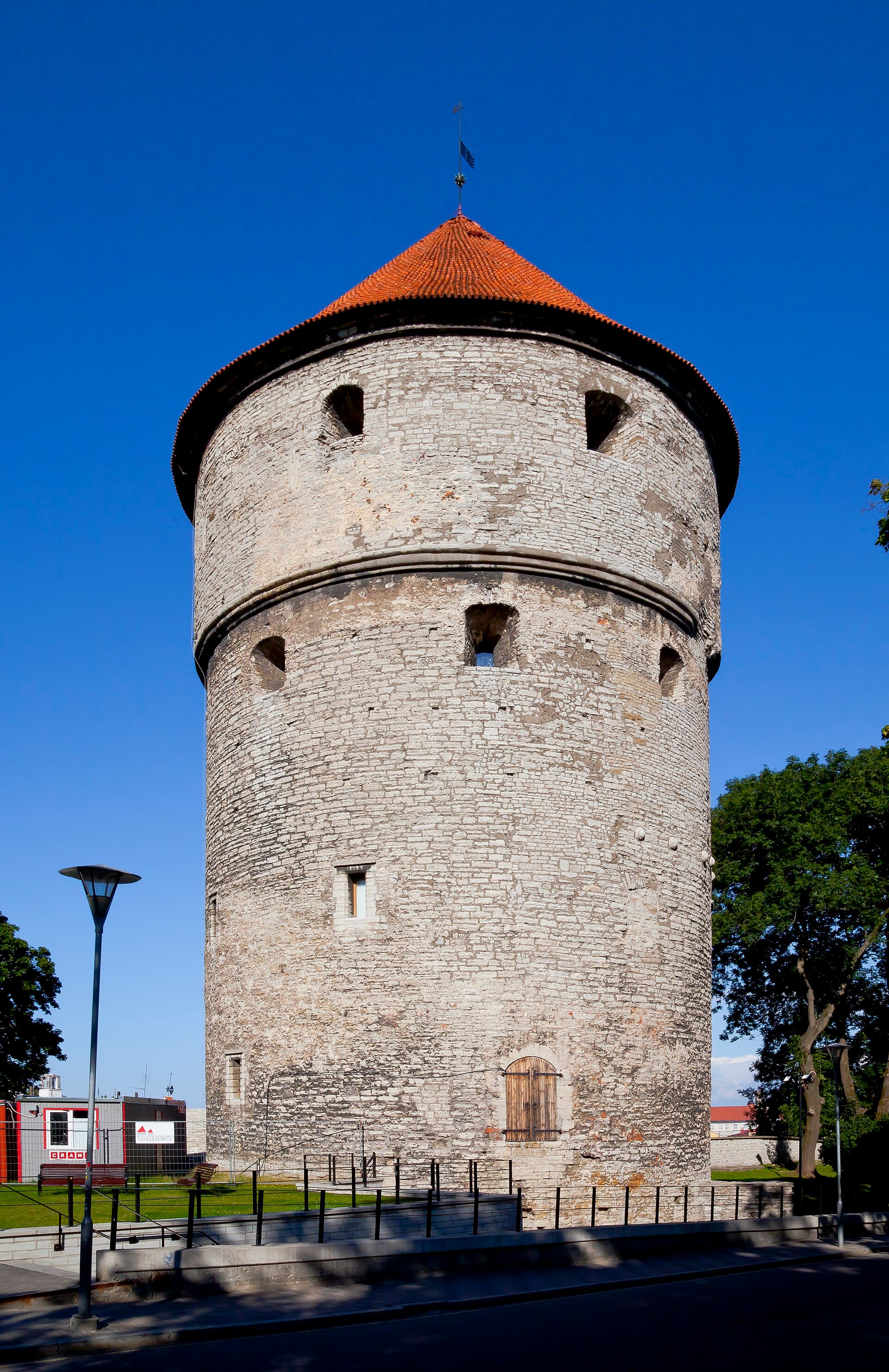 Kiek in de Kök and the Bastion TunnelsAn artillery tower called "Peep into the Kitchen": Kiek in de Kök was built in 12 minutes walk4.7
Because it was built as an instrument of Russification on a symbolic site; today many Estonians see it as part of their architectural history and it serves a large Orthodox community, though debate occasionally revives.