
The 1777 recognition
Morocco and US independence.
Amal nano — CC BY-SA 4.0 · Abdelbaar Mounadi — CC BY-SA 4.0 · Abdelbaar Mounadi — CC BY-SA 4.0 · Amal nano — CC BY-SA 4.0 · Diego Delso — CC BY-SA 4.0 · Abdelbaar Mounadi — CC BY-SA 4.0 · MONUMENTA — CC BY-SA 4.0 · Amal nano — CC BY-SA 4.0
A historic building in Tangier's medina that housed the American diplomatic mission to Morocco, given to the United States by the sultan; the legation was established here in 1821, making it the first American public property abroad. The museum recalls that Morocco was the first country to recognise the independence of the United States, in a proclamation by Sultan Mohammed ben Abdallah in 1777. It remained a diplomatic post for about a hundred and forty years, until the diplomatic capital moved to Rabat in 1956, then fell into neglect until former American diplomats founded a museum here in 1976. Today it is an institute for Moroccan studies and a museum, and the only US National Historic Landmark outside the United States. The building is a set of connected Moroccan-style houses with courtyards, small gardens, arches and wooden ceilings, showing paintings and drawings of Tangier, maps and historic documents, a wing devoted to the American writer and composer Paul Bowles, who lived in Tangier, and a decorated Moorish pavilion. A non-resident foreign visitor pays about fifty dirhams according to recent guides, cash only; it opens Monday to Saturday, with shorter hours on Saturday, and closes on Sundays. It stands on the edge of the medina near the Grand Socco.
Morocco and US independence.
A writer of Tangier.
Gardens and arches.
Rue d'Amérique, southern medina, Tangier
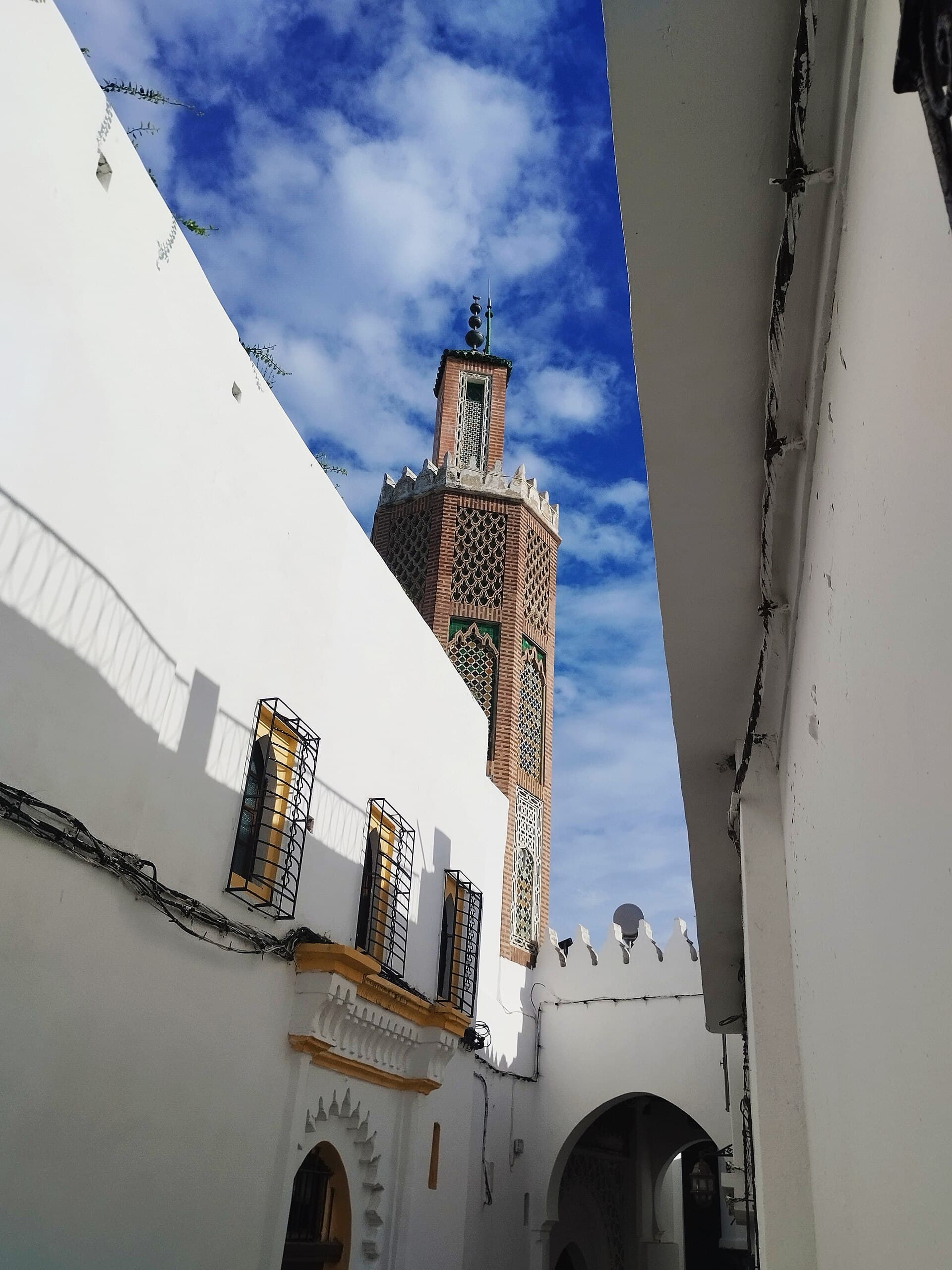 Medina of Tangier and Petit SoccoTangier's old walled town, its white lanes tumbling from the kasbah above toward2 minutes walk
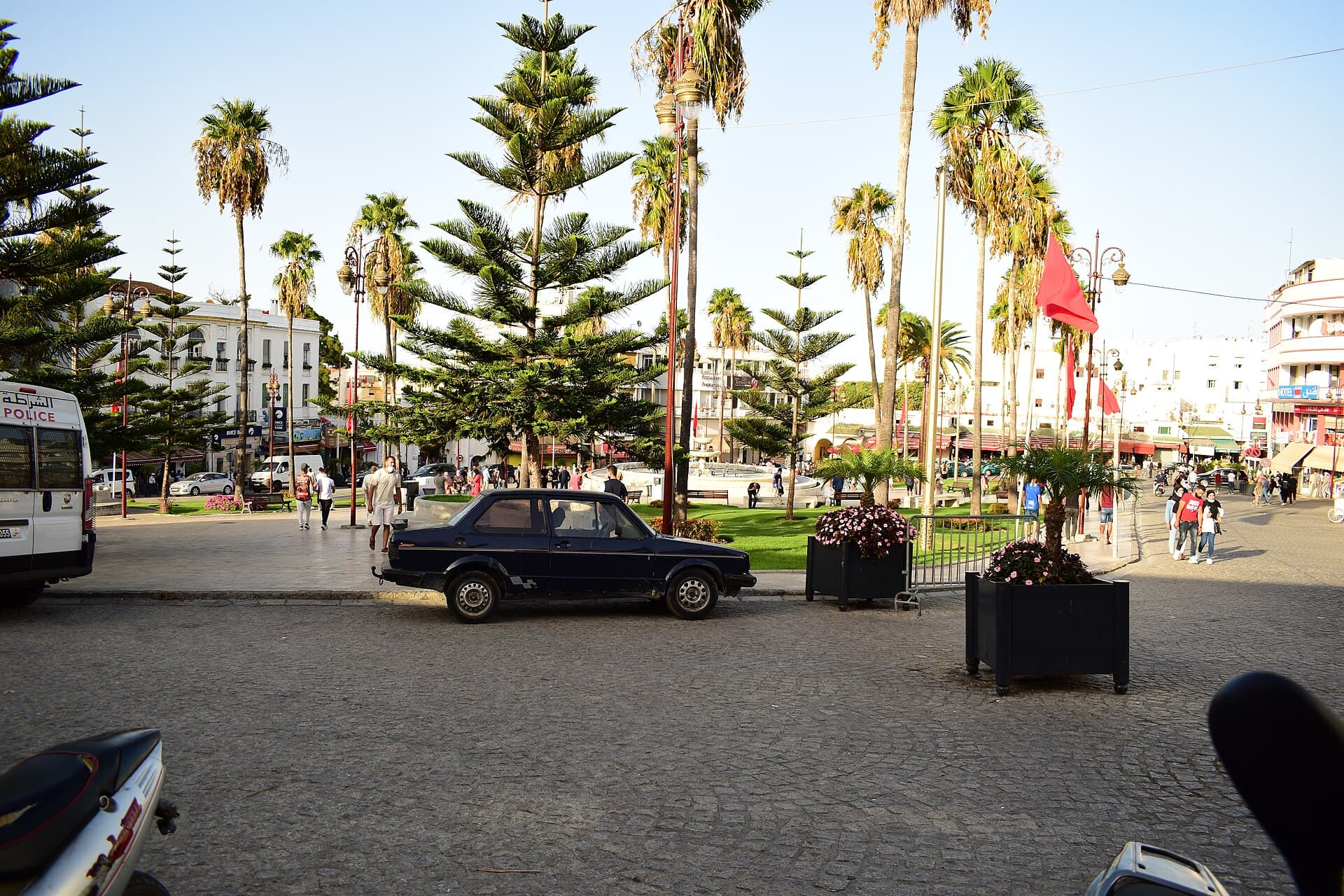 Grand Socco and Mendoubia GardensThe large square that separates Tangier's old medina from the newer town, offici3 minutes walk
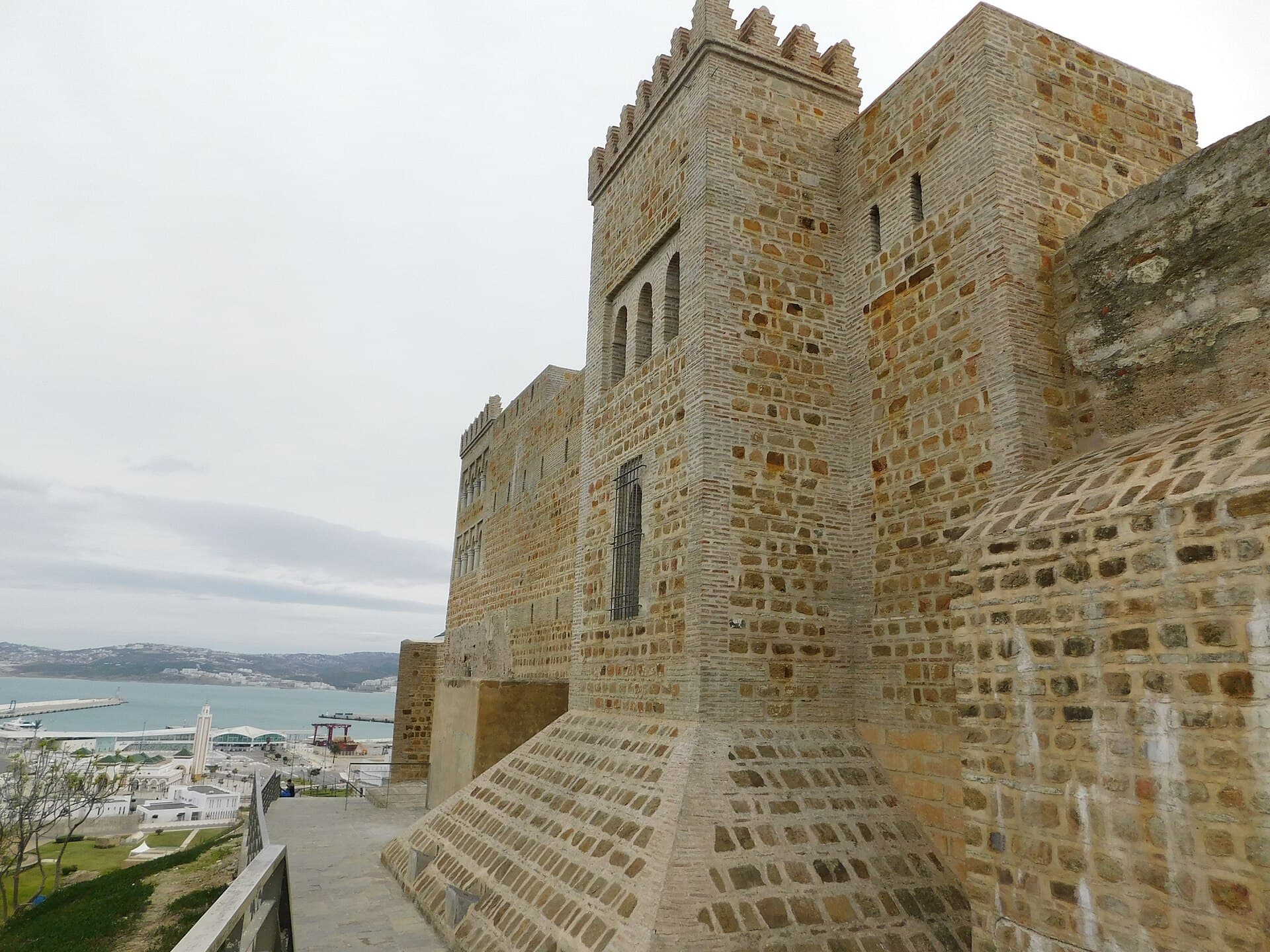 Kasbah of Tangier and Kasbah MuseumTangier's historic citadel on the highest point of the old town, looking out ove6 minutes walk
It was the first American public property abroad and is the only US National Historic Landmark in a foreign country, telling of a long Moroccan-American friendship.