
The skylights
Dropping light into the galleries and showing the show from above.
Mahlum — Public domain · Kulttuurinavigaattori — CC BY-SA 4.0 · JIP — CC BY-SA 4.0 · JIP — CC BY-SA 4.0
Amos Rex is the most talked-about building opened in Helsinki this century, and its solution was unusual: **the whole museum is underground**, and its roof is a city square. The problem was that the site — **Lasipalatsi** square, in front of a protected functionalist building of 1936 — could not be built on. So the galleries were dug beneath the square, and their ceilings pushed up into **circular mounds** pierced by large skylights that drop daylight into the space below. The result is that the museum's roof became a playground: children climb and slide on the mounds and people sit on their rims — and the skylights show what is happening in the exhibition beneath them. It opened in 2018 and became a symbol of the city immediately. The programme is mainly temporary exhibitions, many of them **digital art and immersive installations**, alongside the classical Amos Anderson collection. Note: **it fills quickly and advance booking is strongly advised**; the roof is free and always open even without a ticket.
Dropping light into the galleries and showing the show from above.
Circular mounds children climb, and free.
Mannerheimintie 22-24, Helsinki
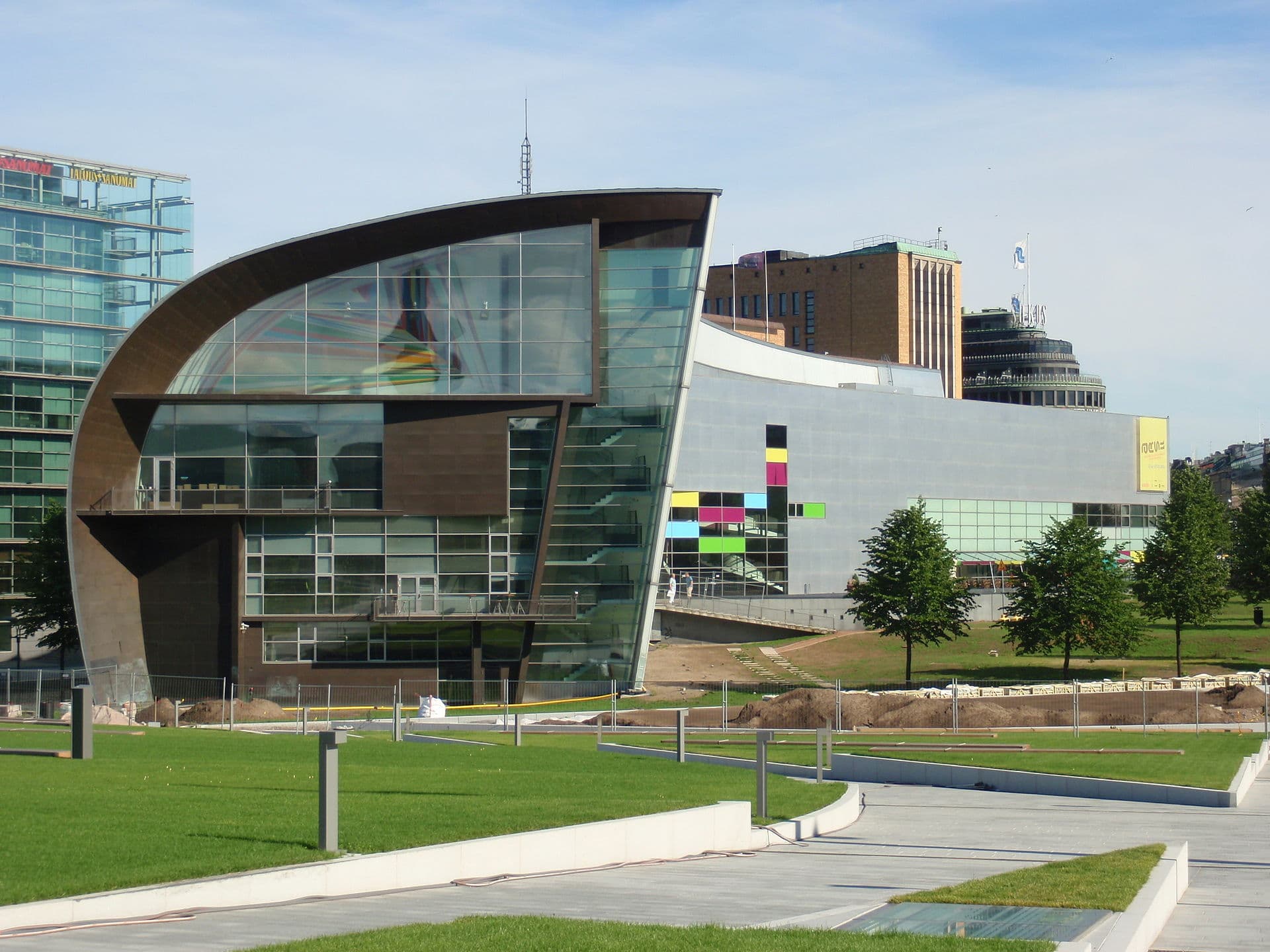 Kiasma Museum of Contemporary ArtA building curving like a wave of zinc and glass in the city centre: Kiasma by t2 minutes walk4.3
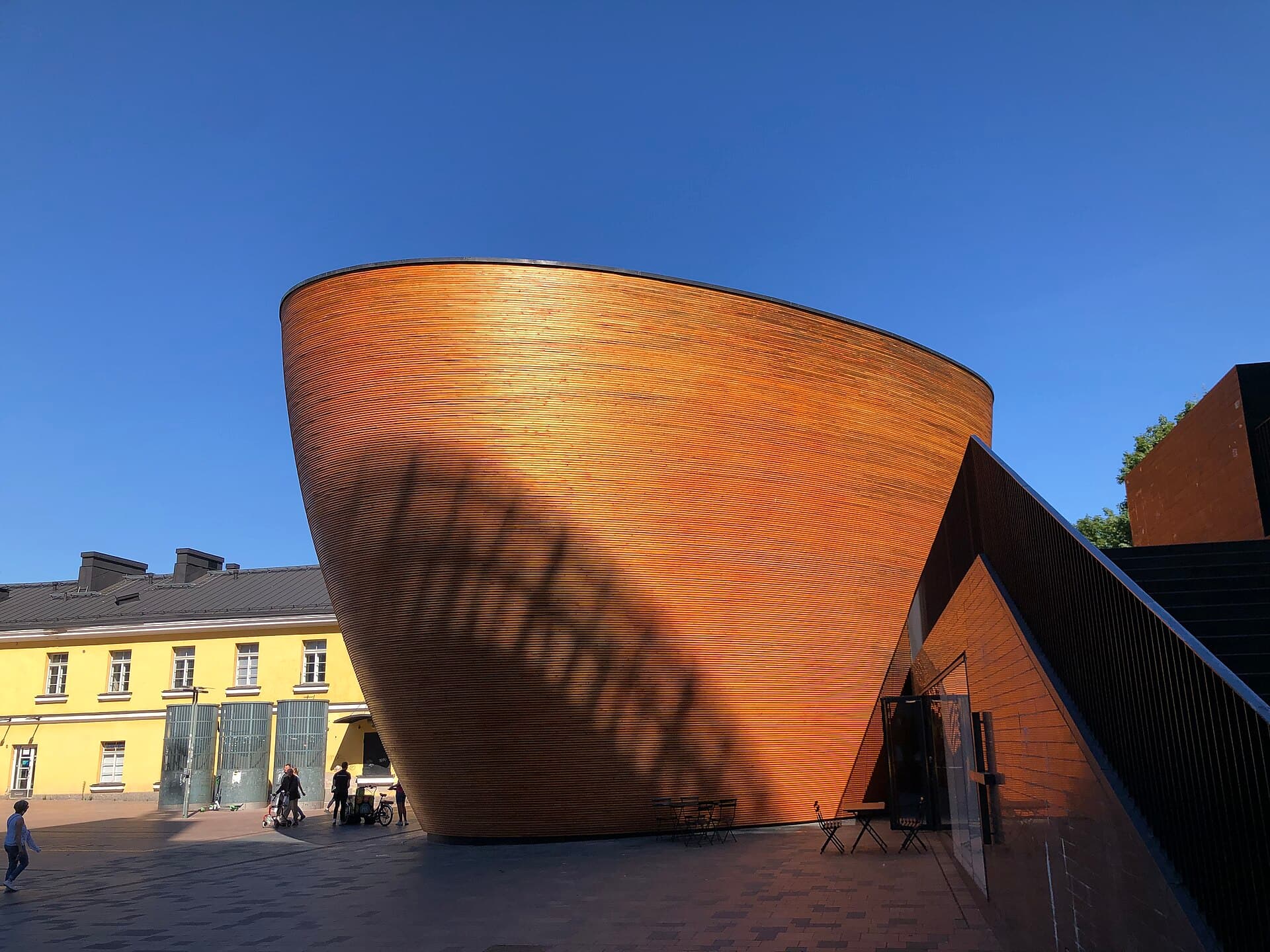 Kamppi Chapel of SilenceA wooden vessel of silence in the city's noisiest square: Kamppi Chapel (2012) i2 minutes walk4.3
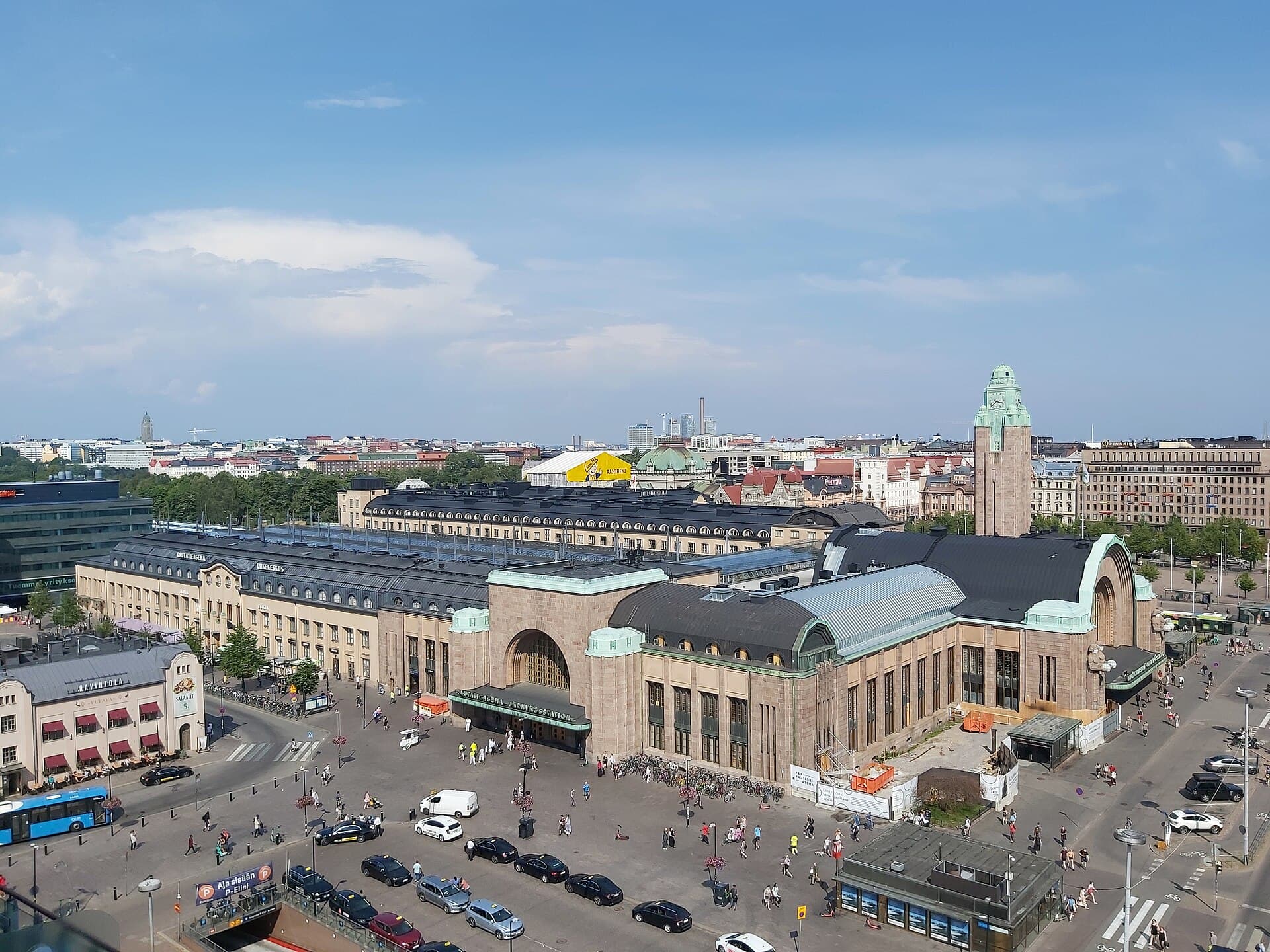 Helsinki Central StationHelsinki Central Station is among Finland's best-known buildings, designed by **4 minutes walk4.2
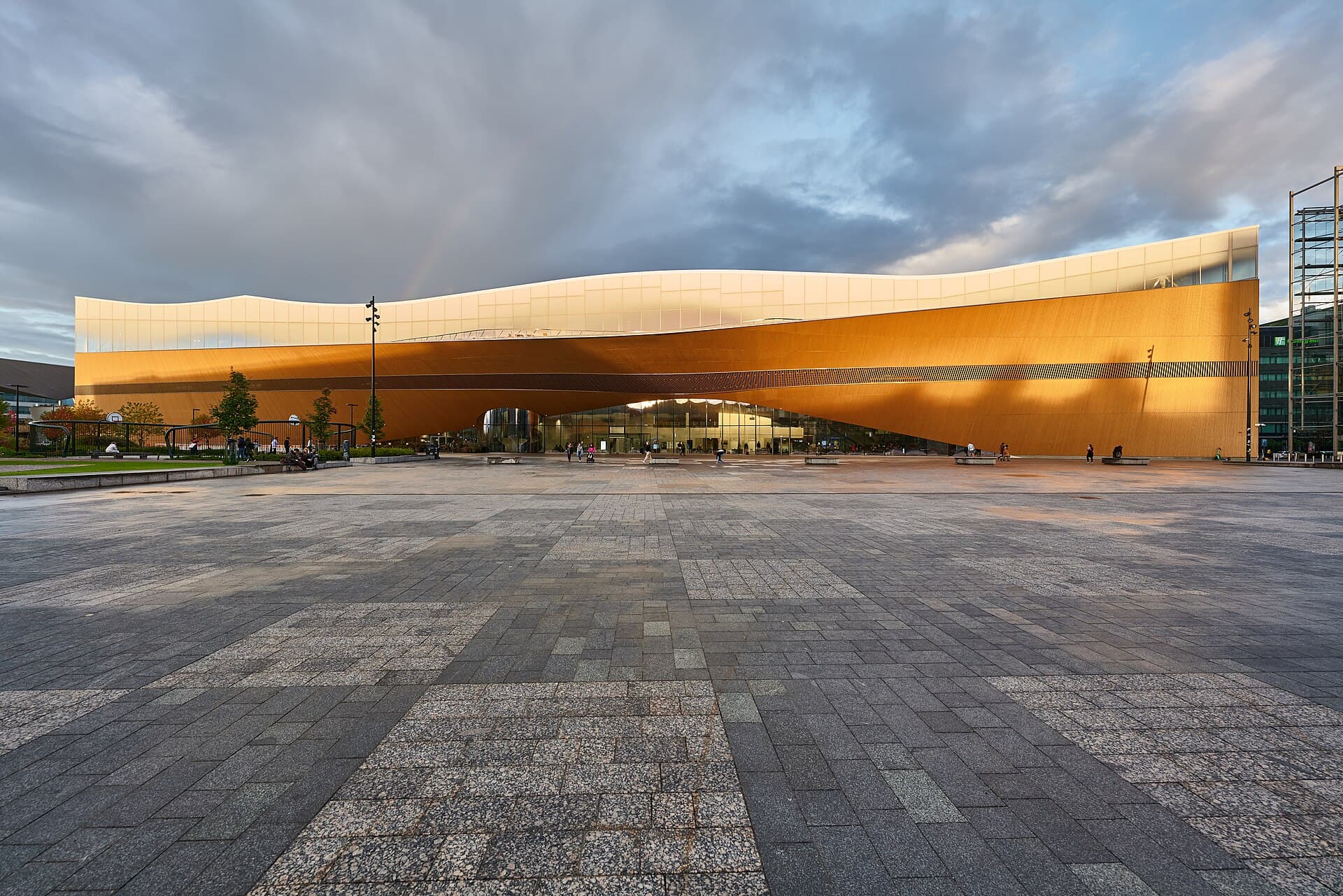 Oodi Central LibraryThe most famous library in the world today: Oodi (2018) was Finland's gift to it5 minutes walk4.9
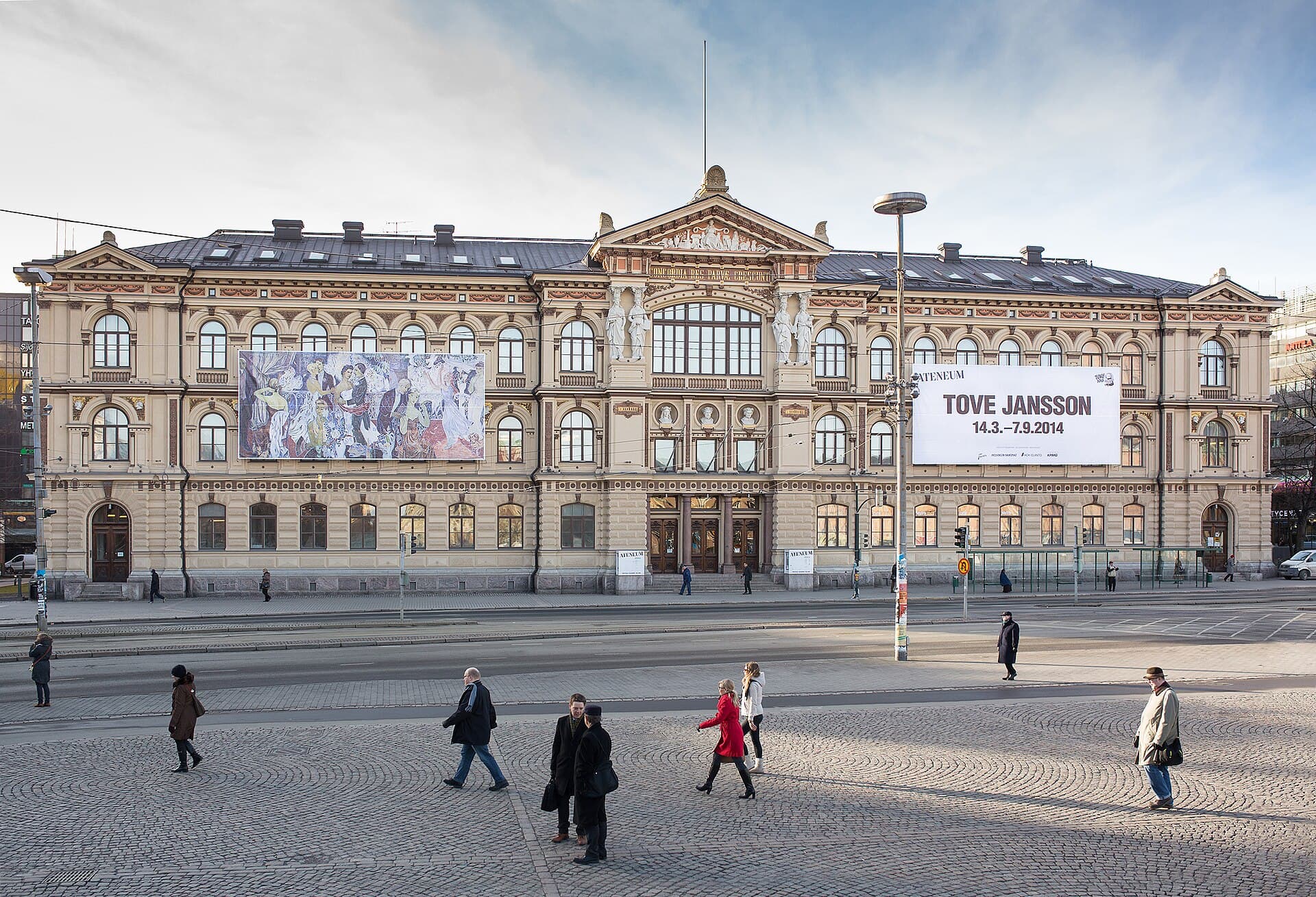 Ateneum Art MuseumFinland's largest classical art collection: the Ateneum, opposite Central Statio5 minutes walk4.5
Because architecture became a national project there. When Finland became independent in 1917 it had no palace tradition of its own, so it built its identity from modernism rather than history. **Alvar Aalto** is the great name: buildings of pale brick and timber with curved lines suited to northern light, and furniture still in production today. He was followed by **Eliel** and **Eero Saarinen**, and by **Raili and Reima Pietilä**. The constant principle is that a building should serve daily use, take in scarce light, and use local materials. In Helsinki you see it in the rock-hewn **Temppeliaukio Church**, in **Finlandia Hall**, and in this museum.