The stone passage
A 300 m entry lined with limestone.
Luka Peternel — CC BY-SA 4.0 · Luka Peternel — CC BY-SA 4.0 · Yerpo — CC BY-SA 4.0 · Yerpo — CC BY-SA 4.0
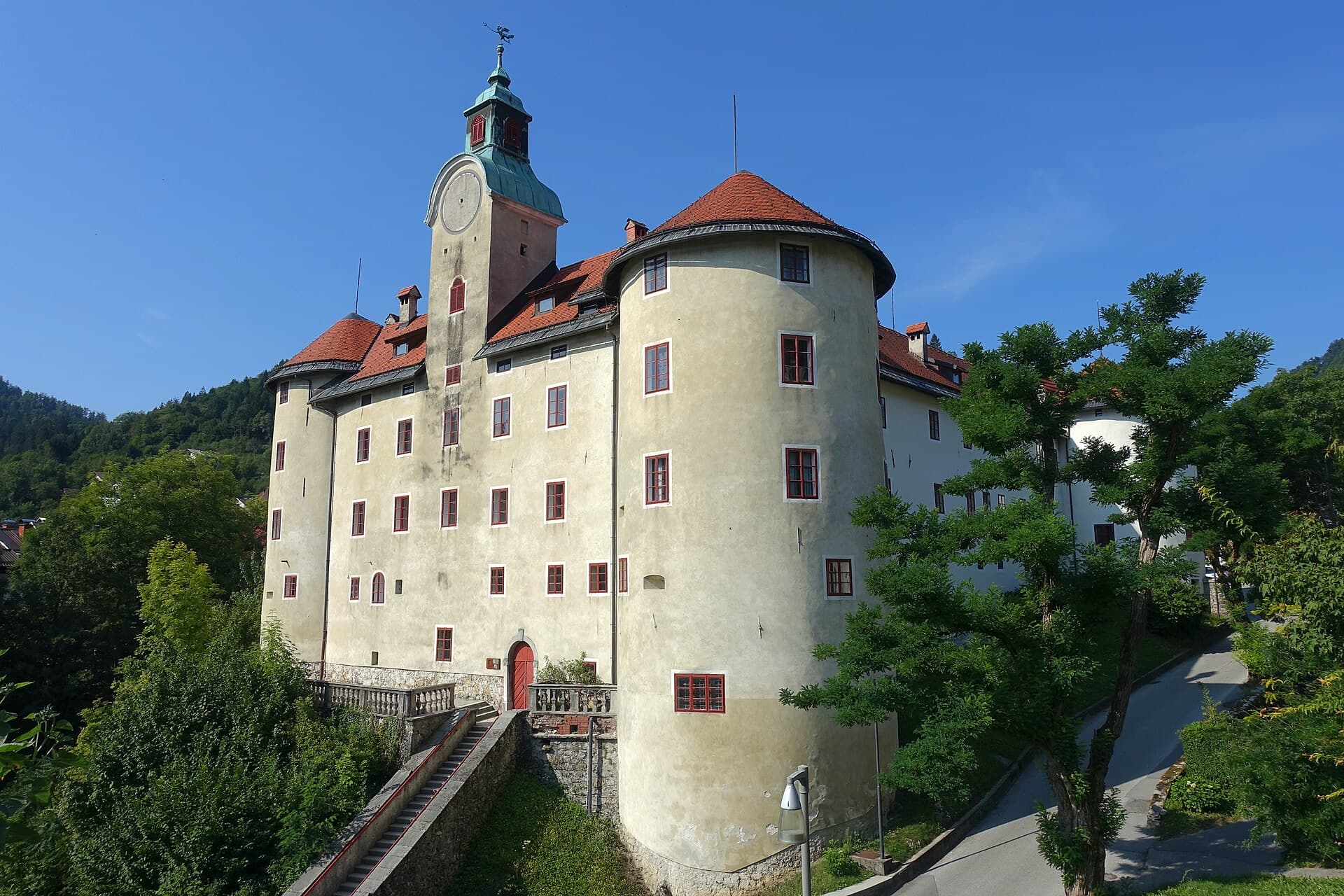
Anthony's Shaft is the oldest surviving entrance to the mercury mine at Idrija and among the oldest mine entrances in Europe. Named after St Anthony of Padua, whom miners saw as a guardian against accidents, it has been open for tours since 1994. It forms part of the mercury heritage listed by UNESCO, together with Almadén in Spain, since 2012. Mercury was discovered at Idrija in the late 15th century, with sources giving different years, and digging began in 1500. Miners used this 300 m entry passage for almost 500 years to go in and out. At first it was propped with timber, and in 1766 it was lined with thick limestone blocks. A guide leads you along stone and timber passages, past ore carts and old ventilation pipes. Underground you also find the Holy Trinity Chapel from the late 18th century, later joined by images of St Barbara and St Achatius, patrons of the Idrija miners. The guide explains what work below ground was like and how mercury shaped the town. The entrance lies about 300 m from Gewerkenegg Castle and about 37.8 km from Ljubljana in a straight line. It is cool and damp inside, so bring a jacket and closed shoes. Check tour times in advance since they run at set hours, and treat the chapel with respect.
A 300 m entry lined with limestone.
A small 18th-century chapel below ground.
Old equipment that shows life in the mine.
Kosovelova ulica 3, Idrija, Slovenia
Yes, but bring a jacket. It stays cool and damp underground even on hot days.
Idrija's mercury heritage was listed with Almadén in Spain in 2012 for its major role in the world mercury supply.