
The painted Çukurbağ reliefs
Marble friezes from Diocletian's imperial complex still wearing their original colours after 1,700 years.
Cobija — CC BY-SA 4.0 · Kocaeligönüllüsü — CC BY-SA 4.0 · Cobija — CC BY-SA 4.0 · Cobija — CC BY-SA 4.0
Seventeen centuries ago İzmit was Nicomedia, Diocletian's capital of the Roman Empire, not an industrial town at the end of a gulf. Then the 1999 earthquake wrecked much of the city, and when the rubble was cleared in a district called Çukurbağ, excavations from 2001 onwards uncovered an imperial complex of Diocletian's time with marble reliefs still carrying their original reds and blues, the best-preserved colour ever found on Roman sculpture. Those painted reliefs, and the colossal headless Heracles that meets you at the door, which the museum bills as the second-largest ever found, are the two real reasons to come. The building is a pleasure in itself: the workshops and sheds of İzmit's old railway station, built between 1873 and 1910 and restored to open as a museum in 2007. The galleries run in order from the Palaeolithic to the Ottomans, with finds lifted from the seabed off Kerpe and an outdoor garden of sarcophagi, stelae and huge storage jars where children can wander while you read. Do not expect a big museum: an hour is plenty if you read the panels, less if you only look. The museum is listed as accessible and the garden is flat, so a pushchair is no trouble. From Sapanca it is easy: about 40 km on the motorway, 40 to 45 minutes by car, with parking near the station. The more charming way is the regional train between Adapazarı and Pendik, which stops at Sapanca and drops you at İzmit station, right beside the museum, in roughly 35 to 40 minutes. The museum closes on Monday; foreigners pay 3 euros, settled in lira. Practical advice: do not give the museum a day of its own, make it one stop on an İzmit outing. A short walk away are the free SEKA paper museum, the two museum ships on the waterfront and the science centre, which adds up to a day the whole family can use, especially on a wet day or in winter snow when Sapanca's lake shore is effectively shut.
Marble friezes from Diocletian's imperial complex still wearing their original colours after 1,700 years.
A headless colossal statue at the entrance, which the museum bills as the second-largest Heracles ever found.
The museum fills İzmit's 1873-1910 station buildings, and the train from Sapanca drops you next door.
Kozluk Mah., İstasyon Cd. No:5, İzmit
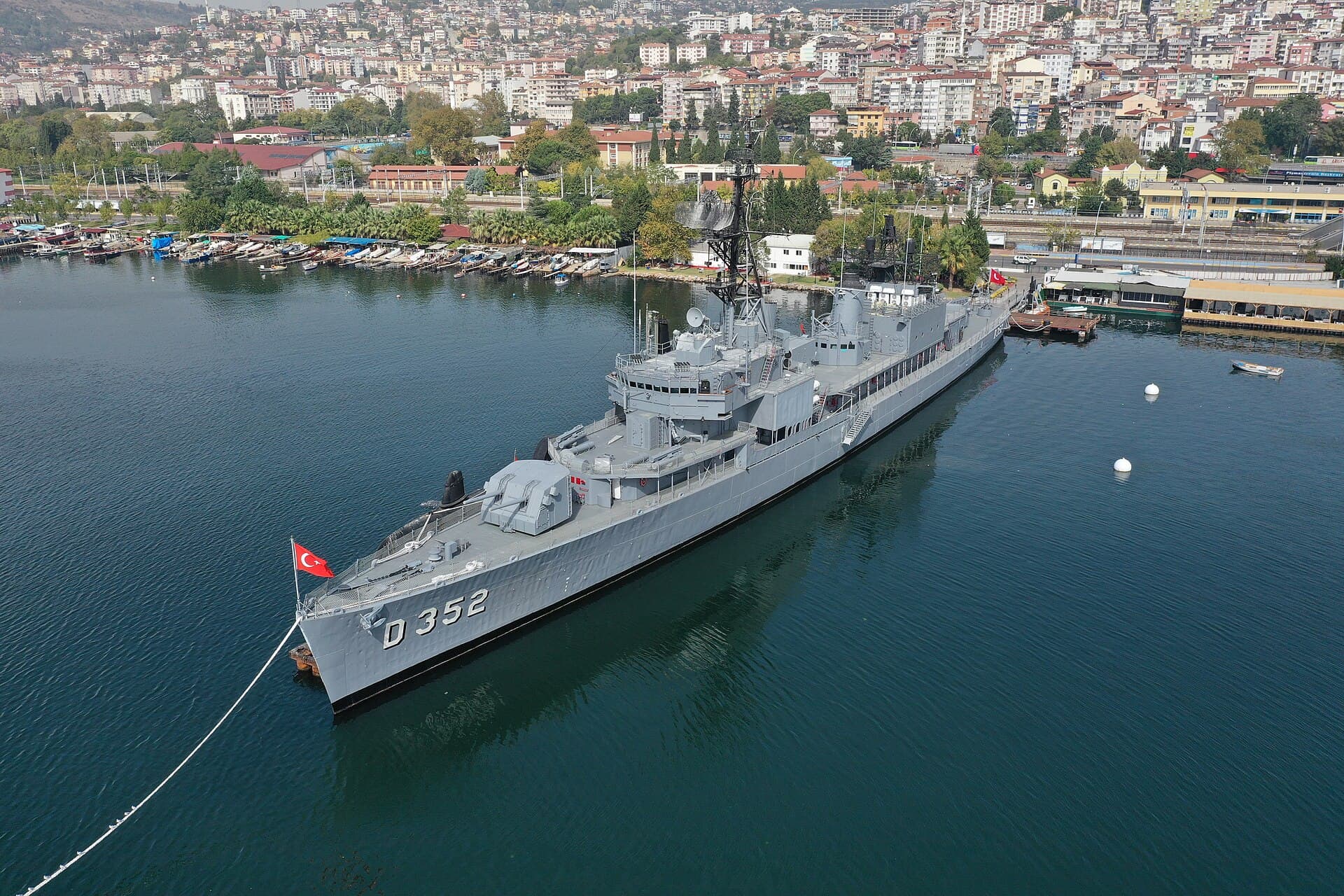 TCG Gayret Museum ShipThis destroyer slid into the water in Seattle in January 1946 as USS Eversole, e3 min walk
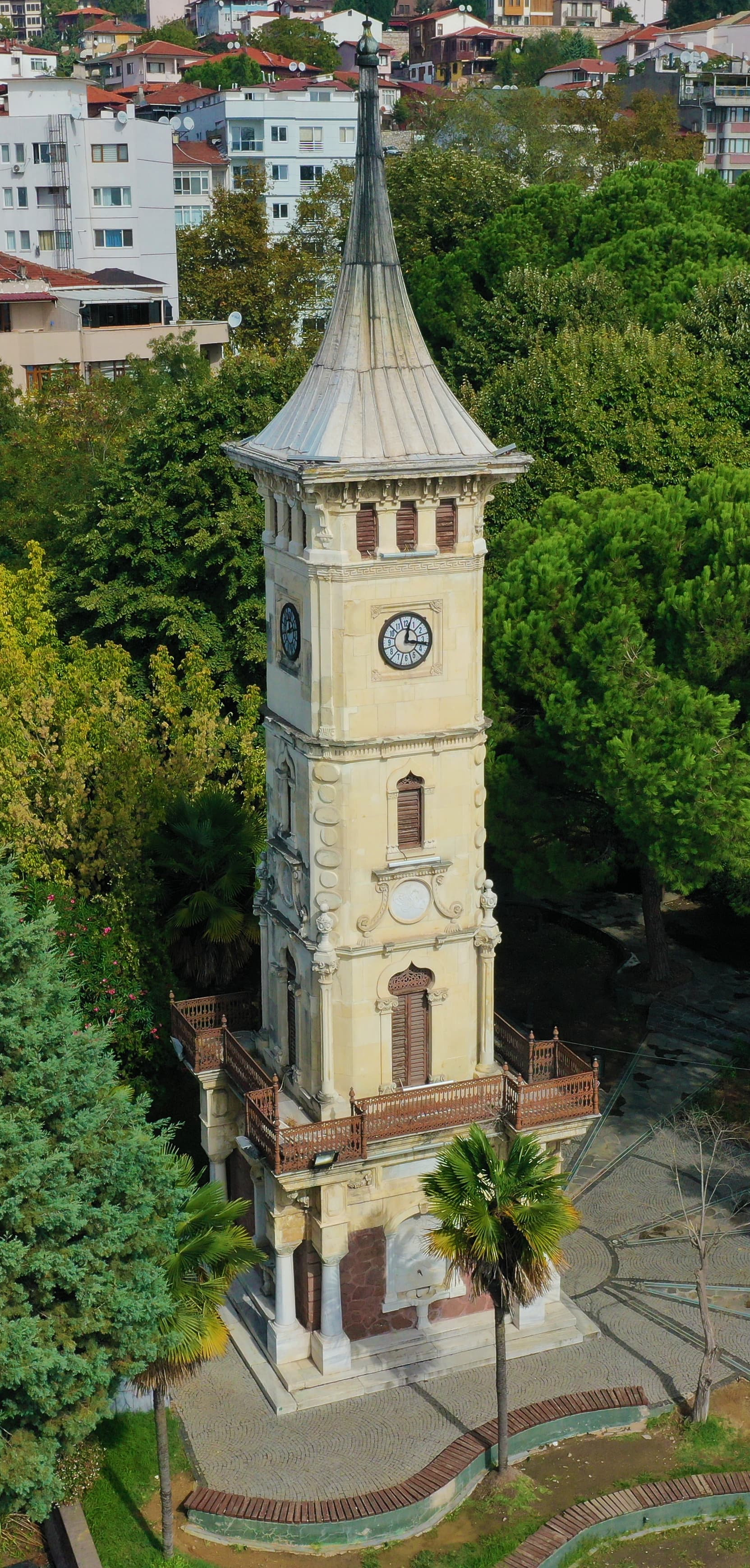 İzmit Clock TowerOn the morning of 17 August 1999 thousands of buildings in İzmit came down in un4 min walk
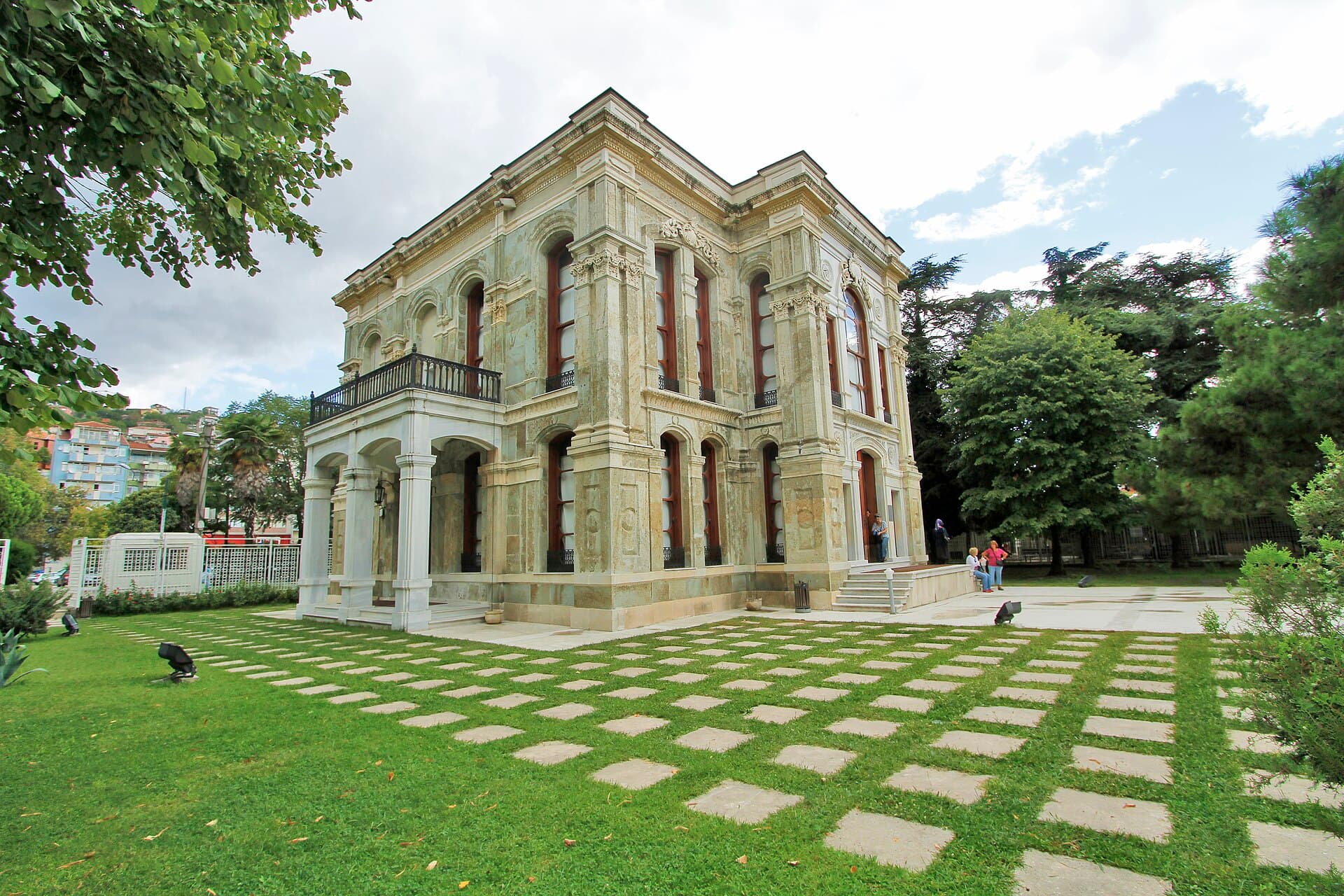 Kasr-ı Hümayun Palace MuseumThe museum bills this as the one small imperial palace the late Ottomans built o5 min walk
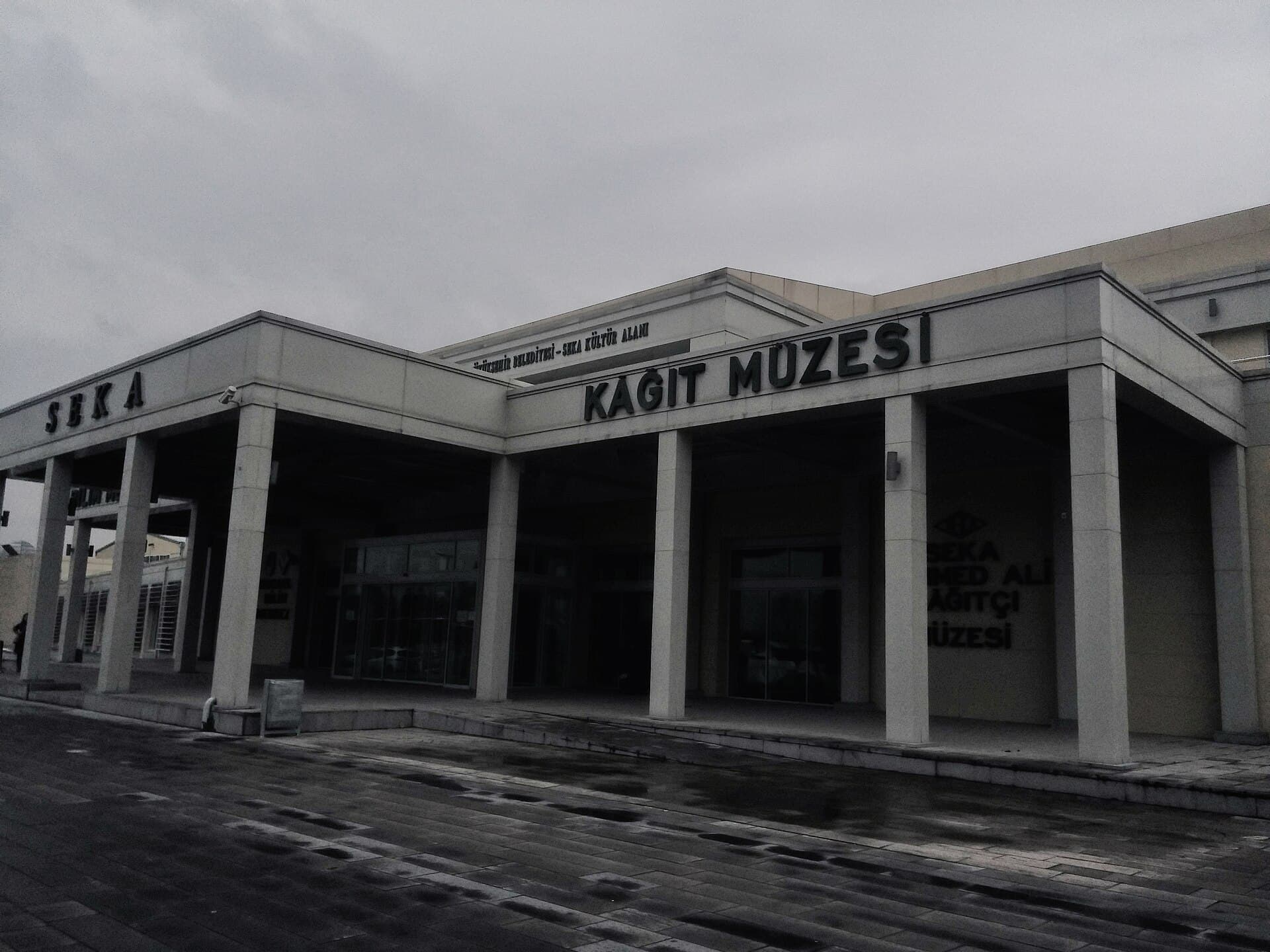 SEKA Paper MuseumThe first sheet of paper ever made in Turkey came off a machine in this building7 min walk
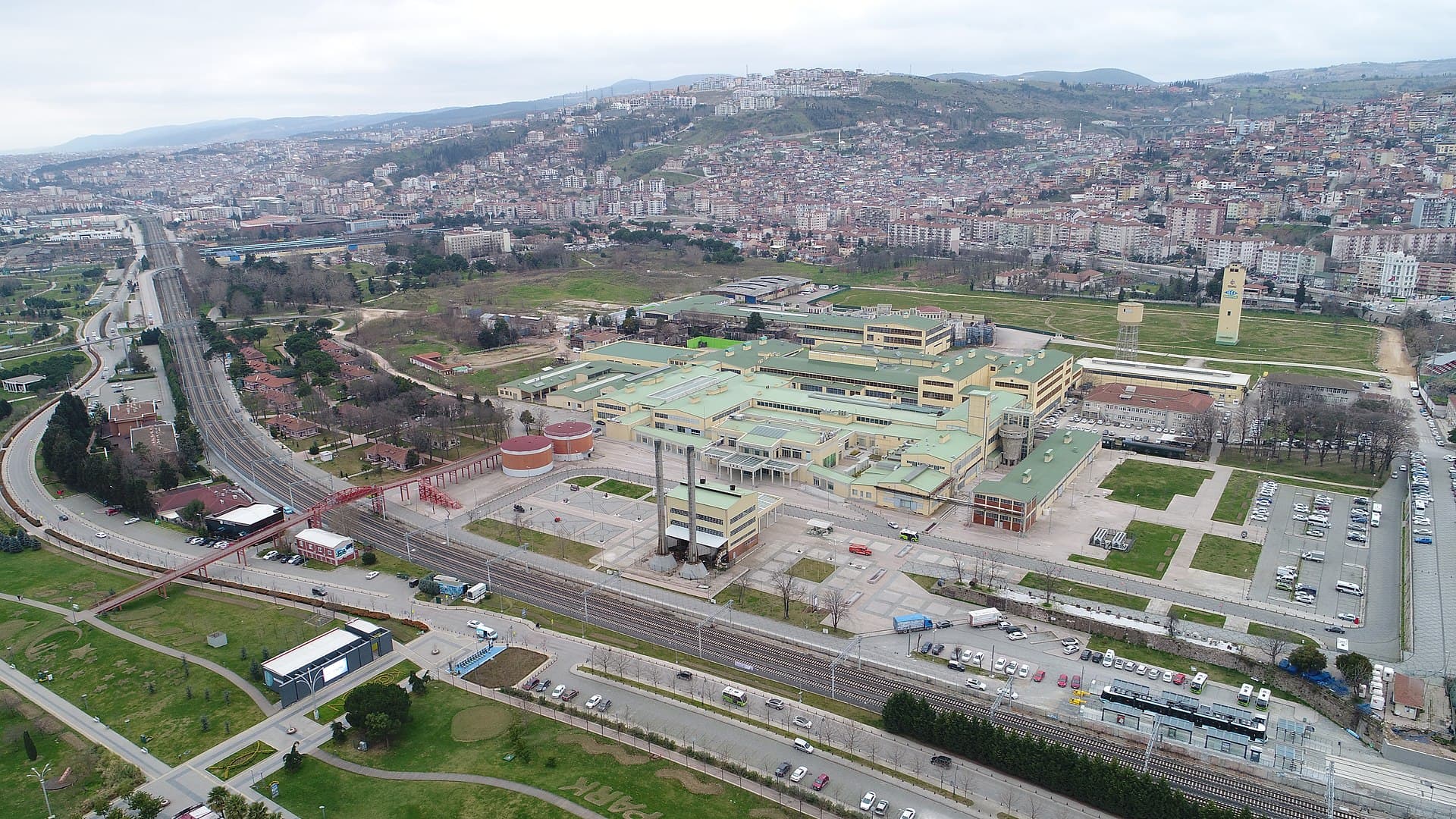 Kocaeli Science CenterIn a hall of the factory that made Turkey's first paper, the SEKA mill whose fou8 min walk
On its own, no. It is a modest museum done in an hour. As part of an İzmit day with the free paper museum, the two museum ships and the science centre, it becomes a good outing, especially in rain or when snow shuts the lake.
Reasonably: the statue garden is open and flat, the galleries are short and a pushchair passes easily. Younger children will enjoy the museum ships and the science centre a few minutes away far more.
Sign in to write your review of this place.
No reviews yet — be the first.