
The Verandah of Mecca
The archipelago's last pilgrim stop.
Si Gam Acèh — CC BY-SA 3.0 · Muhammad Iqbal — CC BY-SA 4.0 · Astari28 — CC BY-SA 4.0 · Si_Gam — CC BY-SA 3.0
The emblem of Aceh, the land Indonesians call the Verandah of Mecca because it was the archipelago's last stop for pilgrims before sailing to the Hijaz. The first mosque here rose under Sultan Iskandar Muda in 1612; the Dutch burned it in 1873 during their war on Aceh, when the Acehnese resisted from inside it, then rebuilt it between 1879 and 1881 hoping to calm their anger, and many Acehnese at first refused to pray in it because their enemy had built it. The white mosque with its black domes and minarets, in the Indo-Saracenic style, is now the pride of the whole city; it withstood the 2004 tsunami that destroyed much around it and became a refuge for survivors. Its broad marble courtyard has large umbrellas that open and close in the manner of those at the Prophet's Mosque in Medina, with a fountain and a pool reflecting the mosque. Entry is free, and the mosque serves daily and Friday prayers and fills with worshippers. Aceh applies Islamic law, so modest dress is expected throughout the city, and women must cover their hair inside the mosque; coverings are lent at the entrance to non-Muslim women. The finest time to visit is the sunset or night prayer, when the mosque is lit, or early morning when the courtyard is quiet. The Tsunami Museum and Gunongan park are minutes away.
The archipelago's last pilgrim stop.
A refuge for survivors in 2004.
Opening umbrellas over the marble court.
Central Banda Aceh
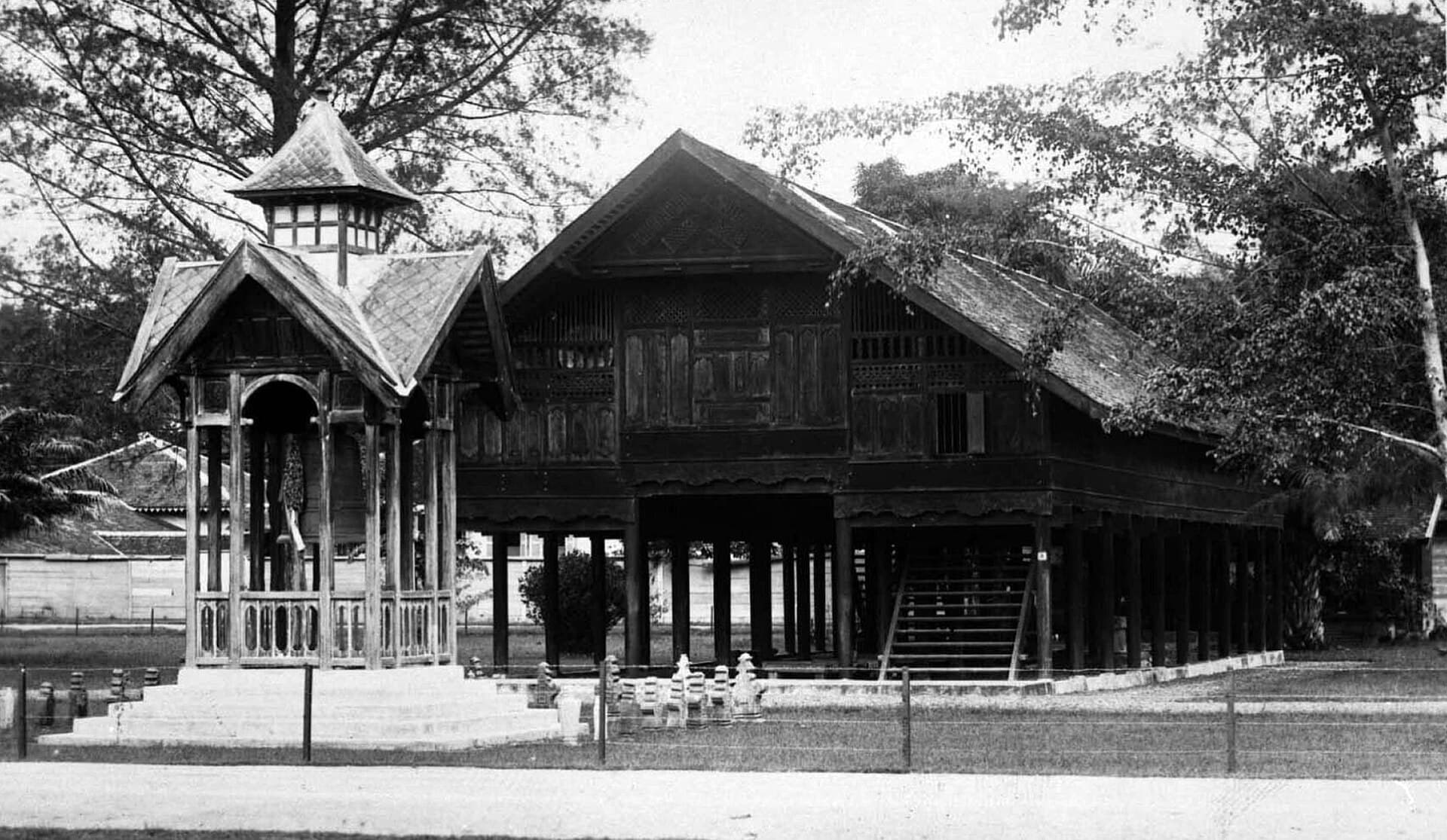 Aceh Museum and the Rumoh AcehOne of the oldest museums in Indonesia, which began as a traditional Acehnese ho8 minutes walk
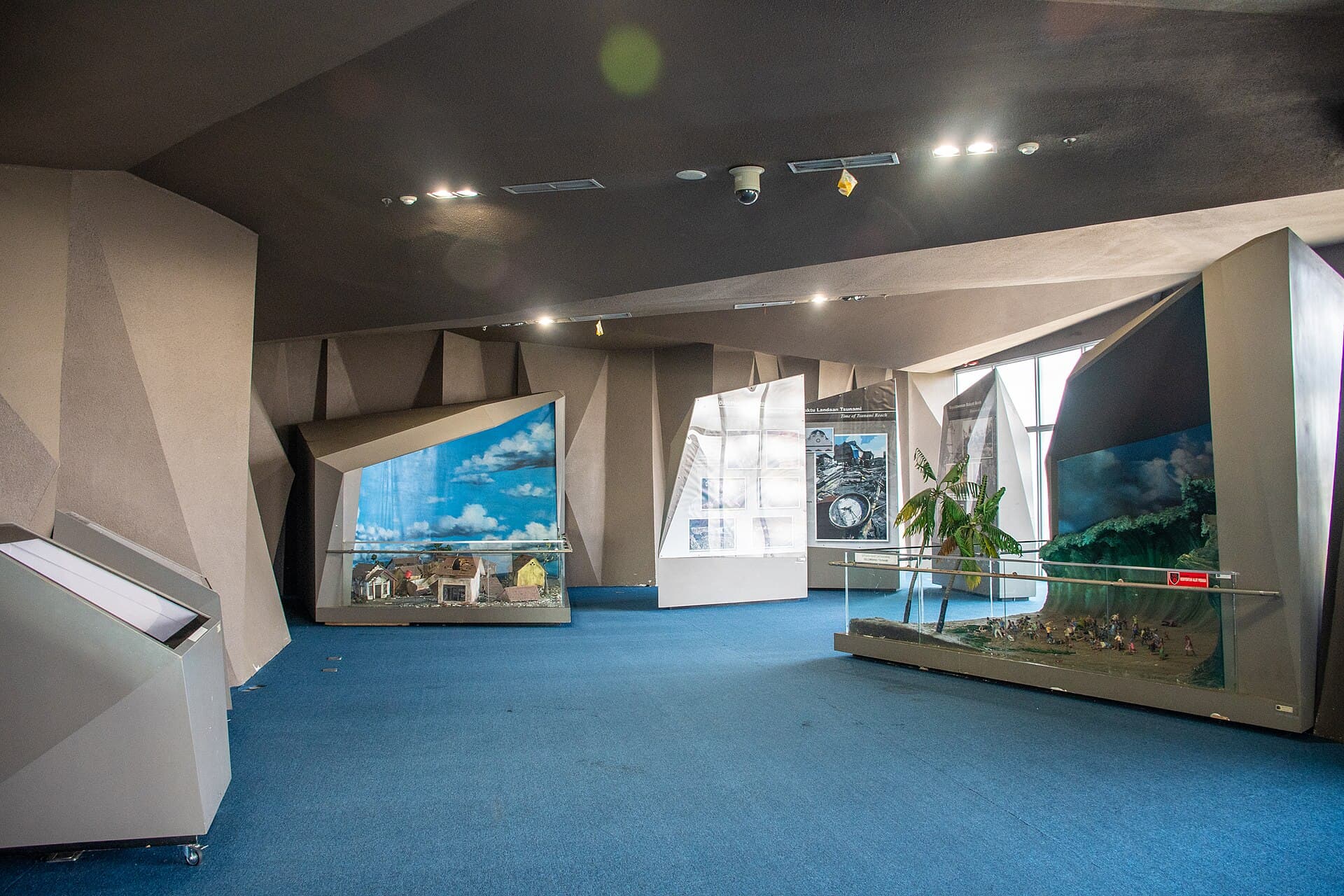 Aceh Tsunami MuseumA museum commemorating the Indian Ocean earthquake and tsunami of 26 December 208 minutes walk
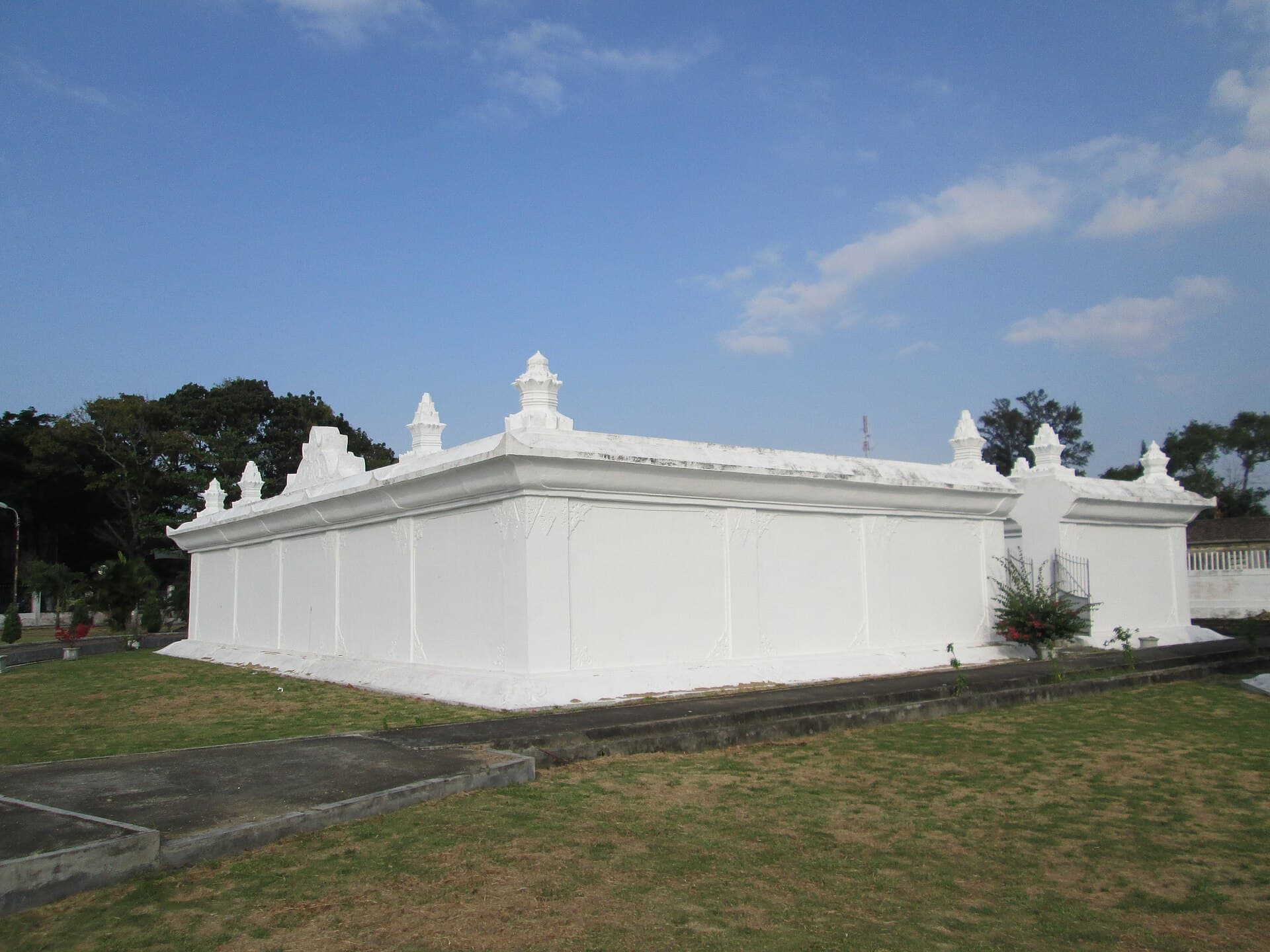 Gunongan Historical Park and Putroe PhangThe remains of a seventeenth-century royal garden, once known as the pleasure ga10 minutes walk
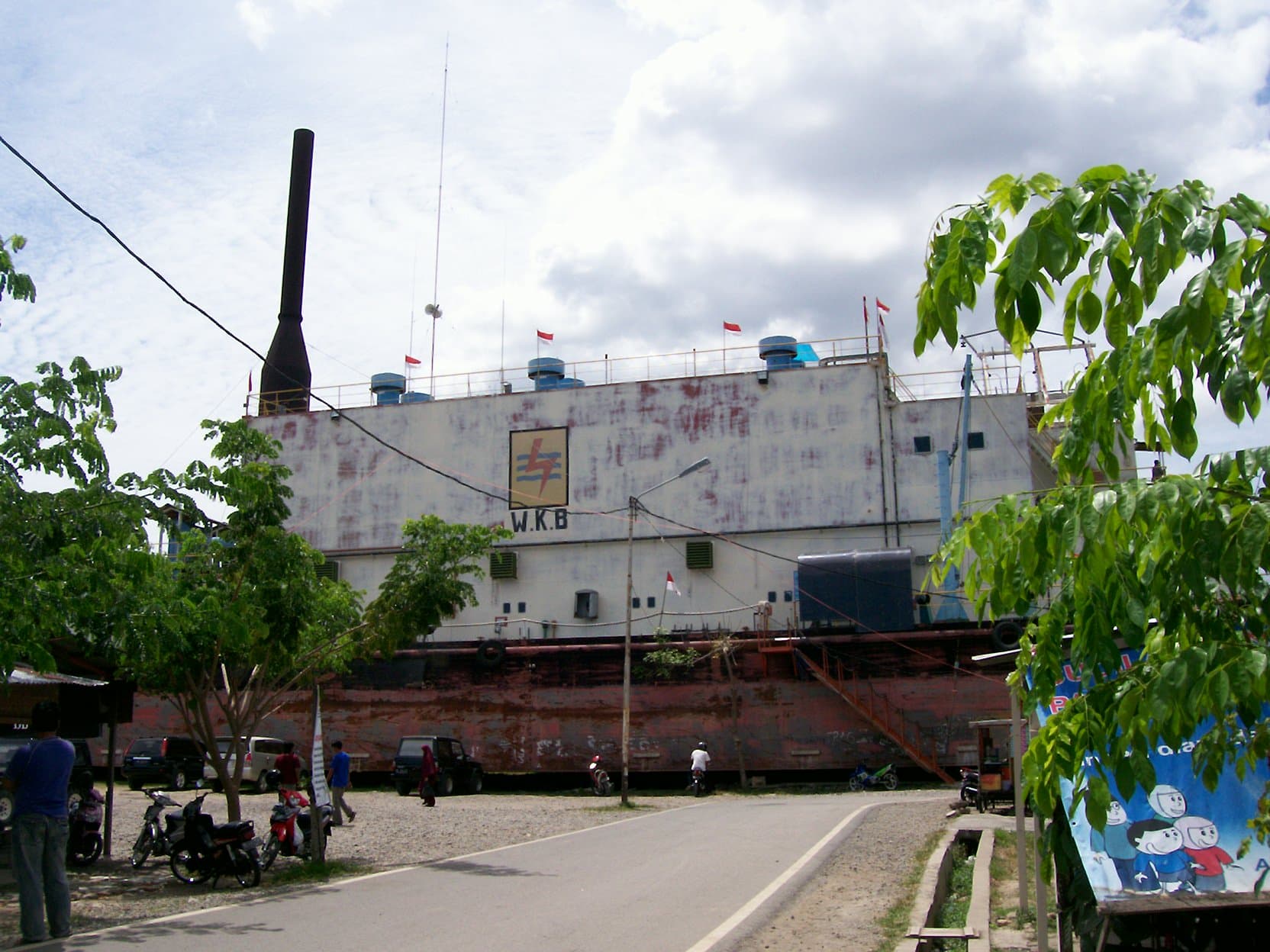 PLTD Apung 1 (the Tsunami Ship)A huge vessel of some twenty-six hundred tonnes, a floating power-generating bar18 minutes walk
Because for centuries it was the last port from which pilgrims of the Malay world sailed for the Hijaz, and because it was among the first places in Southeast Asia to embrace Islam, and among the most devoted.