The kingfisher's beak
It inspired the bullet train's nose.
Bayerisches Landesamt für Umwelt — CC BY-SA 4.0 · Bayerisches Landesamt für Umwelt — CC BY-SA 4.0
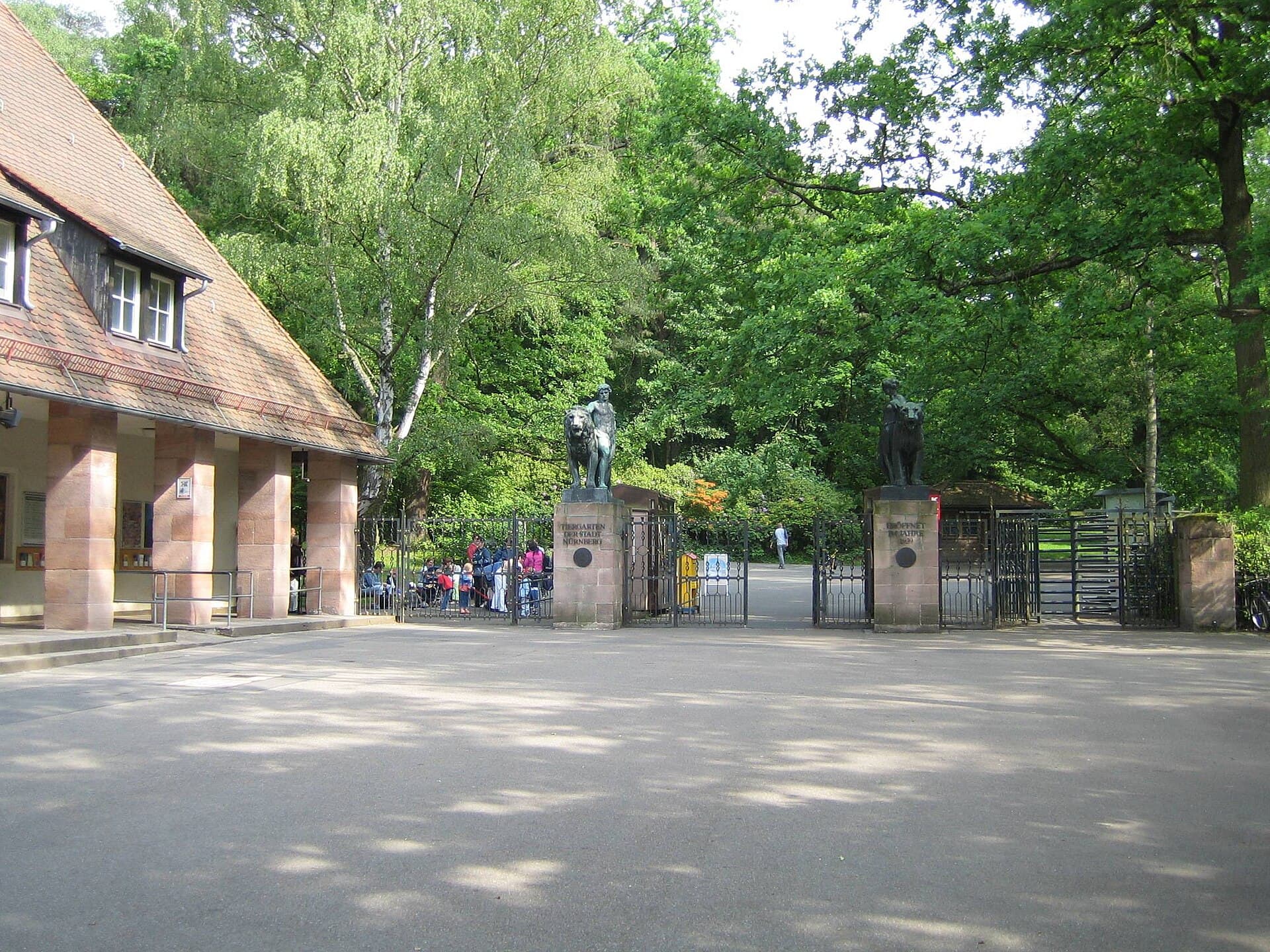
The Bionicum is an exhibition centre inside Nuremberg zoo devoted to a single subject: bionics — how engineers borrow their solutions from nature. The premise is that living organisms have solved engineering problems across millions of years of evolution, and that studying those solutions produces better technology. The examples are concrete: the lotus leaf surface that sheds water and dirt inspired self-cleaning coatings; the burdock hook inspired the invention of Velcro; shark skin inspired drag-reducing surfaces used on ships and in swimwear; and the kingfisher's beak inspired the nose shape of the Japanese bullet train to reduce noise. The displays are interactive and place the natural model directly beside the engineered application. Entry is free within the zoo ticket — meaning it is an addition rather than a separate destination, but it is among the cleverest things a child can see during a day at the zoo, and it works well for adults too.
It inspired the bullet train's nose.
A water-shedding surface behind self-cleaning coatings.
Am Tiergarten 30, 90480 Nuremberg
A field joining biology and engineering: it studies mechanisms evolved by living organisms and translates them into technical designs. What separates it from mere visual inspiration is that it analyses the physical principle behind the natural solution — why a shape reduces drag, why a surface sheds water — and then applies it in manufactured materials. Many of its results are in everyday use without our noticing.