
The Kitchen Bridge shot
From the neighbouring stone bridge you get the whole ornate upstream face reflected in the river - the postcard picture
Diliff — CC BY-SA 3.0 · bryan... — CC BY-SA 2.0 · bryan... — CC BY-SA 2.0 · bryan... — CC BY-SA 2.0
Cambridge's Bridge of Sighs shares exactly one trait with its Venetian namesake: a roof. Queen Victoria saw more than that when she visited St John's College in 1847, called it her favourite sight in Cambridge, and the name stuck. Until then it was simply the new bridge, drawn by Henry Hutchinson in Gothic Revival style and finished in 1831 to link Third Court with New Court across the River Cam. What genuinely sets it apart is that it is a fully enclosed corridor with traceried, unglazed windows fitted with iron bars - said to have been added to stop undergraduates sneaking back into college once the gates were locked at night, as much as to beautify the riverbank. The catch you should know before setting off: the bridge sits entirely inside the college, so you cannot see it from the street. For the classic view you pay St John's admission - GBP 17 for adults in the 2026 season (GBP 10 for children aged 12-16, under-12s free), entering through the Great Gate on St John's Street between 09:30 and 16:30. The ticket takes you through the old courts and the soaring chapel to the neighbouring Kitchen Bridge, which frames the best shot of the more richly carved upstream face. One thing to know: the covered bridge itself is reserved for college members, and visitors are asked not to walk across it - the view is the prize, not the crossing. The alternative most visitors choose is the water. Every punting tour leaving Quayside by Magdalene Bridge glides beneath it and pauses for photographs, and from river level the bridge looks bigger and more detailed than it does from above. A shared tour runs about 45 minutes, suits children well and costs roughly GBP 20-30 per person - the most enjoyable way to see it, if not the cheapest. An honest steer: the bridge on its own takes fifteen minutes, so the ticket only pays off if you explore the whole college. St John's shuts to tourists during exam season (roughly May to mid-June) and on event days, and can close at short notice, so check the official site the morning you go. The paths are uneven cobbles - a pushchair gets through, but not gracefully - and the walk from the railway station is about 30 minutes, or 15 by bus.
From the neighbouring stone bridge you get the whole ornate upstream face reflected in the river - the postcard picture
Punting tours from Quayside pause under the bridge, and from the water the Gothic tracery looks bigger and closer
The same ticket covers the chapel with its towering Victorian tower and the old courts, the first of them Tudor - the part that makes the fee worthwhile
St John's College, St John's Street, Cambridge CB2 1TP
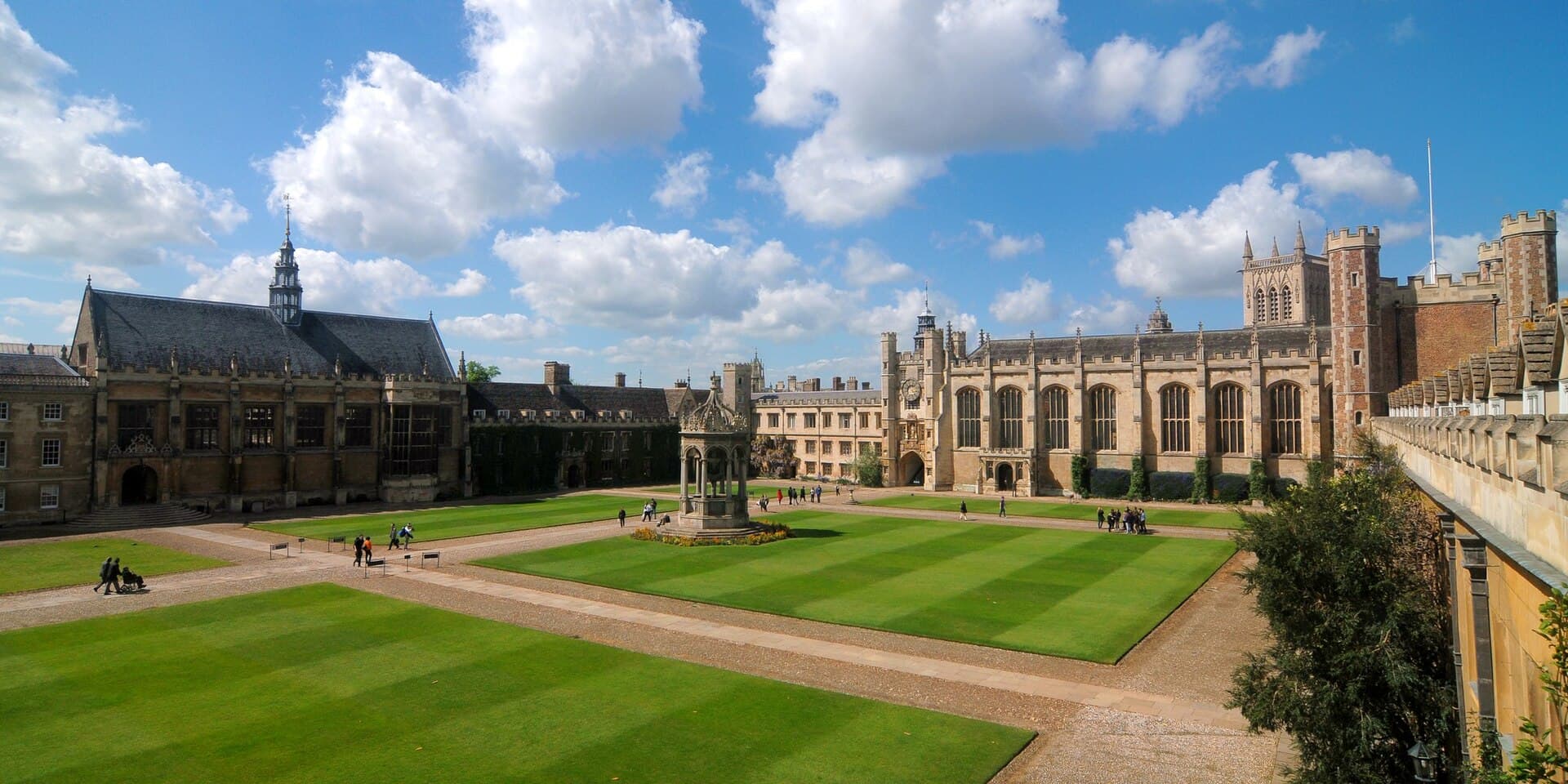 Trinity CollegeLook closely at Henry VIII above the Great Gate: in his right hand is a wooden c2 minutes walk4.9
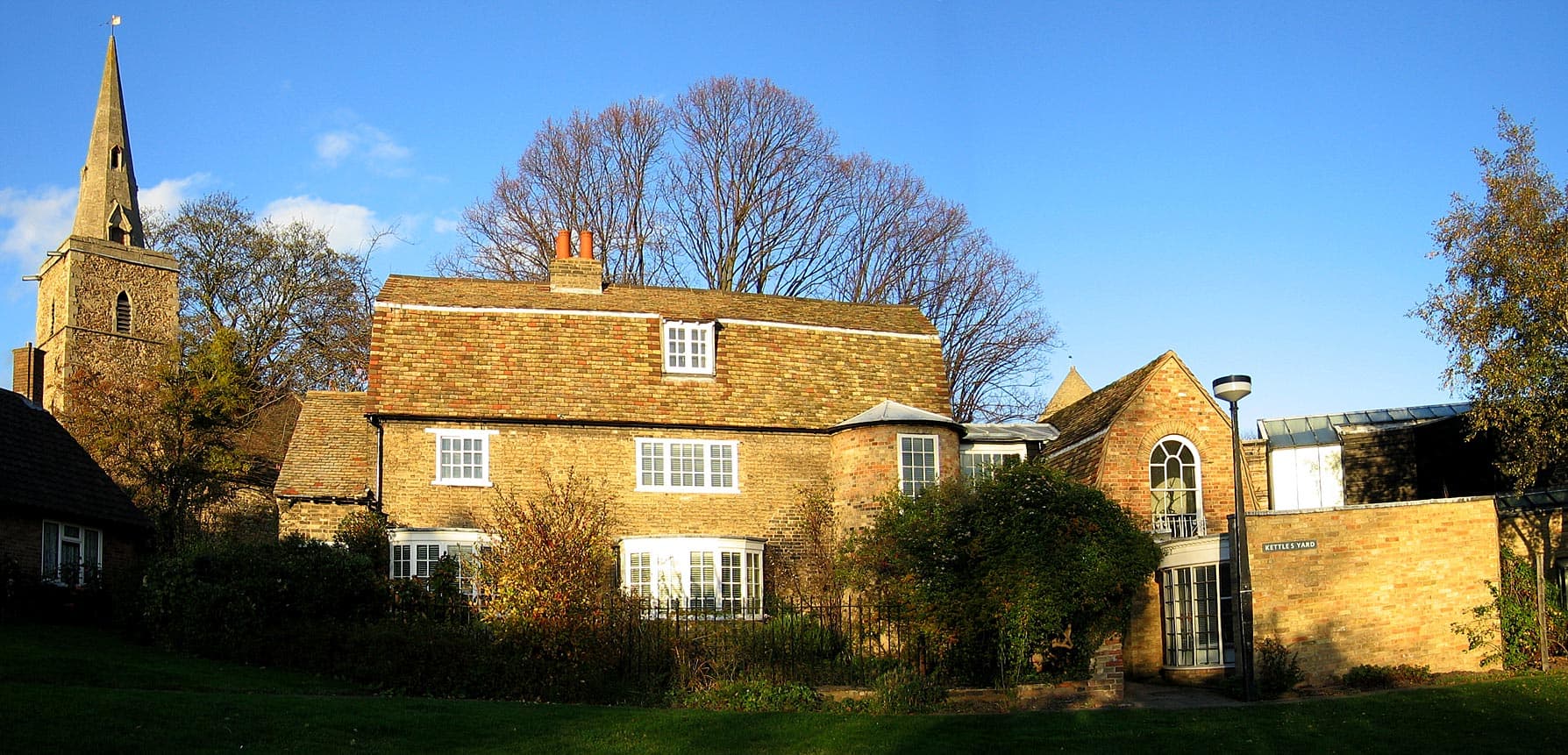 Kettle's YardOn a pewter dish in the sitting room sits a single lemon, replaced regularly for4 minutes walk4.7
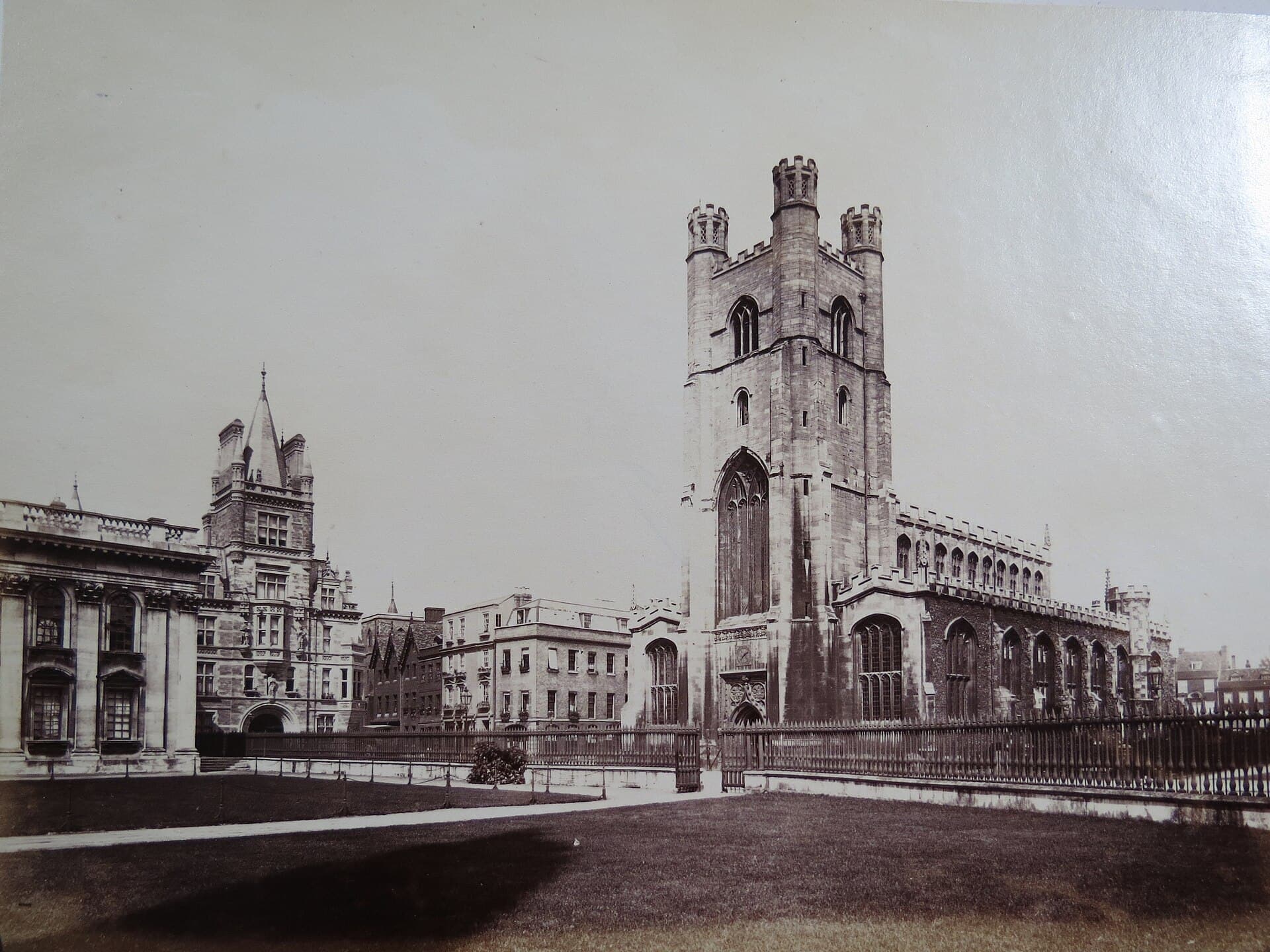 Great St Mary's ChurchThe tune the whole world knows as the Big Ben chimes was written for this tower,5 minutes walk4.7
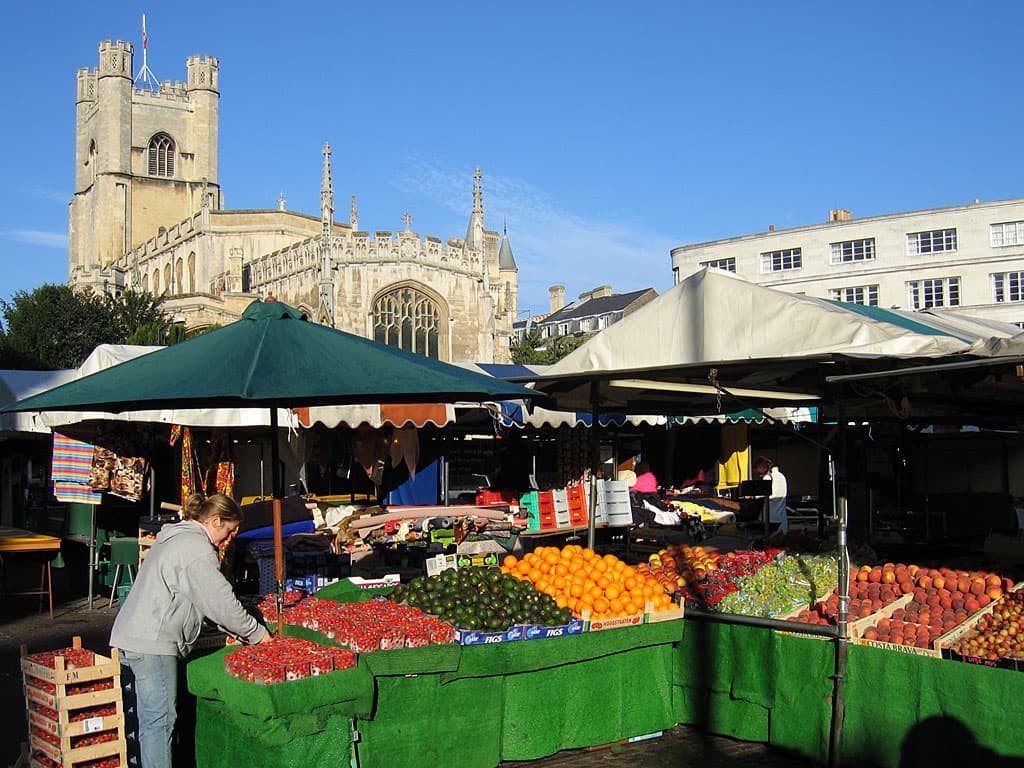 Cambridge Market SquarePeople have been buying and selling on this patch of ground since Saxon times, c5 minutes walk4.4
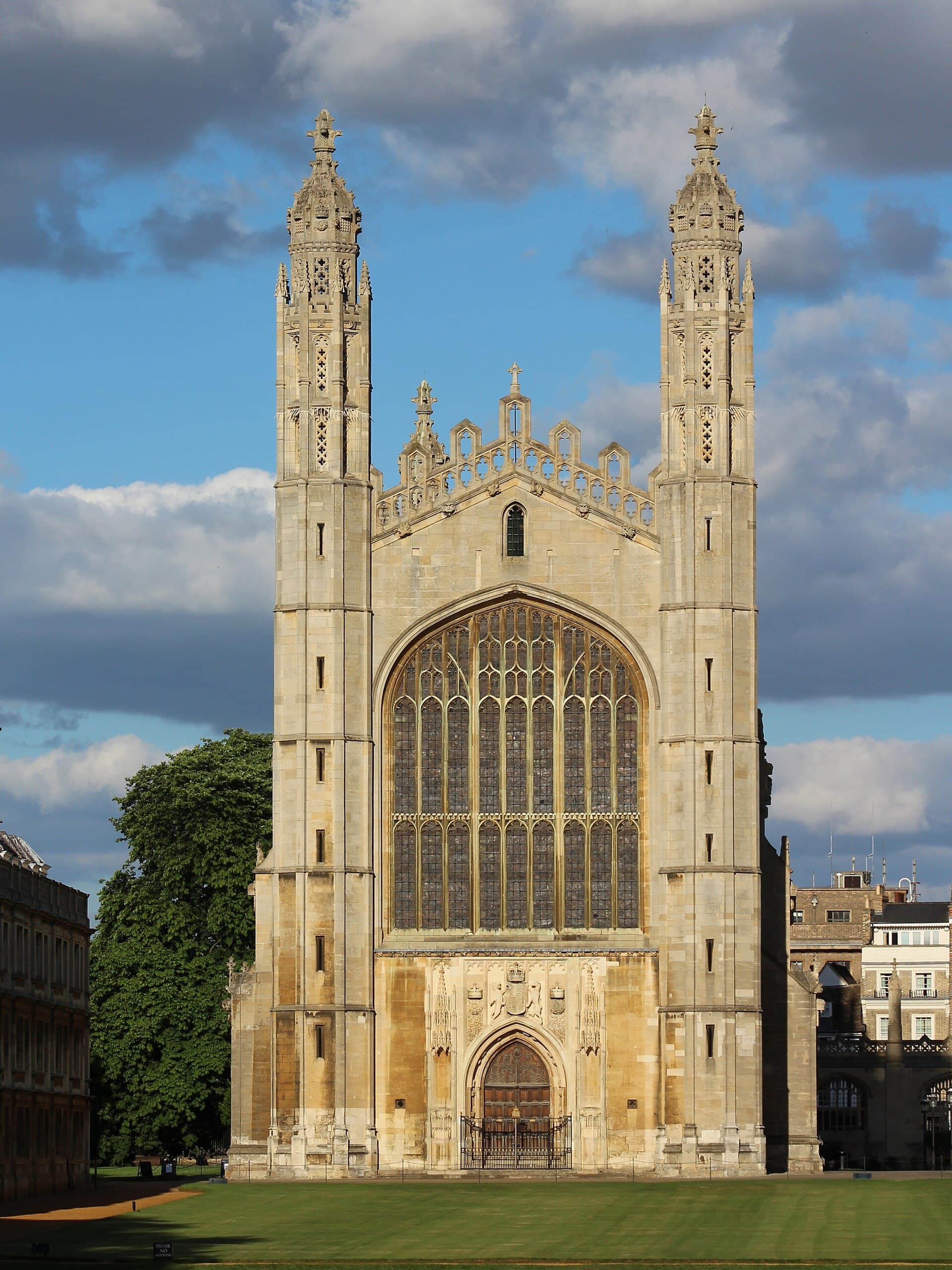 King's College ChapelLook up before anything else. The ceiling of King's College Chapel is the larges5 minutes walk4.6
Not really. It is tucked between college buildings and invisible from any public street, so it is either the St John's ticket or a punt on the river, and both cost money. If time is short, take the punt: you see it from the best angle and pass under half a dozen other bridges as well.
Not if the bridge is the sole aim. With young children, spend the money on a shared punt instead - they see it from the water and enjoy the ride. If your family likes history and architecture, the ticket covers the chapel and courts for a pleasant hour, and under-12s go free.