
The murals
Colour and symbols.
Antonio Schubert from Rio de Janeiro, Brasil — CC BY-SA 2.0 · Antonio Schubert from Rio de Janeiro, Brasil — CC BY-SA 2.0 · Antonio Schubert from Rio de Janeiro, Brasil — CC BY-SA 2.0 · Yoeztudioz — CC BY-SA 4.0
Callejón de Hamel is a short alley in Centro Habana covered in murals on every side. Walls painted red, blue and yellow carry faces, symbols and words, alongside sculptures made from old bathtubs, hand pumps and wheels. The Cuban artist Salvador González Escalona began painting the murals and building the sculptures here on 21 April 1990, using whatever objects and paints he could find, including car enamel. His style is described as Afro-Cuban, mixing surrealism, cubism and abstract art. Over the years the alley turned from a run-down street into a centre of Afro-Cuban culture, with workshops where children learn to paint. Escalona died in 2021. You walk the alley, seeing the murals and sculptures up close, and visit the small galleries. On Sundays there is rumba music and dance, and on Fridays Cuban music in the street. The alley is about 2.3 km in a straight line west of Old Havana. Some of the symbols carry religious meaning for local people, so treat them with respect, and ask before photographing people. The UK Foreign Office advises against all but essential travel to Cuba because of fuel, power and water shortages, so read the current advice before you plan.
Colour and symbols.
From scrap.
On Sundays.
Centro Habana, near the University of Havana
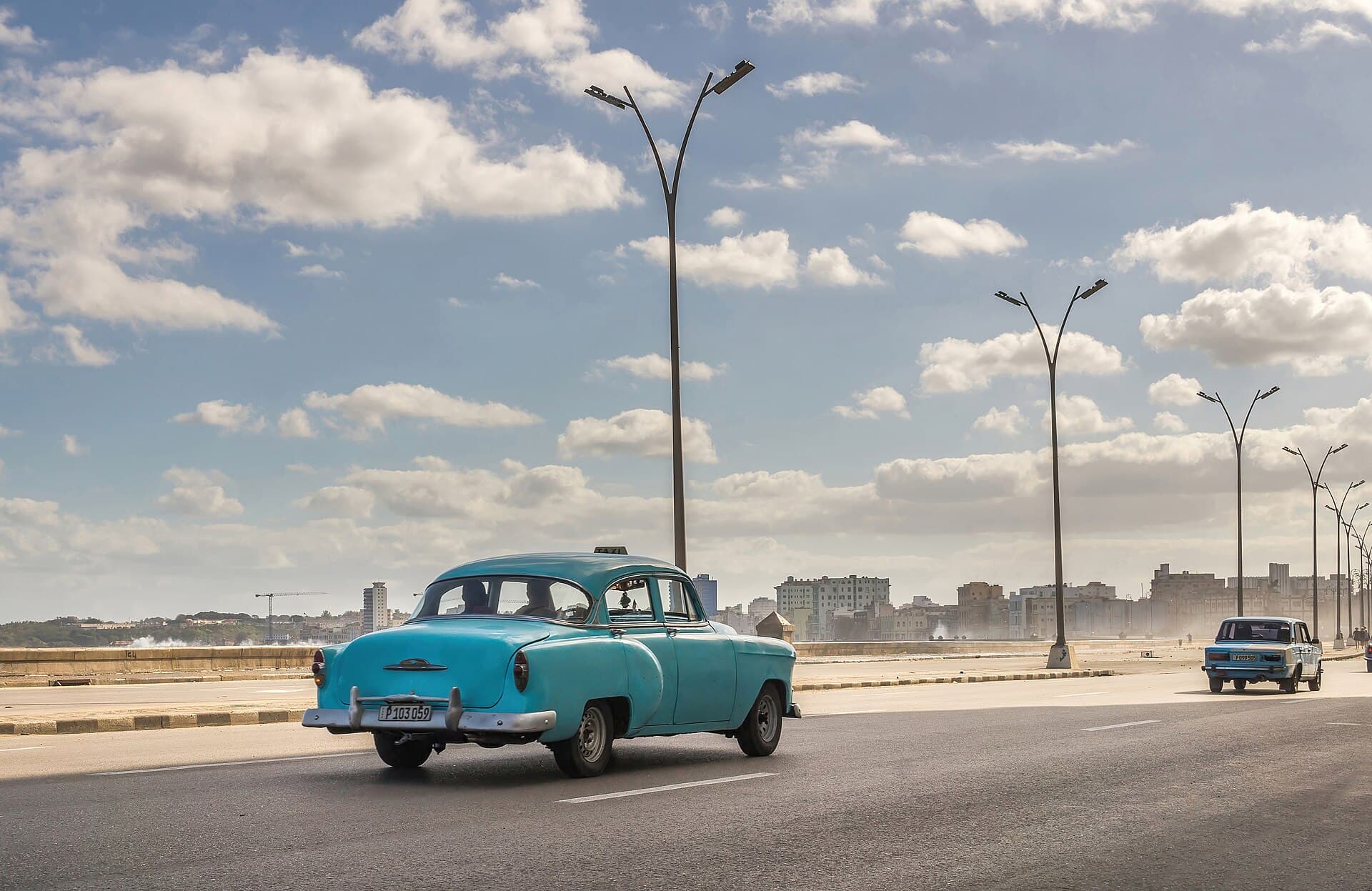 MalecónThe Malecón, officially Avenida de Maceo, is a broad road, esplanade and seawall12 minutes walk
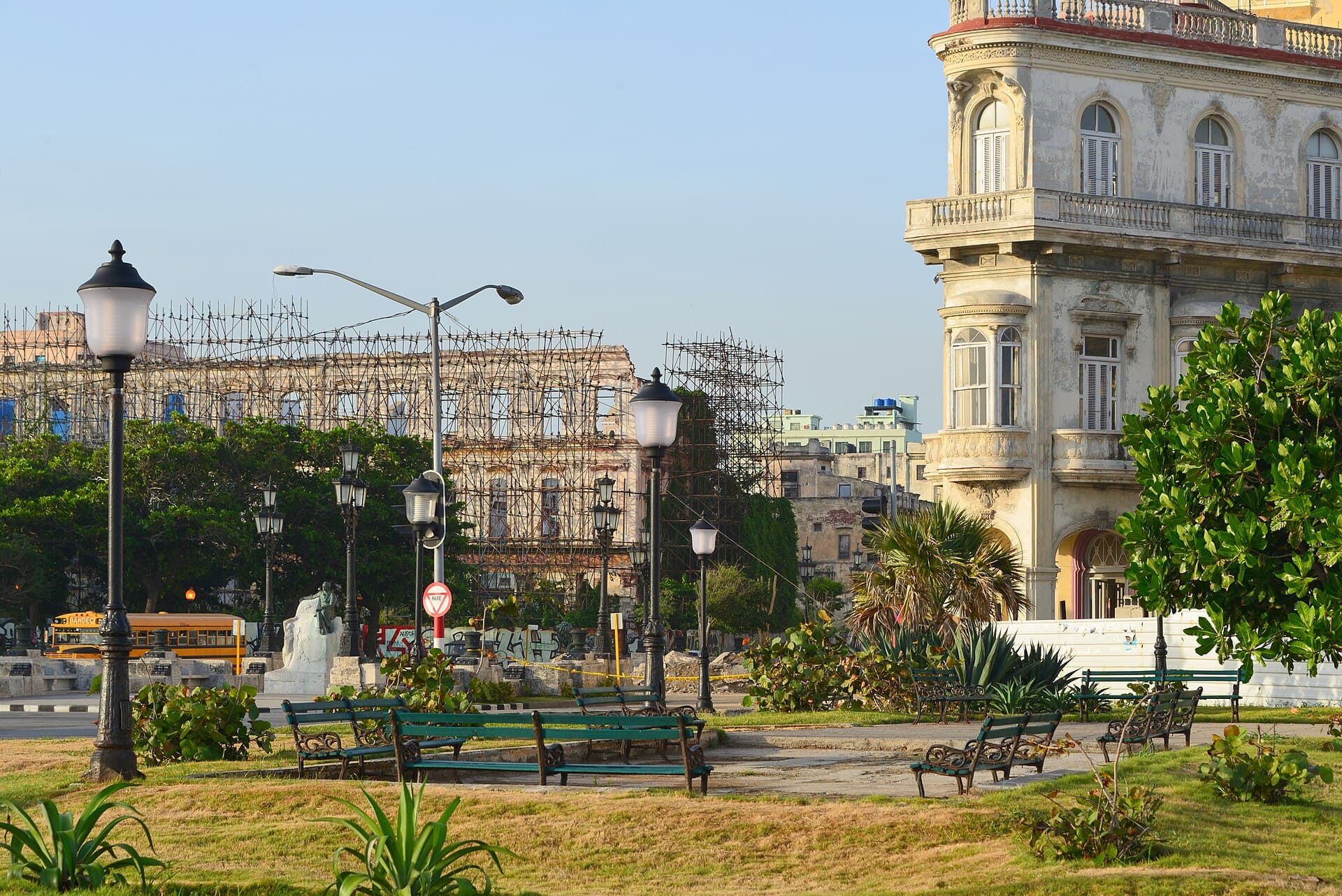 Paseo del PradoPaseo del Prado is a broad promenade in central Havana that runs from the Malecó21 minutes walk
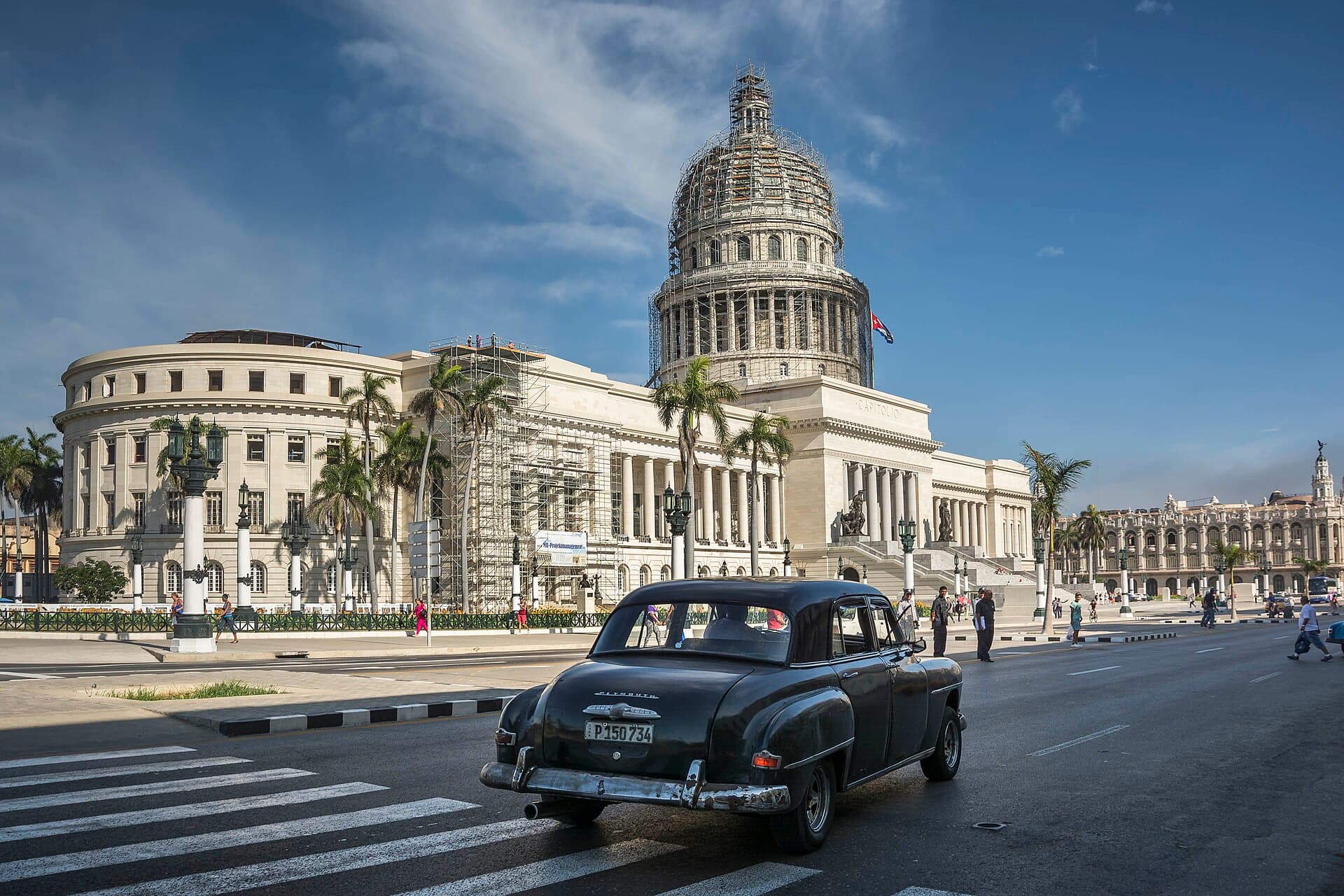 National CapitolThe National Capitol, known as El Capitolio, is a huge public building in centra21 minutes walk
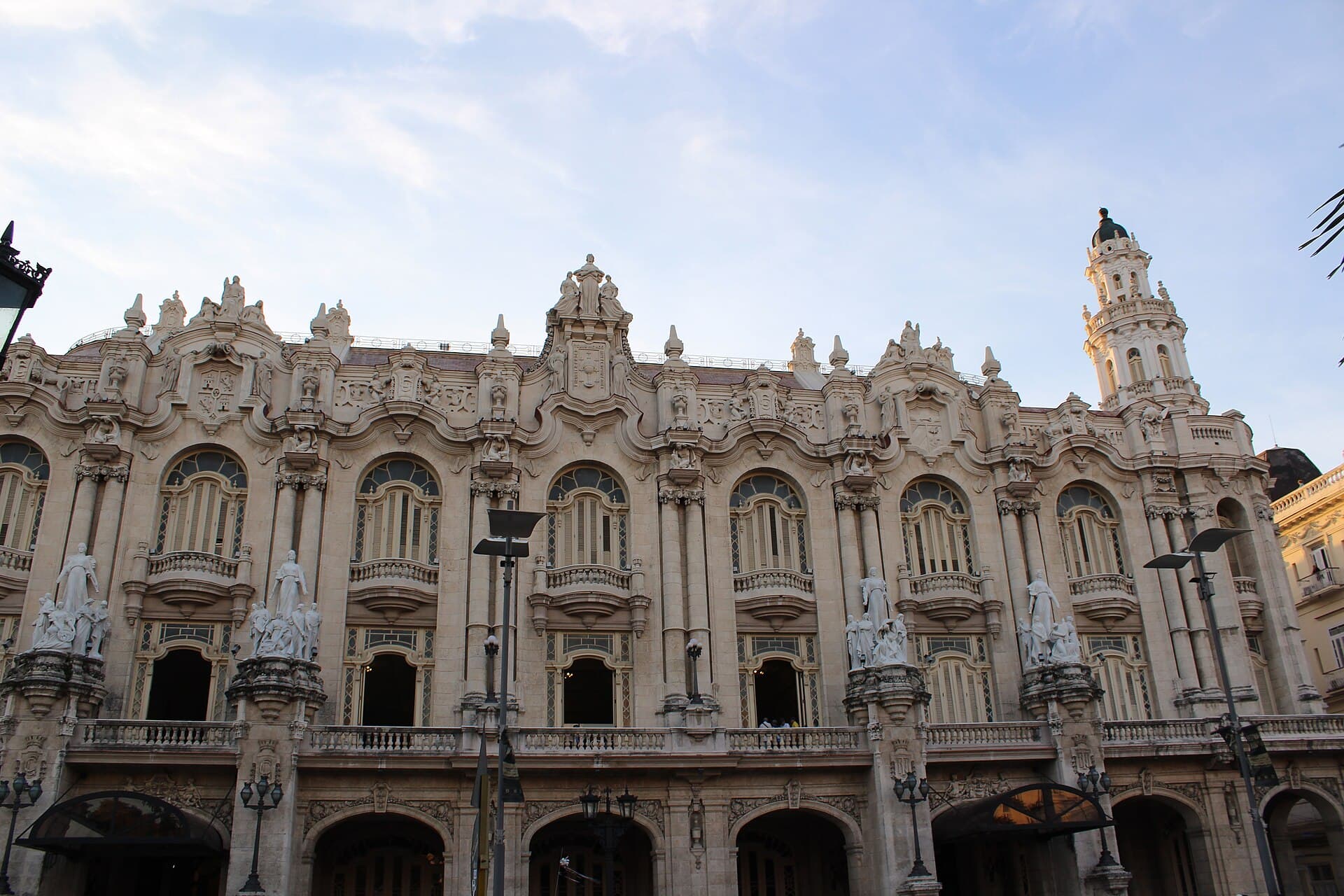 Gran Teatro de La HabanaThe Gran Teatro de La Habana is a grand, ornate building on the Paseo del Prado 22 minutes walk
On Sunday, for the rumba.
Ask first.