
The tunnels
Echoing footsteps.
Mariordo (Mario Roberto Durán Ortiz) — CC BY-SA 4.0 · Dr. Thomas Liptak — CC BY-SA 4.0 · Mariasolano2000 — CC BY-SA 4.0 · Laslovarga — CC BY-SA 4.0
A huge stone fortress on San Lázaro hill overlooking Cartagena, begun by the Spanish in the seventeenth century and enlarged in stages until it became one of the largest fortresses Spain built in its colonies. It guarded the city, one of the empire's most important ports, against attacks by land and sea. Its most famous moment was the siege of 1741, when a huge British fleet attacked the city and the fortress held out under the Spanish commander Blas de Lezo, and the assault failed. It is part of the group of forts and walls on UNESCO's list. You climb sloping stone ramps built at angles that made them hard for cannon to hit, walk the platforms among old cannons, then go down into narrow, dark tunnels beneath the fortress, designed so that any intruder's footsteps would echo. From the top there are wide views over the old town, the modern towers and the sea. The sun is very strong and shade scarce, so early morning is best. The tunnels are narrow and low, so not for anyone uneasy in tight spaces.
Echoing footsteps.
Angled against cannon.
City and sea.
San Lázaro hill, east of the Walled City, about 20 minutes' walk from the Clock Tower
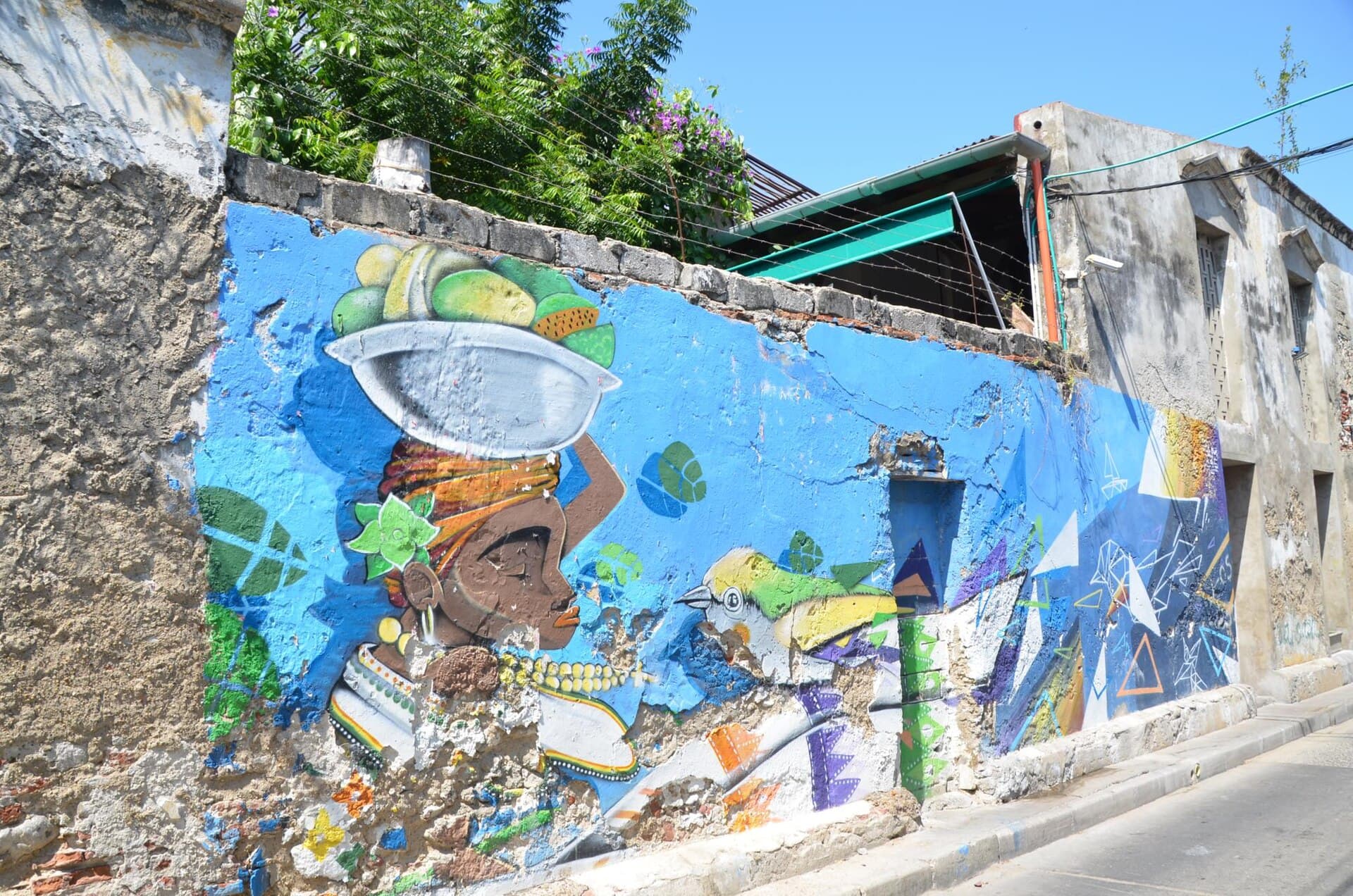 GetsemaníAn old neighbourhood right beside the Walled City, historically the district of 10 minutes walk
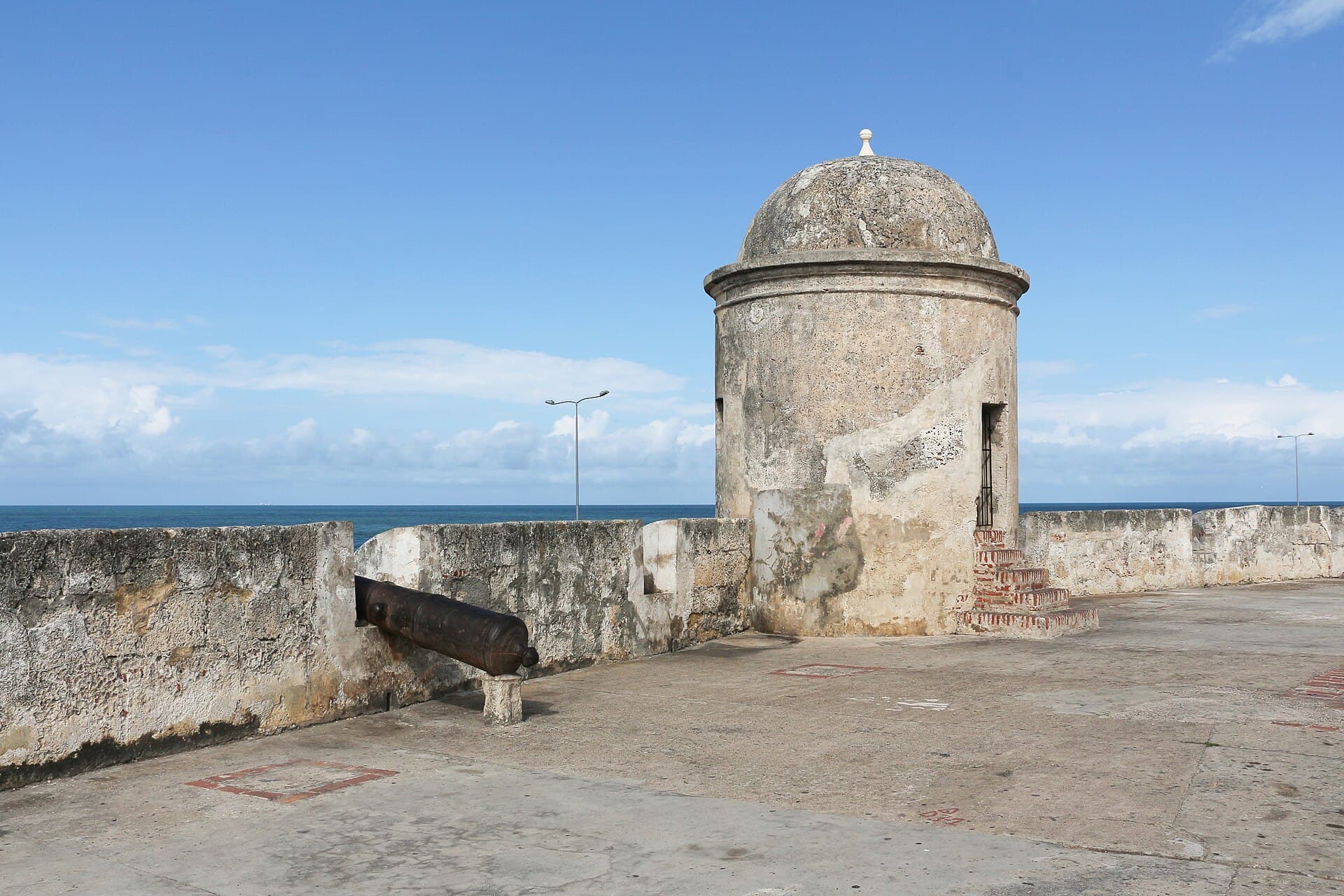 The City Walls and BastionsBroad stone walls ringing the old town for several kilometres, built by the Span12 minutes walk4.7
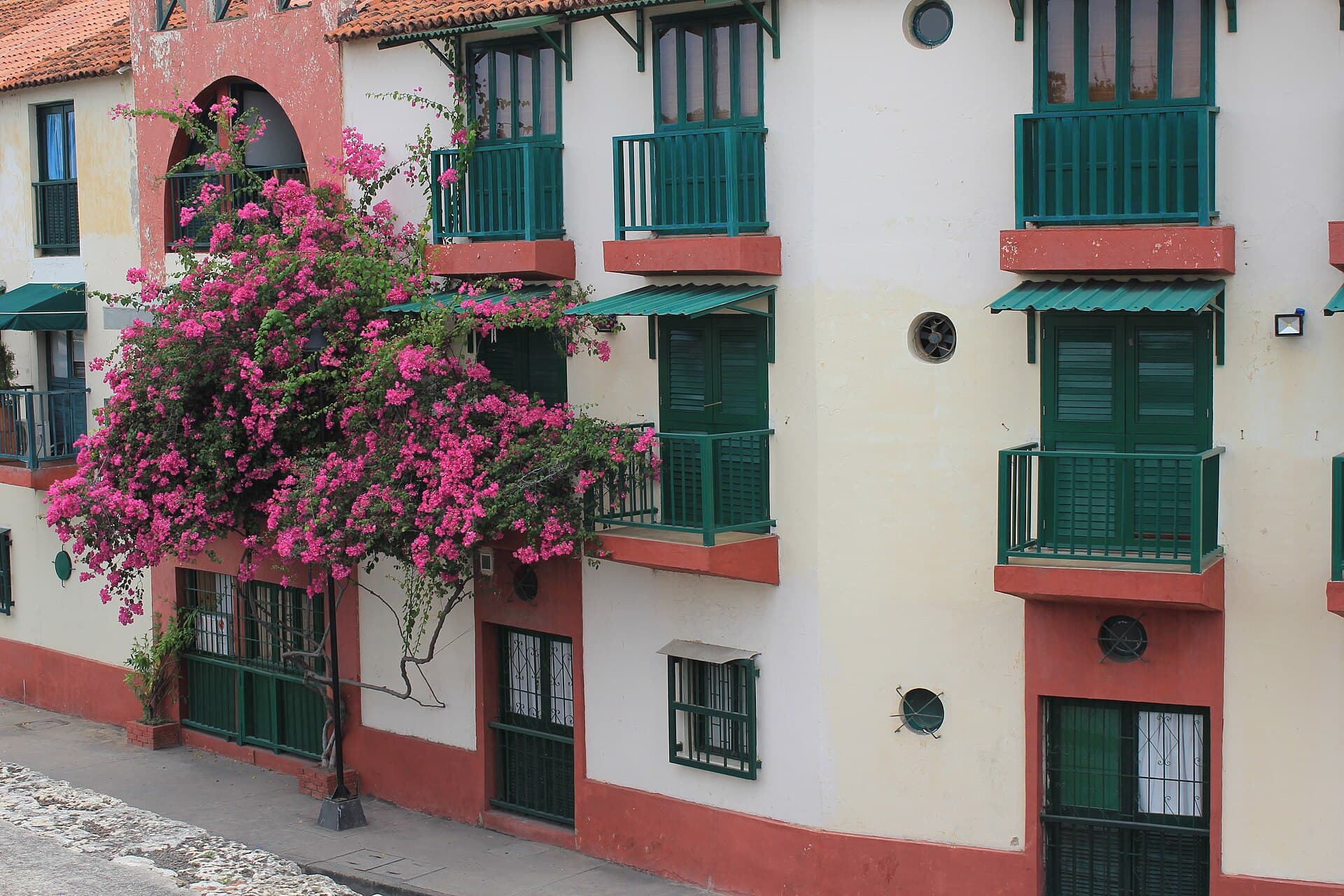 The Walled CityThe colonial heart of Cartagena on the Caribbean, a whole old town inside stone 14 minutes walk4.8
Early morning at opening, as the midday sun is fierce and shade scarce. A visit takes about an hour and a half to two hours.