
Calle Sarandí
Cafés and crafts.
Intendencia de Montevideo — CC BY-SA 4.0 · JacobinoWunsh — CC BY-SA 4.0 · Felipe Restrepo Acosta — CC BY-SA 4.0 · Felipe Restrepo Acosta — CC BY-SA 4.0
Montevideo's oldest district, on a small peninsula between the bay and the wide river, where the city was founded in the eighteenth century. Its straight streets all end at the water, lined with colonial buildings and elegant nineteenth- and early-twentieth-century façades in Art Nouveau and Art Deco styles. Its heart is pedestrian Calle Sarandí, running from the Puerta de la Ciudadela to the leafy Plaza Matriz with its fountain, between cafés, craft shops, bookshops and artists' stalls. The district has many museums: the Torres García art museum, historic houses and the Carnival Museum near the port. It is calm and pleasant to walk by day, full of murals, old wooden doors and iron balconies, and ends in the west at the port and the Mercado del Puerto. Some side streets empty out at night, so take a taxi after dark. Montevideo is fairly calm, but watch your belongings in the old town at night and in crowded spots.
Cafés and crafts.
Fountain and trees.
Art Deco and Nouveau.
Western peninsula of central Montevideo
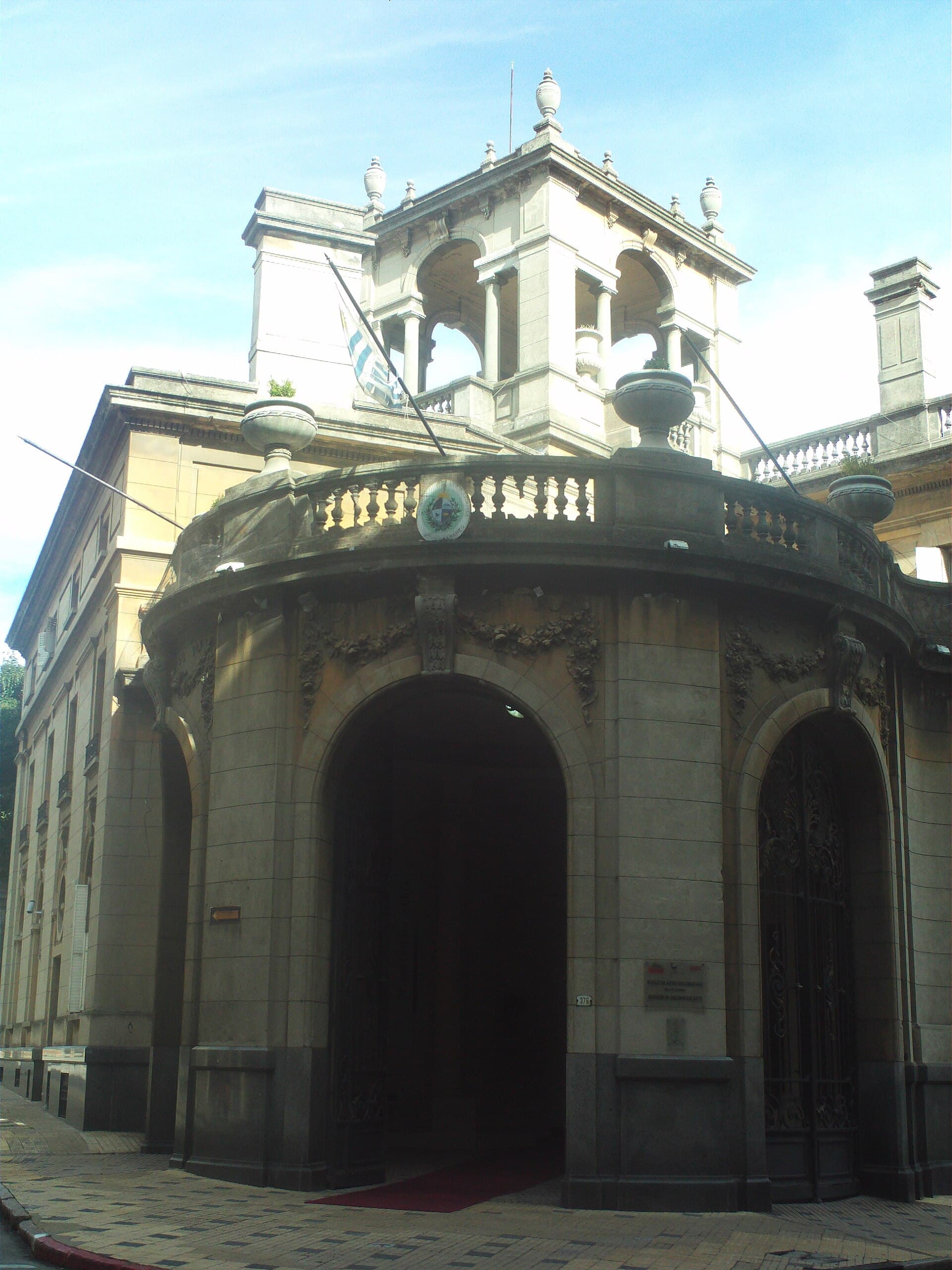 Palacio Taranco (Museum of Decorative Arts)An elegant French-style palace in the old town, built between 1908 and 1910 for 3 minutes walk4.8
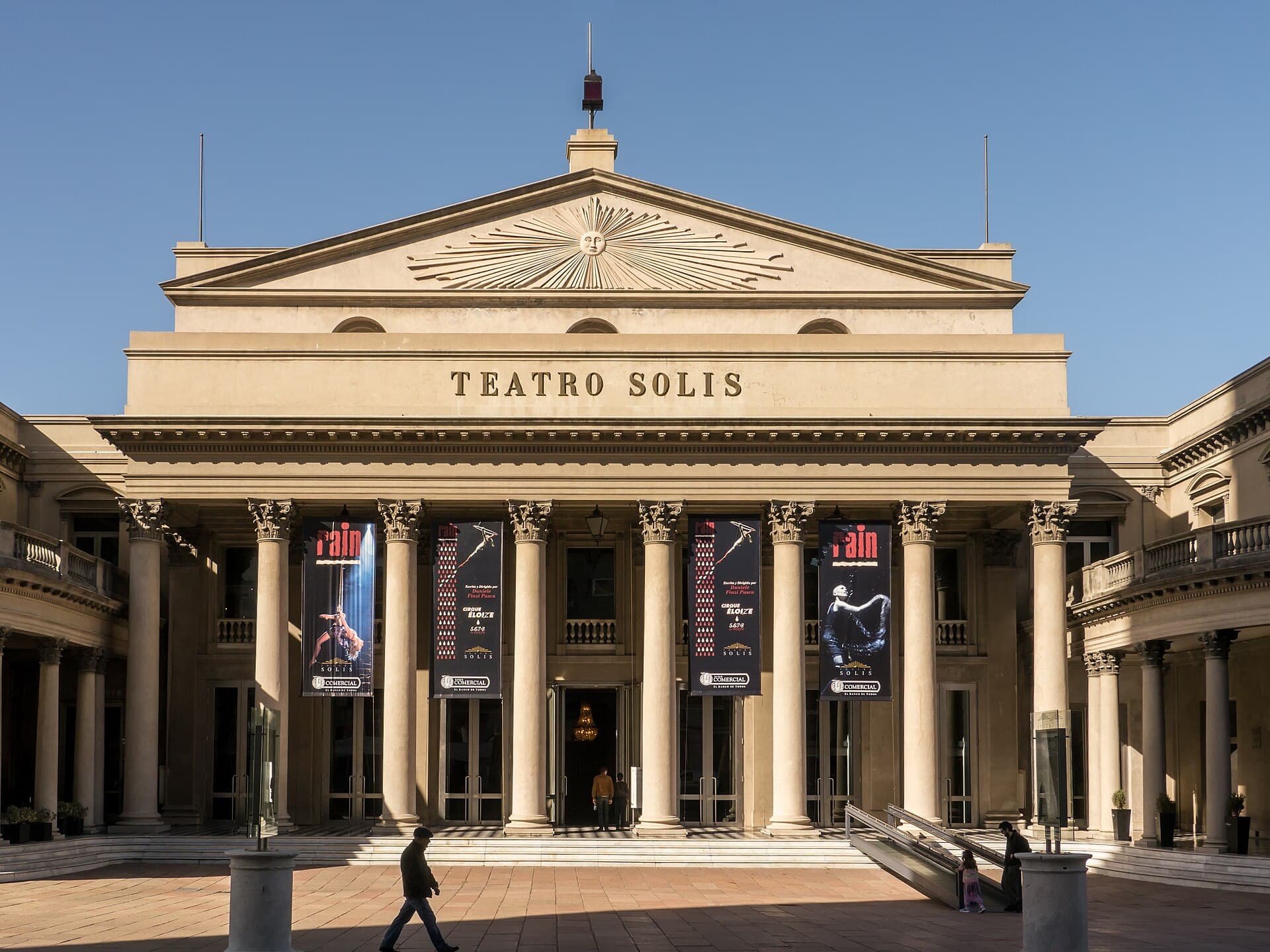 Teatro SolísUruguay's leading theatre and one of South America's oldest, opened in 1856, wit6 minutes walk4.7
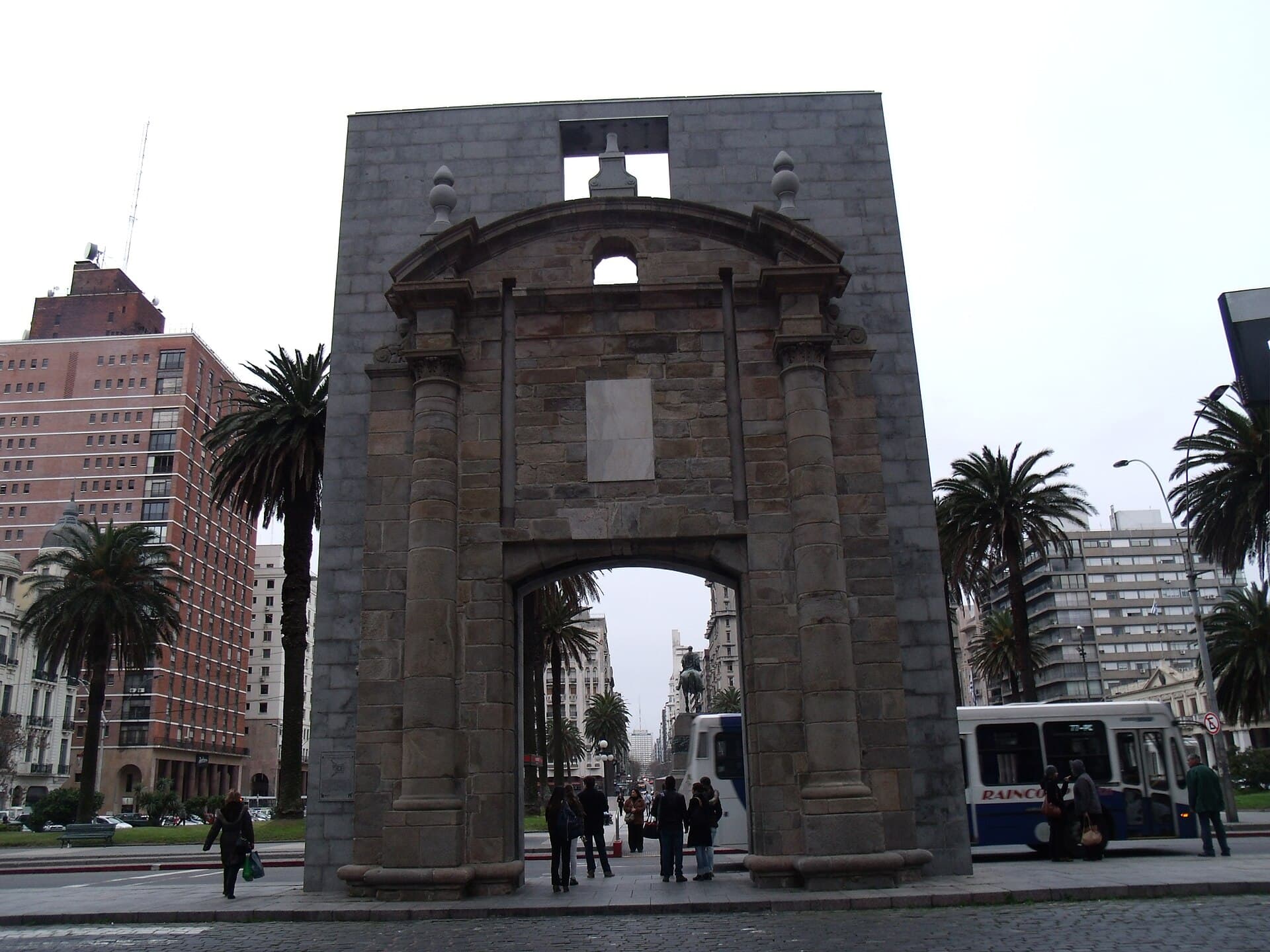 Puerta de la CiudadelaA massive stone gateway, the last surviving piece of the Spanish citadel that gu7 minutes walk4.5
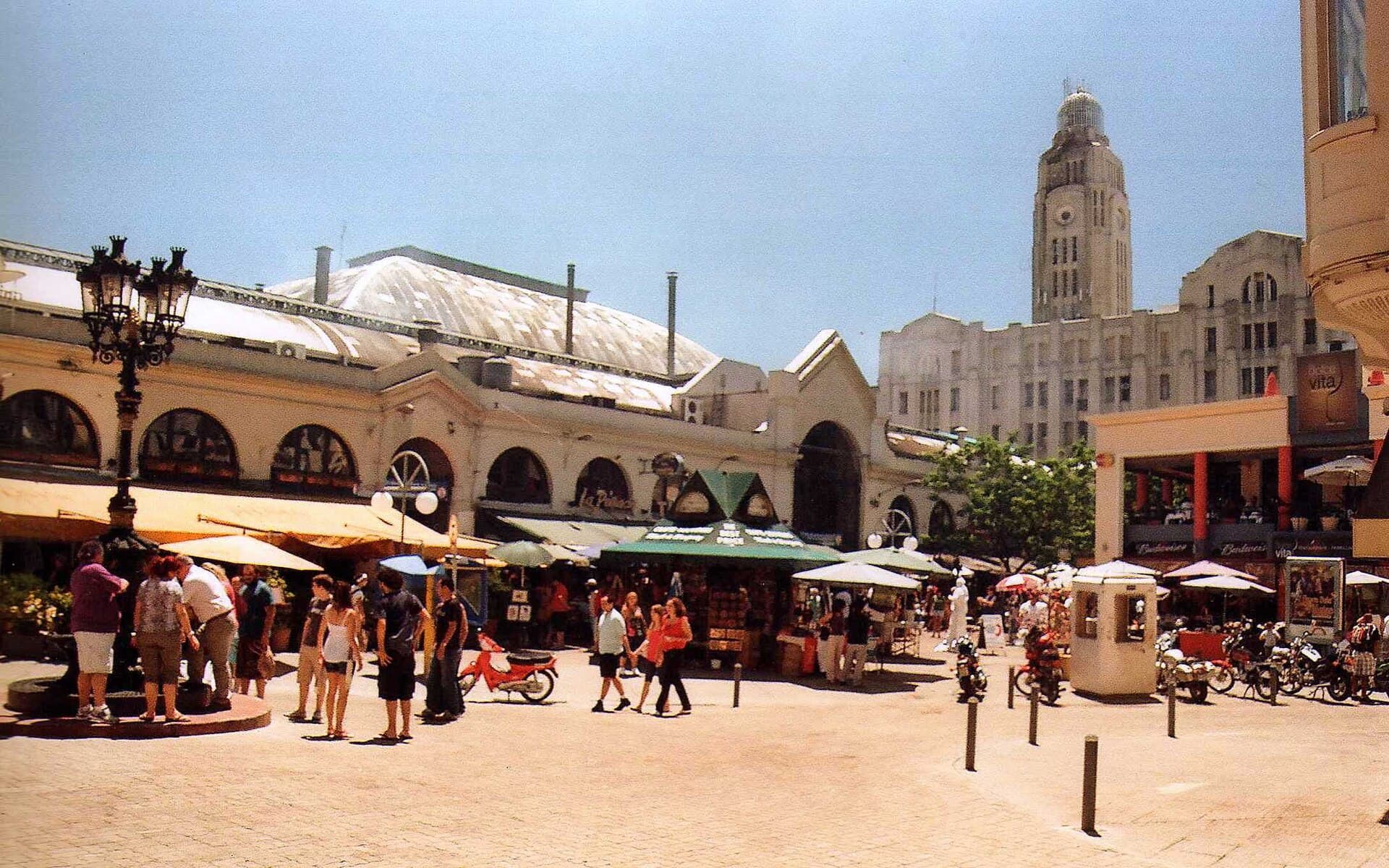 Mercado del PuertoA historic building opposite Montevideo's port, opened in 1868 as a city market,7 minutes walk
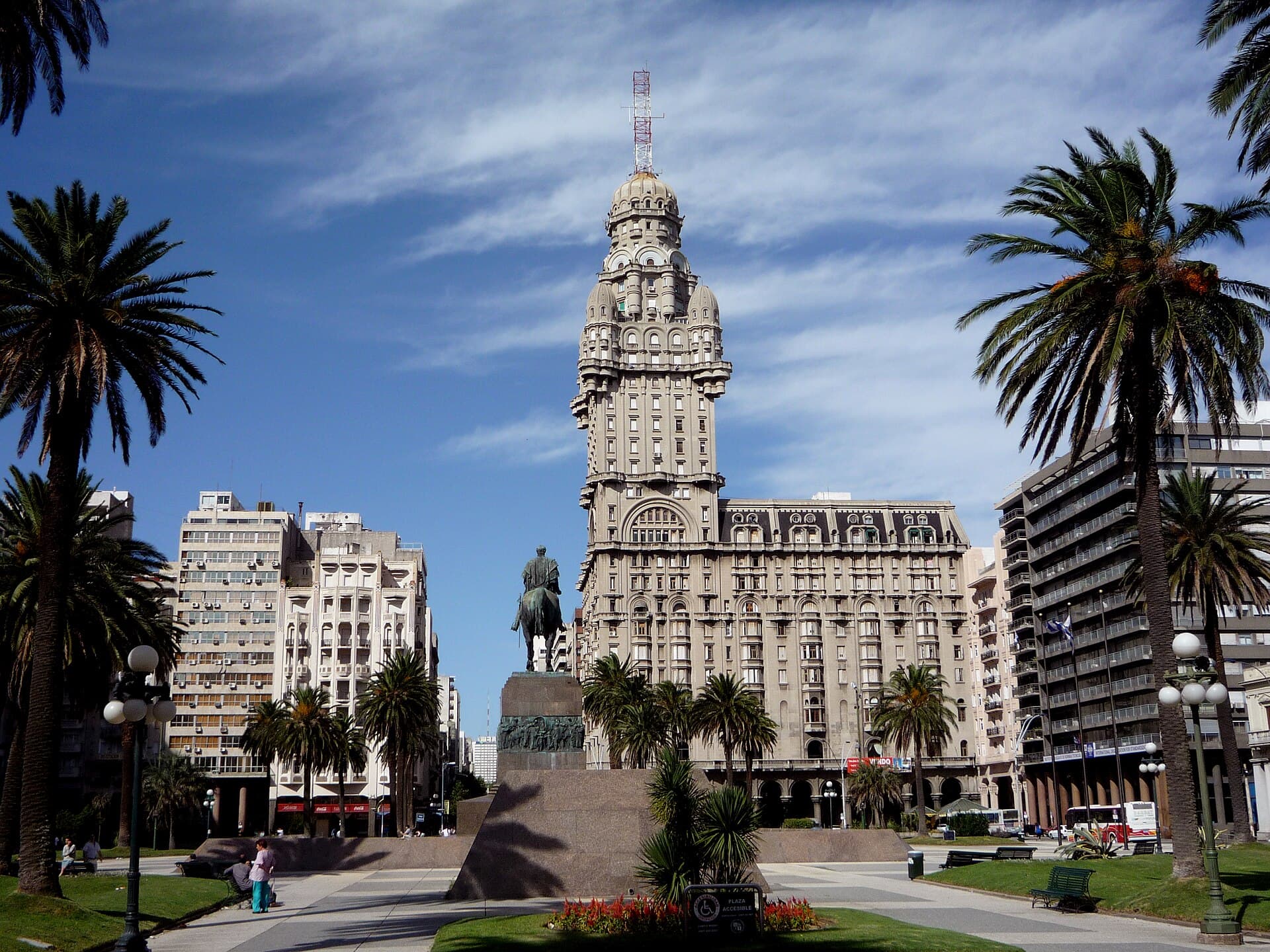 Plaza IndependenciaMontevideo's most important square, dividing the old town from the modern centre8 minutes walk
Calm and pleasant by day, but some side streets empty at night, so take a taxi after dark.