
The roof deck
A timber platform about ten metres up with a 360-degree sweep of York and the Minster at its centre.
mattbuck (category) — CC BY-SA 4.0 · Chris Gorringe — CC BY-SA 2.0 · Stephen Montgomery created the original, hchc2009 edited the background — CC BY-SA 2.0 · Francis Place — Public domain
For more than three centuries this tower had no roof. A fire in 1684, set off by an explosion in the gunpowder store, burned out everything inside, leaving four stone walls open to the York sky until 2022, when English Heritage spent roughly five million pounds planting a free-standing timber structure inside them: aerial walkways across the void where a first floor once was, crowned by a wooden deck about ten metres up. The upshot is that the best thing about Clifford's Tower today is not its history but standing on top of it and taking in the whole city at once, York Minster filling the skyline. The grassy mound beneath it is older than the tower: William the Conqueror raised it in 1068 to subdue the north of England. The quatrefoil stone keep came in the thirteenth century and is the largest surviving piece of York Castle. Inside, imagined voices from different centuries narrate the site's story, and the small royal chapel has been reopened. At the foot of the mound a plaque marks the massacre of 1190, when the city's Jewish community was wiped out in the wooden tower that stood on this mound before the present stone one; it is a heavy stop, and worth a moment's pause. Manage your expectations. The interior is small and the whole visit rarely stretches past thirty to forty-five minutes. Getting to the top means a steep stair up the side of the mound, then a narrow spiral of stone steps inside, so there is no route for pushchairs or wheelchairs, and the stone turns slippery in rain, of which York has plenty. Children of about six and up enjoy the walkways and the view; with toddlers, one parent is better off waiting on the lawn below, which is pleasant enough for a sit. At the gate an adult ticket runs from GBP 8.50 to just under eleven pounds depending on the date, dearest on summer weekends, and it drops by up to fifteen per cent if you book online by midnight the day before; there is also twenty per cent off for anyone arriving by train, bus or bike who shows their ticket. Open daily from 10:00 to 18:00 from late March to late October, but only until 16:00 from late October to mid-March, closed on 24 and 25 December, with last entry half an hour before closing. From York station it is about a fifteen-minute walk over Ouse Bridge, and the York Castle Museum sits right next door, so the natural plan is to pair them in a single morning.
A timber platform about ten metres up with a 360-degree sweep of York and the Minster at its centre.
Wooden walkways cross the void that was a first floor before the 1684 fire, bringing the stone walls within arm's reach.
The green motte beneath the tower dates from 1068 and is a fine spot to sit and photograph even without going in.
Tower Street, York YO1 9SA
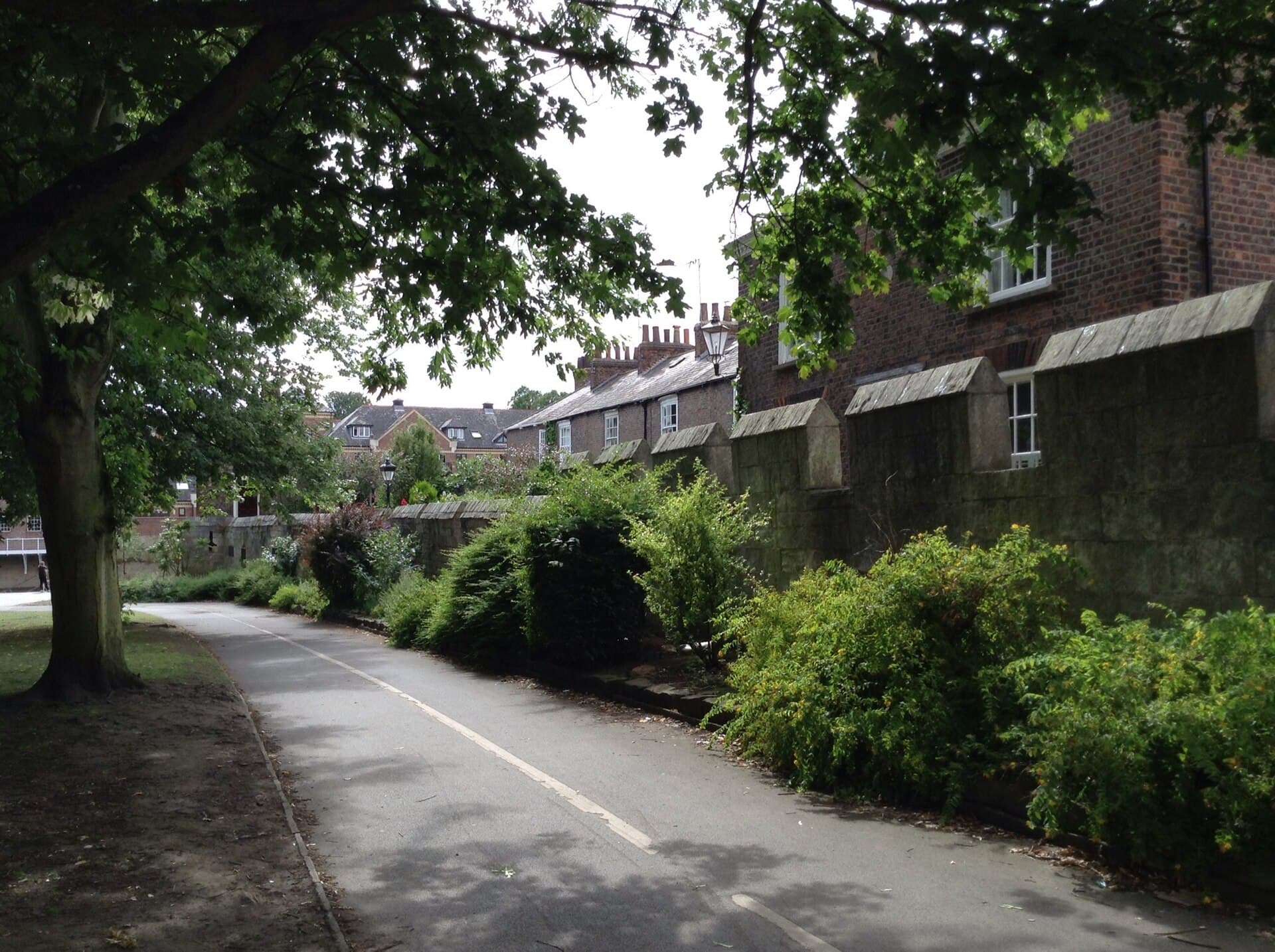 York City WallsThe longest and best-kept town walls in England, and every step of them is free:1 minute walk4.6
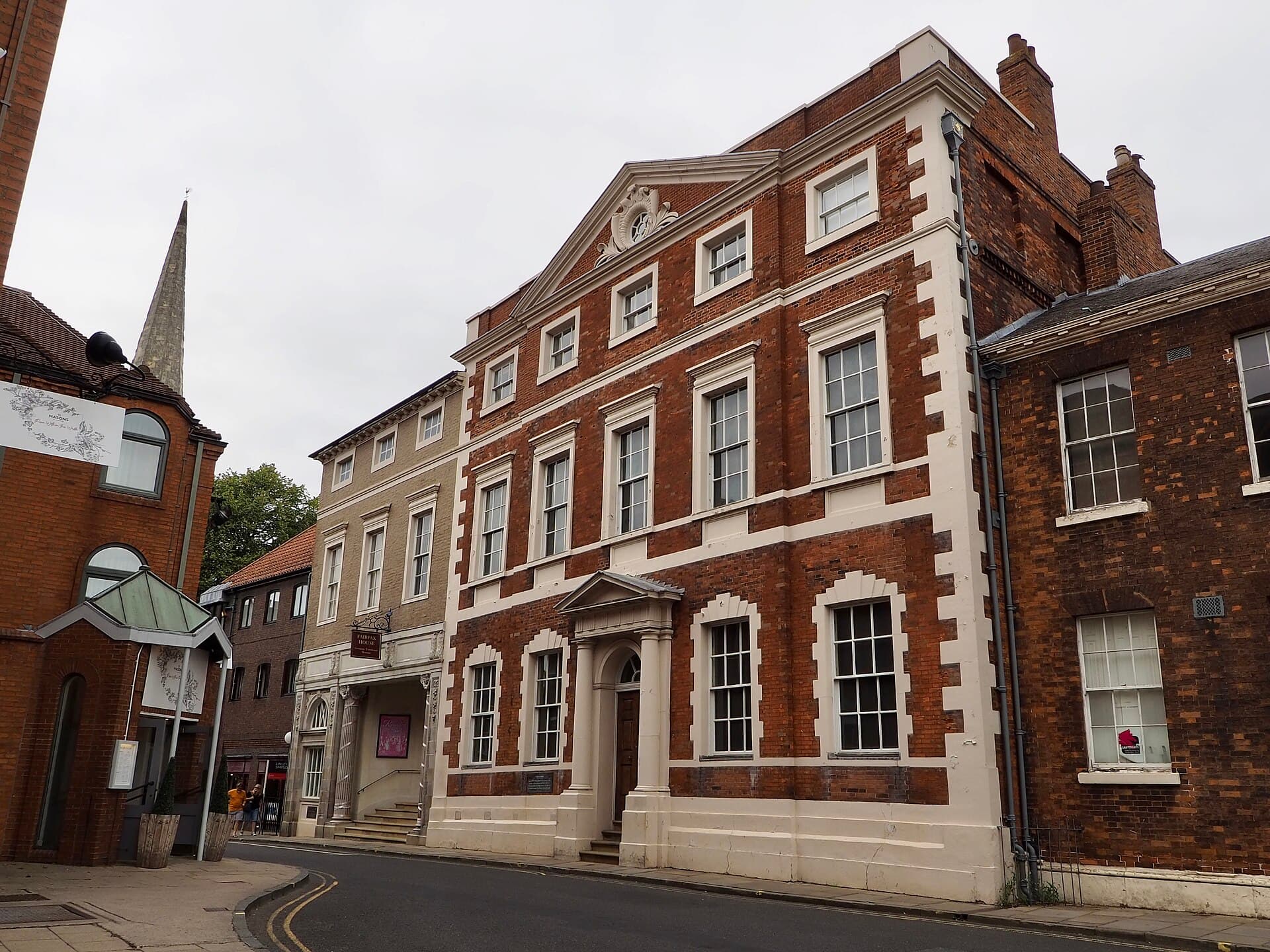 Fairfax HouseBefore anyone was calling this «the finest Georgian townhouse in England», as th1 minute walk4.5
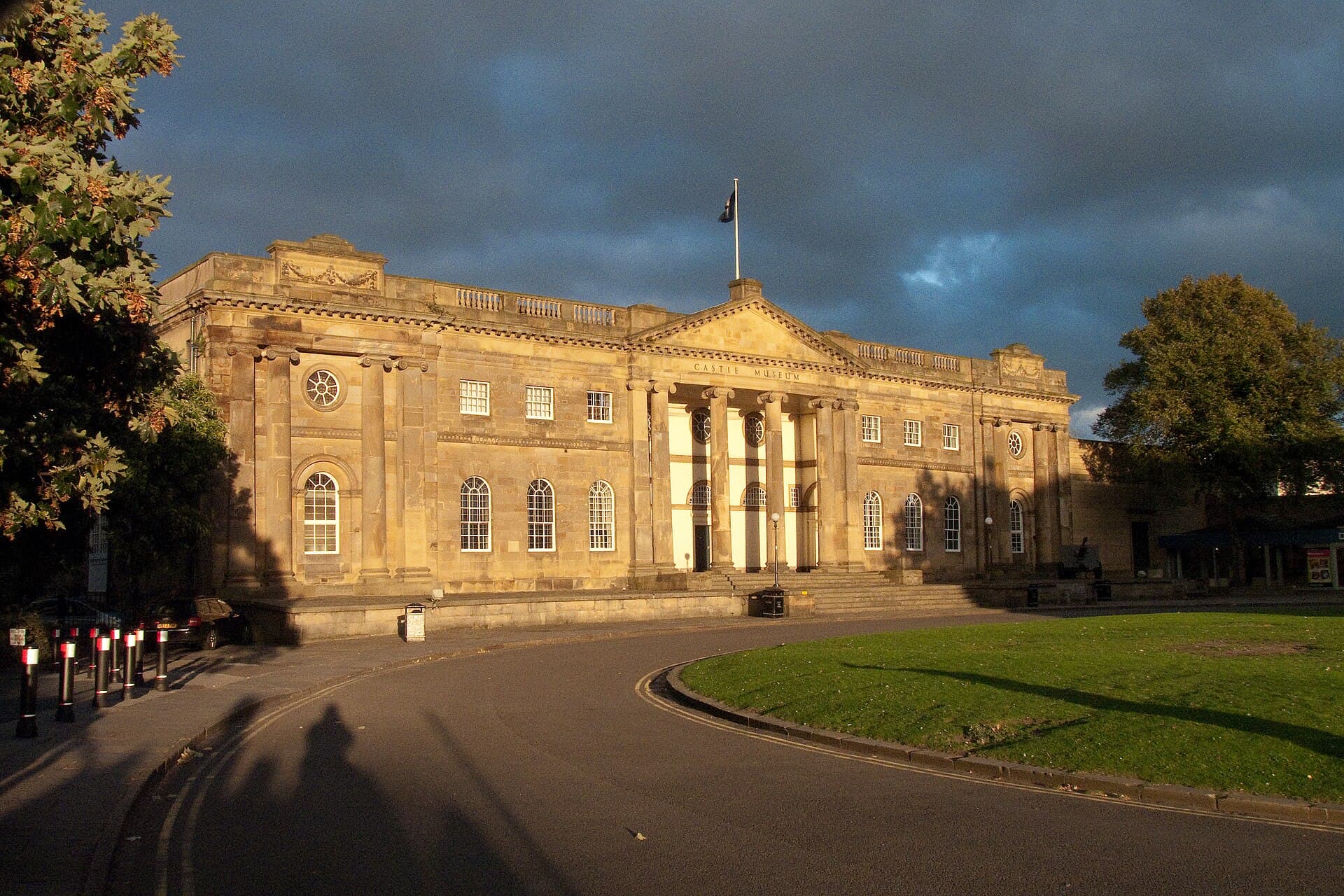 York Castle MuseumInside the prison where England's most notorious highwayman spent his last night1 minute walk4.5
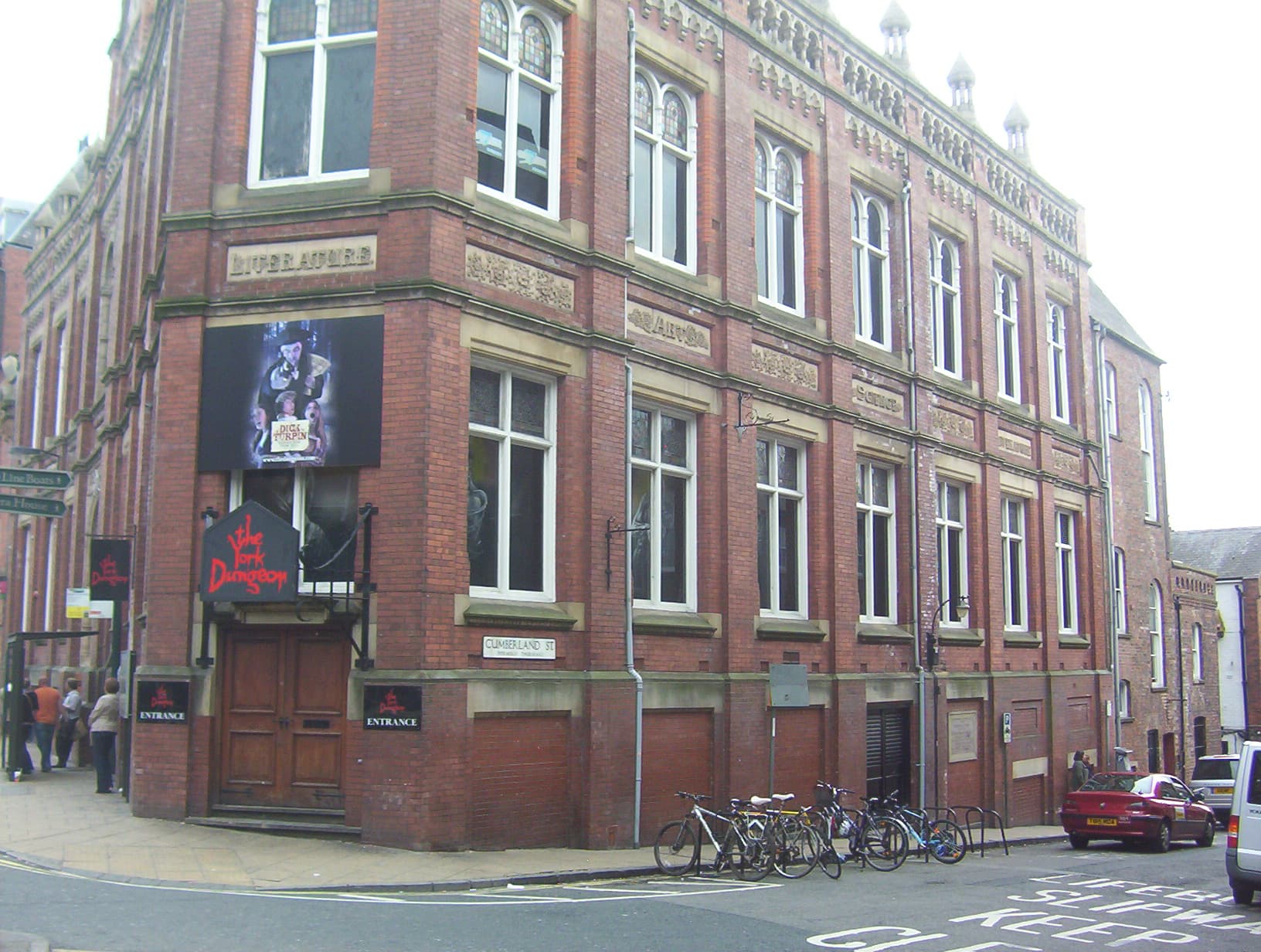 The York DungeonNothing in the York Dungeon is genuine, and yet you walk out knowing more of Yor2 minutes walk4.5
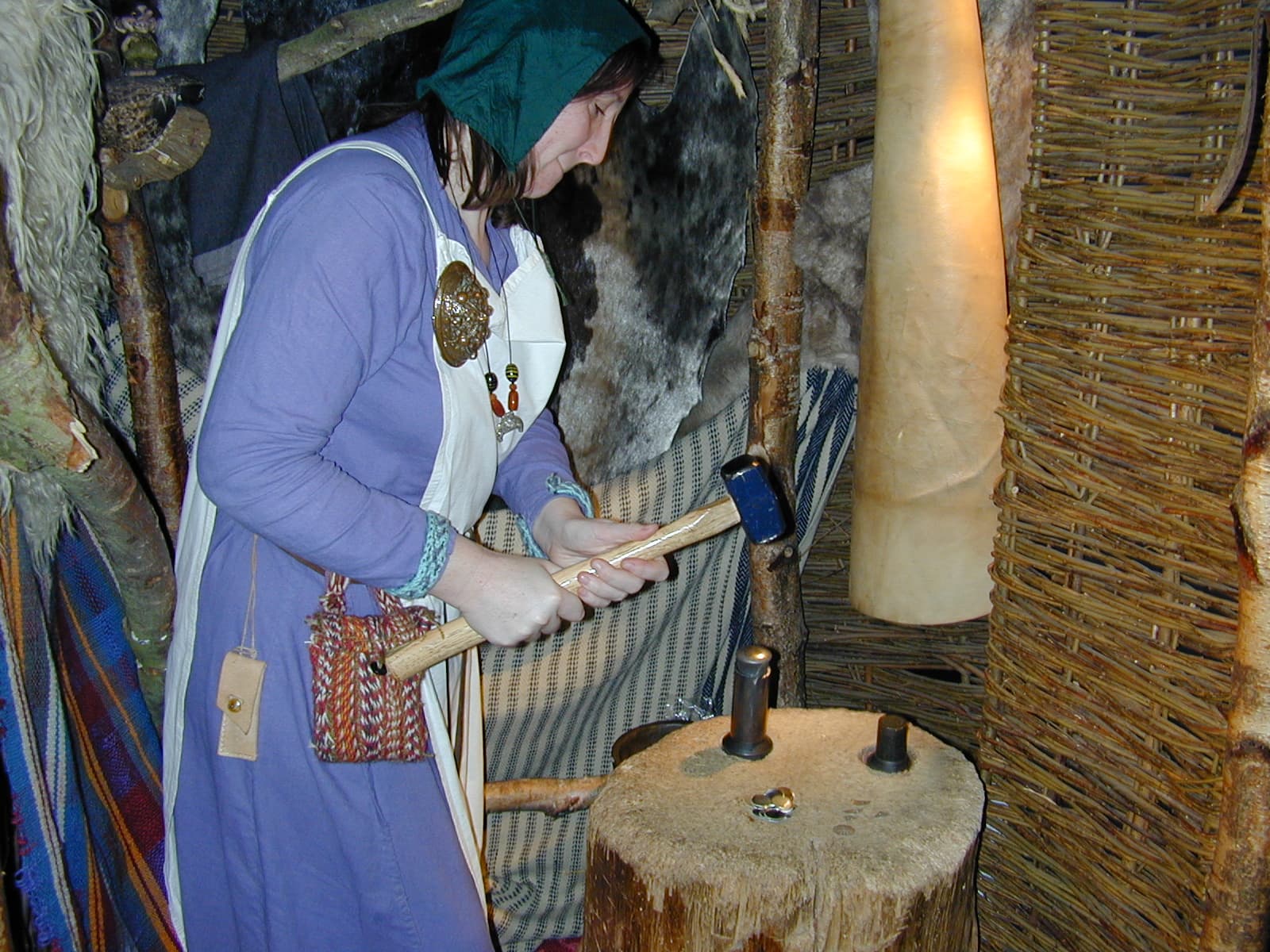 JORVIK Viking CentreBeneath the floor of an ordinary shopping centre in the middle of York lies the 3 minutes walk4.7
If your time in York is short, the photo from outside does the job; the silhouette on the mound is the iconic bit and the interior is small. Pay for a ticket only if you want the view from the top on a clear day, which is one of the best sightlines to the Minster in the city.
No. The climb is a steep stair followed by narrow stone spirals with no lift. Children from about six up enjoy it; with younger ones, one parent is better off waiting on the lawn below.