
The two-age façade
Gothic fabric with Renaissance figures — four centuries in one wall.
Mister No — CC BY 3.0 · Maurizio Moro5153 — CC BY-SA 4.0 · BeppeViews — CC BY-SA 4.0 · Emibuzz — CC BY-SA 4.0
Como's cathedral is Italy's last Gothic cathedral and its first Renaissance one in a single building: four centuries of construction (1396–1770) left the façade Gothic in fabric and Renaissance in statuary, the crowning dome signed by Juvarra, architect of kings — the passage of eras literally legible in its stone. Its famous oddity stands on the front: Pliny the Elder and Younger — Como's pagan Roman scholars — carved in honorary niches flanking the portal: a city loving its sons above theology, setting encyclopaedists as guardians of the Virgin's house. The interior is nobly dark: an aisled fabric hung with Renaissance tapestries and paintings by Luini and Ferrari — Leonardo's school one step from the lake. It anchors the Como-town circuit: the striped Broletto leans against it, the Duomo square's cafés surround you, the lake is two minutes off.
Gothic fabric with Renaissance figures — four centuries in one wall.
Two Roman Plinys in honour niches.
Renaissance weavings warming the noble dark.
Piazza Duomo, 22100 Como
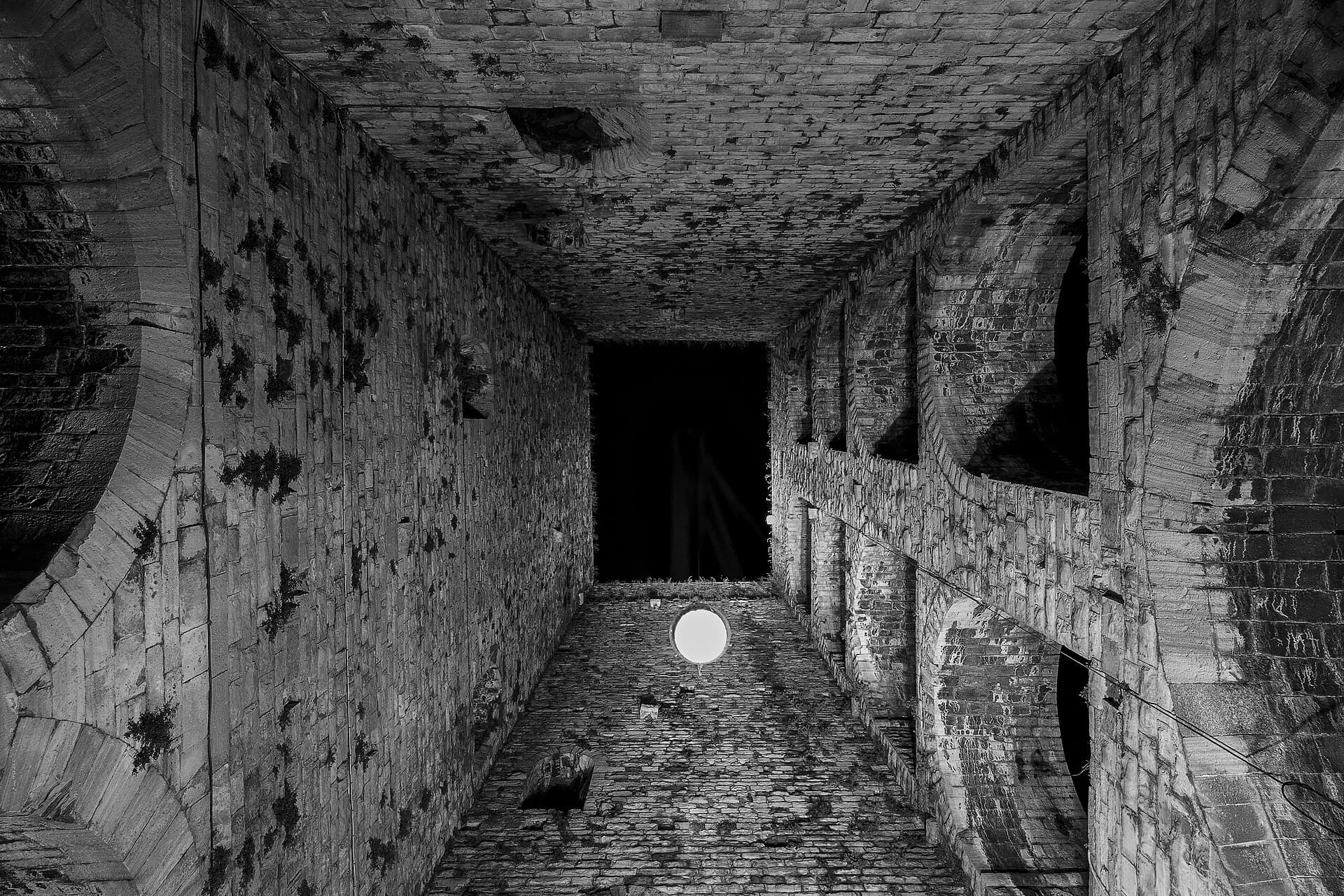 Porta TorreA twelfth-century gate tower at the southern edge of Como's historic centre, and7 minutes walk4.2
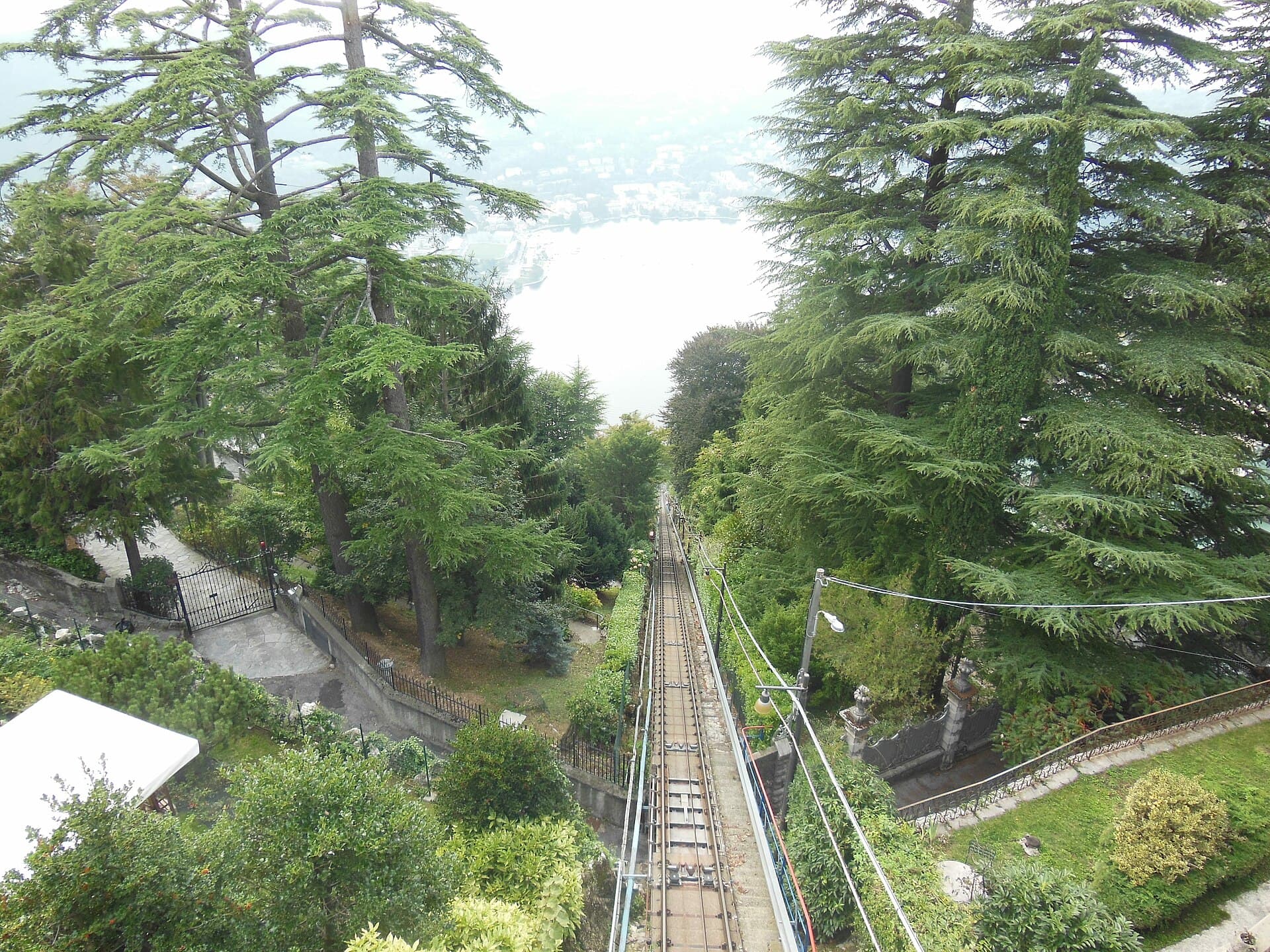 Como-Brunate FunicularSeven minutes, five hundred metres of altitude. That is the whole of what the Co8 minutes walk4.5
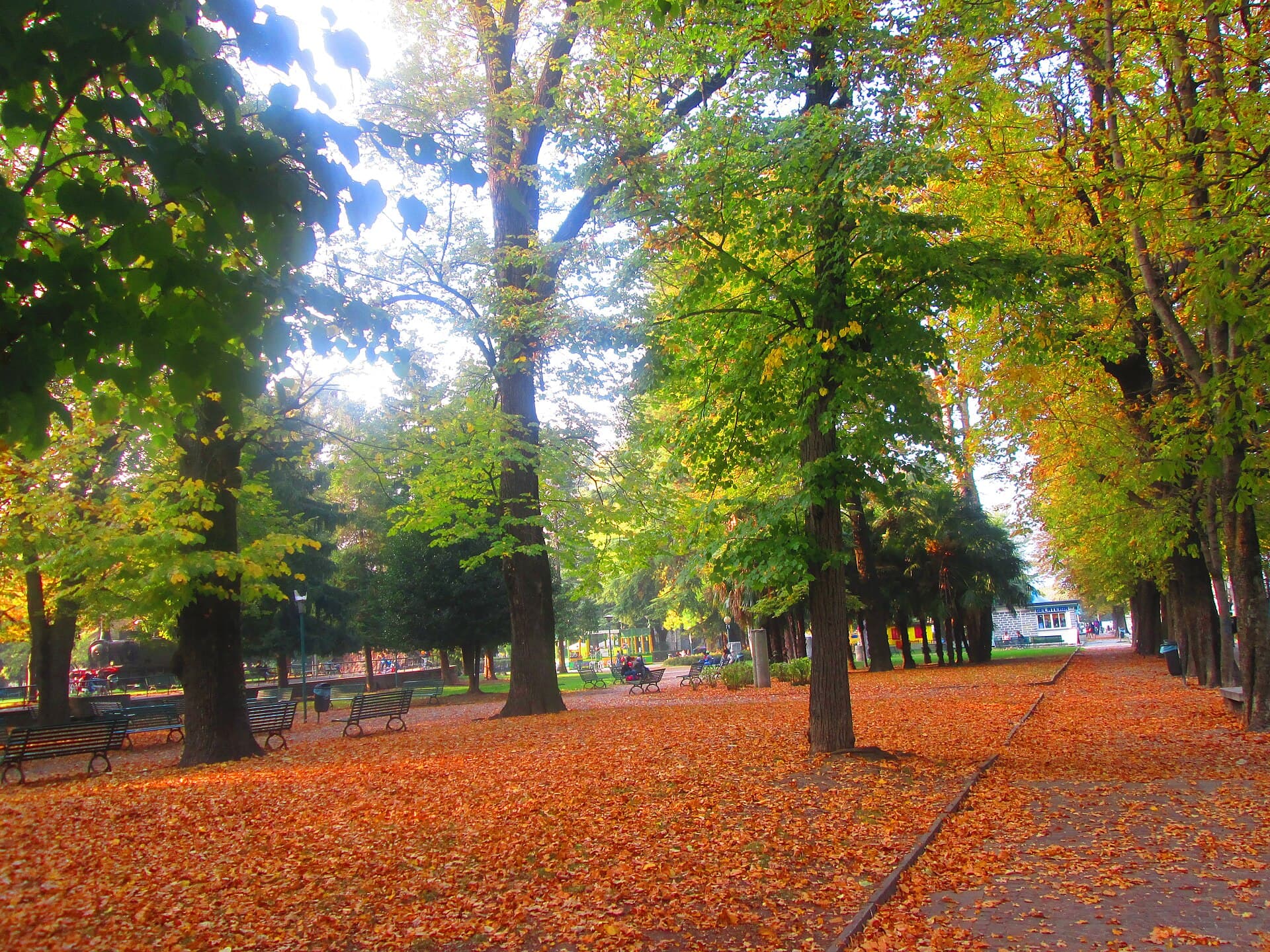 Giardini a Lago (Como Lakefront Gardens)Como waited roughly seventeen years to get its own waterfront back. The strip be9 minutes walk4.3
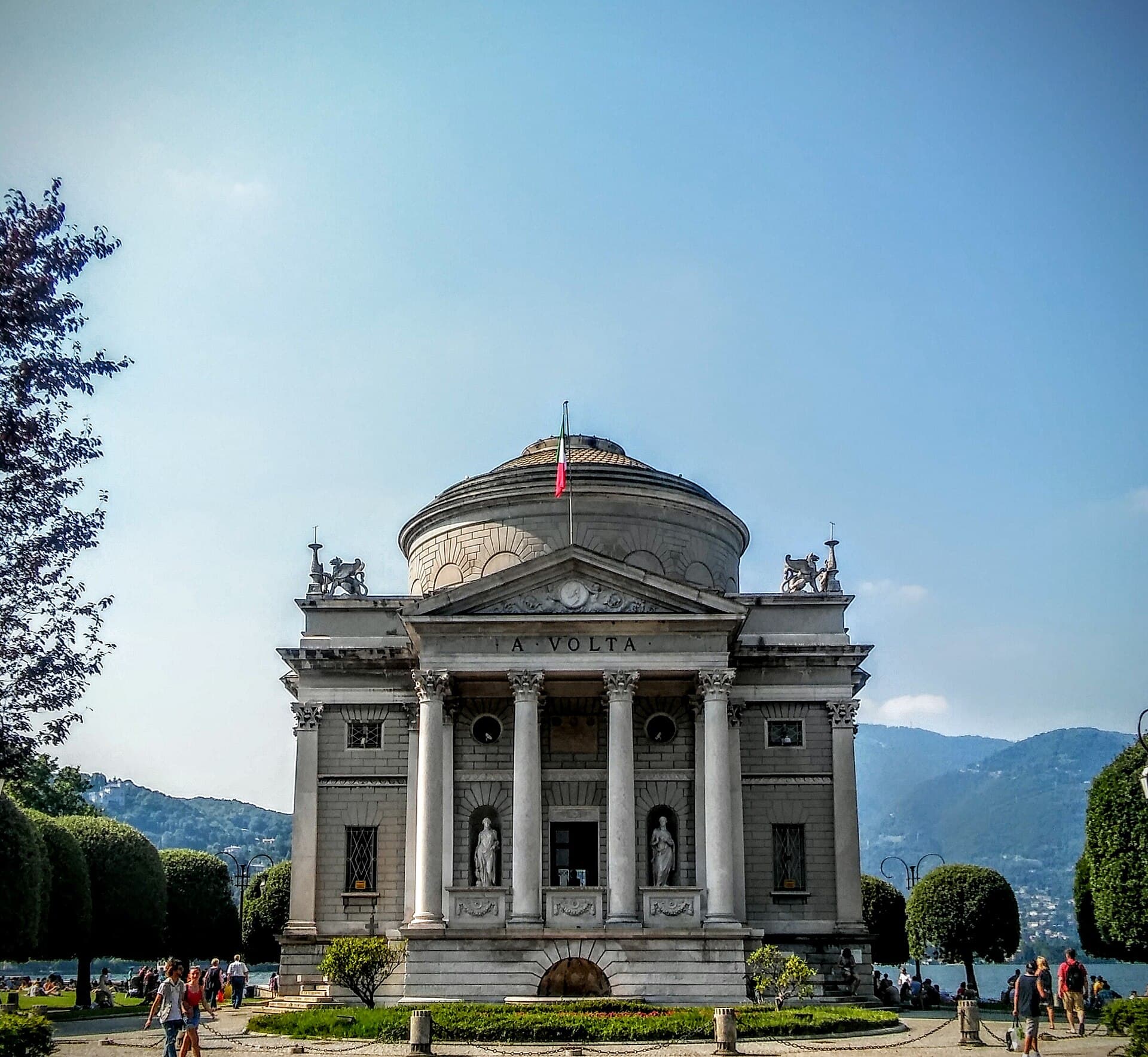 Tempio VoltianoOn Como's lakefront stands a domed neoclassical temple to no god but a scientist9 minutes walk4.3
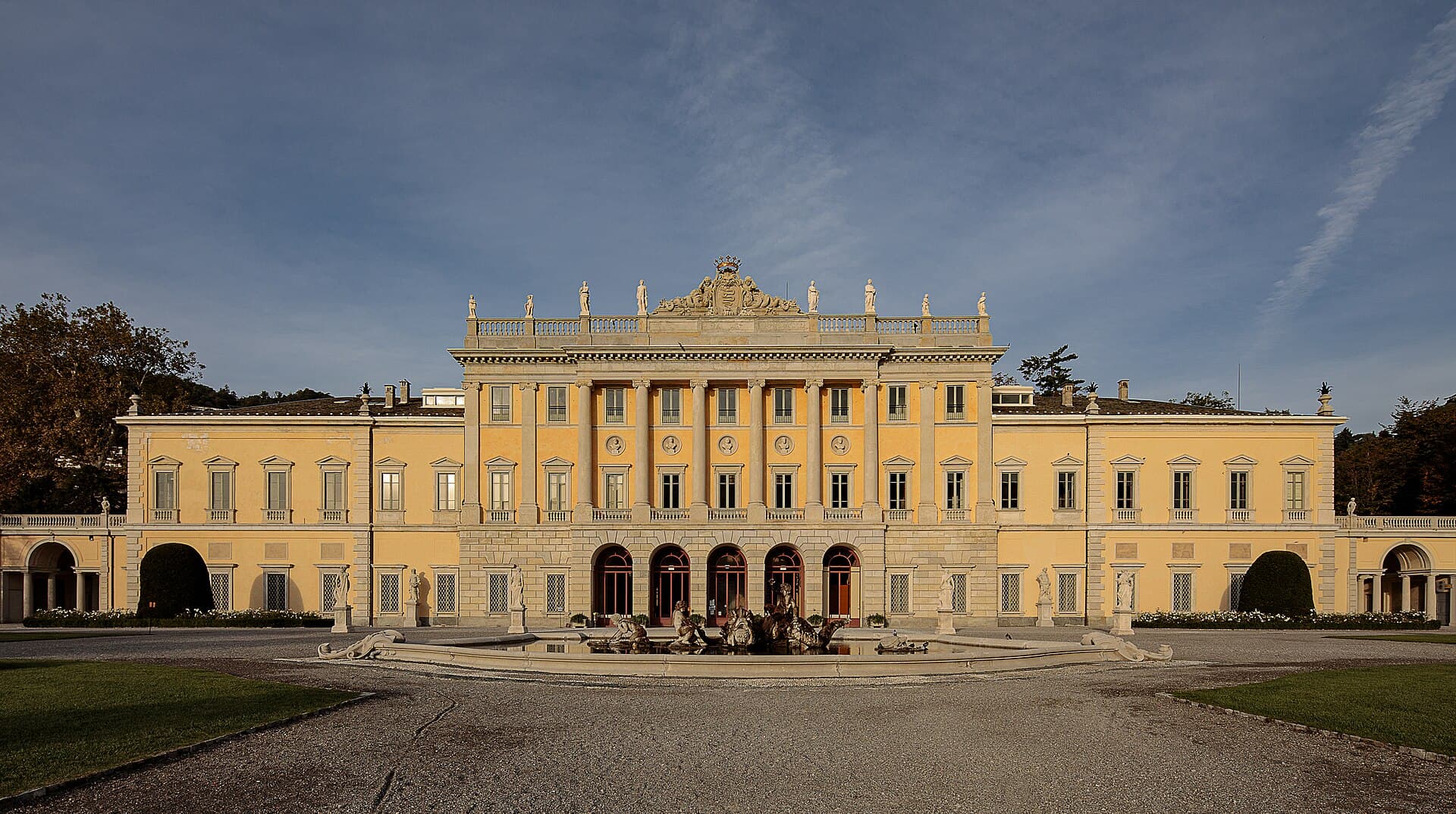 Villa OlmoVilla Olmo is Como's grandeur open to all: the town shore's greatest neoclassica20 minutes walk4.4
The Elder: commander and encyclopaedist of the Natural History, dead investigating Vesuvius's eruption; the Younger: his nephew and ward, whose letters are early Rome's document, holding the immortal eruption account — both sons of Roman Como, Novum Comum. The city has boasted them two thousand years; its Roman lake villas were theirs to begin with.
One connected square: the Broletto and its piazza, the walled-Como lanes and their shops, Romanesque San Fedele in its old timbered square, then the lakefront with the Volta temple gardens — ninety minutes gathers the town before or after the villa boats.