
The famous lean
A green-oak frame that warped after the rebuild of 1687 and left the house visibly askew.
Elliott Brown from Birmingham, United Kingdom — CC BY 2.0 · DeFacto — CC BY-SA 4.0 · Dave Spicer — CC BY-SA 2.0 · Itto Ogami — CC BY 3.0
A three-storey house that leans off its own vertical as though frozen mid-collapse, and yet it has stood on this corner of the High Street for close to three and a half centuries. The first building here went up in 1592; in 1687 the council pulled it down to make room for the Guildhall next door, lost a legal dispute over it, and had to rebuild it in a hurry. The favourite explanation for the tilt is that the builders used unseasoned green oak, which shrank and twisted as it dried and took the whole frame with it. A less romantic theory holds that the house buckled only after the buildings propping it up were pulled down in the 1820s. Either way, the result is a Grade II listed structure and one of the most photographed corners in town. Be clear about what this is: an exterior landmark. There is nothing to visit inside in the tourist sense. For years the house traded on being the oldest teahouse in England, but that tea room closed at the start of 2015, a jeweller followed, and since 2023 the ground floor has been a small cafe-bar called The Shambles, which does coffee and light food by day but also operates as a wine bar and bottle shop, which takes it off the list for most of our readers. Take the photograph and move on. Do not lose sleep over the legend of a secret passage from the cellar to the castle, variously attributed to Charles II and his liaisons with the actress Nell Gwynn; the more plausible version has it carrying market produce to the castle kitchens, and it is bricked up regardless. The two best angles are from the steps of the Guildhall, where the lean reads clearly against that building's sober columns, and from Queen Charlotte Street, the narrow lane hugging the side of the house, which claims to be the shortest street in Britain at under sixteen metres and has a plaque saying so. The pavement out front fills fast whenever a castle tour spills out through the Henry VIII Gate opposite, so early morning or the last hour before dusk is far calmer. Ten minutes is plenty, and they are good minutes with children, since the house looks as if it walked out of a picture book. The ground is flat and fine for pushchairs, and it sits directly on the natural walk from Windsor and Eton Central station up to the castle entrance, so it needs no planning of its own. Pair it with the Guildhall, where King Charles was married in 2005, and the climb up Castle Hill, and treat it as an architectural footnote rather than a destination.
A green-oak frame that warped after the rebuild of 1687 and left the house visibly askew.
A lane of under sixteen metres hugging the house, claimed as the shortest street in Britain.
Shooting from the Guildhall steps shows the tilt clearly against the straight columns.
51 High Street, Windsor SL4 1LR
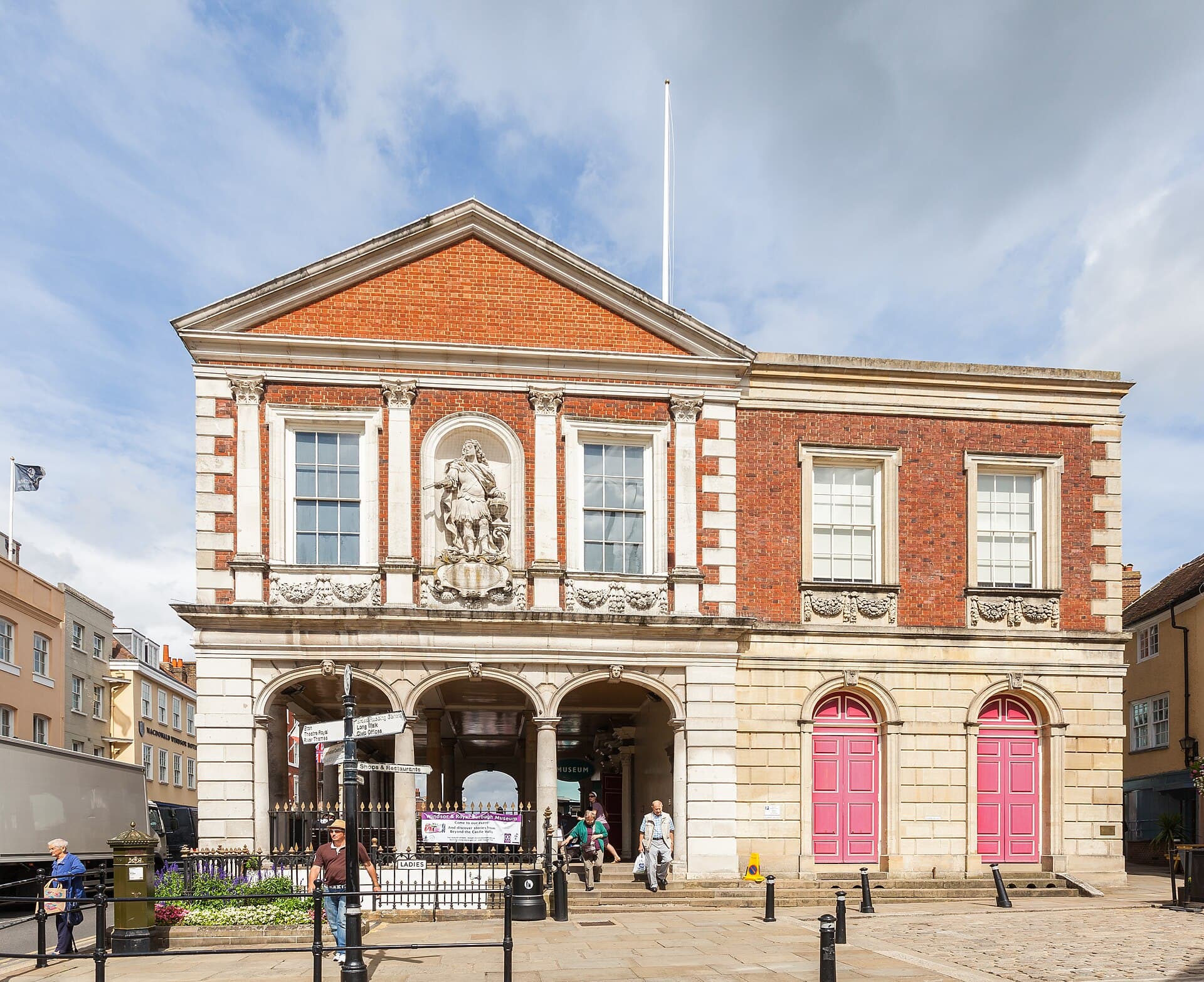 Windsor GuildhallOn the ground floor of this small brick-and-stone building, a few steps from Win1 minute walk4.5
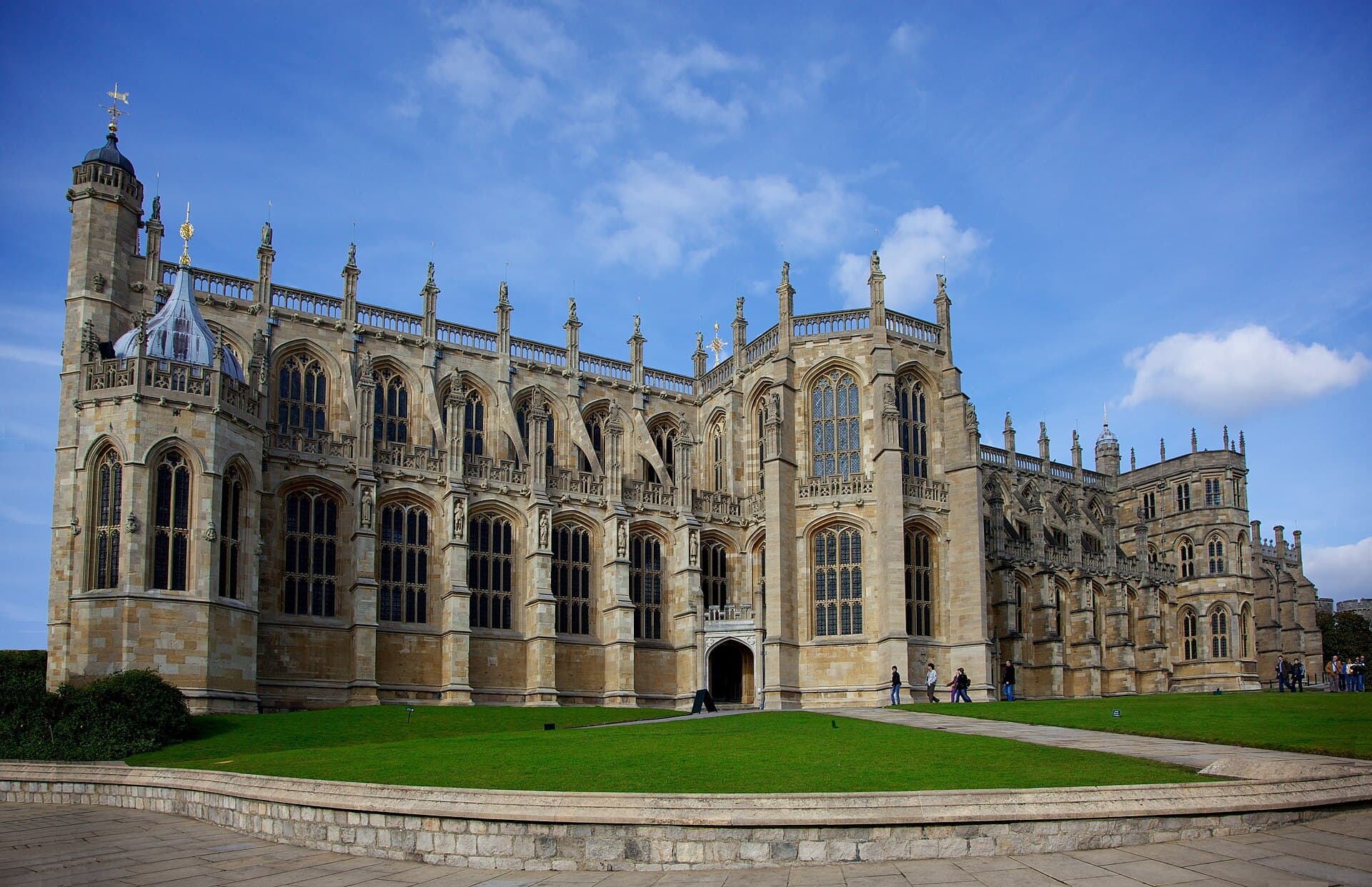 St George's Chapel, WindsorA slab of black marble barely two metres long, carrying nothing but names and da2 minutes walk4.7
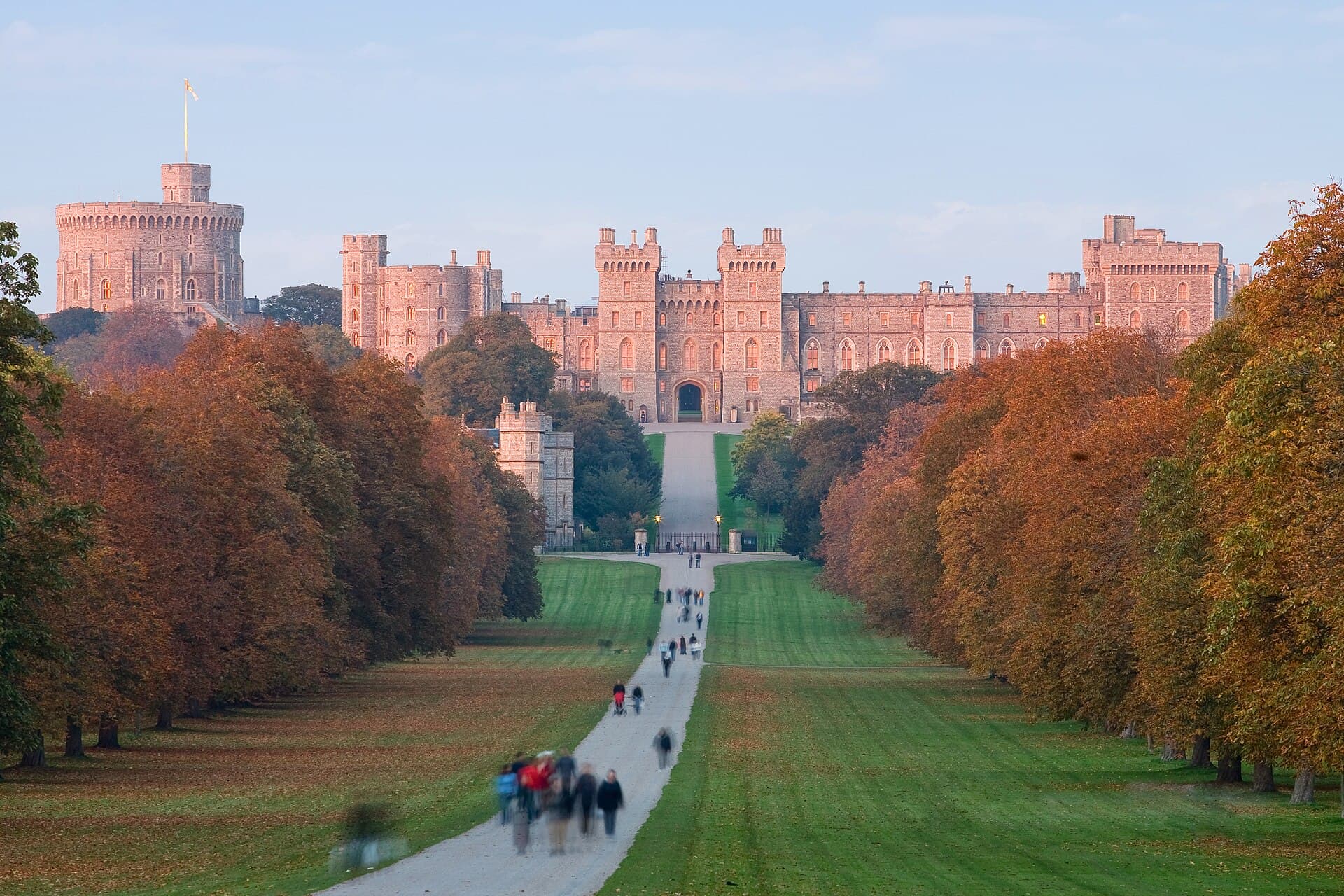 Windsor CastleIf the Royal Standard is flying from the Round Tower, King Charles III is spendi3 minutes walk4.6
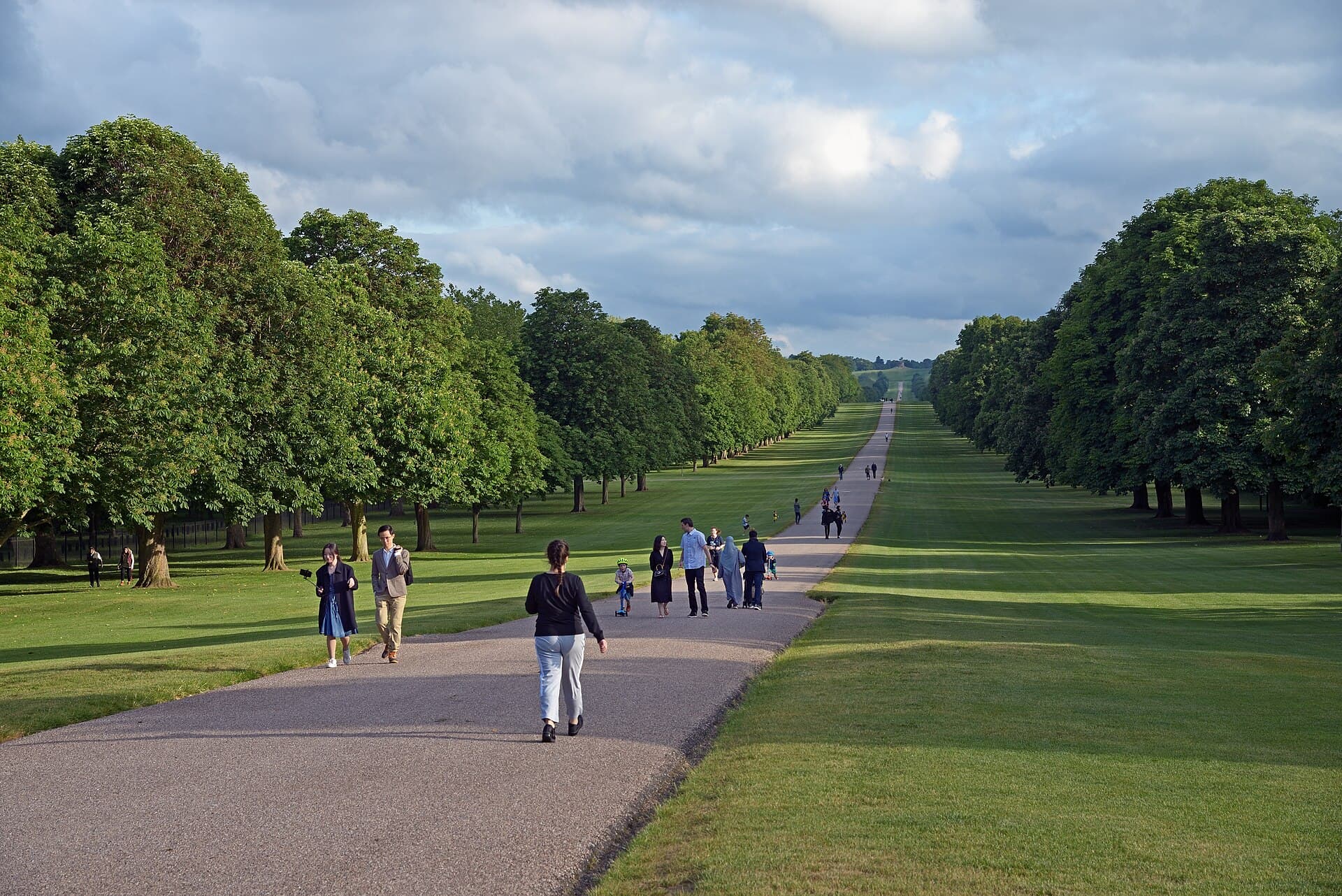 The Long Walk, WindsorA dead-straight line roughly four kilometres long, from the gate of Windsor Cast6 minutes walk4.9
Not for most of our families. It is a small cafe that also operates as a wine bar and bottle shop, with no exhibition or historical tour inside. The whole point is the facade; ten minutes outside is plenty.
Yes, it is a building on a public street and visible at any hour. Windsor is dark before half past four in December though, so pass by in daylight if you want a good photograph.