The island street
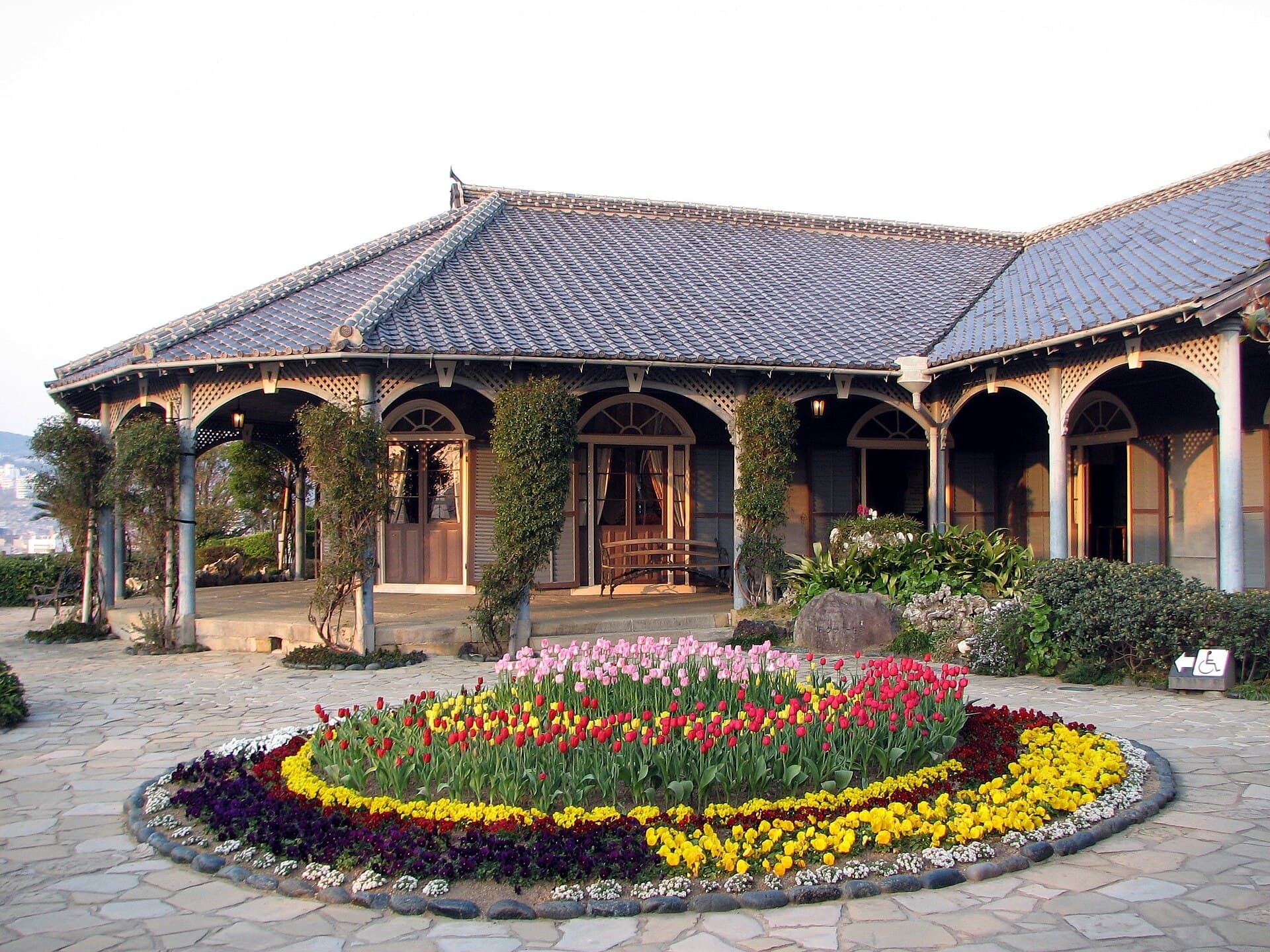
Rebuilt buildings.
663highland — CC BY 2.5 · Drivephotographer — CC0 · nobu3withfoxy from Iga,Mie, Japan — CC BY 2.0 · Jakub Hałun — CC BY 4.0 · Fg2 — Public domain · Drivephotographer — CC0 · Drivephotographer — CC0 · joka2000 from Nagasaki — CC BY 2.0
A fan-shaped artificial island built by the shogunate in 1636 in Nagasaki Bay to keep European traders apart from Japanese society. The Portuguese were housed here first until their expulsion in 1639; the Dutch were moved in in 1641 and stayed until 1858. Through some 220 years of Edo-period isolation, Dejima was the main channel for Japan's trade and exchange of knowledge with the West and the only Japanese territory open to Westerners, under close watch; the Dutch could leave only with permission. Reclaimed land gradually surrounded it until it was an island no longer. It became a national Historic Site in 1922, and a project begun in 1996 has rebuilt 25 buildings as they stood in the early 19th century. Visitors now walk among the merchants' warehouses and residences and the Japanese officials' offices, with their furniture and exhibits. Tickets are 1,100 yen for adults, and it opens 8:00-21:00 (last entry 20:40), according to its official site. It is by Dejima tram stop.
Rebuilt buildings.
With furniture.
Into Dejima.
Dejima-machi, Nagasaki
An artificial island built in 1636 in Nagasaki Bay, for about 220 years the Dutch trading post and Japan's main link to Western trade; its buildings have been rebuilt since 1996.