
The spiral staircase
The building's finest architectural feature.
Jörg Zägel — CC BY-SA 3.0 · GFreihalter — CC BY-SA 4.0 · GFreihalter — CC BY-SA 4.0 · GFreihalter — CC BY-SA 4.0
The Ephraim-Palais is a rococo town house with an elegant curved facade, built in 1766 by Veitel Heine Ephraim — a Jewish jeweller and banker who ran the mint for Frederick the Great. It was called in its day the finest corner in Berlin, and it stands today in the Nikolaiviertel near the city's oldest church. The building's story compresses the whole of Germany's twentieth century: it was demolished in 1936 on the pretext of widening a street, a decision taken in the context of a regime erasing Jewish traces from the city. But the carved stones of its facade were kept and stored in West Berlin for decades, then returned to the East in the 1980s under an agreement between the two German states, and the palace was rebuilt in 1987. The result is that what you see is a reconstruction, but one using the preserved original stonework. The interior is today an exhibition space of the Berlin city museum, with a programme of temporary shows on the city's history and art. The original spiral staircase in the hall is the building's finest architectural feature.
The building's finest architectural feature.
Rococo in stone stored for decades.
Poststrasse 16, 10178 Berlin
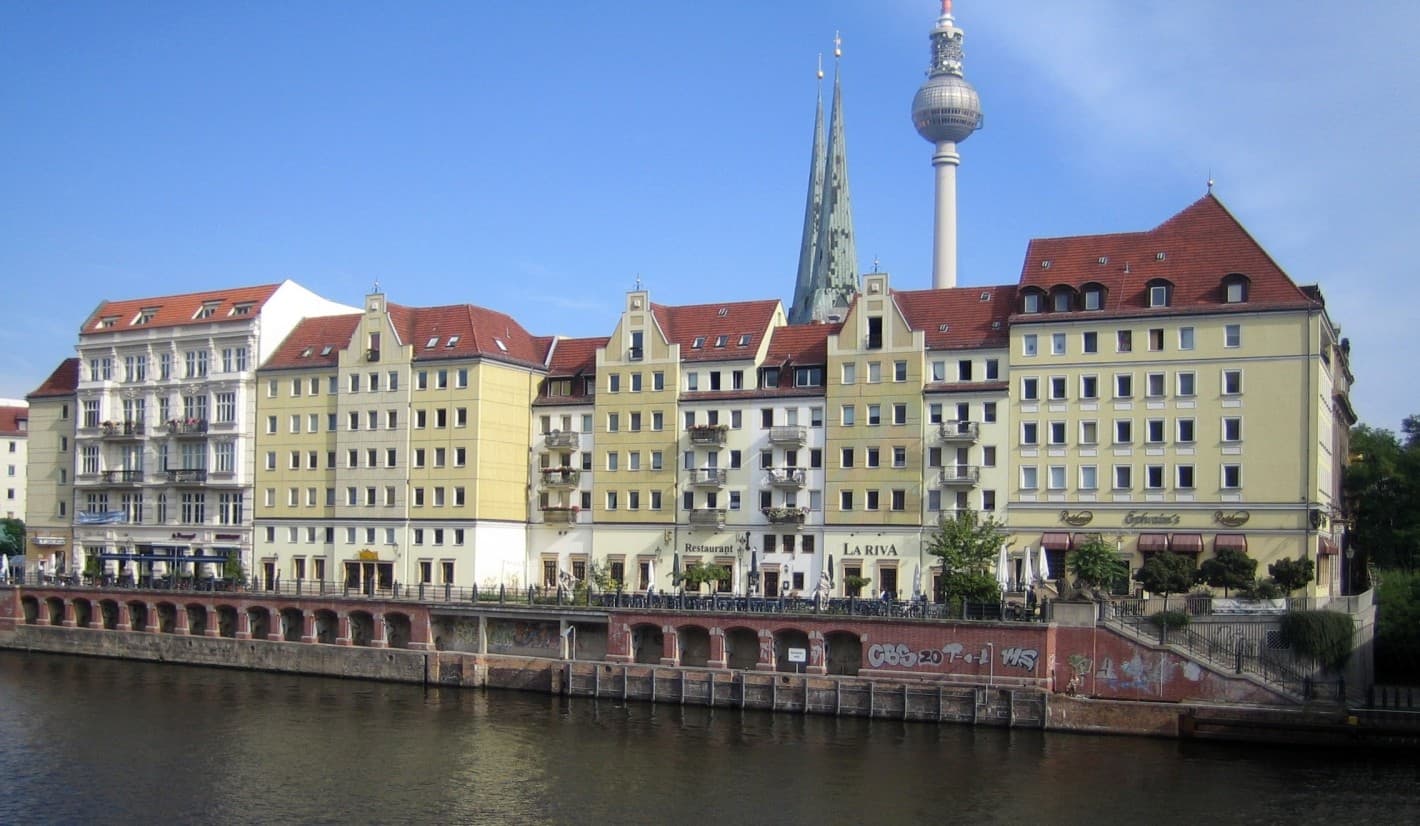 NikolaiviertelThe Nikolaiviertel is the oldest spot in Berlin: the city began here in the thir1 minute walk4.7
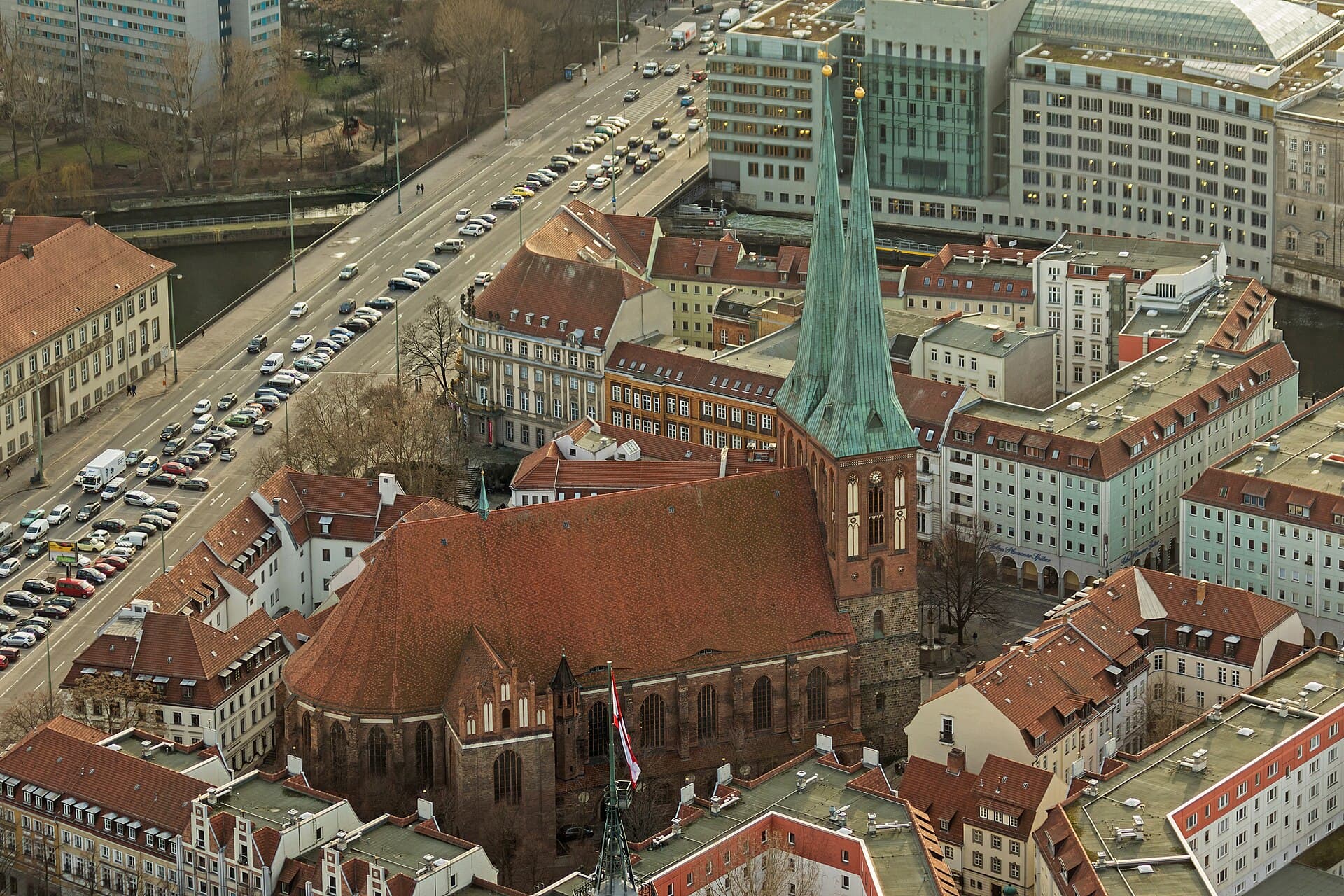 St Nicholas' ChurchSt Nicholas' is the oldest building in Berlin: its stone foundations date to aro1 minute walk4.3
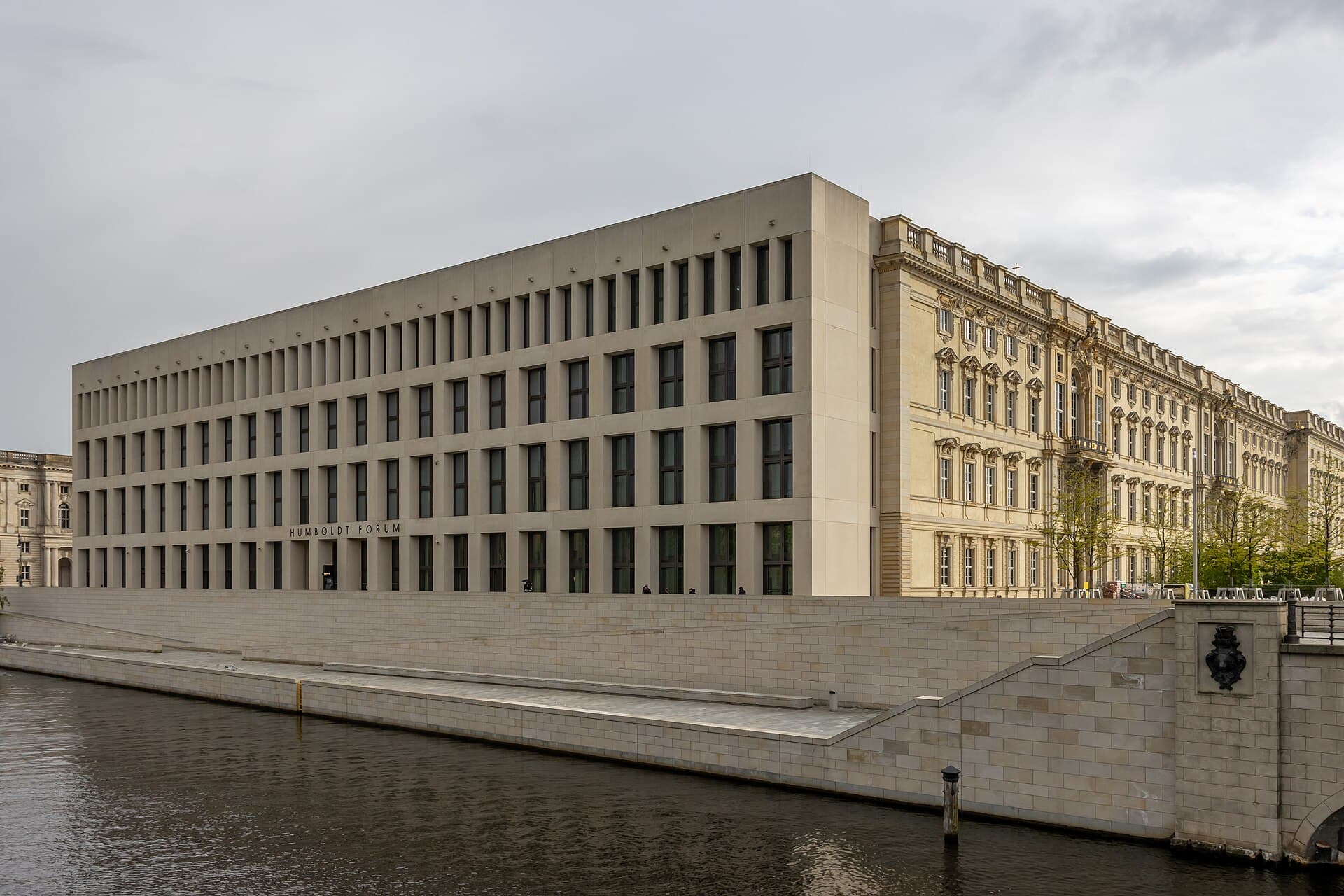 Humboldt ForumThe Humboldt Forum is a large building in the middle of Berlin, on Museum Island4 minutes walk4.5
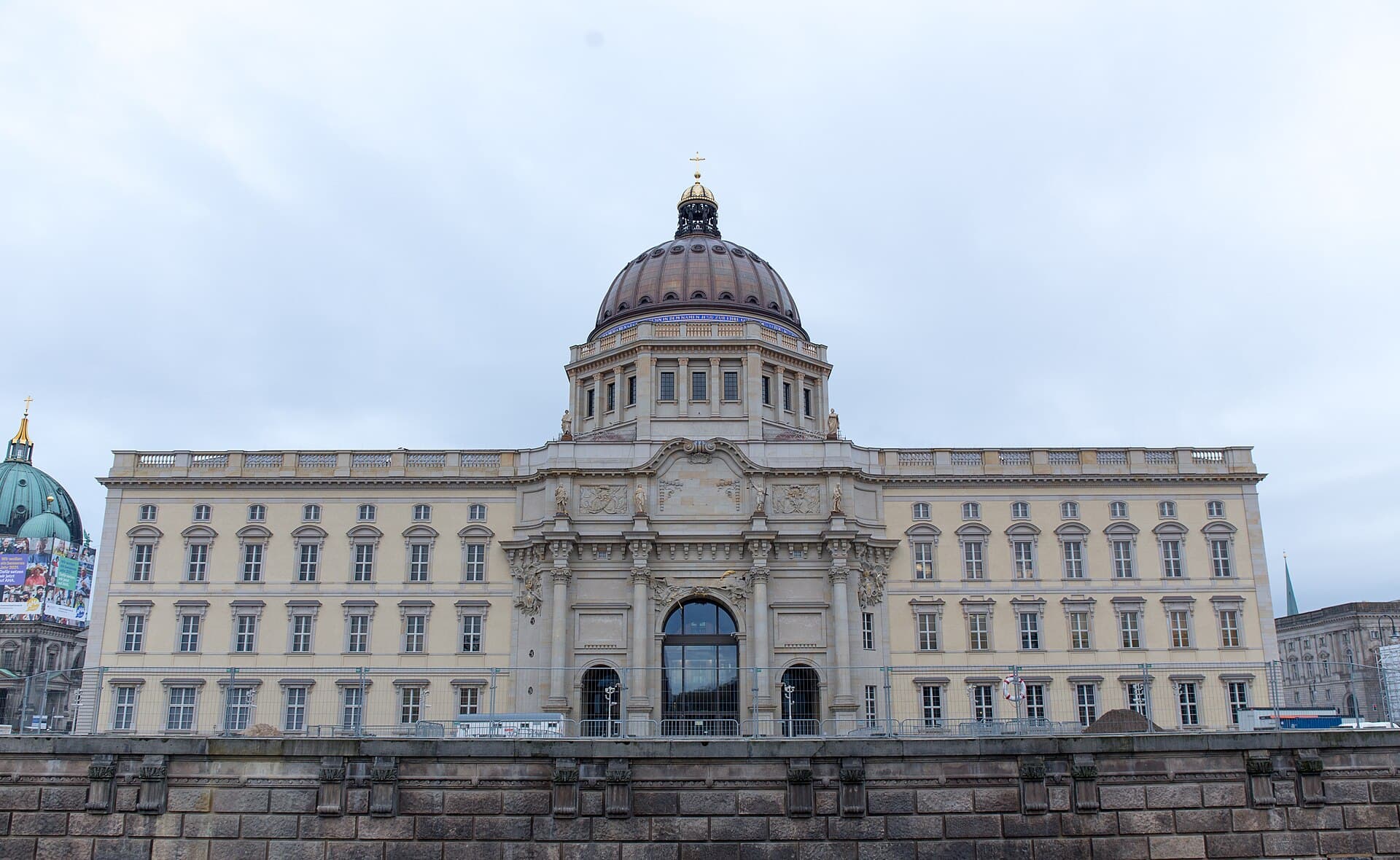 Ethnological MuseumBerlin's Ethnological Museum holds one of the world's largest collections of non6 minutes walk4.1
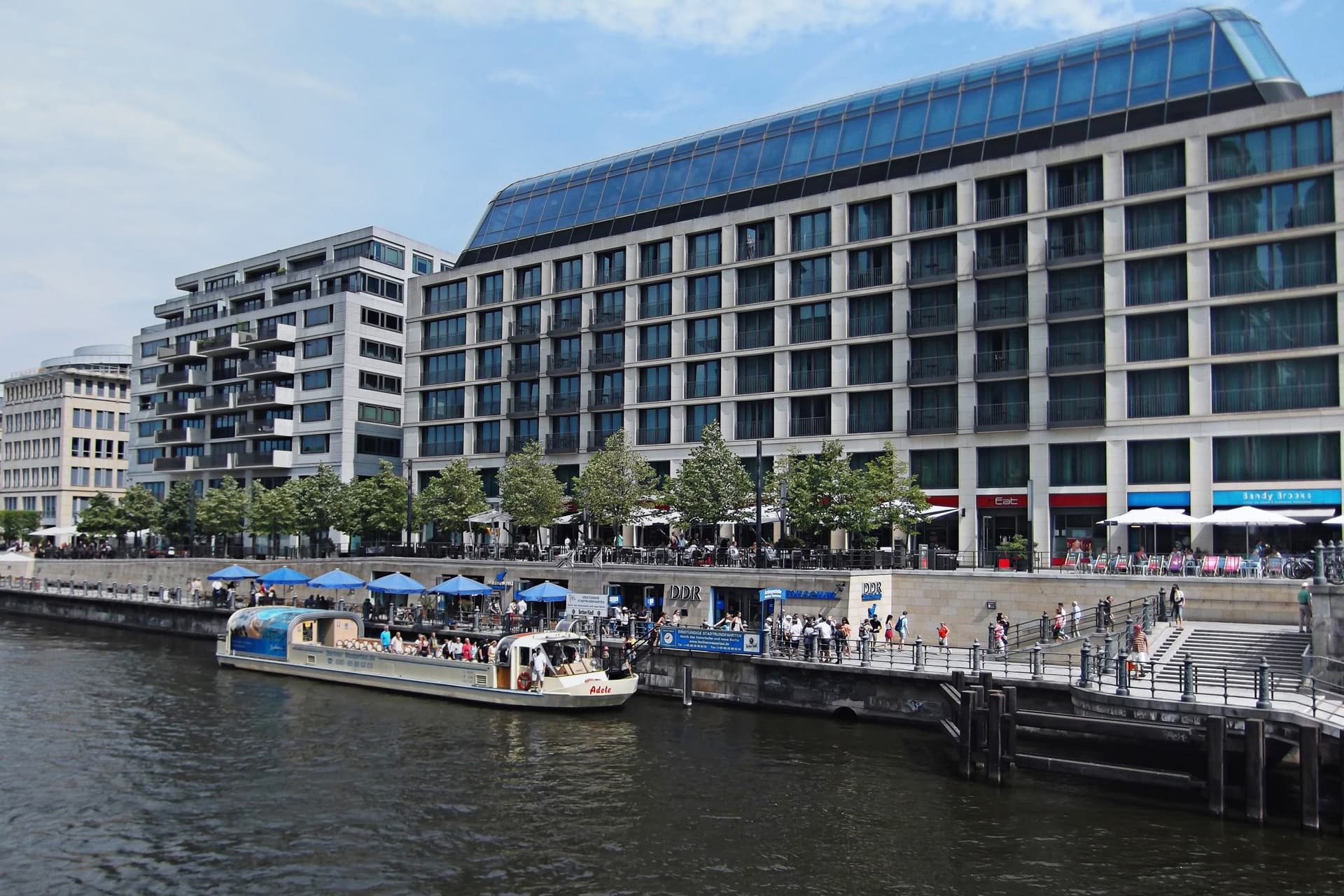 DDR MuseumThe DDR Museum is a small museum on the riverbank opposite the cathedral, explai7 minutes walk4.2
After the 1936 demolition the carved pieces were moved and stored, and ended up in West Berlin once the city was divided. In the 1980s East Germany was rebuilding the Nikolaiviertel for Berlin's 750th anniversary, and an agreement between the two states returned the stones eastward in exchange for other artefacts — a rare cultural deal across the Wall.