
The tomb of Abu Ayyub
The Companion in whose house the Prophet stayed, died at the first siege.
User:Darwinek — CC BY-SA 3.0 · Dosseman — CC BY-SA 4.0 · Dosseman — CC BY-SA 4.0 · Dosseman — CC BY-SA 4.0
A mosque at the head of the Golden Horn, the most significant Islamic religious site in Istanbul after the great mosques, because it holds the tomb of Abu Ayyub al-Ansari. Abu Ayyub was a Companion of the Ansar, the man in whose house the Prophet stayed on reaching Medina. He took part in the first siege of Constantinople in the seventh century, died there and was buried near the walls. Eight centuries later, after the conquest, the Ottomans searched for his grave and found it, and Mehmed the Conqueror built the mosque over it in 1458 — the first great mosque the Ottomans raised in the city after taking it. The site has been a place of blessing ever since, and it was here that new sultans were girded with the sword of Osman in the ceremony of accession. This means the place is not a tourist monument but a living site of religious visitation: you find worshippers and pilgrims from across the Muslim world, and its atmosphere is entirely unlike the visitor-facing mosques of Sultanahmet. Around it a large historic cemetery climbs the hill, with the Pierre Loti café at the top overlooking the Golden Horn. Modesty and quiet are expected here more than at any other mosque in the city.
The Companion in whose house the Prophet stayed, died at the first siege.
Built by Mehmed the Conqueror in 1458 over the grave once it was found.
The Ottoman ceremony of accession was held here.
Eyüpsultan, at the head of the Golden Horn
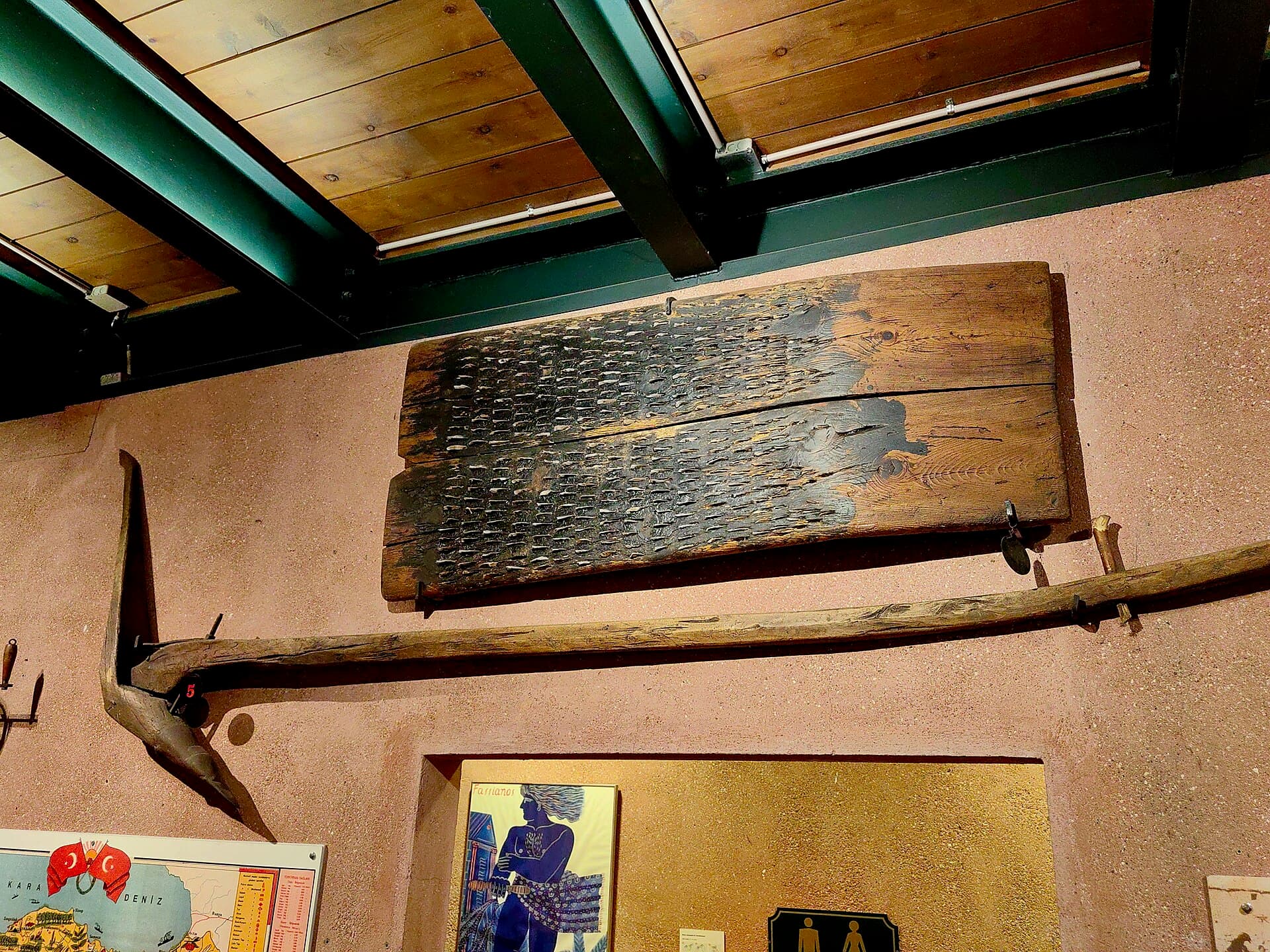 Rahmi M. Koç MuseumA 1950s Bosphorus ferry is moored on the Golden Horn and you can walk aboard her18 minutes walk4.7
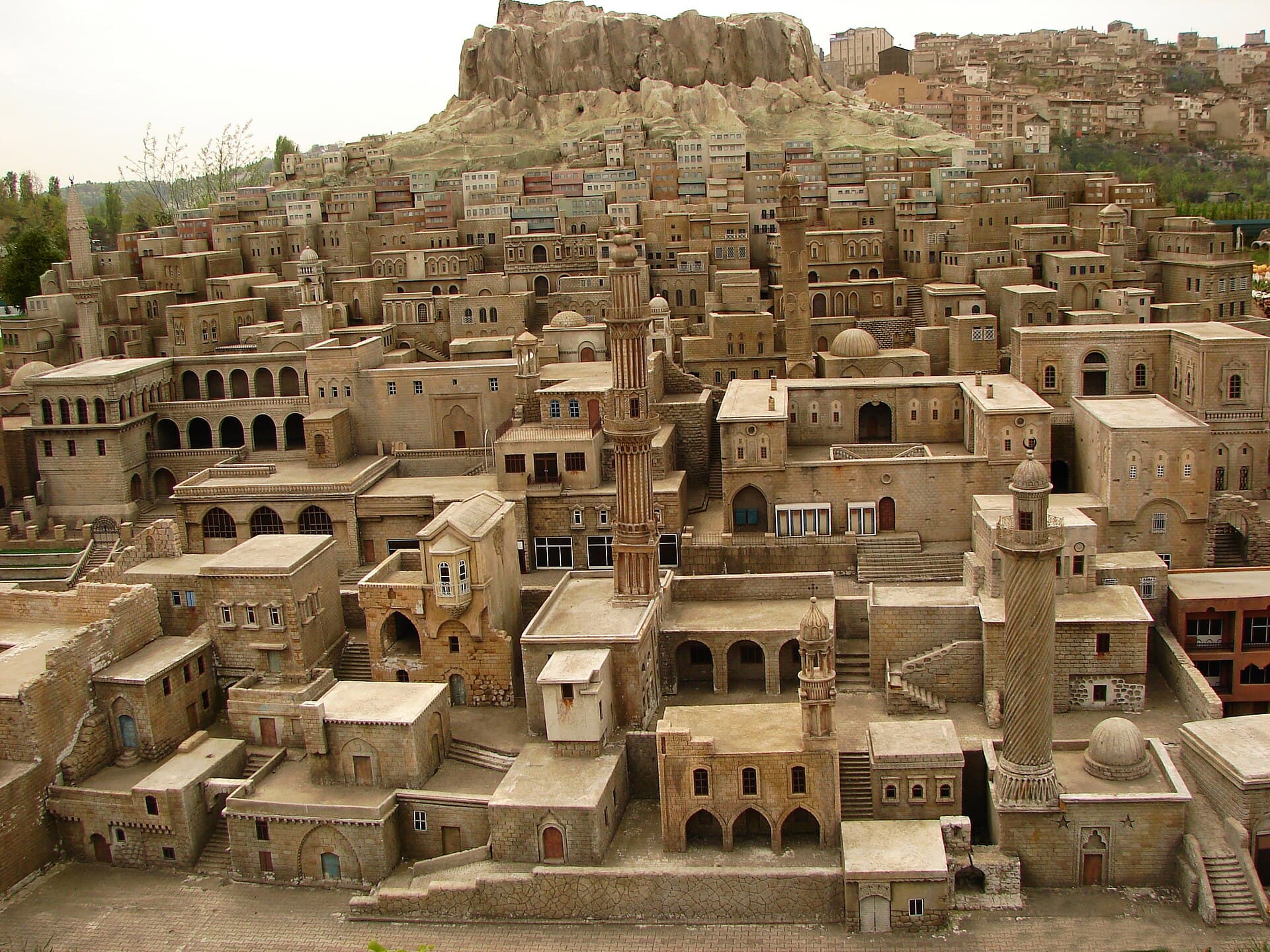 MiniatürkHagia Sophia, the Dome of the Rock, the Mostar Bridge and Rumi's tomb in Konya s23 minutes walk4.5
 Chora (Kariye)A Byzantine building in the Edirnekapı district west of historic Istanbul, holdi24 minutes walk4.4
Khalid ibn Zayd, a Companion of the Ansar in Medina, in whose house the Prophet stayed on his migration there before the mosque and his own dwellings were built. He took part in the conquests as an old man, and was with the army besieging Constantinople under the caliph Mu'awiya, where he died and was buried near the walls at his own request.
Modest dress and hair covered for women as at any mosque, but here add respect for the nature of the place: complete quiet at the tomb, no photography there, and not passing in front of those praying. Crowds are heavy on Fridays and at festivals, so choose an ordinary weekday morning if you want calm.