
Rafts hundreds of metres long
Steering them through bends and bridges took high skill.
Flocci Nivis — CC BY 4.0 · DXR — CC BY-SA 4.0 · Simsalabimbam — CC BY-SA 3.0 · Simsalabimbam — CC BY-SA 3.0
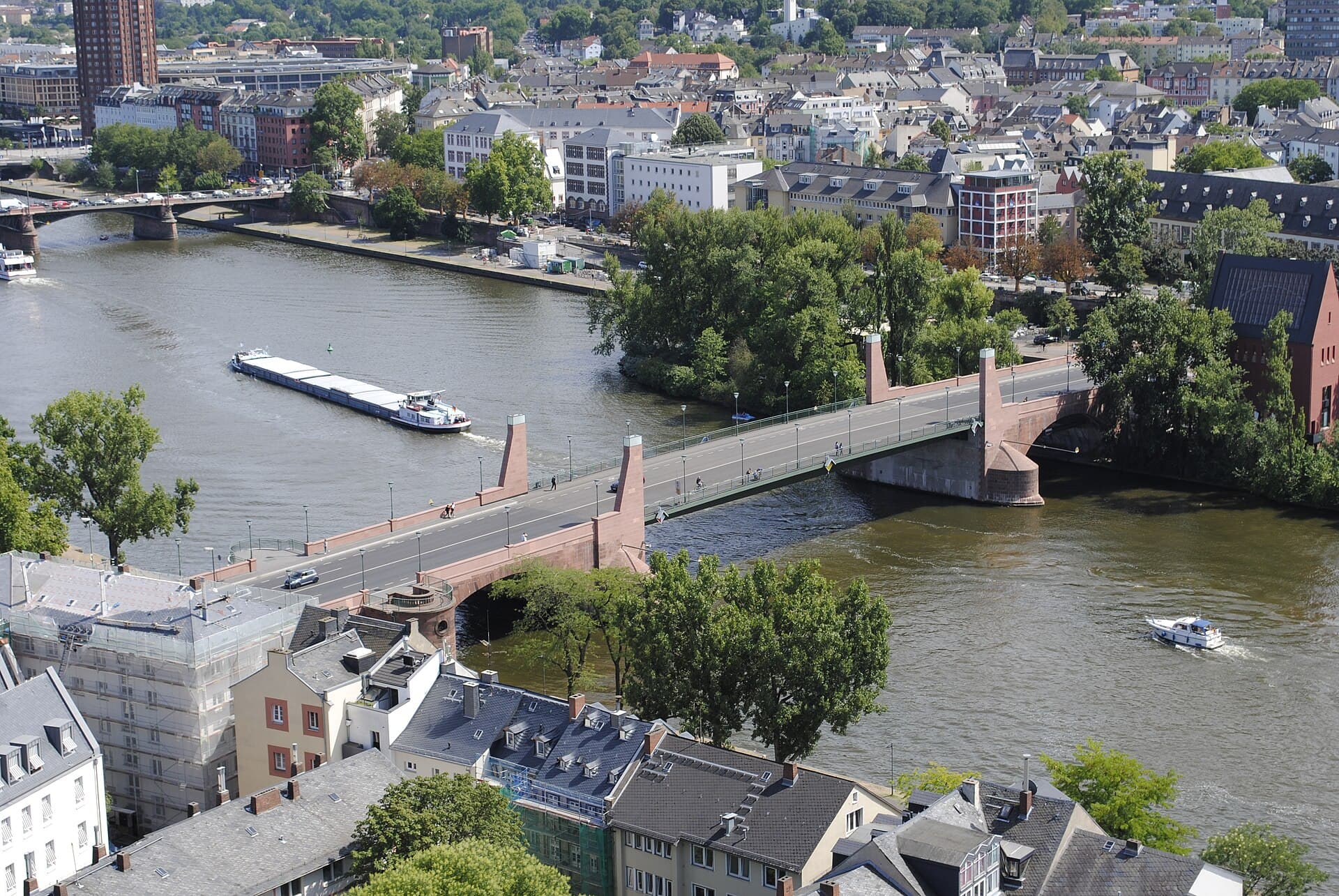
A bridge over the river Main east of central Frankfurt, whose name, Flösserbrücke, means the raftsmen's bridge, after the trade of moving timber downriver as rafts. The trade itself has vanished but it shaped the German economy for centuries: trees were felled in the Black Forest and the Main valleys, their trunks lashed into enormous rafts, and raftsmen steered them with the current to the towns of the plain and sometimes as far as the Netherlands, where they were used in shipbuilding and building foundations. The whole of Amsterdam stands on timber piles, many of which arrived this way. Rafting was dangerous work: the rafts ran to hundreds of metres, steering them through the river's bends and bridges took high skill, and drowning was common. The trade died out with the railways in the nineteenth century. The names of bridges and streets in many German river cities still carry the trace of this trade, and it is usually the only trace left of it. Practical points: crossing is free and always open, and the bridge has a pedestrian walkway. It gives a view of the Frankfurt skyline from the east.
Steering them through bends and bridges took high skill.
The city stands on wooden piles, many of which arrived by raft.
Rafting vanished in the nineteenth century, surviving only in names.
On the Main, east of central Frankfurt
 Alte BrückeThe Alte Brücke crosses the river Main and links the old town with the Sachsenha6 minutes walk4.6
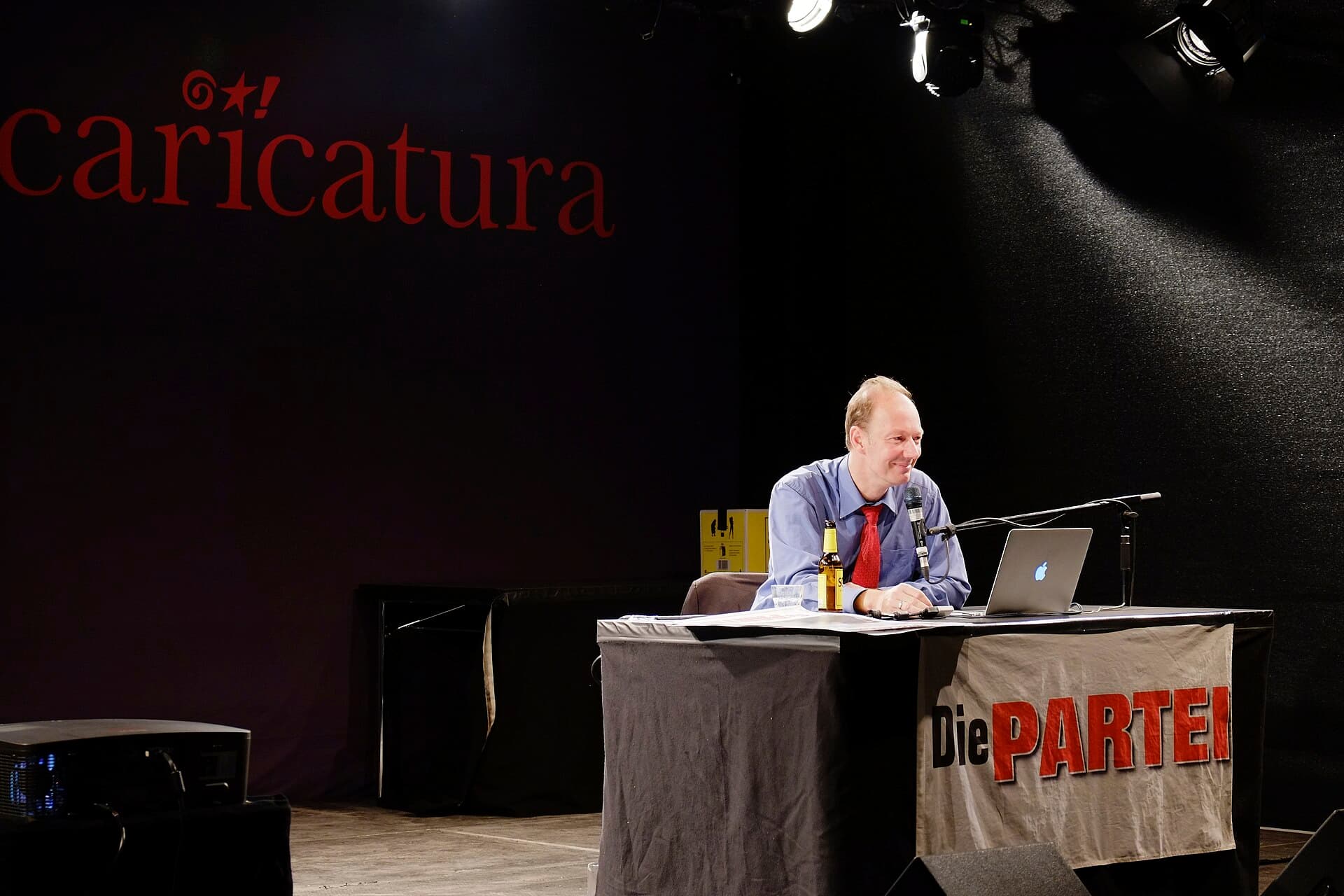 Caricatura MuseumThe Caricatura Museum is a small museum devoted to cartoon and satirical drawing9 minutes walk4.6
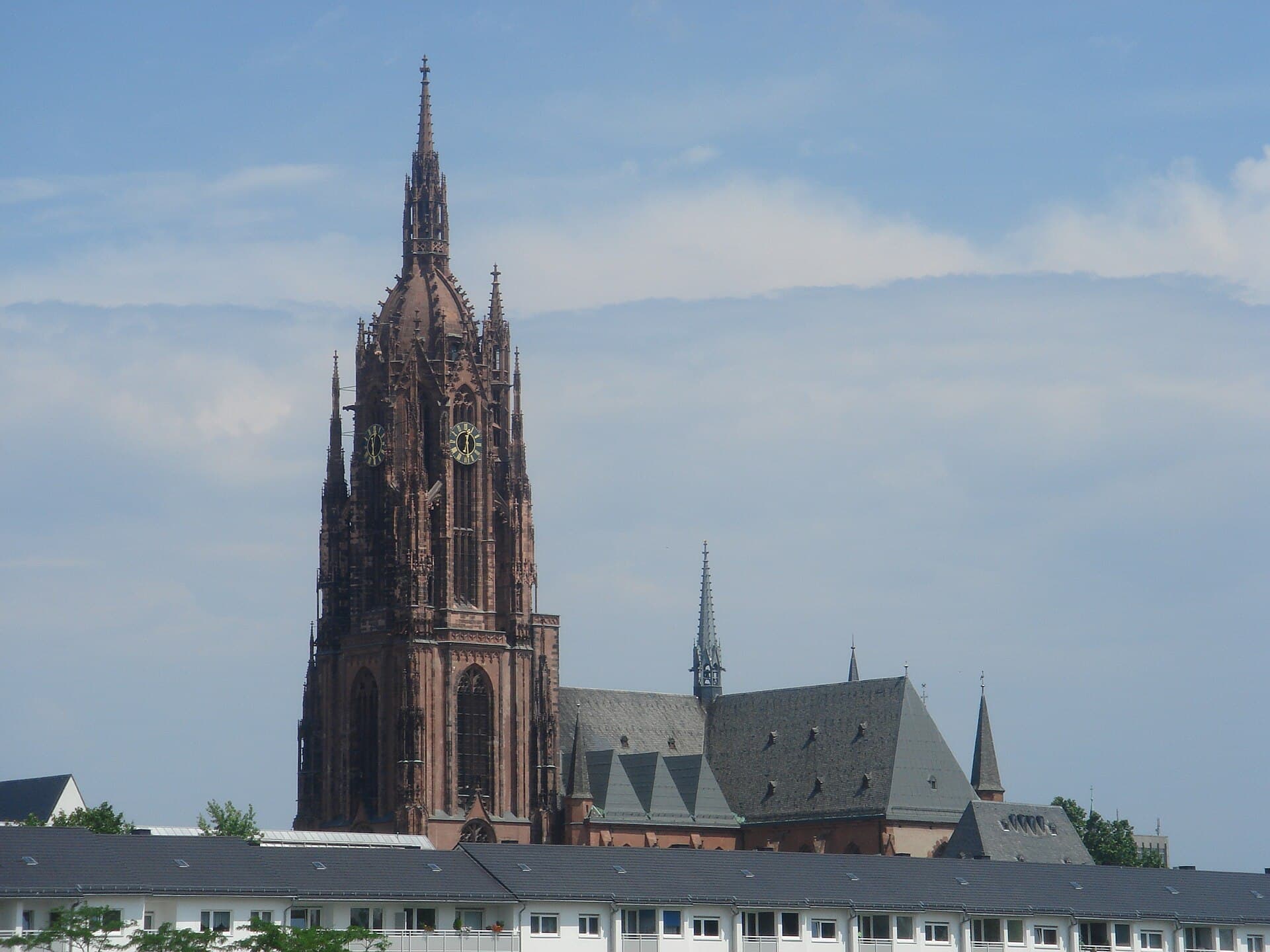 Frankfurt CathedralFrankfurt Cathedral is a red Gothic church in the middle of the old town, its ta10 minutes walk4.5
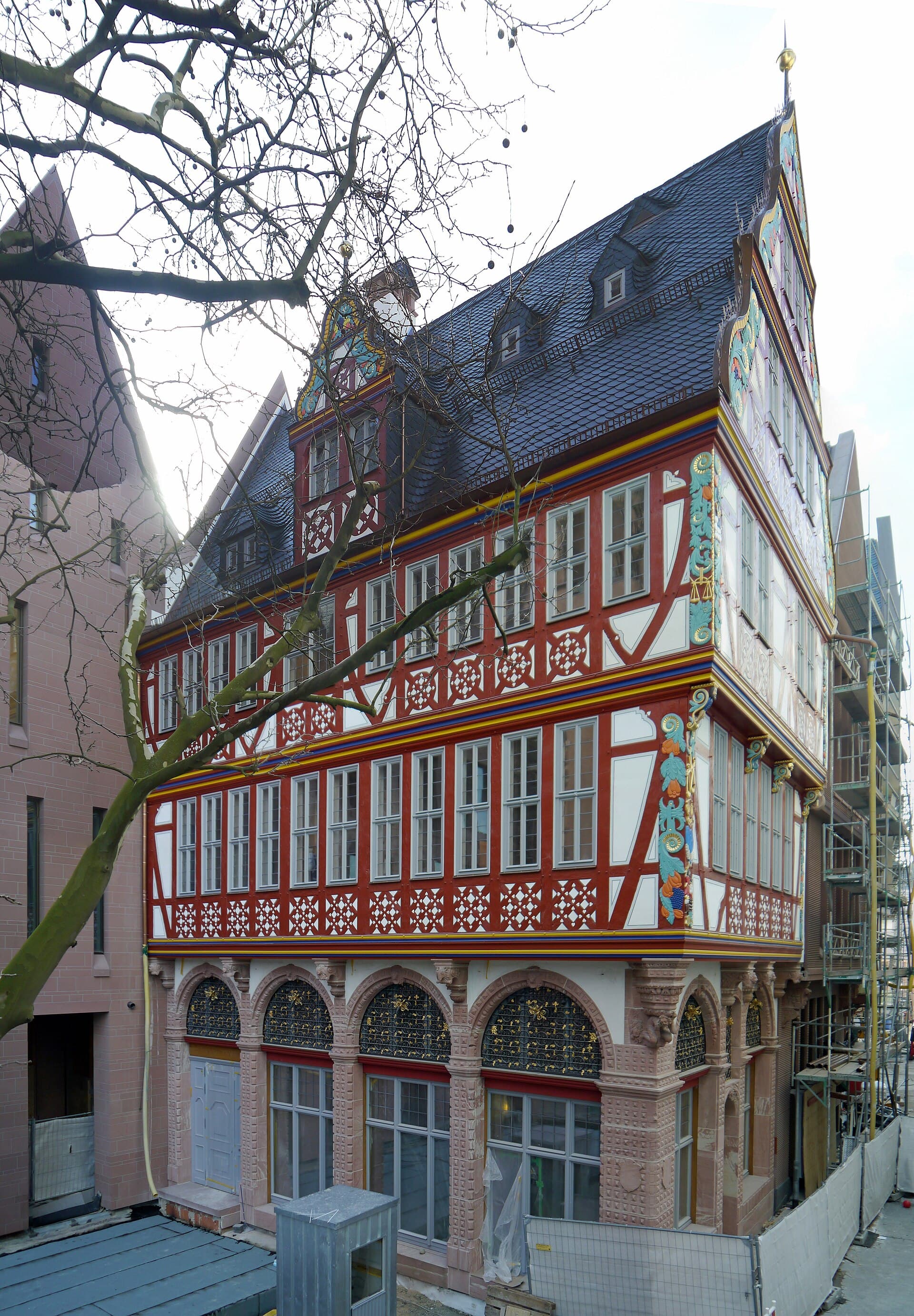 New Old TownThe New Old Town is a small quarter in the middle of Frankfurt that opened in 2010 minutes walk4.7
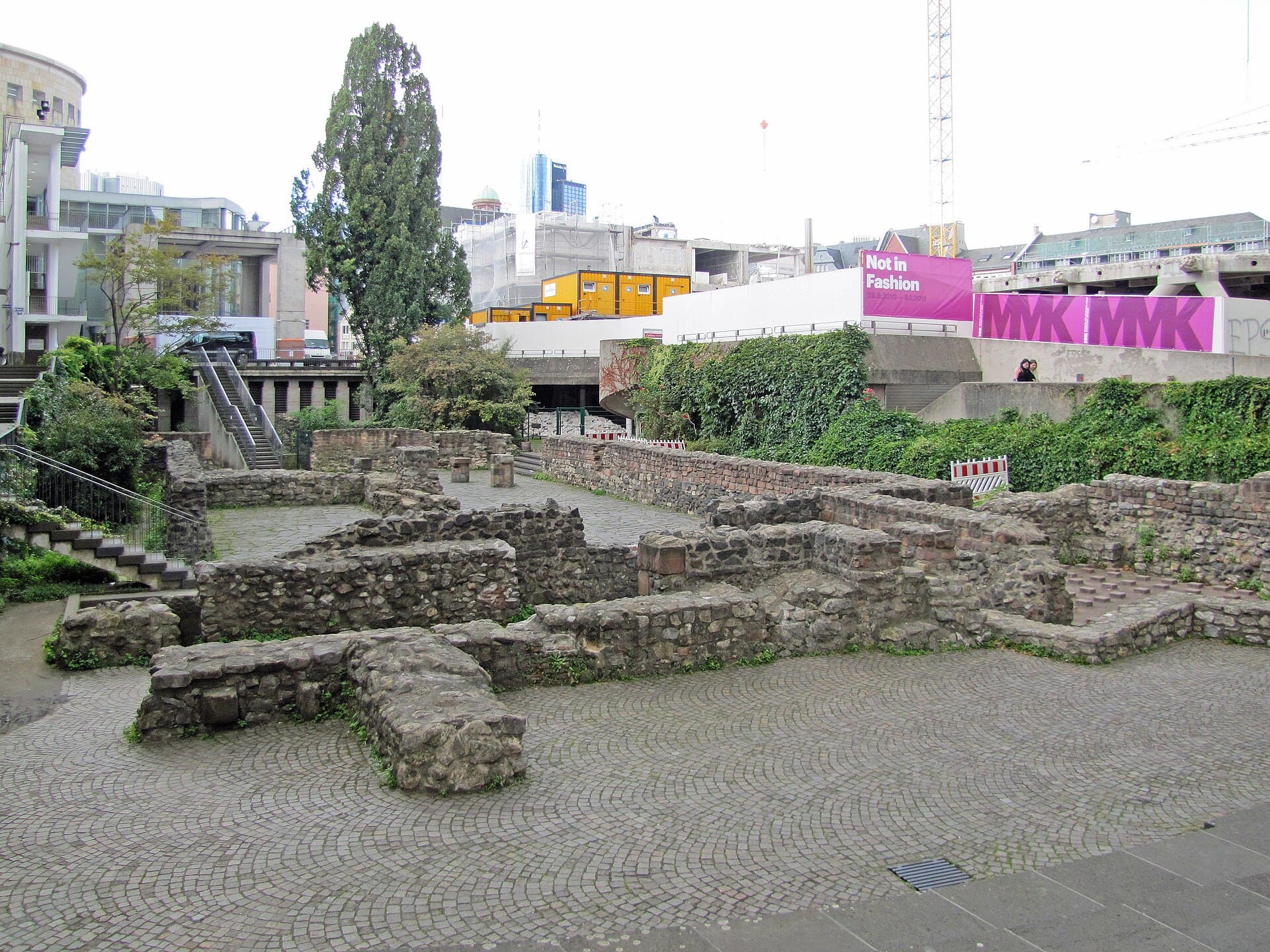 Kaiserpfalz FranconofurdThe Kaiserpfalz is an open archaeological site between the cathedral and the new10 minutes walk4.5
Trees were felled in winter and dragged to the nearest stream, then lashed into small units released with the spring melt. As the river widened the units were combined into larger rafts, until vast ones ran on the Rhine. Raftsmen lived on the raft for weeks in small huts built on it, sold the timber at the destination, then returned on foot or by cart. The trade was hereditary and family-based in many Black Forest villages.
From the eastern Main bridges like this one, or from the southern Sachsenhausen bank, both free. For a view from above, the Main Tower platform is open to the public on a ticket and is the only one of its kind in the city. Sunset is the best time, as the towers light up in sequence.