
A Gowa fort
From the sixteenth century.
Sanko. — CC BY-SA 3.0 · Ali Froghi — CC BY-SA 4.0 · Charles William Meredith van de Velde — Public domain
Makassar's best-known historic site, a fort first built by the Muslim sultans of Gowa in the sixteenth century as Ujung Pandang, then seized by the Dutch after the Treaty of Bongaya in 1667 and rebuilt as Rotterdam. Seen from above, its plan is said to resemble a turtle crawling towards the sea. Within the high walls, white colonial buildings with red roofs stand around a lawn, some housing the La Galigo Museum on the history and cultures of South Sulawesi's Bugis, Makassar and Toraja peoples, from boats and weapons to costumes and manuscripts. Prince Diponegoro, hero of the Java War, was imprisoned here until his death. Entry is by donation or a token fee, with the museum a small separate charge. It is open throughout the day. Come in the morning or late afternoon, walk the walls for sea views, then continue to the nearby Losari promenade for sunset.
From the sixteenth century.
South Sulawesi's cultures.
The Java War hero.
Jalan Ujung Pandang, on the waterfront, Makassar
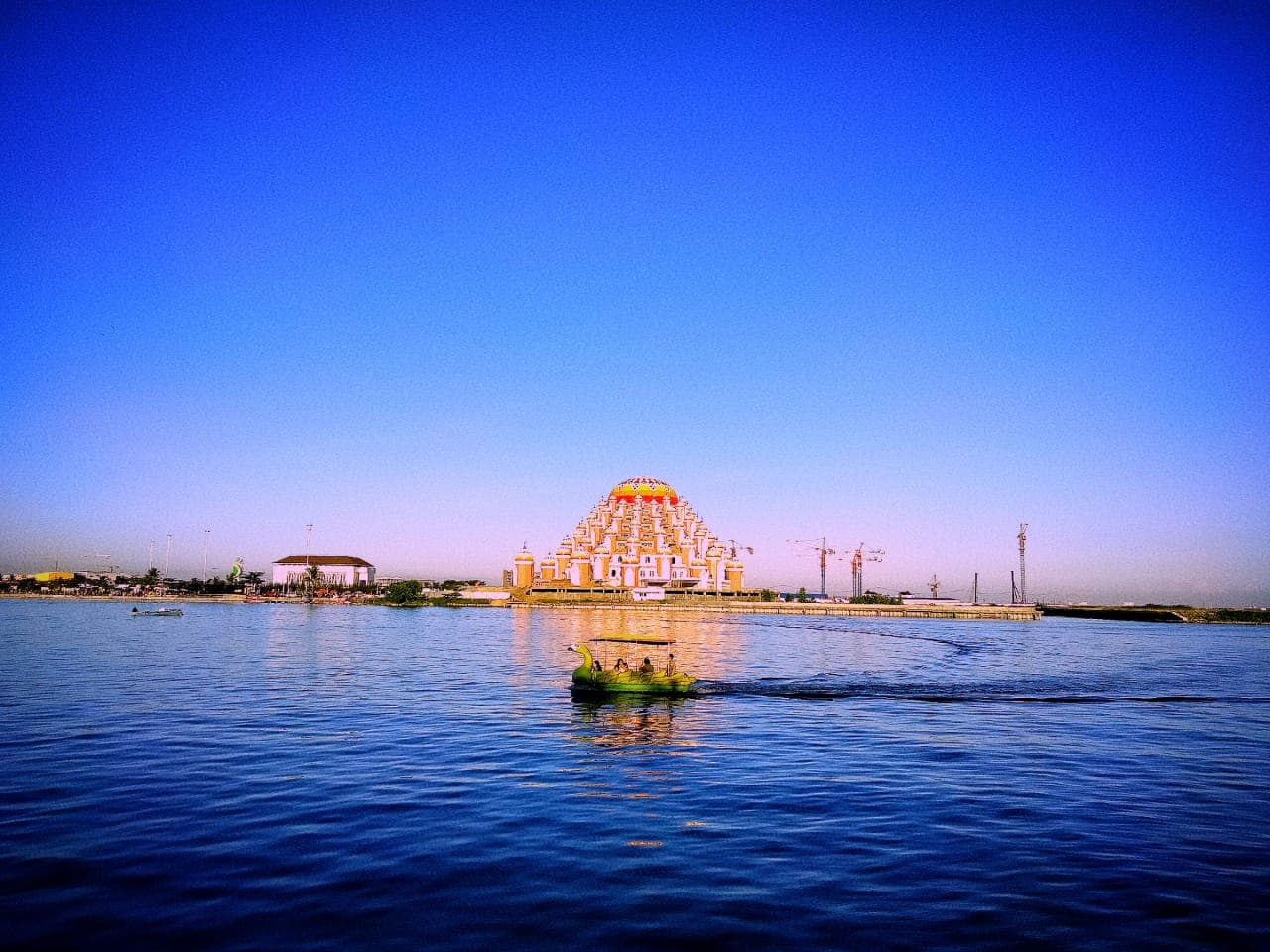 Losari Beach PromenadeMakassar's best-known seafront, a long promenade on the Makassar Strait that is 14 minutes walk
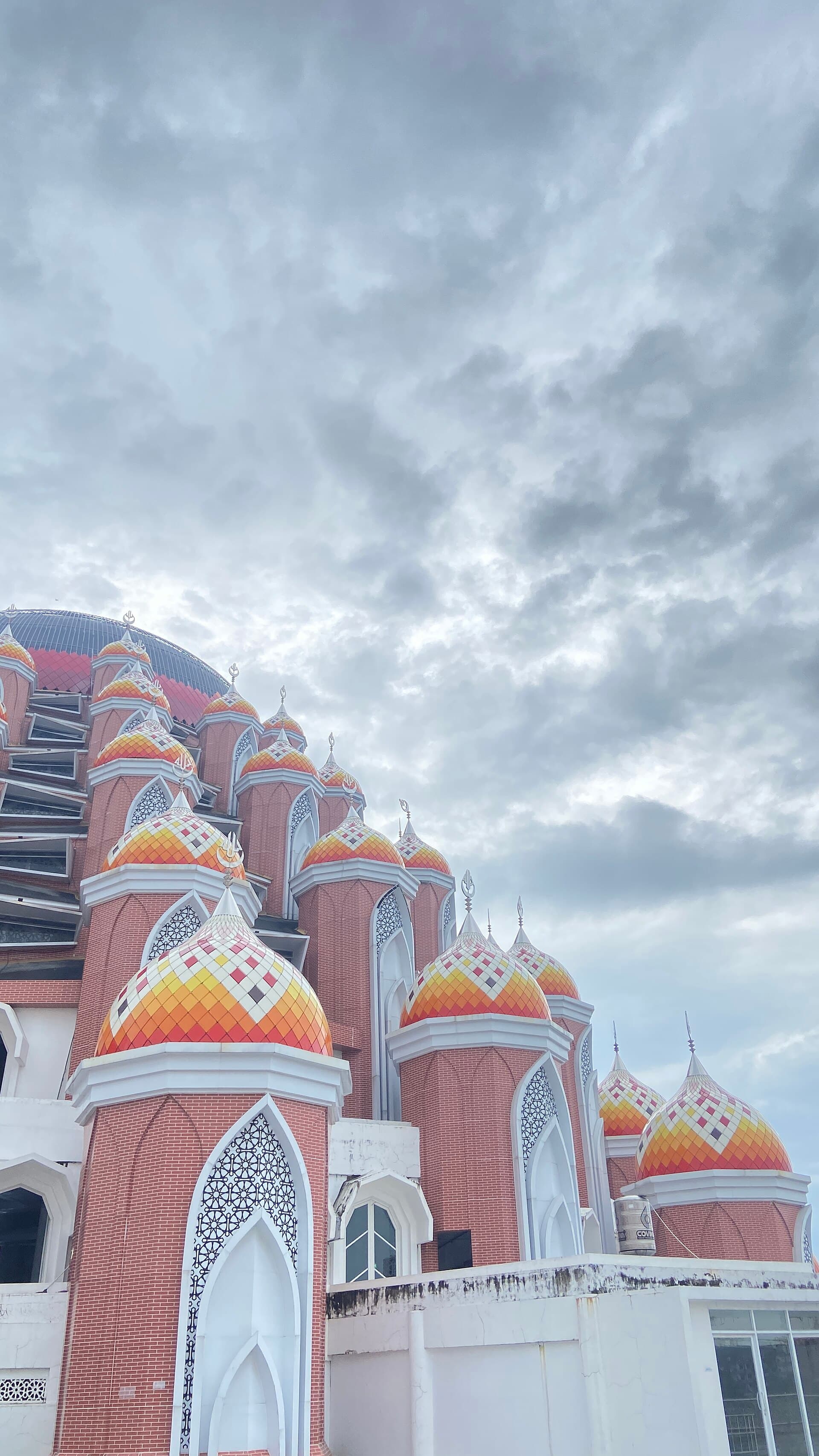 99 Domes Mosque (Asmaul Husna Mosque)One of Indonesia's newest and most distinctive mosques, standing on land reclaim14 minutes walk
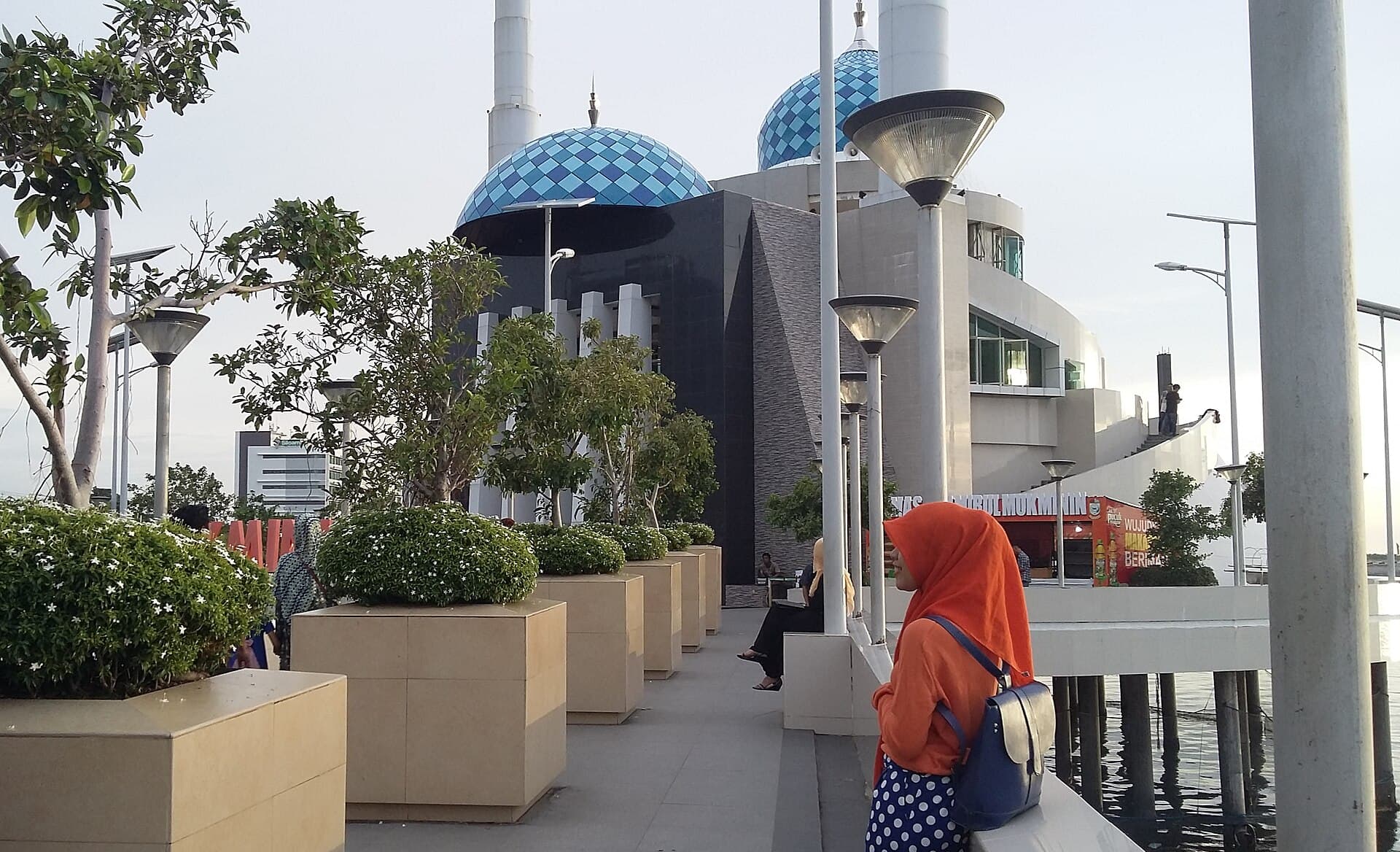 Amirul Mukminin Floating MosqueA small, lovely mosque standing on pillars over the waters of Losari bay, so at 18 minutes walk
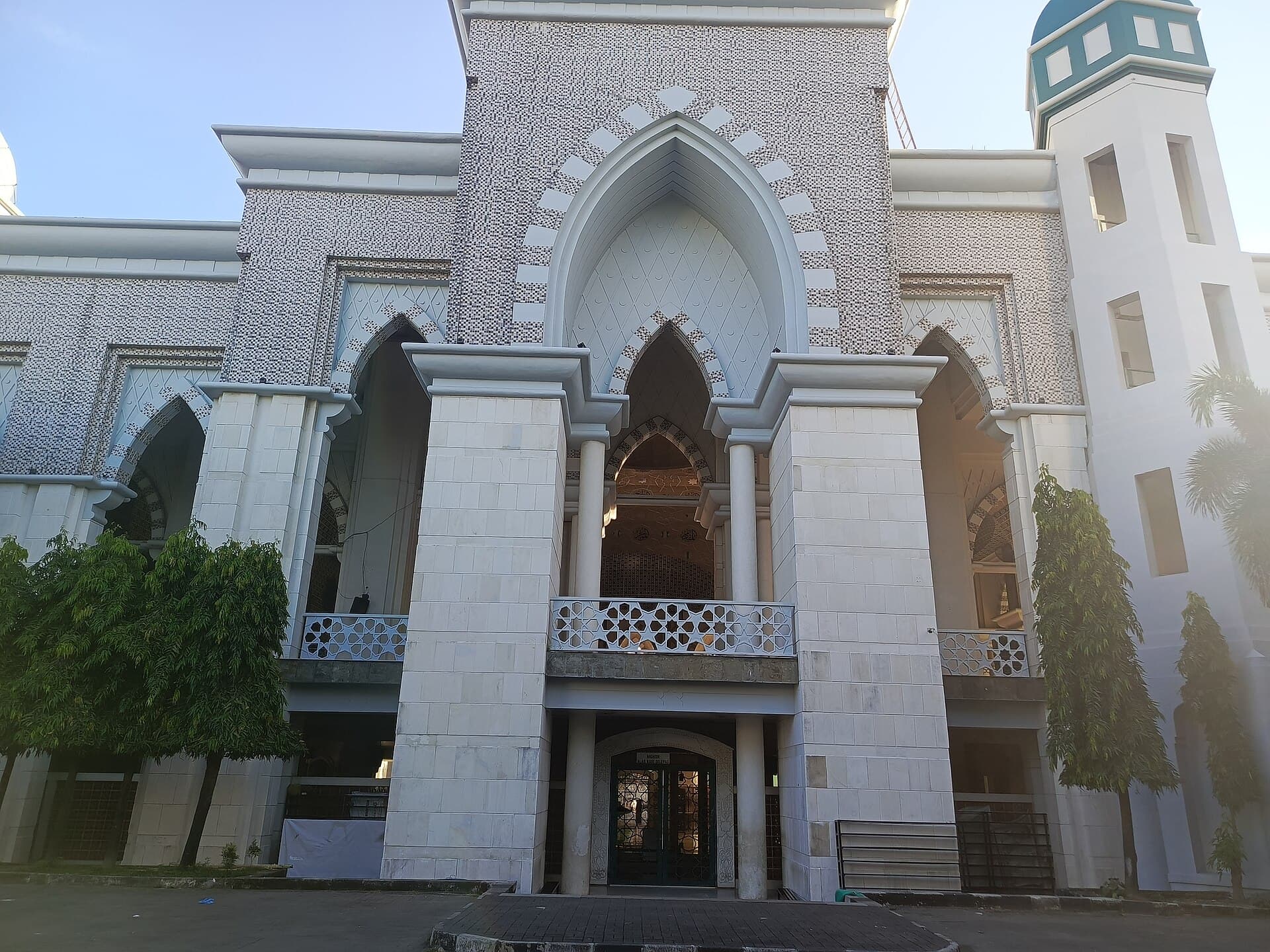 Grand Mosque of MakassarMakassar's congregational mosque, founded in the late 1940s and fully rebuilt at20 minutes walk
An hour for the fort and museum, more to walk the walls. Combine it with Losari and the floating mosque in one afternoon.