
Krupp cupolas
305 mm guns.
Chensiyuan — CC BY-SA 4.0 · MPMrocha — CC BY-SA 4.0 · Joalpe — CC BY-SA 4.0 · Joalpe — CC BY-SA 4.0
Fort Copacabana stands on the headland at the southern end of Copacabana beach, built by the Brazilian army between 1908 and 1914 to guard the beach and the entrance to Guanabara Bay. Its two armoured cupolas hold Krupp guns, a pair of 305-millimetre cannons that could throw a 445-kilogram shell 23 km and a pair of 190-millimetre guns; with those of two nearby forts, they are among the last heavy Krupp fortress cupolas left in the world. On 5 July 1922 it was the centre of the Copacabana Fort revolt, the first rising of the young officers' tenentista movement; a battleship shelled it and it surrendered the next day. Deactivated as a coastal artillery post in 1987, it now houses the Army Historical Museum. Its grounds also give a fine view along the whole of Copacabana beach. Tickets cost R$10 (half price R$5), cash only; open Tuesday to Sunday and holidays, 10:00-19:00.
305 mm guns.
The fort's history.
Along the beach.
Southern end of Copacabana beach, Rio de Janeiro
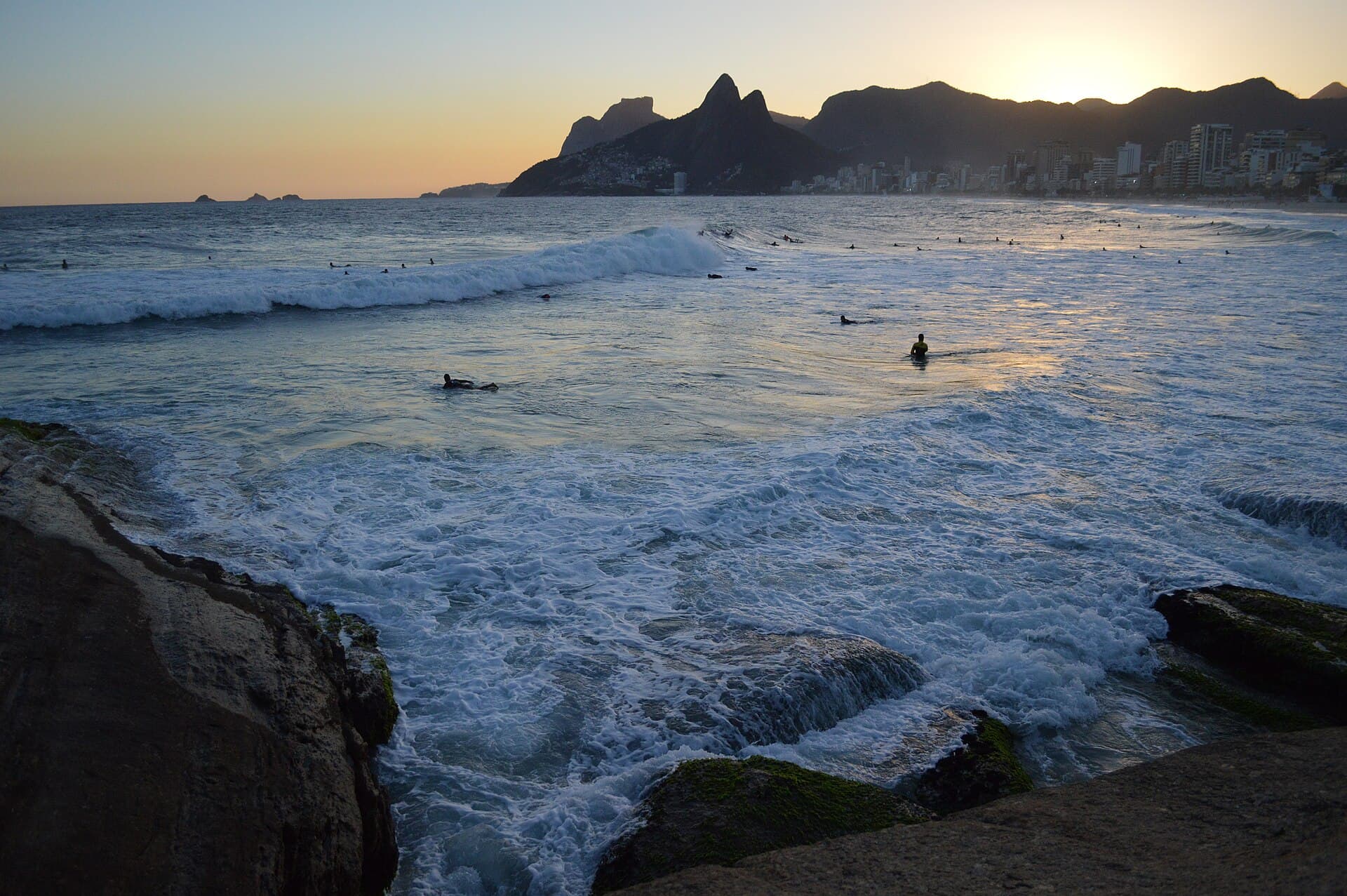 ArpoadorArpoador is a rocky outcrop and small beach between Ipanema and Copacabana in Ri7 minutes walk4.7
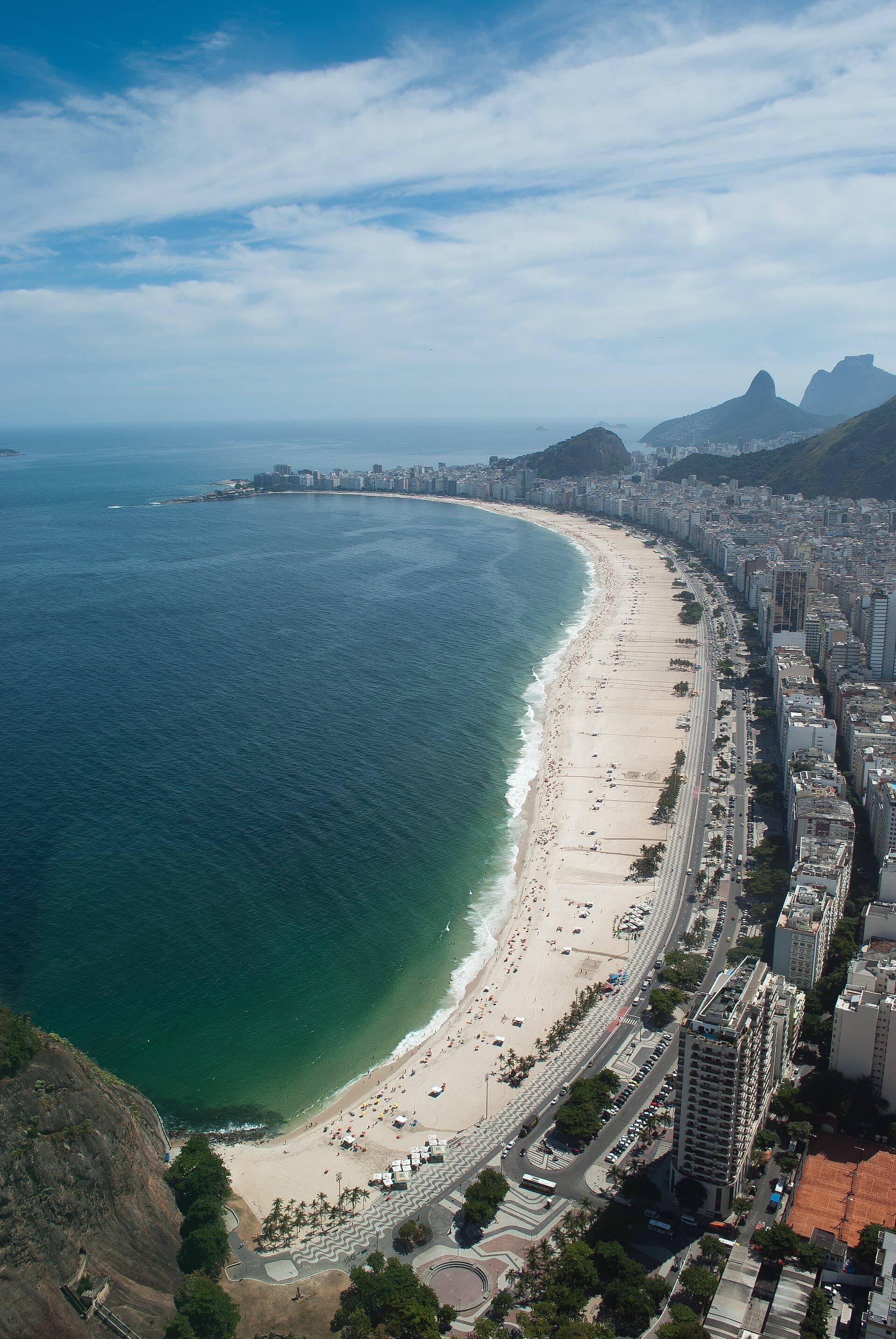 Copacabana BeachCopacabana is Rio's most famous beach, a curve of white sand about four kilometr17 minutes walk4.6
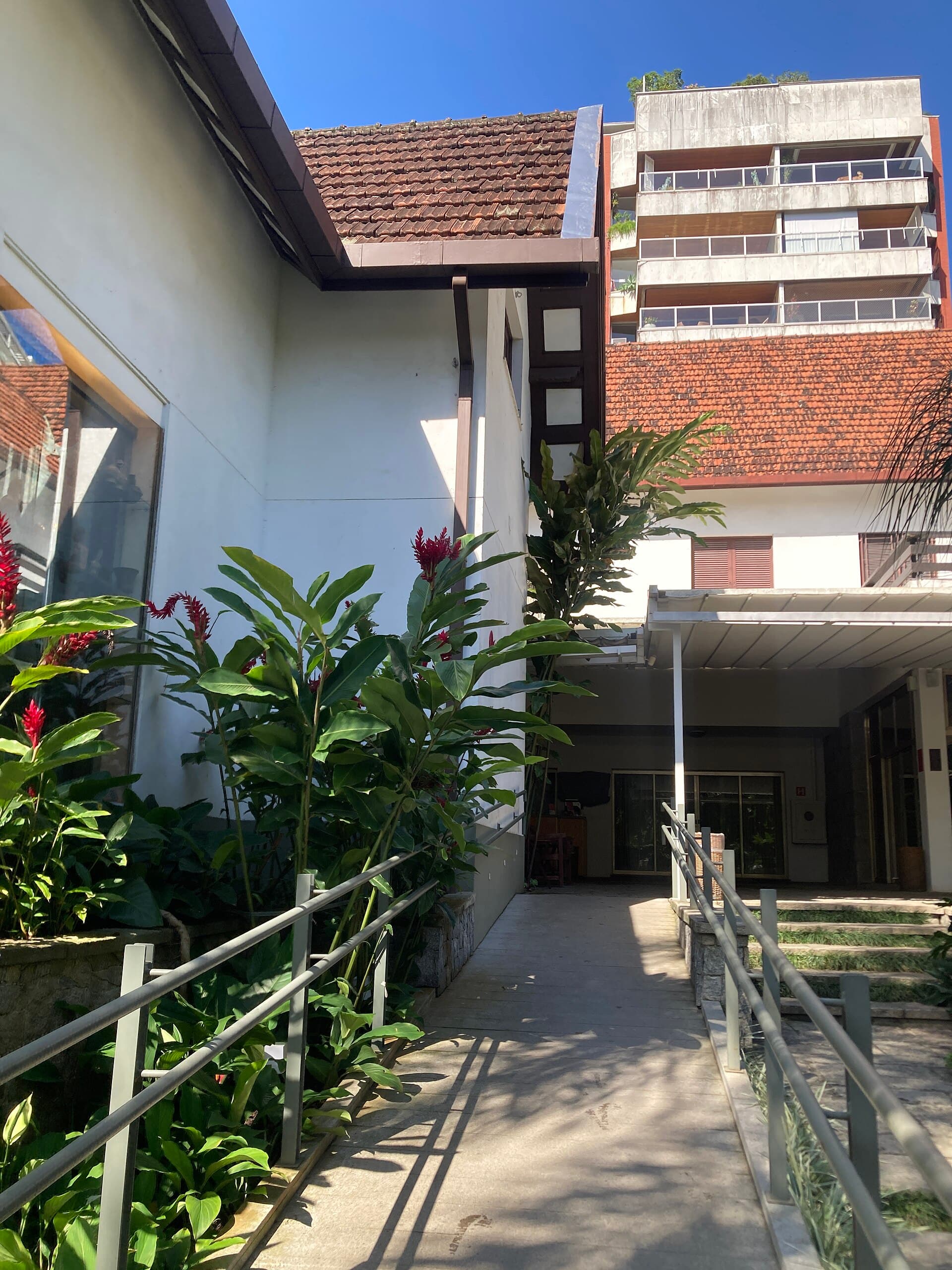 Casa Museu Eva KlabinOn the shore of the Rodrigo de Freitas lagoon stands the house where the collect20 minutes walk4.6
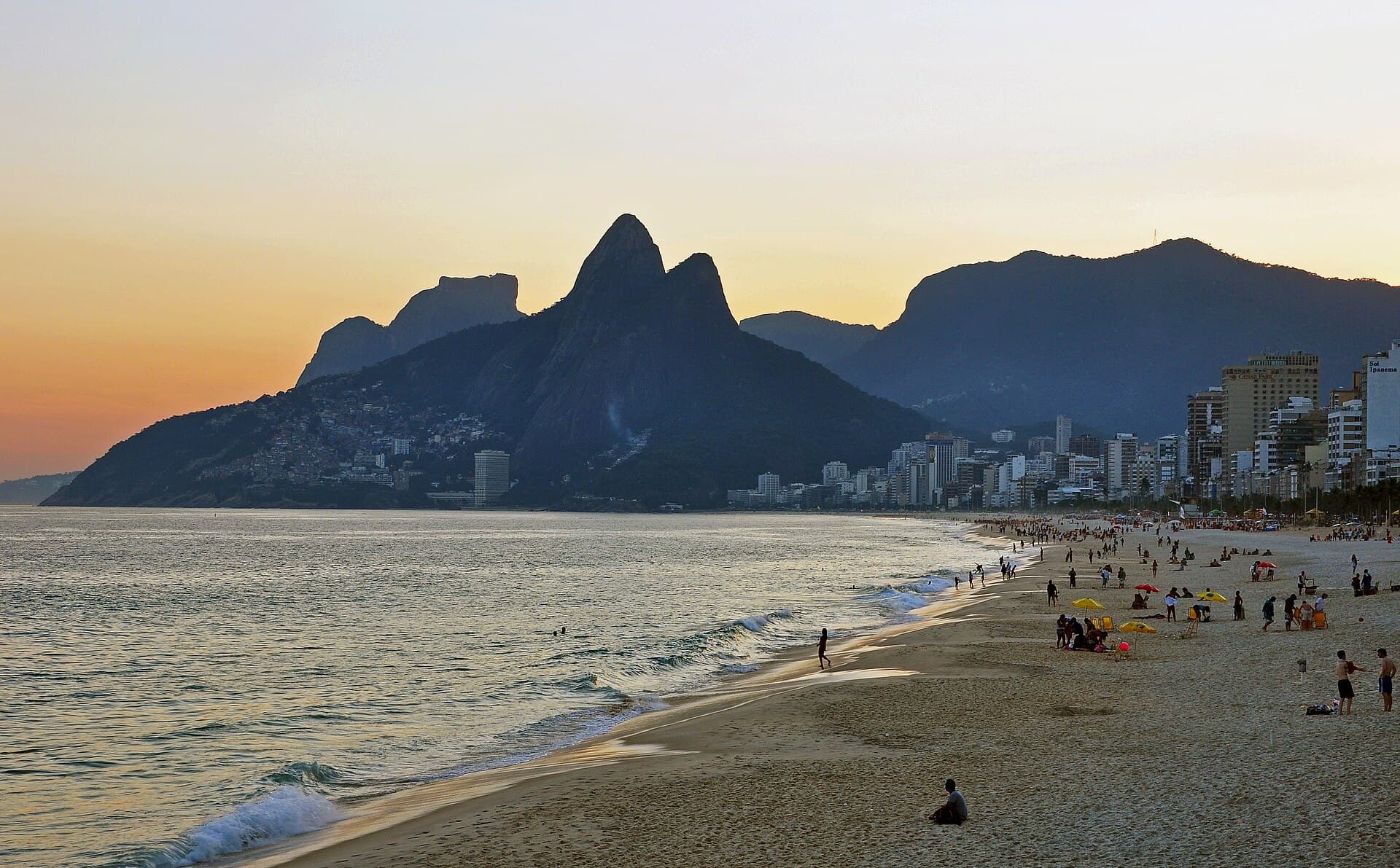 Ipanema BeachIpanema is Rio's stylish beach, between the Arpoador rock and Leblon, made world22 minutes walk4.8
No, cash only: R$10, or R$5 half price.