
Stone arch
On the Arabian Sea.
Neeraj Rane — CC BY-SA 4.0 · PJeganathan — CC BY-SA 3.0 · Vaibhavwath — CC BY-SA 4.0 · Soumyabrata Roy — CC BY-SA 4.0 · Ajaykumar0197 — CC BY-SA 4.0 · Doris Antony, Berlin — CC BY-SA 3.0 · Rakesh from Bangalore — CC BY-SA 2.0 · Dinesh Valke from Thane, India — CC BY-SA 2.0
Mumbai's best-known landmark, a massive stone arch on the South Mumbai waterfront, completed in 1924 to commemorate the arrival in 1911 of King George V, the first British monarch to visit India. The architect George Wittet designed it in the Indo-Saracenic style, drawing on sixteenth-century Gujarati architecture, in yellow basalt, with a soaring central arch flanked by turrets and decorated balconies, looking straight out over the Arabian Sea. In front is a wide plaza where visitors, photographers and balloon sellers gather; across the way stands the historic Taj Mahal Palace hotel with its red dome, and boats leave from the jetty next door for harbour trips. It's free and always open. Come early in the morning before the crowds, or in the evening when the arch and the hotel are lit up. It sits at the end of the Colaba Causeway shopping street.
On the Arabian Sea.
Across the way.
From the jetty.
Apollo Bunder, Colaba, South Mumbai
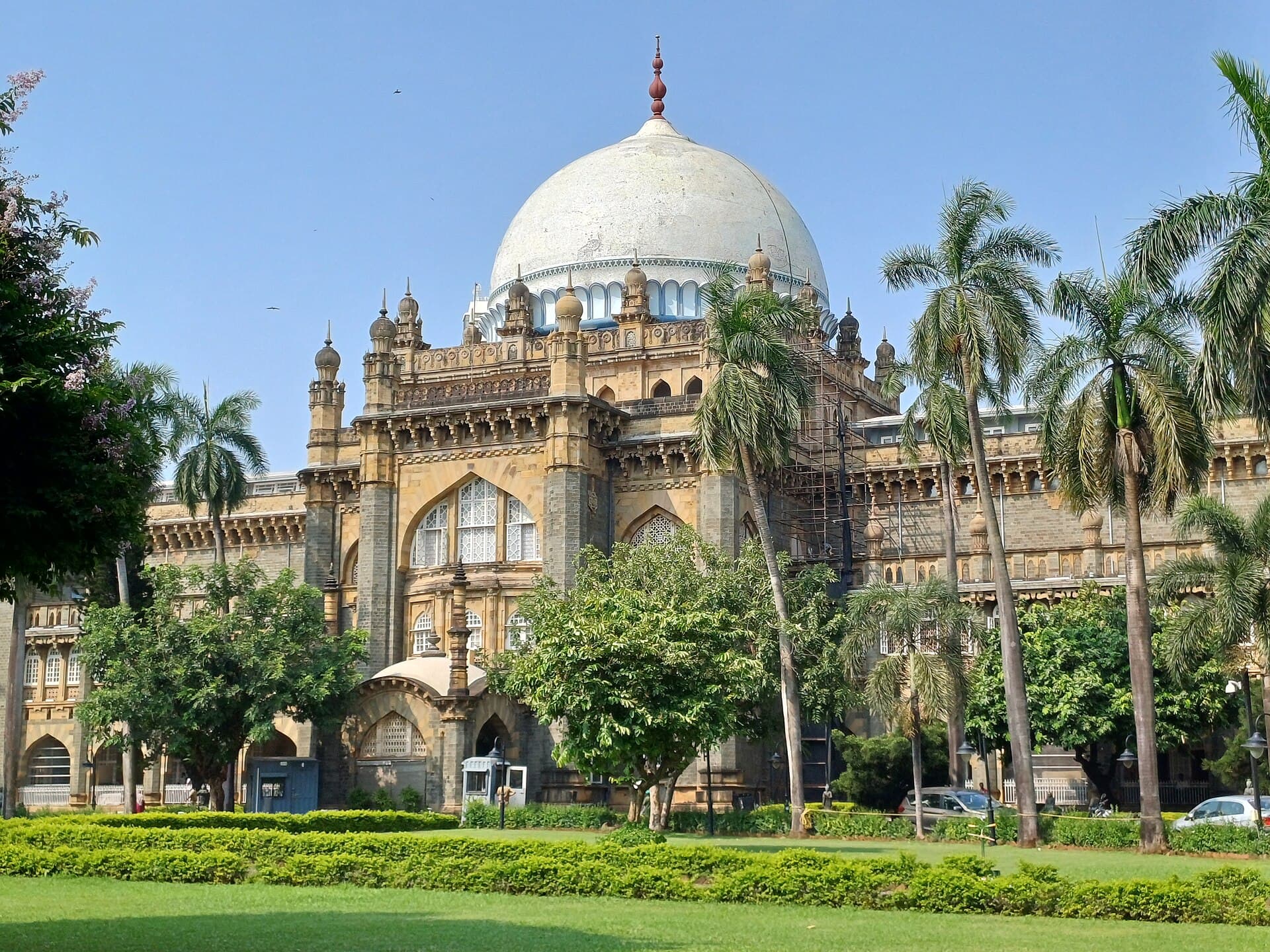 Chhatrapati Shivaji Maharaj Vastu SangrahalayaMumbai's largest museum, formerly the Prince of Wales Museum of Western India, f7 minutes walk4.5
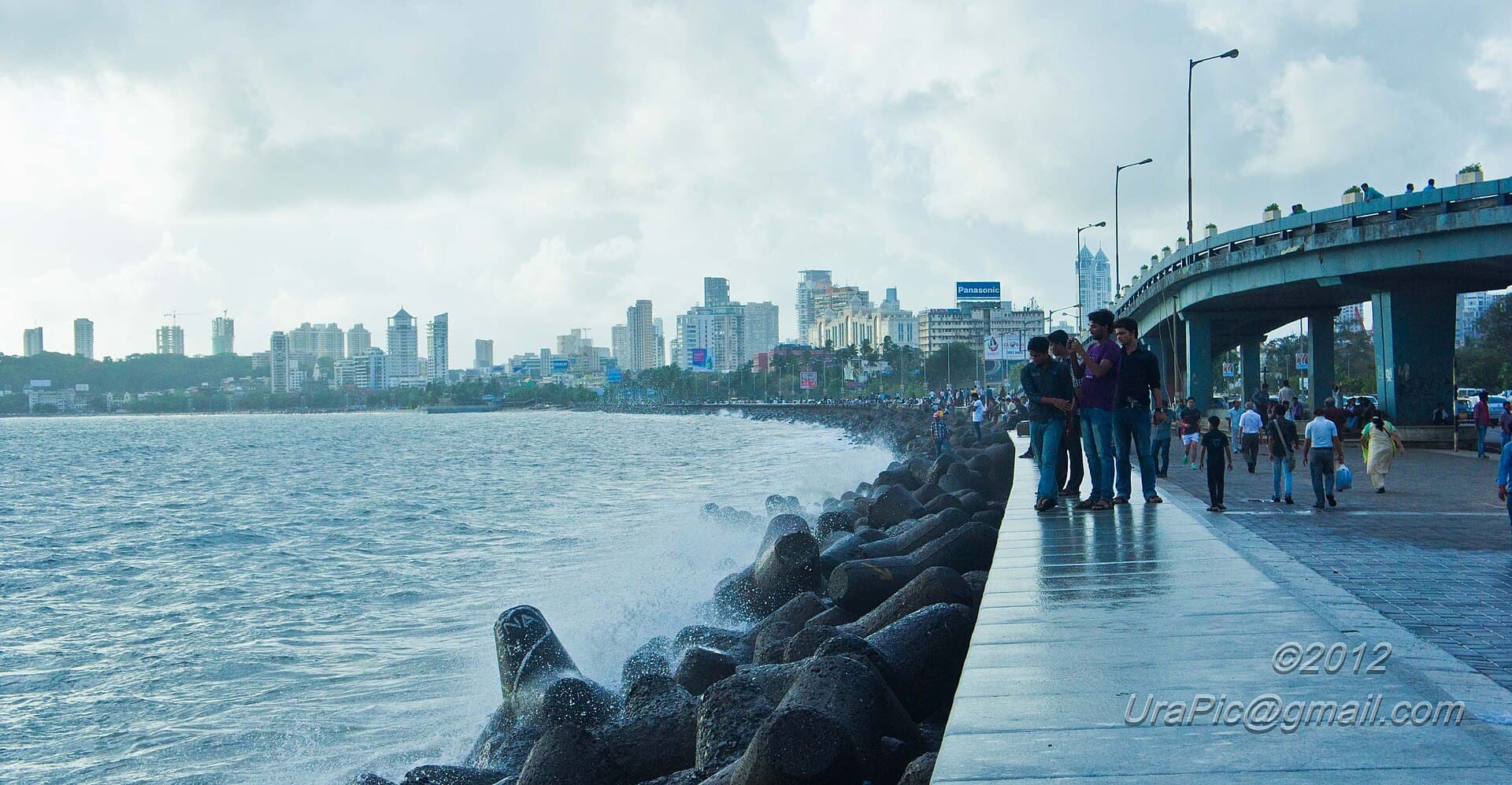 Marine DriveA 3-kilometre seafront promenade along a natural bay in South Mumbai, built on l20 minutes walk4.6
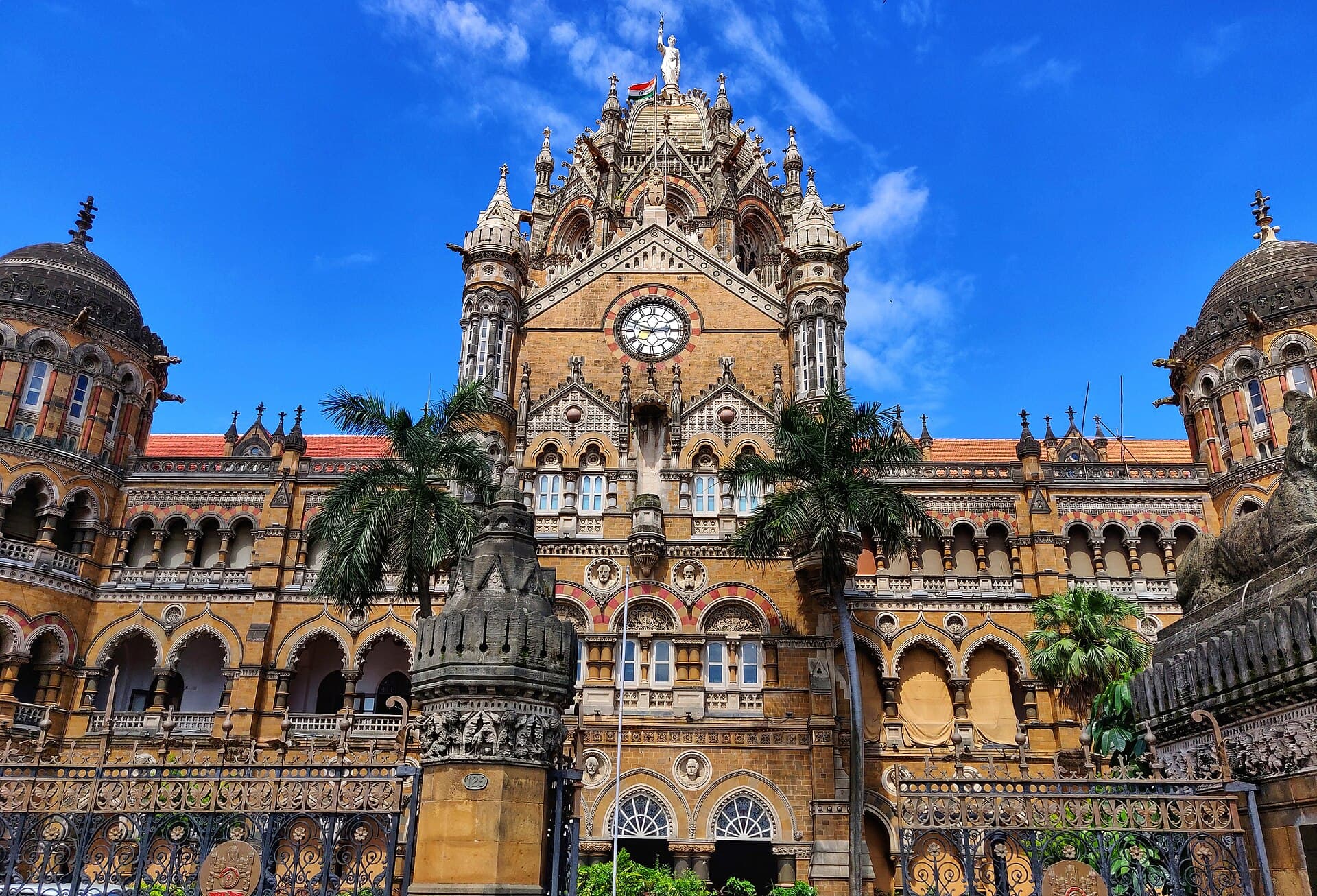 Chhatrapati Shivaji Maharaj TerminusA historic railway terminus and UNESCO World Heritage Site, known as Victoria Te25 minutes walk4.4
Yes. It's free and always open; early morning or evening, when it is lit up, is best.