The tractor hall
More than a hundred machines, from the earliest German models onward.
© Ra Boe / Wikipedia — CC BY-SA 3.0 de · Johannes Fasolt — Public domain · © Ra Boe / Wikipedia — CC BY-SA 3.0 de · © Ra Boe / Wikipedia — CC BY-SA 3.0 de
Germany's national museum of agricultural technology sits on the Hohenheim campus at the far southern edge of Stuttgart and is run by the university's faculty of agricultural sciences. The exhibition covers some five thousand seven hundred square metres and holds more than a hundred tractors, alongside ploughs, threshing machines, dairy equipment and the steam engines that changed the face of the European countryside. The thread running through the collection is the shift from human and animal muscle to the machine: how a farm once needed a family of eight to work land that one man on a tractor seat now manages alone. The tractor hall spans a full century from the earliest German-built models to post-war designs, and a further section covers the history of the university itself, founded in 1818 in the wake of the great famine year of 1816 to teach farmers how to feed their country. Tickets are four euros for adults and one euro reduced. Opening hours change with the season: from April to October it opens Tuesday to Friday morning and afternoon and at weekends from ten to five, while from November to March it opens only on Sundays and public holidays. Reach it on underground line three to Plieningen and a short walk, and the sensible plan is to combine it with the Hohenheim gardens on the same visit. Most labels are in German only.
More than a hundred machines, from the earliest German models onward.
What a farming family used before machines arrived.
Garbenstrasse 9a, 70599 Stuttgart
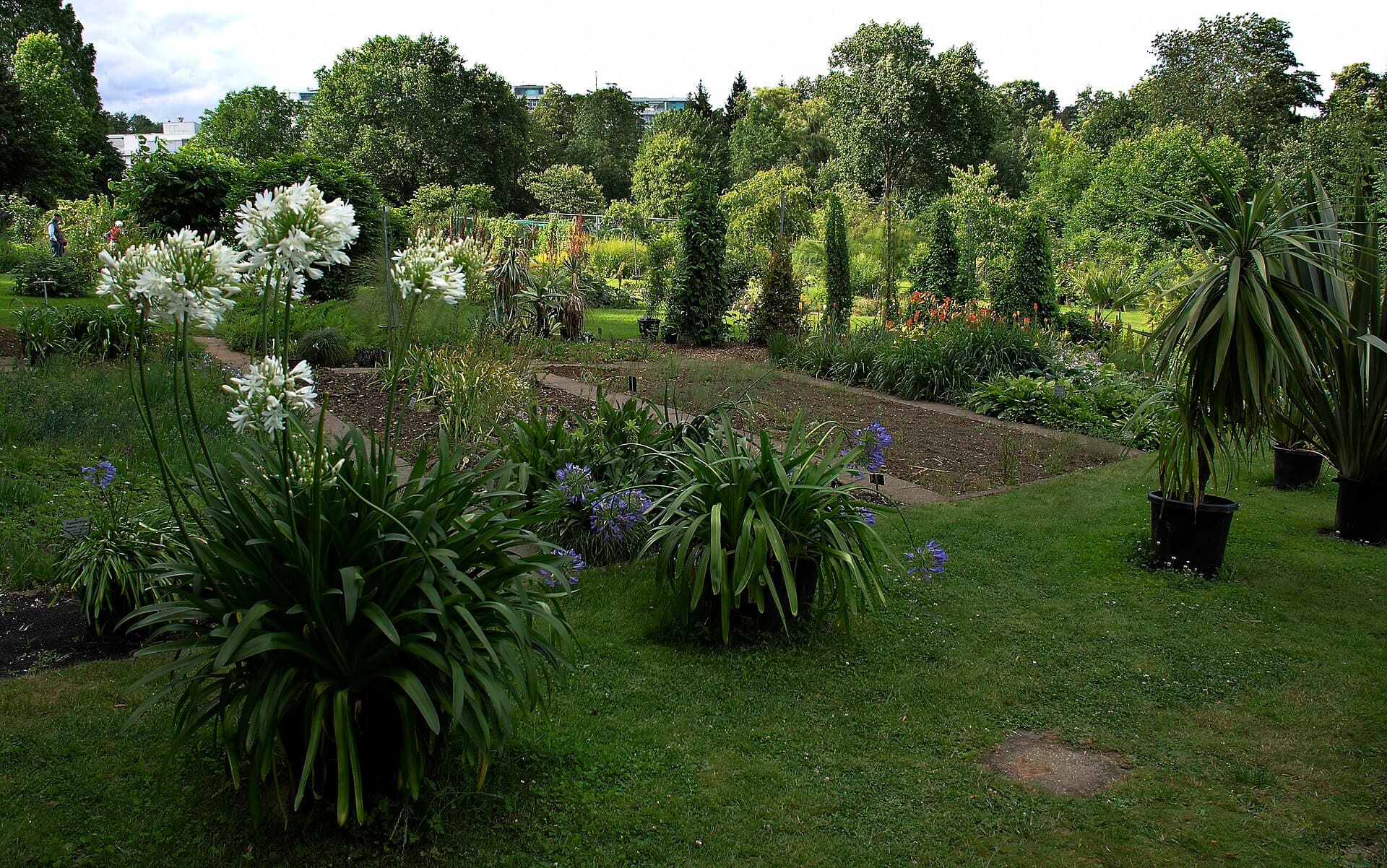
Take underground line three to Plieningen at the southern end of the network, then walk a few minutes onto the Hohenheim campus. The palace, its free thirty hectares of gardens and the museum stand together, so a single afternoon covers all three comfortably.