The waterfront
Yellow and red houses.
Fawaz.tairou — CC BY-SA 4.0 · Moumenmehdi — CC BY-SA 4.0 · Issiaga_Photography — CC BY-SA 4.0 · Fawaz.tairou — CC BY-SA 4.0 · Fawaz.tairou — CC BY 4.0
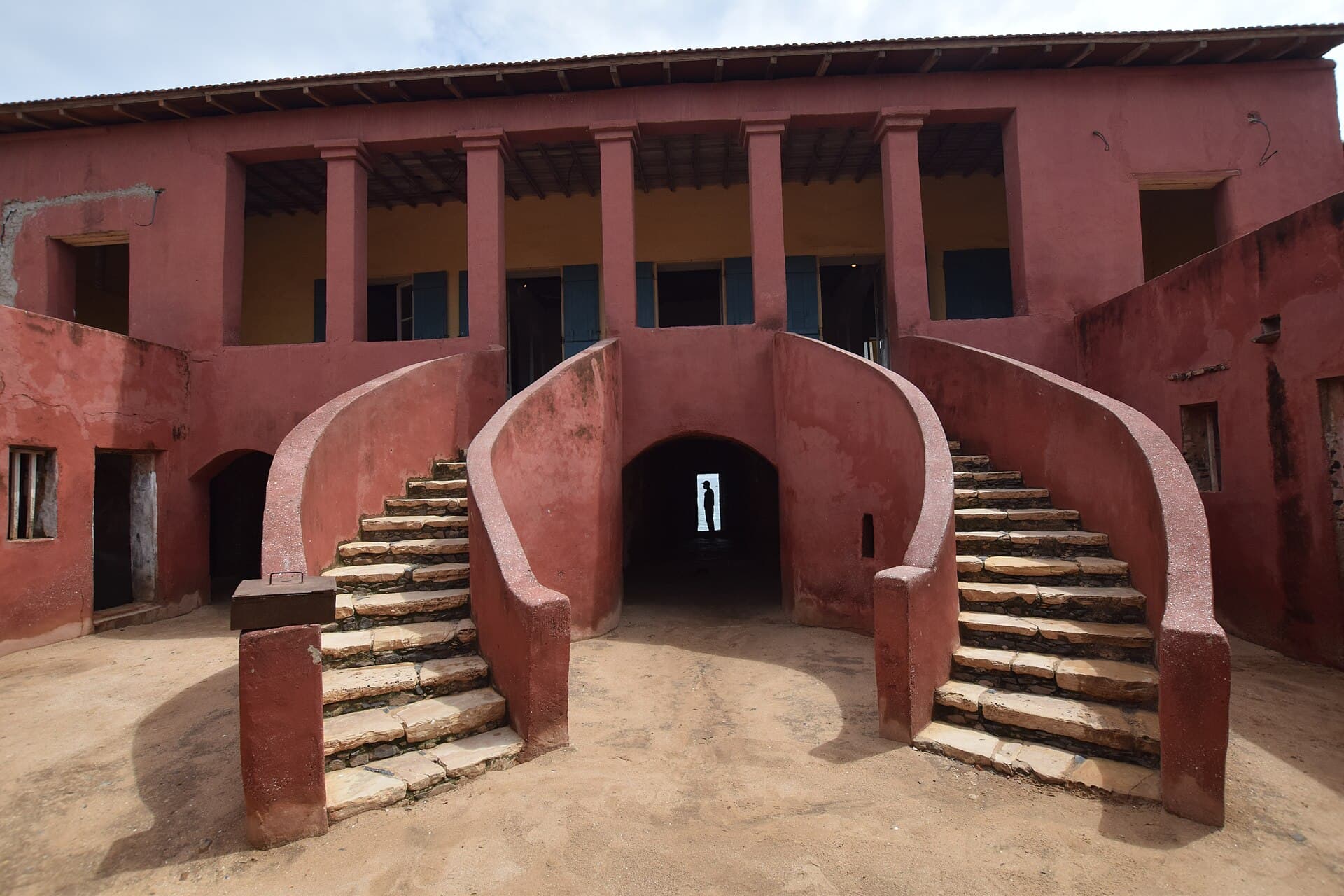
Gorée Island is a tiny island of about 18 hectares, two kilometres from Dakar's main harbour, with fewer than 2,000 residents. There are no cars, so you walk sandy lanes between coloured houses and bougainvillea. People come for its calm and for its link to the history of the Atlantic slave trade, and it has been on the UNESCO World Heritage list since 1978. The Portuguese, Dutch, English and French took turns holding the island, drawn by its sheltered position close to the coast. It was an important trading post, and some enslaved people were shipped from here across the ocean, though larger centres lay at Saint-Louis and in the Gambia. It remains the smallest and least populated of Dakar's 19 districts. On arrival you see the little harbour and the yellow and red houses along the water, then climb the lanes towards the House of Slaves and the small museums. The island has sellers of paintings and crafts, and restaurants facing the sea. From its western side the Dakar skyline stands across the water, at its best at sunset. It is about 6 km from central Dakar in a straight line, and you reach it by ferry from the harbour, buying tickets on the spot with no booking. Sailings thin out around midday, so check the last ferry back. Many sellers and guides will offer their services, so agree a price before you start. Allow at least half a day.
Yellow and red houses.
Bougainvillea and old walls.
The skyline at sunset.
Gorée Island, off Dakar harbour, Senegal
No, tickets are sold at the harbour, though queues can be long at weekends.
Half a day covers the House of Slaves, the lanes and lunch, and some visitors stay overnight.