
The guild houses
From a 1200 grain warehouse to ornate Renaissance façades.
Martinvl — CC BY-SA 4.0 · Giles Laurent — CC BY-SA 4.0 · Dennis G. Jarvis — CC BY-SA 2.0 · Dennis G. Jarvis — CC BY-SA 2.0
The Graslei and Korenlei are Ghent's old harbour quays on the facing banks of the river Leie — the city's most beautiful and most photographed sight: a continuous row of medieval and Renaissance guild houses with step gables (twelfth to seventeenth century) reflected in the water, among them a Romanesque grain warehouse of 1200 and the ornate house of the Free Boatmen's guild. Here was the heart of the grain trade that made medieval Ghent rich. Today the two quays are the city's social living room: cafés with terraces on the water, Ghent University students sitting on the quay edge with dangling feet at sunset, and the tour boats departing from here (40 minutes through the canals). Best angles: from the neighbouring St Michael's Bridge, and from the Korenlei looking at the Graslei lit at night. Free and the centre of everything — steps from the Korenmarkt, St Bavo's Cathedral and the Castle of the Counts. All Ghent begins here.
From a 1200 grain warehouse to ornate Renaissance façades.
Ghent's students with feet over the water — the city's ritual.
40 minutes through the canals beneath the bridges from the old harbour.
Graslei, 9000 Ghent
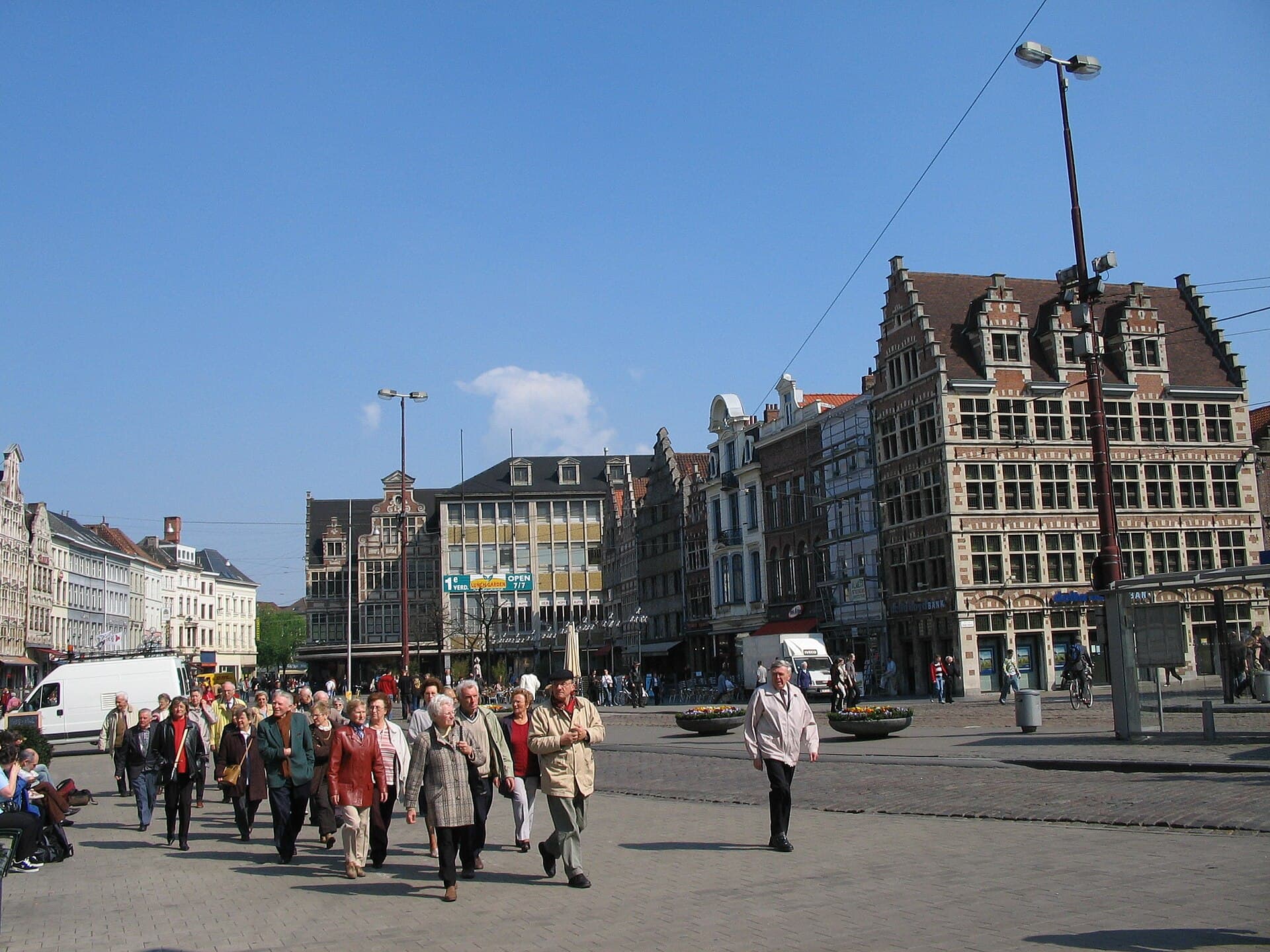 KorenmarktThe Korenmarkt ("Wheat Market") is Ghent's central square and meeting place: a b1 minute walk4.8
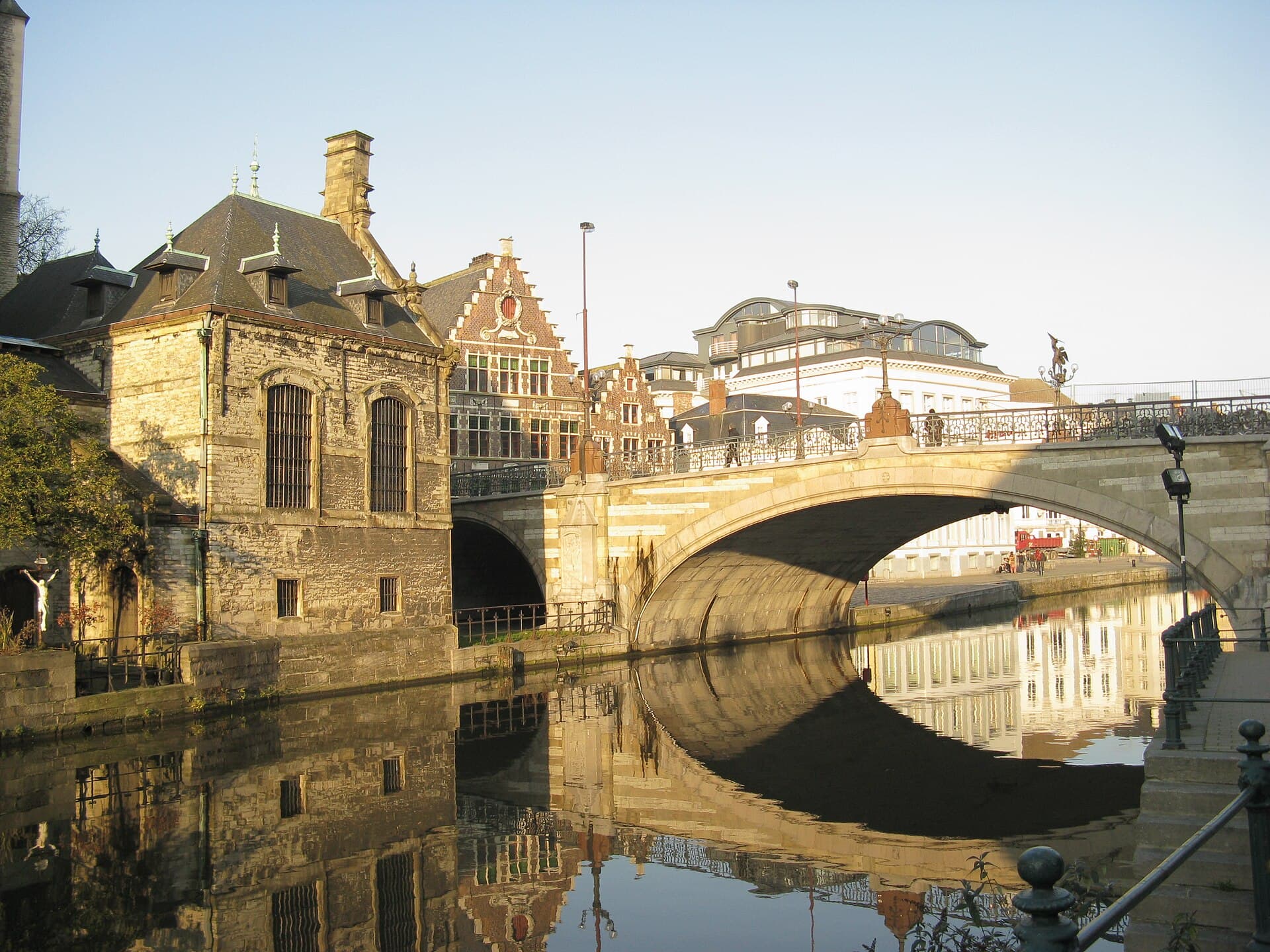 St Michael's BridgeSt Michael's Bridge is Ghent's foremost viewpoint: an arched stone bridge (1913)2 minutes walk4.9
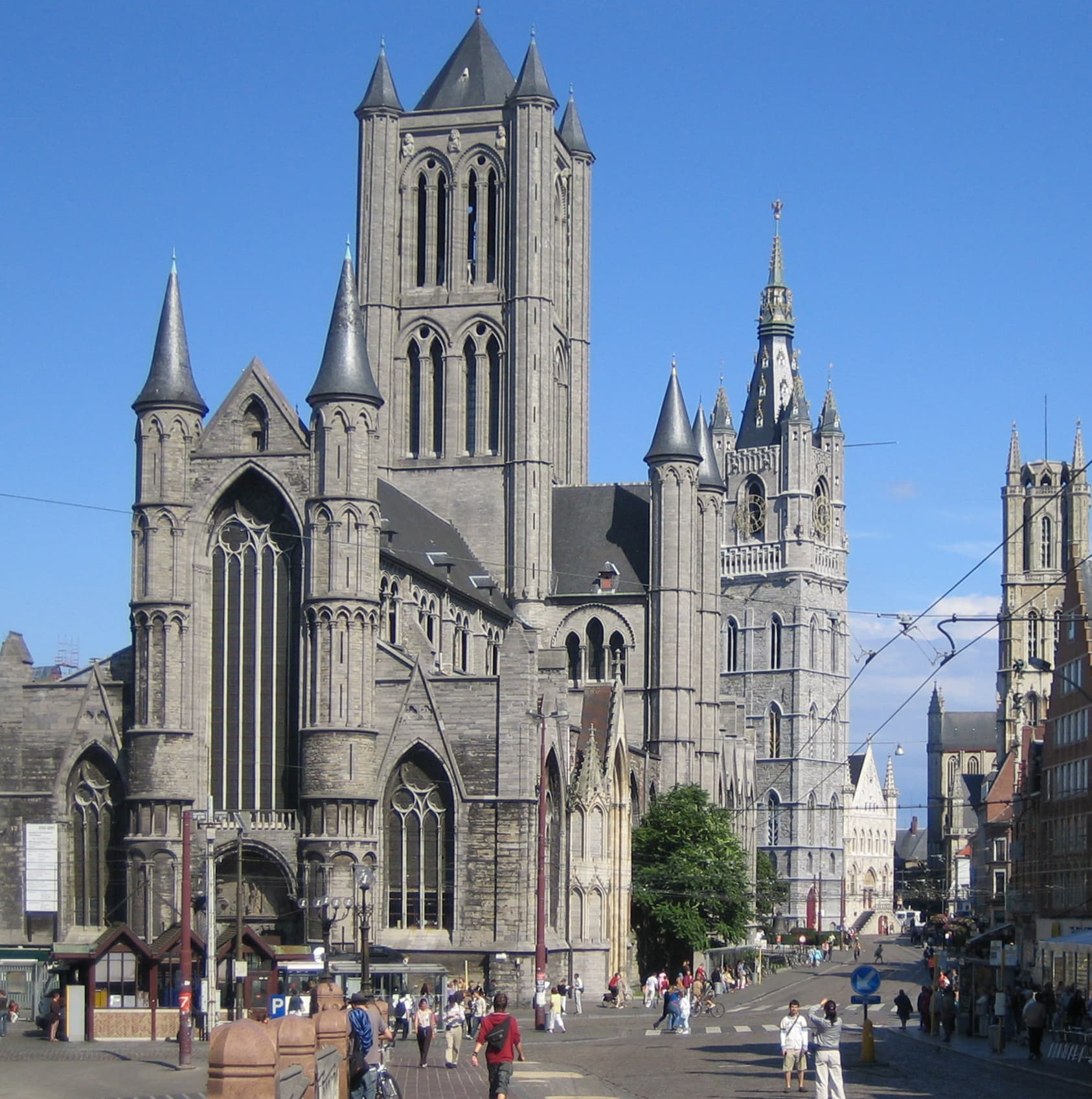 St Nicholas' ChurchSt Nicholas' Church is the first of the three towers from the quays and the olde2 minutes walk4.7
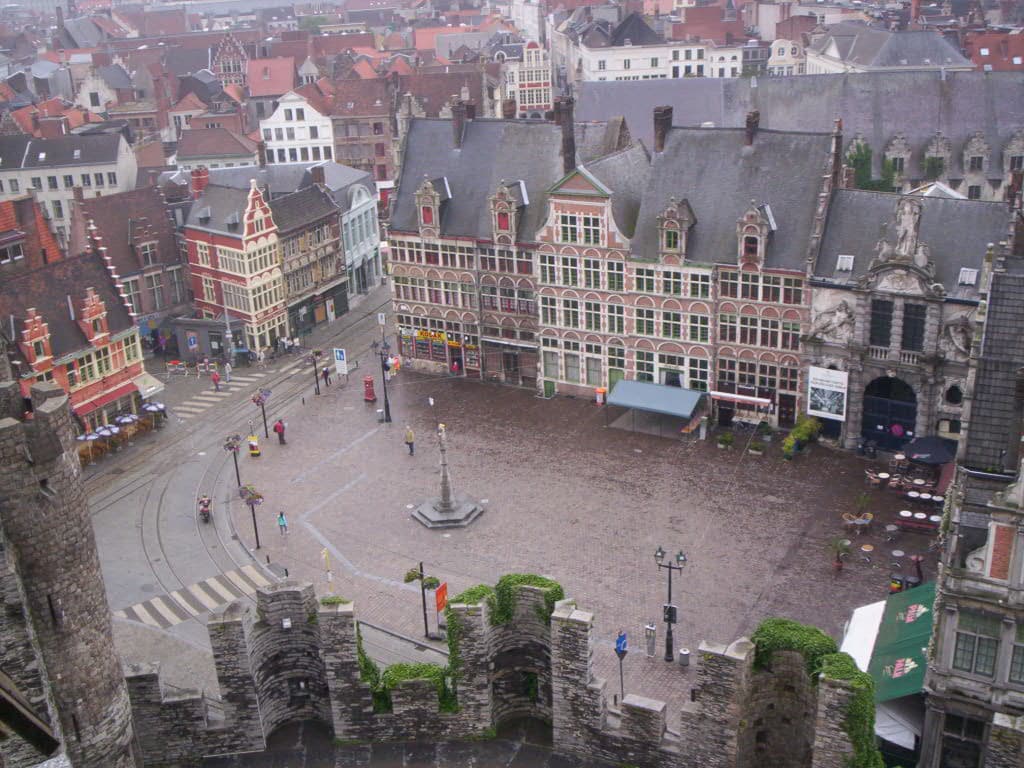 Sint-VeerlepleinA small square directly in front of the Gravensteen castle, among Ghent's oldest2 minutes walk4.6
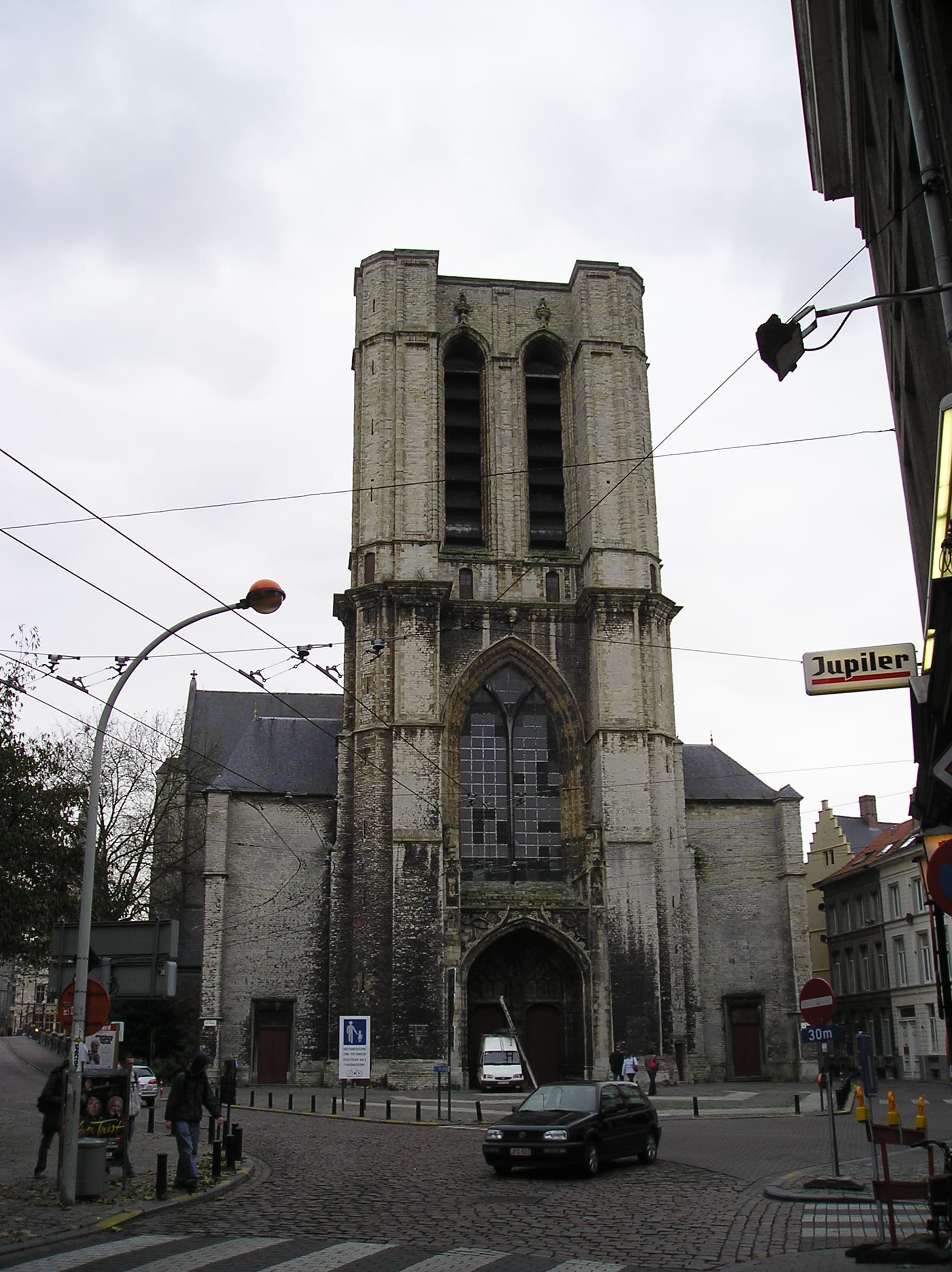 St Michael's ChurchSt Michael's Church is the late-Gothic church at the end of St Michael's Bridge 2 minutes walk4.7
Different and complementary: Bruges is a complete, enchanting medieval museum but touristy; Ghent is a large living city (a huge university) with a medieval heart no less beautiful — the quays, the castle, the three towers — plus nightlife, contemporary art and cheaper prices. Visit both (30 minutes by train apart); choosing one to stay in: Ghent is more authentic and lively.
The "Gentse Feesten" — ten days in July when the whole centre becomes a huge free street festival (music, theatre and parties until dawn), among Europe's largest urban festivals. Wonderful for revellers, hard for those wanting quiet — hotels fill and museums stay open. Check the dates before booking July.