
Sections about being wrong
Theories once dominant and later disproved, shown as part of the process.
Carolus — CC BY-SA 4.0 · FrDr — CC BY 4.0 · FrDr — CC BY 4.0 · FrDr — CC BY 4.0
Ghent University's museum, opened in 2020 with an unusual subject: not a particular scientific discovery but science itself — how it works, how it goes wrong, and how it corrects itself. The exhibits are drawn from the university's collections across two centuries: specimens, instruments, anatomical models and manuscripts. But the arrangement presents them not as achievements but as steps in a process: observation, hypothesis, doubt, error, revision. Whole sections are given to scientific theories that were dominant and later proved wrong. That framing is rare in science museums, which tend to present science as a run of victories. Here doubt is part of the exhibit rather than a gap in it. Beside the museum is the university's botanical garden, normally free and separate, with glasshouses and plant collections. The site is south of the centre and needs a tram or a long walk.
Theories once dominant and later disproved, shown as part of the process.
Specimens, instruments and anatomical models from the university's holdings.
Adjoining glasshouses and plant collections, normally free.
Karel Lodewijk Ledeganckstraat, southern Ghent
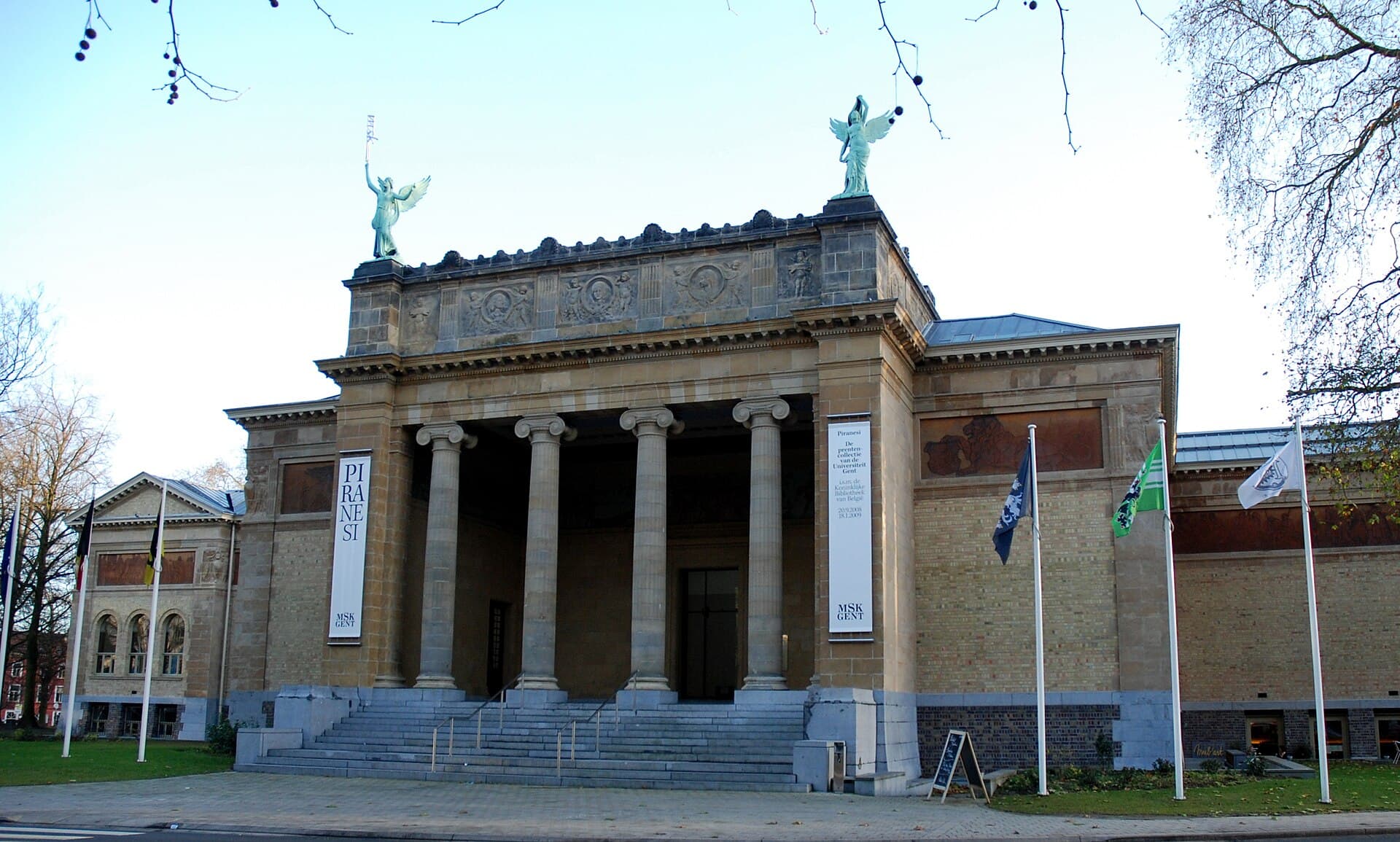 Museum of Fine Arts (MSK)Ghent's Museum of Fine Arts (MSK) is among Belgium's oldest museums (1798) and m2 minutes walk4.4
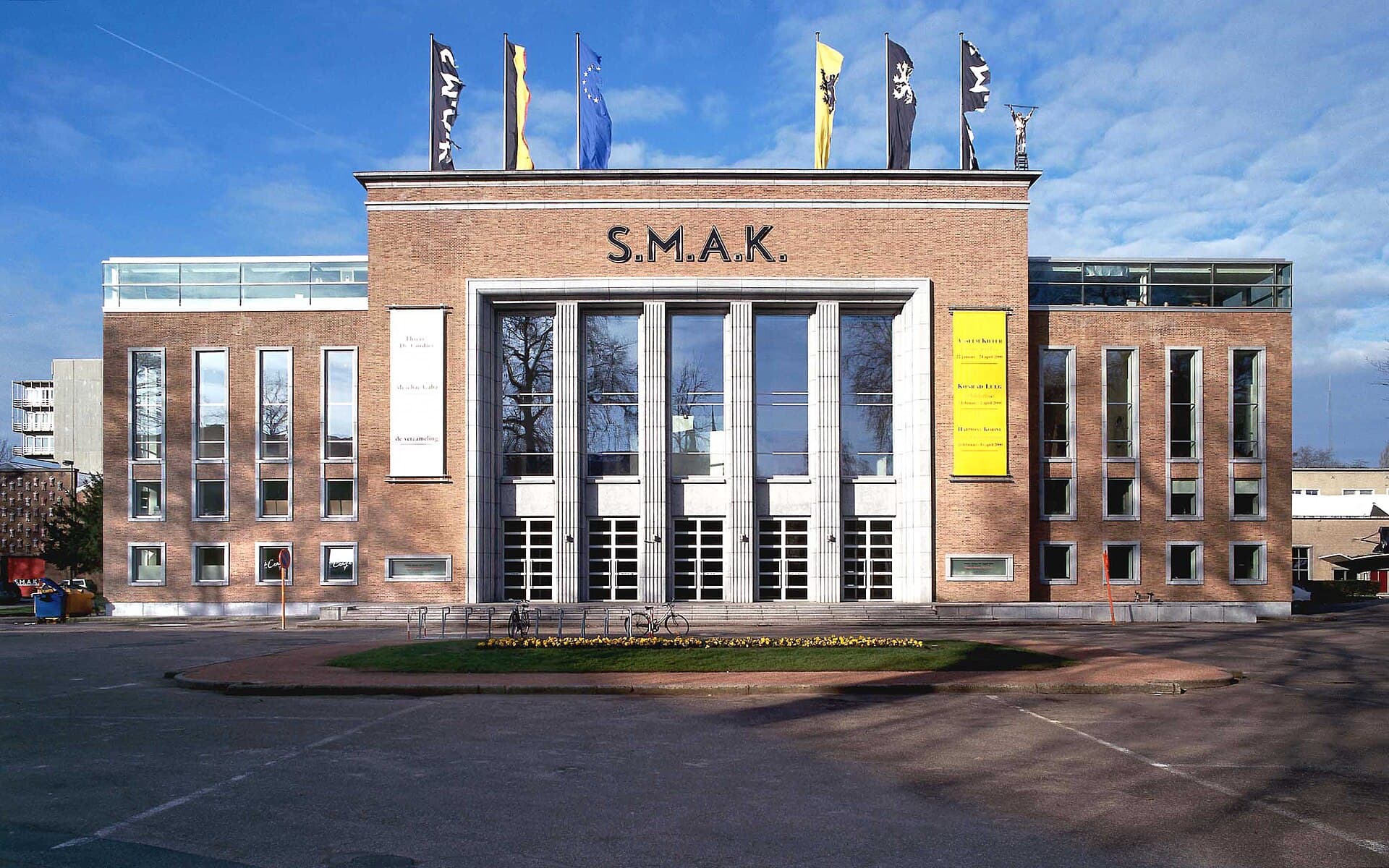 SMAK (Contemporary Art Museum)SMAK is Ghent's museum of contemporary art and among Belgium's most important — 3 minutes walk3.9
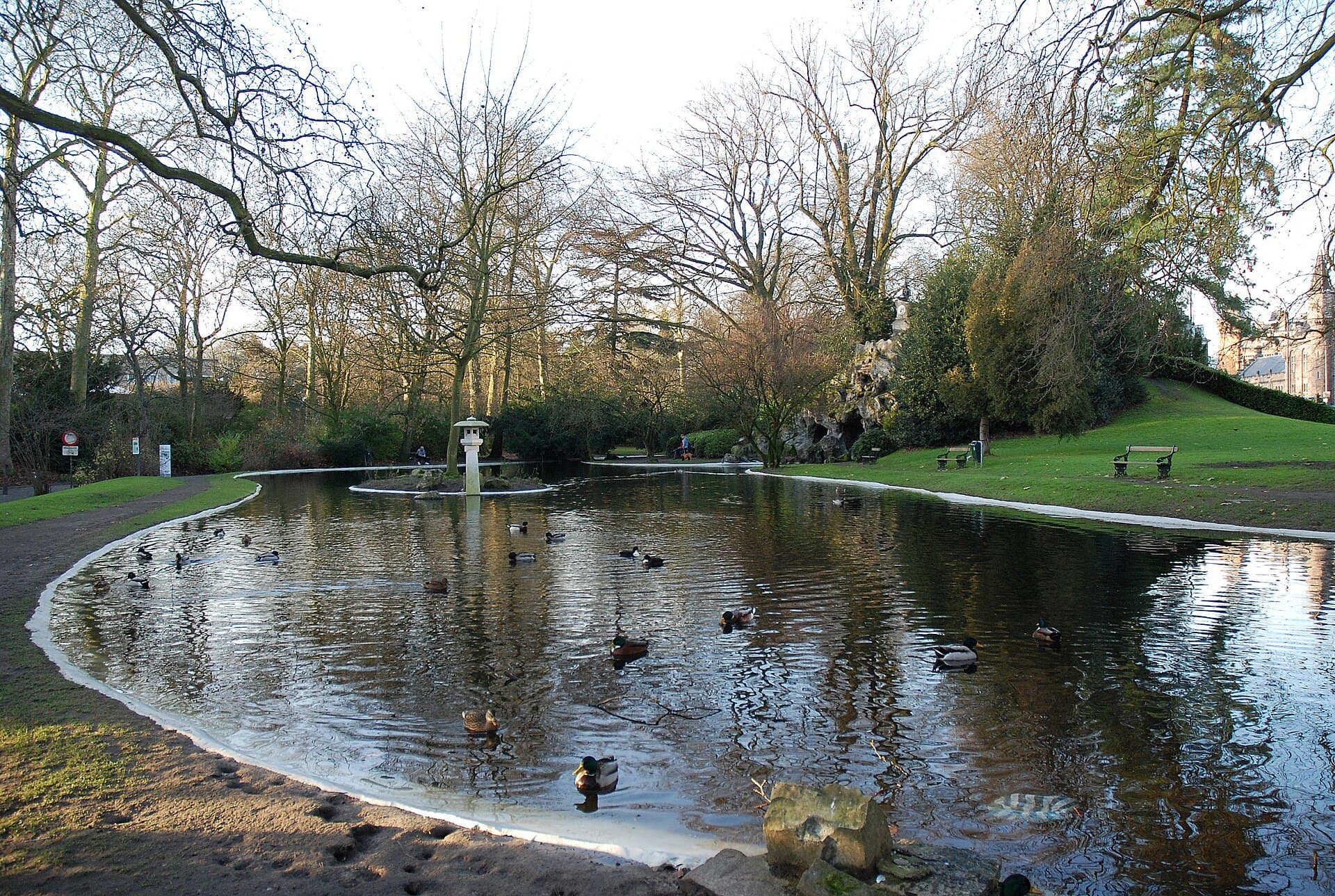 CitadelparkThe Citadelpark is Ghent's great park south of the centre, on the site of a Dutc4 minutes walk4.1
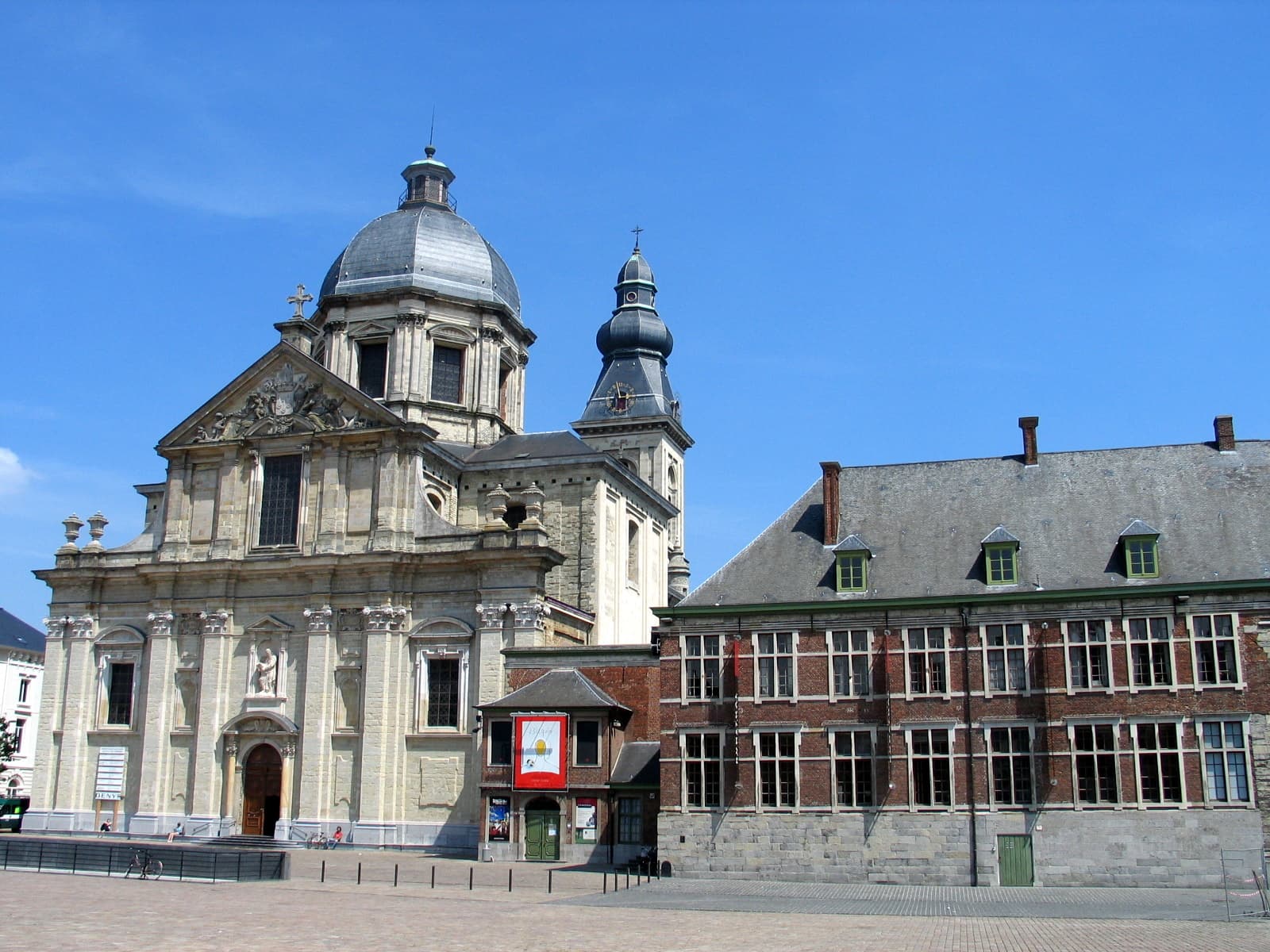 St Peter's AbbeySt Peter's Abbey is among the oldest abbeys of Flanders — founded by St Amand in9 minutes walk4.5
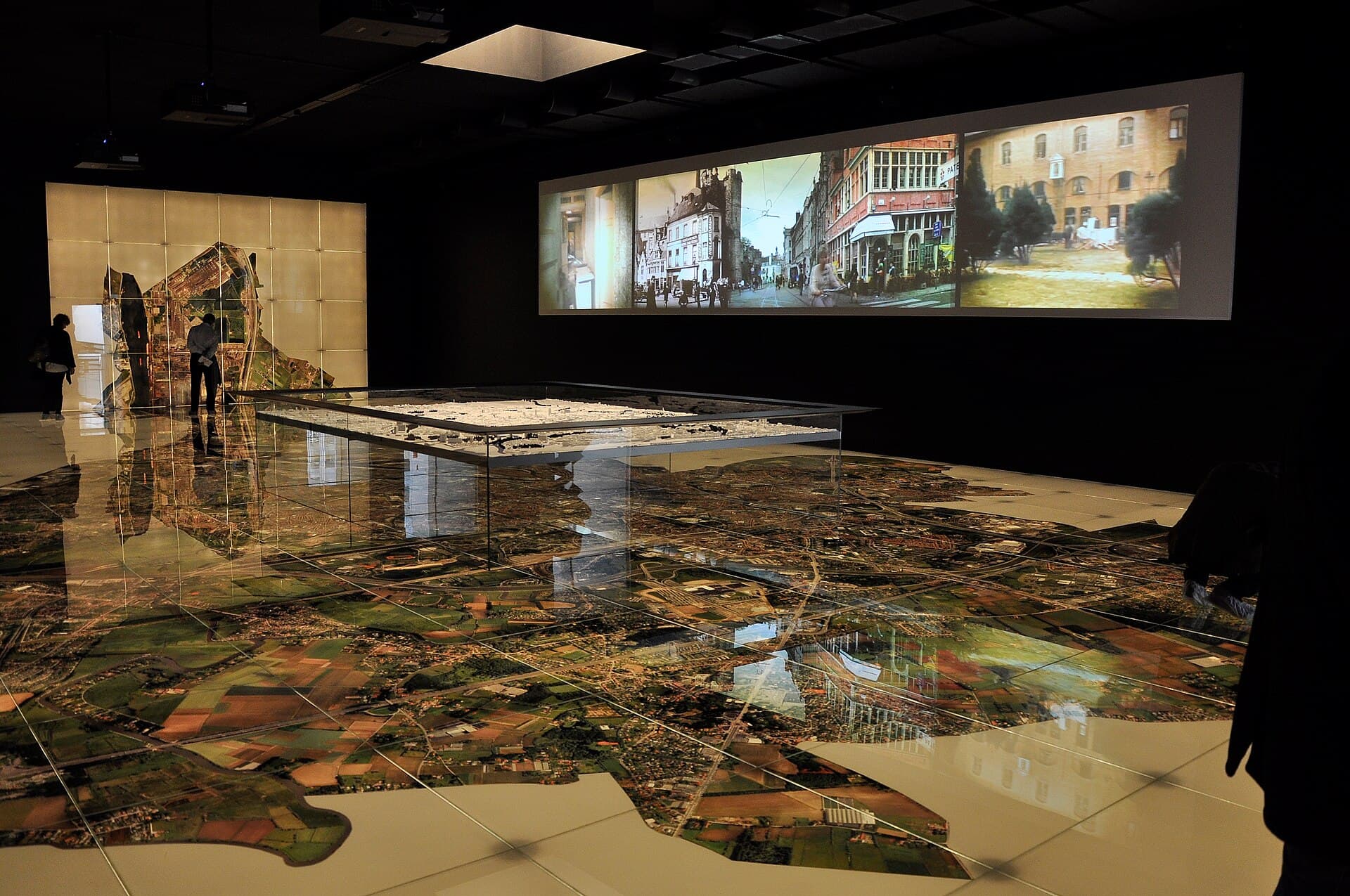 STAM (Ghent City Museum)STAM is Ghent's city museum in the fourteenth-century Bijloke abbey (with a refe12 minutes walk4.6
Yes, deliberately so. The museum assumes no technical knowledge because its subject is a way of thinking rather than the content of the sciences. The sections on doubt and error are legible to any visitor, and may interest a non-specialist more than a scientist.
Yes if the weather allows; it adjoins the museum, is normally free and keeps its own hours. The glasshouses are particularly useful on a wet day, which is common in Belgium. Check both sets of hours before setting out.