
The copper brewhouse
A preserved nineteenth-century industrial space, the best thing in the building architecturally.
User:Mtcv — CC BY-SA 3.0 · Ank kumar — CC BY-SA 4.0 · Ank kumar — CC BY-SA 4.0 · Ank kumar — CC BY-SA 4.0
Heineken's original brewery building, built in 1867 and closed to production in 1988, run today as a visitor attraction explaining the company's history and its brewing process. It should be clear what this place is: a brand experience rather than a historical museum, and the route ends in a tasting of the product. A Muslim visitor who does not drink alcohol will find little here to justify the price, which is among the highest of any ticket in Amsterdam. What retains value for a visitor uninterested in the product itself is the nineteenth-century industrial building and the old copper brewhouse, well-preserved industrial spaces that are rare in the middle of the city. We list it because it appears in a great many visitor itineraries for Amsterdam, so you deserve to know what it is before booking. If your interest is Amsterdam's industrial past, the maritime museum or the diamond works give you more without that consideration.
A preserved nineteenth-century industrial space, the best thing in the building architecturally.
The route is designed around the product and ends with tasting it; this is not a neutral museum.
For Amsterdam's industrial history, the maritime museum or the diamond works suit far better.
Stadhouderskade 78, Amsterdam
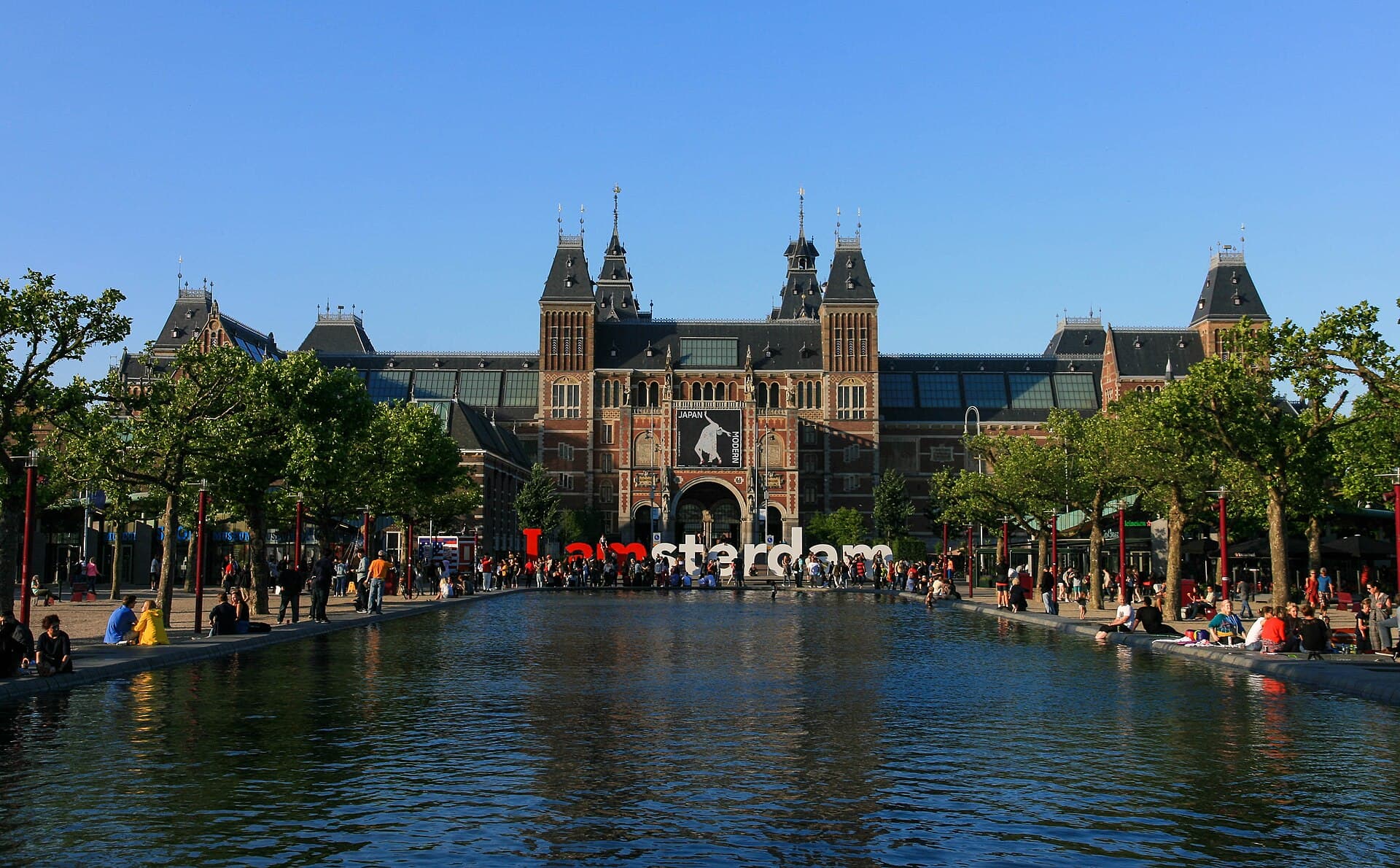 RijksmuseumThe Rijksmuseum is the Dutch national museum and the treasury of the Golden Age:6 minutes walk4.8
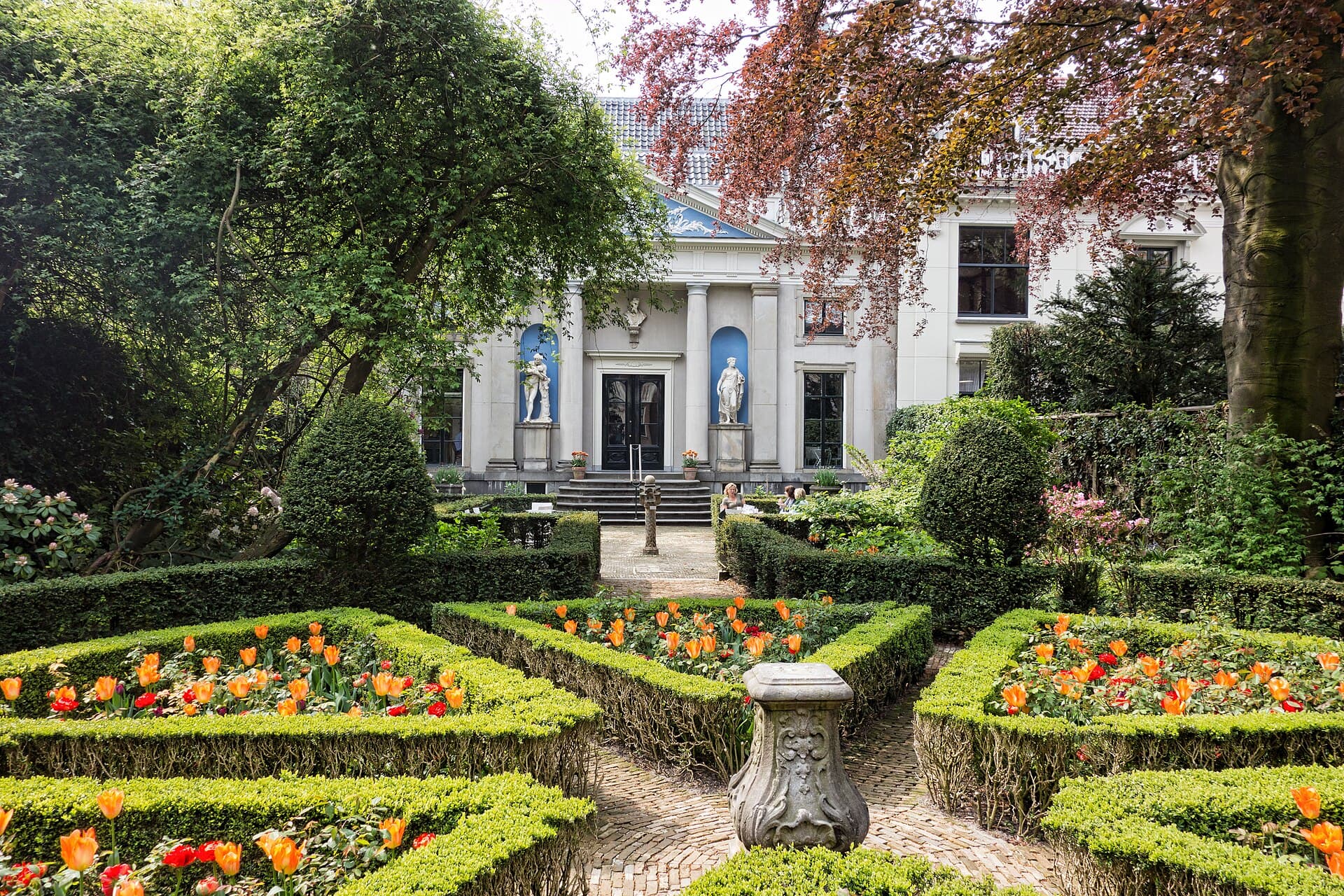 Museum Van LoonMuseum Van Loon is the classic Amsterdam canal house opened to visitors: an eleg8 minutes walk4.3
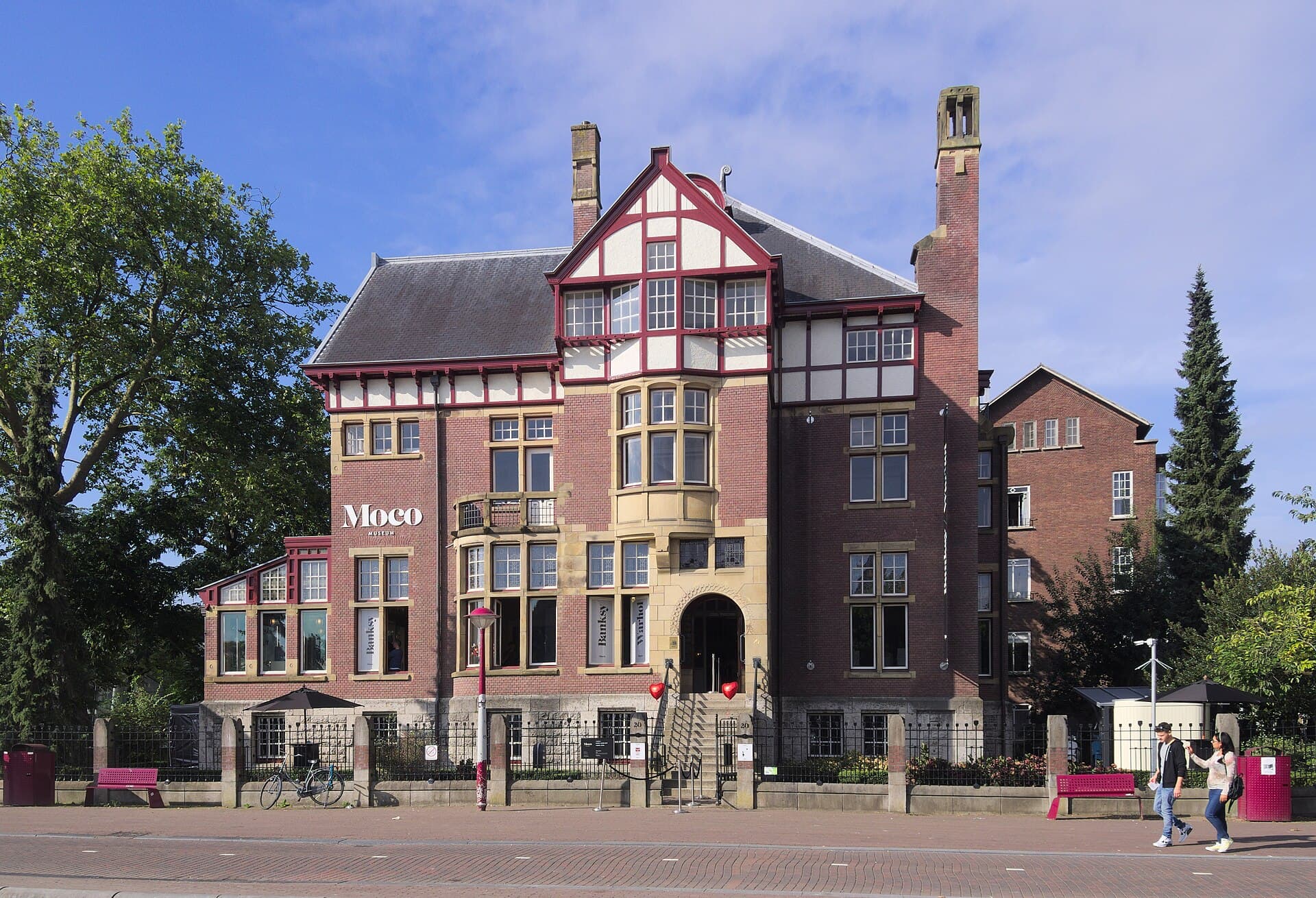 Moco MuseumThe Moco is the Museum Square's young, playful face: an elegant small villa (1908 minutes walk4.4
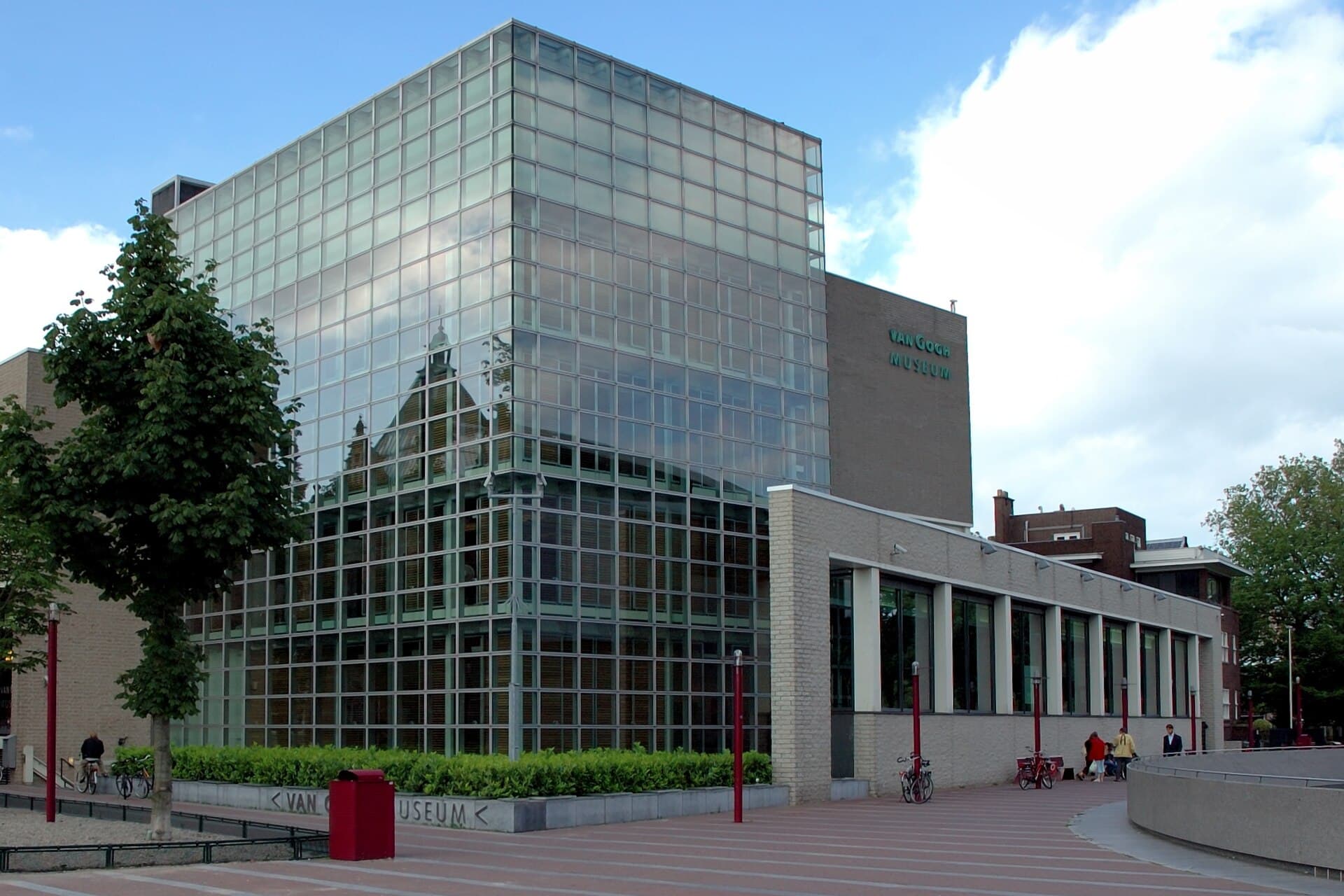 Van Gogh MuseumThe Van Gogh Museum holds the world's largest collection of Vincent van Gogh: ov9 minutes walk4.7
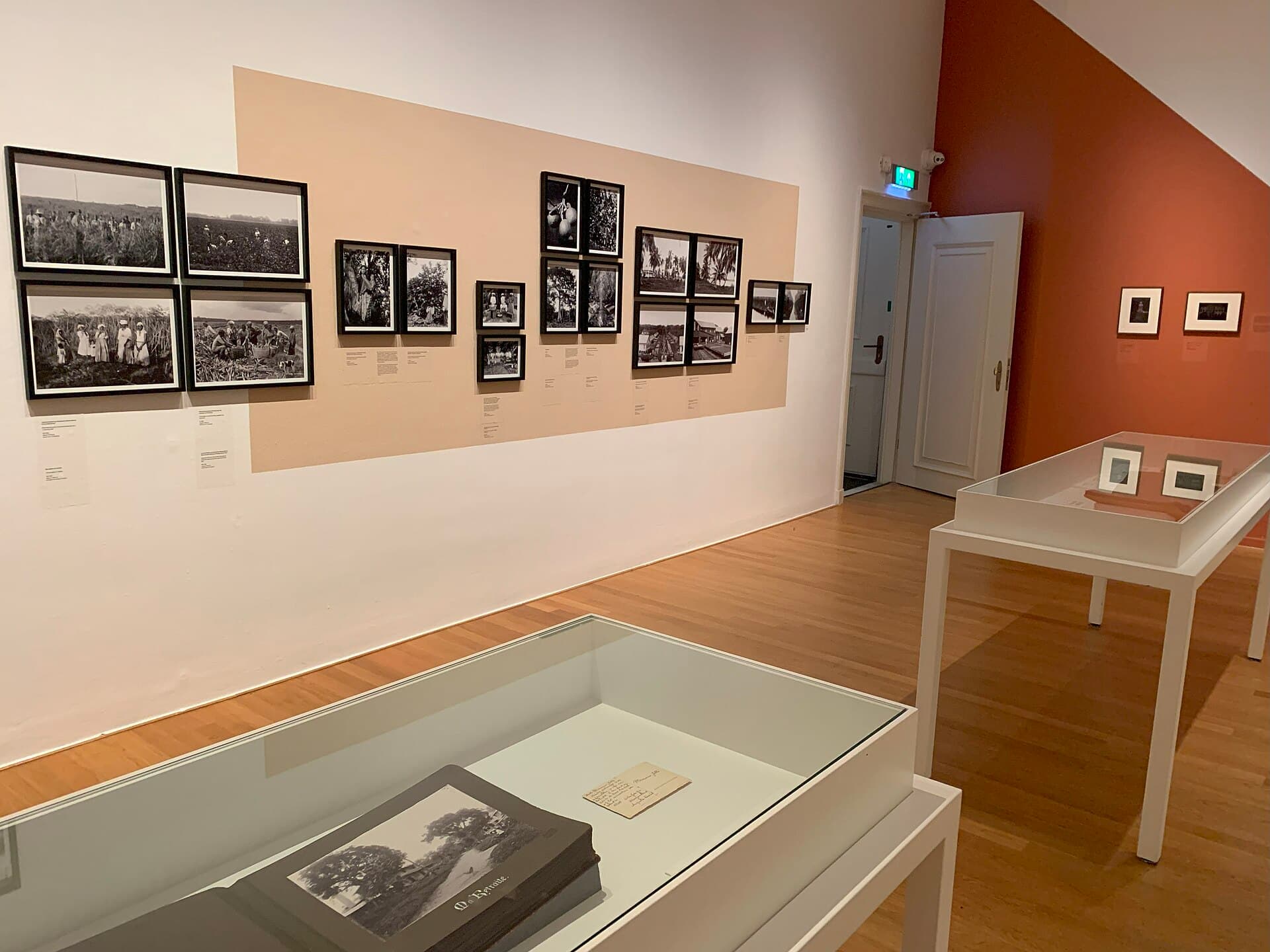 Foam Photography MuseumFoam is a museum devoted to photography alone, occupying a canal house on the Ke9 minutes walk4.3
Honestly, not really. The whole route is built around the product and ends in tasting it, and the price is high for that. The industrial building and the brewhouse are interesting but do not justify the cost on their own. Amsterdam has many museums that offer better value.
The Rijksmuseum and the Van Gogh Museum for art, the maritime museum for the city's trading history, and the Anne Frank House for modern history. All offer more value to most visitors than this does.