The forum
About 76 by 43 m, paved in AD 78-79.
Carole Raddato — CC BY-SA 2.0 · Dan Sloan — CC BY-SA 2.0 · Carole Raddato — CC BY-SA 2.0 · Carole Raddato — CC BY-SA 2.0 · Dan Sloan — CC BY-SA 2.0
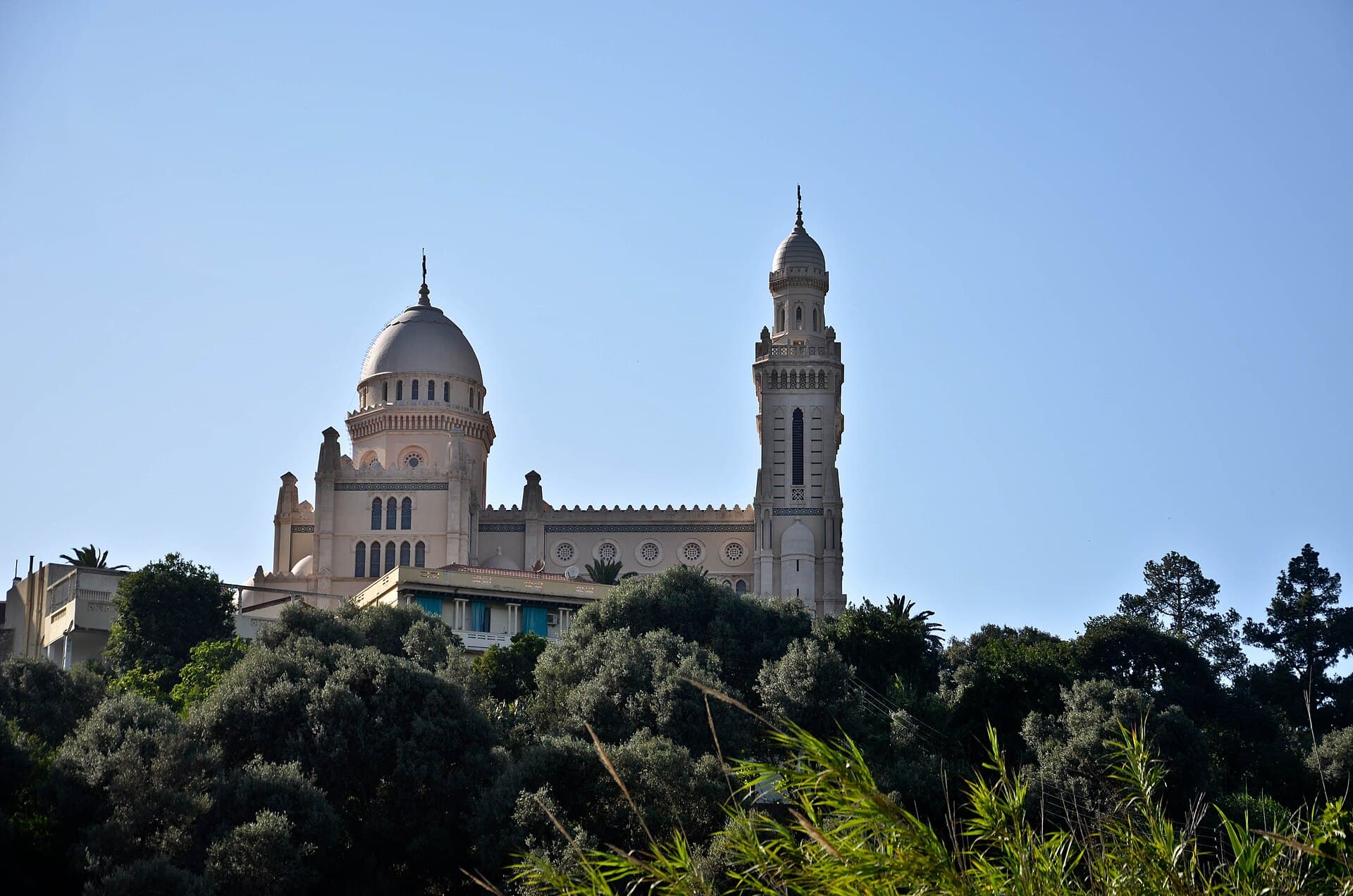
Hippo Regius is the ancient city on Annaba's southern edge, a partly excavated site of some 70 hectares near the mouth of the Seybouse. A Punic and Numidian port that became a leading city of Roman Africa, it is best known as the see of Saint Augustine, bishop here from 396 until his death in 430. Under Augustus it was a municipium, later a colony that shipped the grain of the interior. A council here in 393 listed the books of the Bible. The Vandals besieged the city in 430; Augustine died in the third month, on 28 August, and Genseric later made Hippo his first capital, until he took Carthage in 439. By the late 10th century the site lay abandoned for a new town just north, the forerunner of Annaba. Paths cross the forum, about 76 by 43 metres and among North Africa's largest, paved in AD 78-79 according to an inscription, then pass the market, a theatre, the Great North Baths and mosaic-floored villas to reach the Christian quarter's three-aisled basilica and baptistery. The hilltop museum, reopened in April 2026, shows hunting mosaics, marble gods, a bronze trophy over two metres tall and a marble Gorgon mask, back since 2020 after a theft. The ruins lie about 2 km south of the Cours de la Révolution as the crow flies, below the Basilica of Saint Augustine, some 650 metres west on its hill. Walkways cross the site; the museum climb is short but steep. Allow two to three hours, ideally on a spring or autumn morning.
About 76 by 43 m, paved in AD 78-79.
A three-aisled basilica and its baptistery.
Mosaics, a bronze trophy, the Gorgon mask.
Southern Annaba, below the hill of the Basilica of Saint Augustine
Hippo comes from a Punic name probably meaning harbour. Regius, royal, recalls its time as a town of the Numidian kings and set it apart from Hippo Diarrhytus, today's Bizerte in Tunisia.
That is uncertain. In 1948 its excavator Erwan Marec identified it as Augustine's cathedral, the Basilica of Peace, but no bishop's tomb was found and scholars still debate it; some think it belonged to the rival Donatist church, and a second basilica in the south of the site is another candidate.