
The Areni shoe
From about 3500 BC.
Benoît Prieur — CC0 · Palickap — CC BY 4.0 · Palickap — CC BY 4.0 · Armineaghayan — CC BY-SA 4.0 · Nakhararakan — CC BY-SA 4.0
The History Museum of Armenia is the country's national museum, on Republic Square in the heart of Yerevan. Its national collection of about 400,000 objects spans archaeology, coins, ethnography and modern history, and it is the best place to begin understanding Armenia's past before heading out to its sites. The National Assembly decided to found it on 9 September 1919, and it opened to visitors on 20 August 1921 under its first director, Yervand Lalayan. It changed names several times during the 20th century before settling on its present one. Coins make up 45 percent of the collection and archaeology 35 percent, and the museum has published excavation reports since 1948. The archaeology rooms run from prehistory to the Middle Ages. Among the best known pieces are a leather shoe from Areni cave dating to about 3500 BC and wooden wagons from the Bronze Age. Other sections cover costume, crafts and daily life, along with coins, maps and documents. It is 1.2 km in a straight line from both Gum Market and the Parajanov Museum, so one walk can link them. Allow an hour or two, and consider a guided tour for a deeper understanding. It also makes a good choice when the heat or cold outside is at its worst.
From about 3500 BC.
Wooden, from the Bronze Age.
45 percent of the collection.
Republic Square, central Yerevan
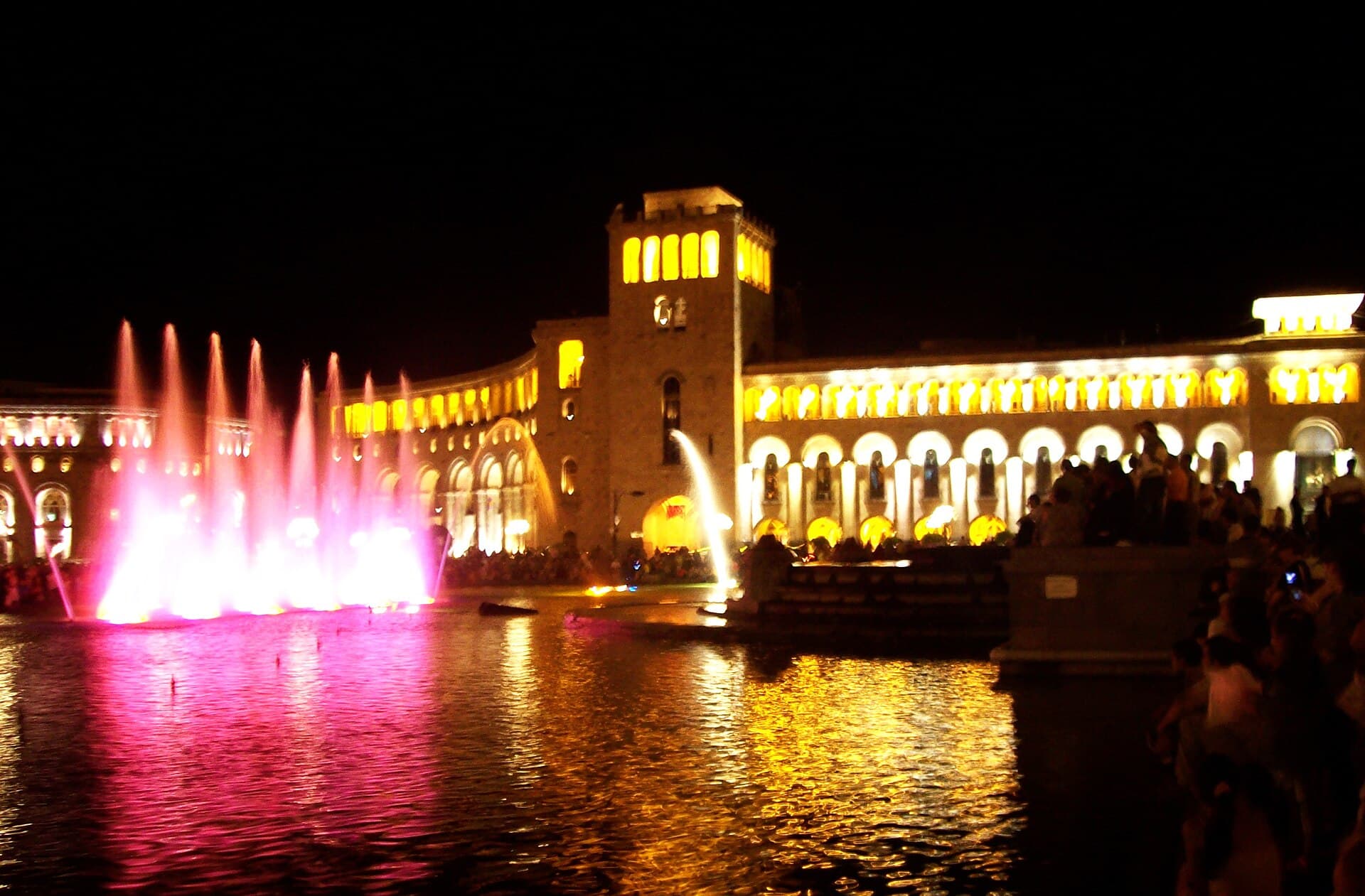 Republic SquareThe architectural heart of Yerevan and its finest square, a broad oval laid out 2 minutes walk4.7
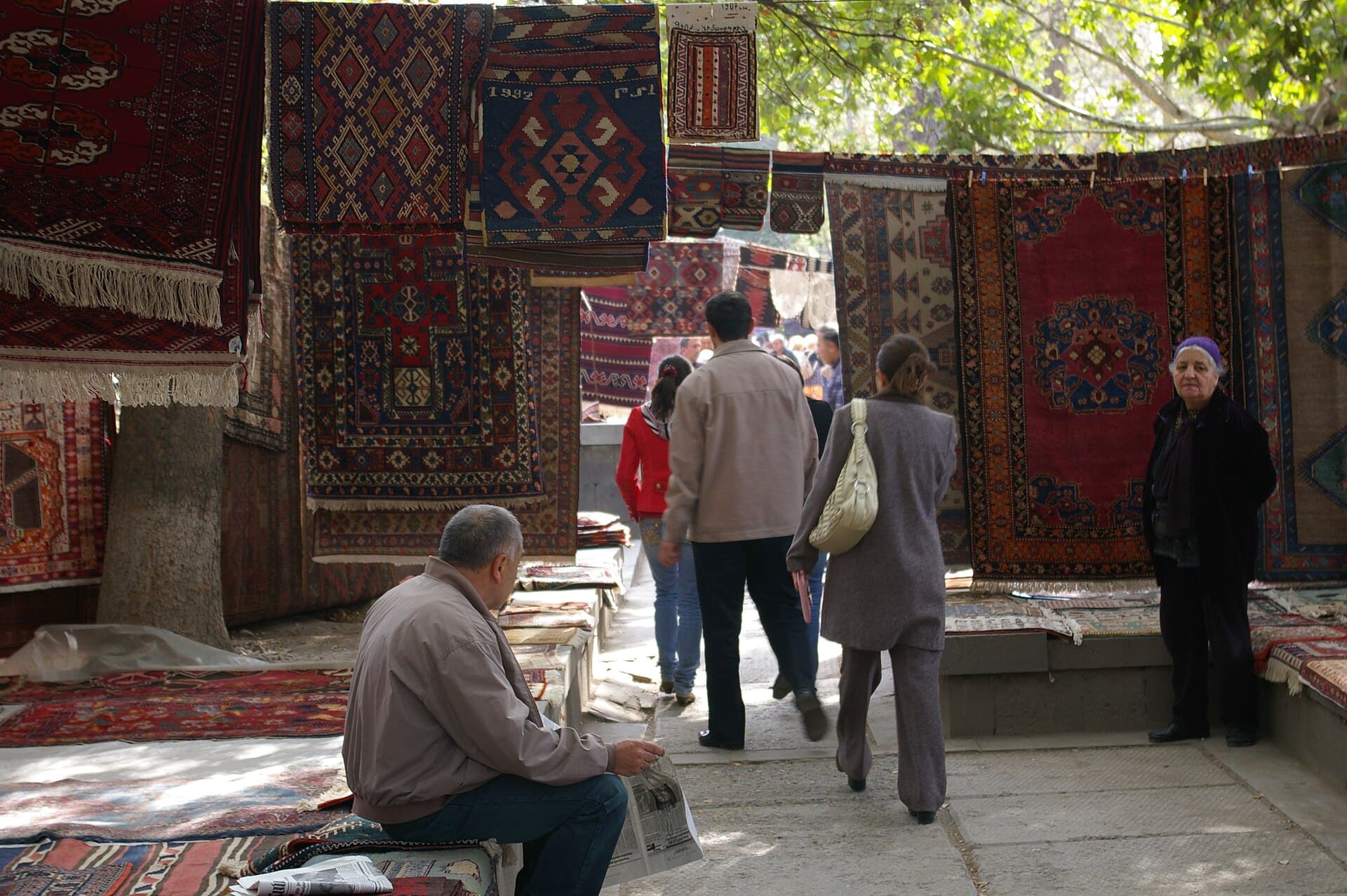 Vernissage MarketArmenia's best-known handicraft market, an open-air market a few minutes from Re6 minutes walk4.6
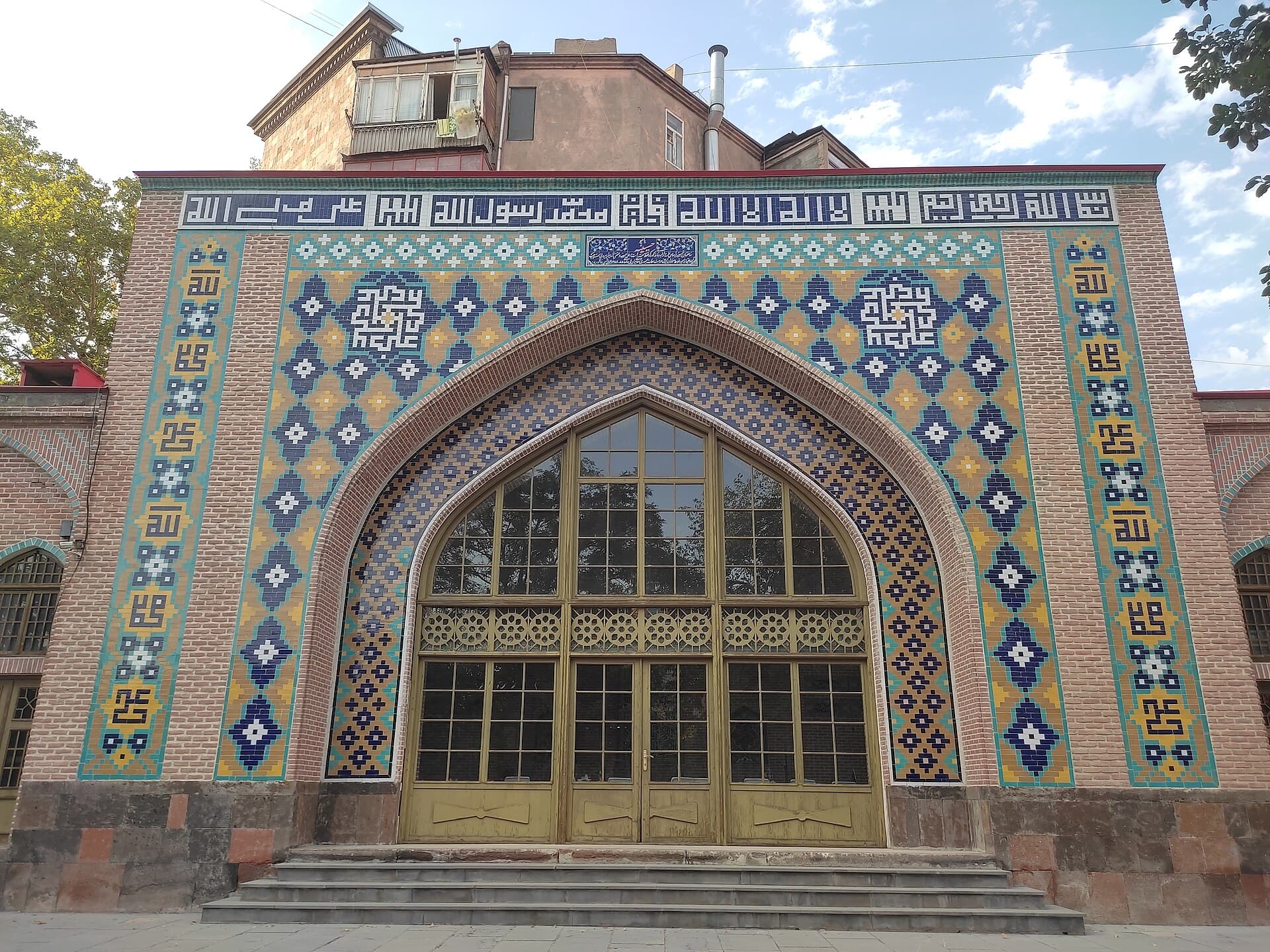 Blue MosqueThe only working mosque in Armenia today, built in the 1760s under Hussein Ali K9 minutes walk4.6
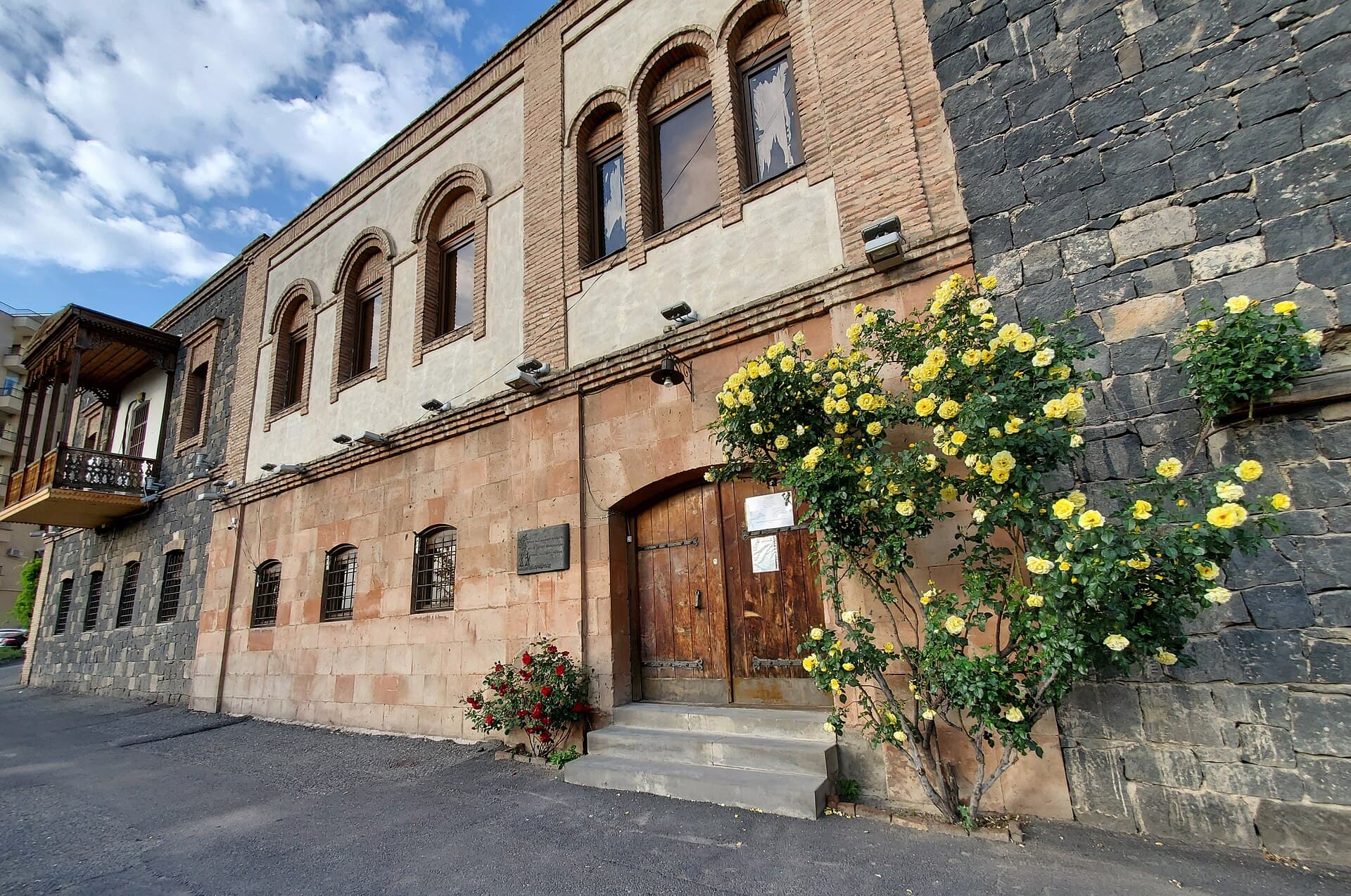 Sergei Parajanov MuseumThe Sergei Parajanov Museum is one of Yerevan's most popular museums, a tribute 15 minutes walk
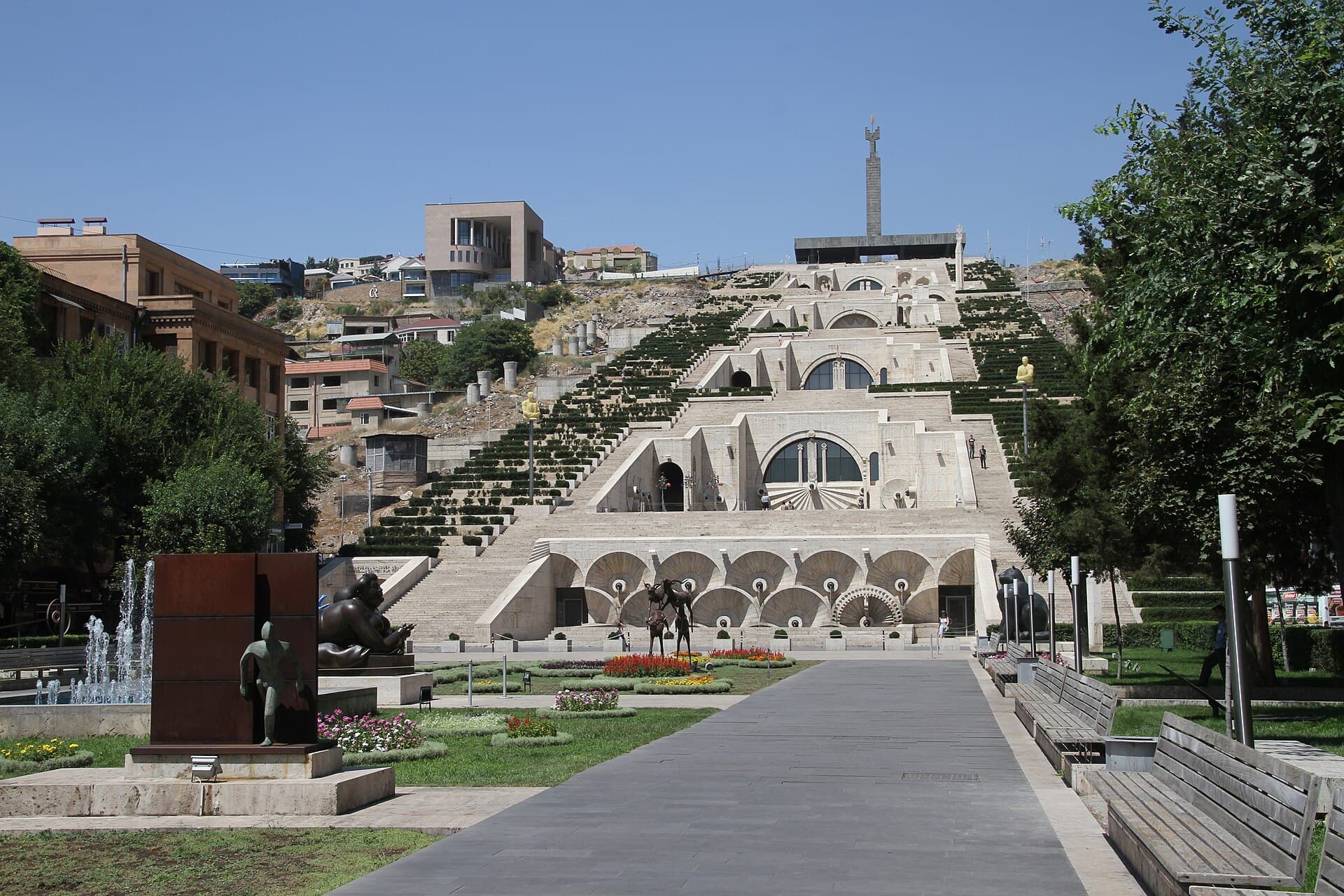 The CascadeA giant white limestone stairway climbing a hill on the north side of central Ye15 minutes walk4.8
Yes, it is the best introduction to Armenian history before visiting the sites.
One to two hours, more with a guided tour.