
Islamic astrolabes
Around 170 astrolabes, described by the museum as the most complete collection anywhere, many from Isfahan, Lahore and al-Andalus with legible Arabic engraving.
Wiki alf at English Wikipedia — Public domain · Tilman2007 — CC BY-SA 4.0 · Jun from Melbourne, Australia — CC BY-SA 2.0 · Jun from Melbourne, Australia — CC BY-SA 2.0
In the entrance gallery, behind glass that gives nothing away from a distance, sit rows of brass astrolabes engraved with star names in Arabic, made in Isfahan, Lahore and al-Andalus centuries ago and gathered here into what the museum describes as the most complete astrolabe collection anywhere: roughly 170 instruments. For an Arab visitor who knows these devices were perfected in Baghdad, Damascus and Córdoba, standing in front of them feels quite unlike any other science museum in Britain. The building is part of the story. It went up in 1683 to house Elias Ashmole's collection, and the museum presents it as the oldest surviving building in the world put up specifically as a public museum. There are only three small floors: a basement, the entrance gallery and an upper gallery. Downstairs is the blackboard Einstein chalked his equations on during an Oxford lecture in May 1931, never wiped since, alongside vessels and samples from the first penicillin work in Oxford, early microscopes, telescopes and cameras, including the photographic kit of Lewis Carroll, author of 'Alice'. Entry is free and individuals need no booking. It opens Tuesday to Sunday, 10:00 to 17:00, last admission ten minutes before closing, and is shut on Mondays. A focused visit takes 45 minutes to an hour and a quarter, which is a virtue rather than a flaw: the museum stands on Broad Street between the Sheldonian Theatre and the Bodleian Library, so it slots neatly into a walking loop of central Oxford. The main caveat: the lift is currently out of action, so all three floors are reached by stairs only, with no level access for wheelchairs and nowhere sensible for a pushchair, and there are no toilets inside. Children who enjoy gadgets and mechanical tricks will happily spend half an hour; very small ones tire quickly. Expect no queues in summer, and in winter the hours stay the same apart from Christmas and New Year, which makes it a comfortable choice on a wet afternoon. Oxford station is about a 15-minute walk; drivers should use a Park and Ride, since Broad Street parking is scarce.
Around 170 astrolabes, described by the museum as the most complete collection anywhere, many from Isfahan, Lahore and al-Andalus with legible Arabic engraving.
The blackboard Einstein chalked during his 1931 Oxford lecture, preserved in his own hand and never wiped.
The Old Ashmolean of 1683 is presented as the oldest surviving building purpose-built as a public museum.
Broad Street, Oxford OX1 3AZ, next to the Sheldonian Theatre
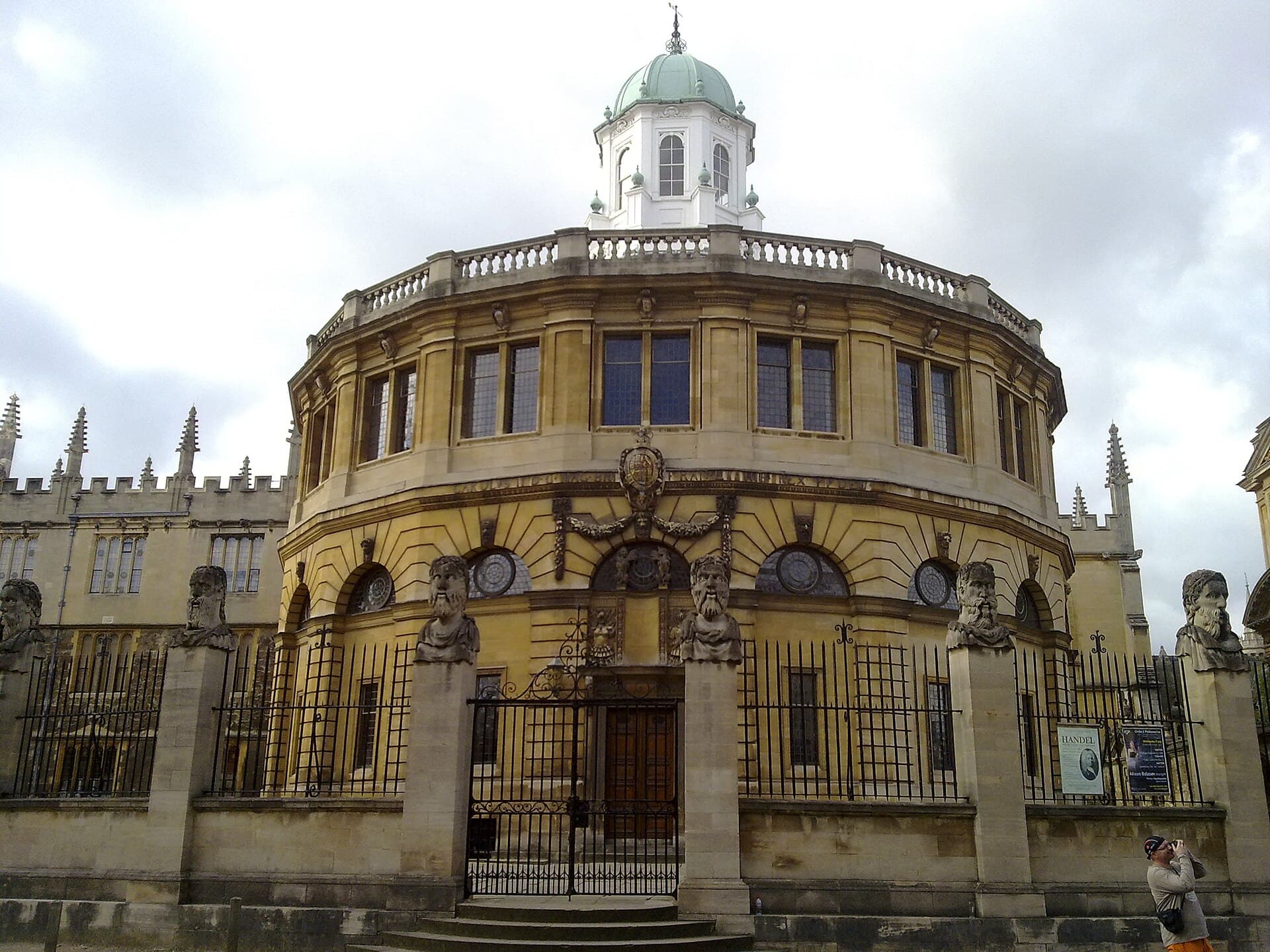 Sheldonian TheatreBefore Christopher Wren built St Paul's, he was an Oxford astronomy professor wi1 minute walk4.8
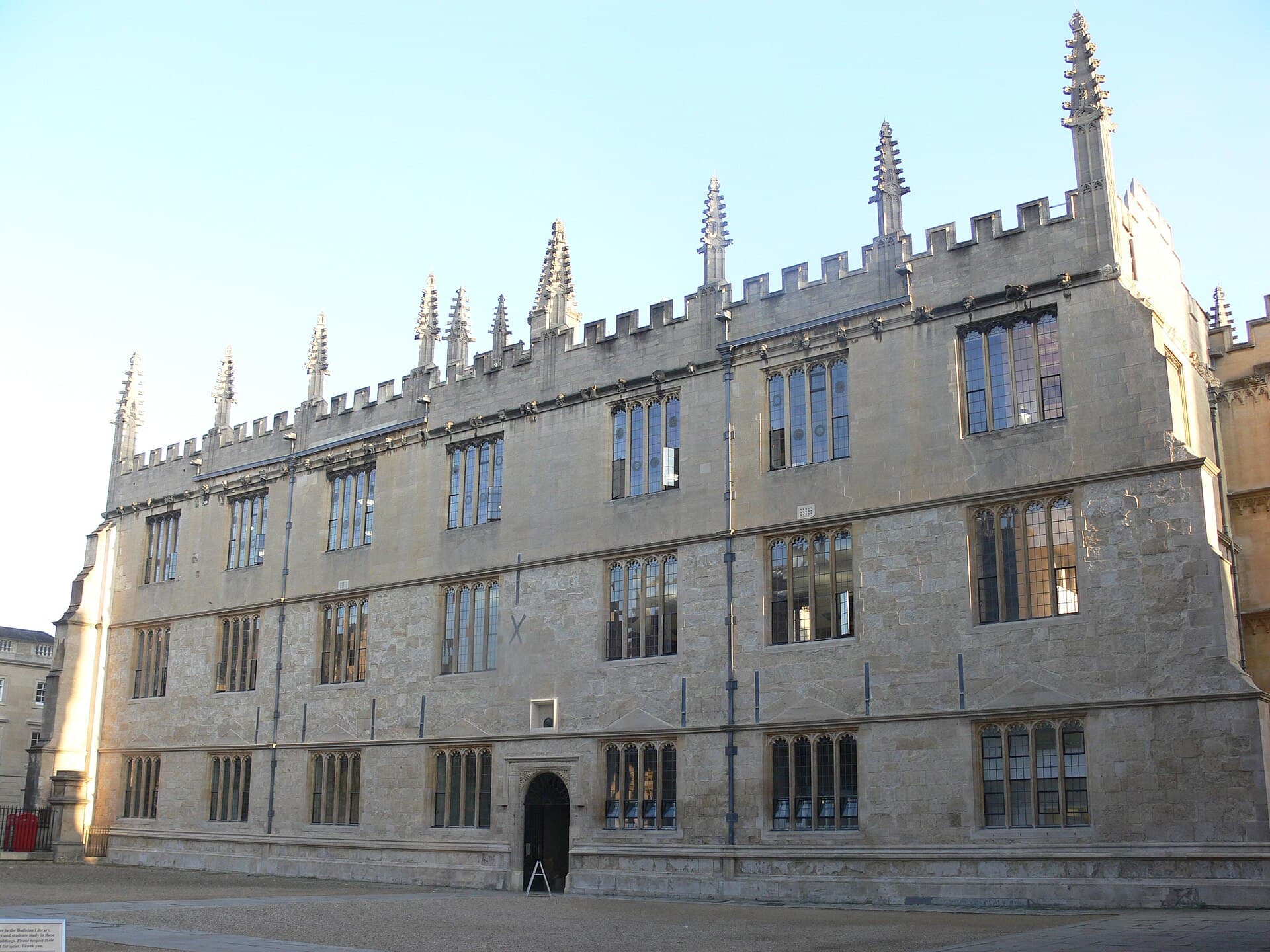 Bodleian LibraryNobody has been allowed to borrow a book from this library since it opened in 161 minute walk4.5
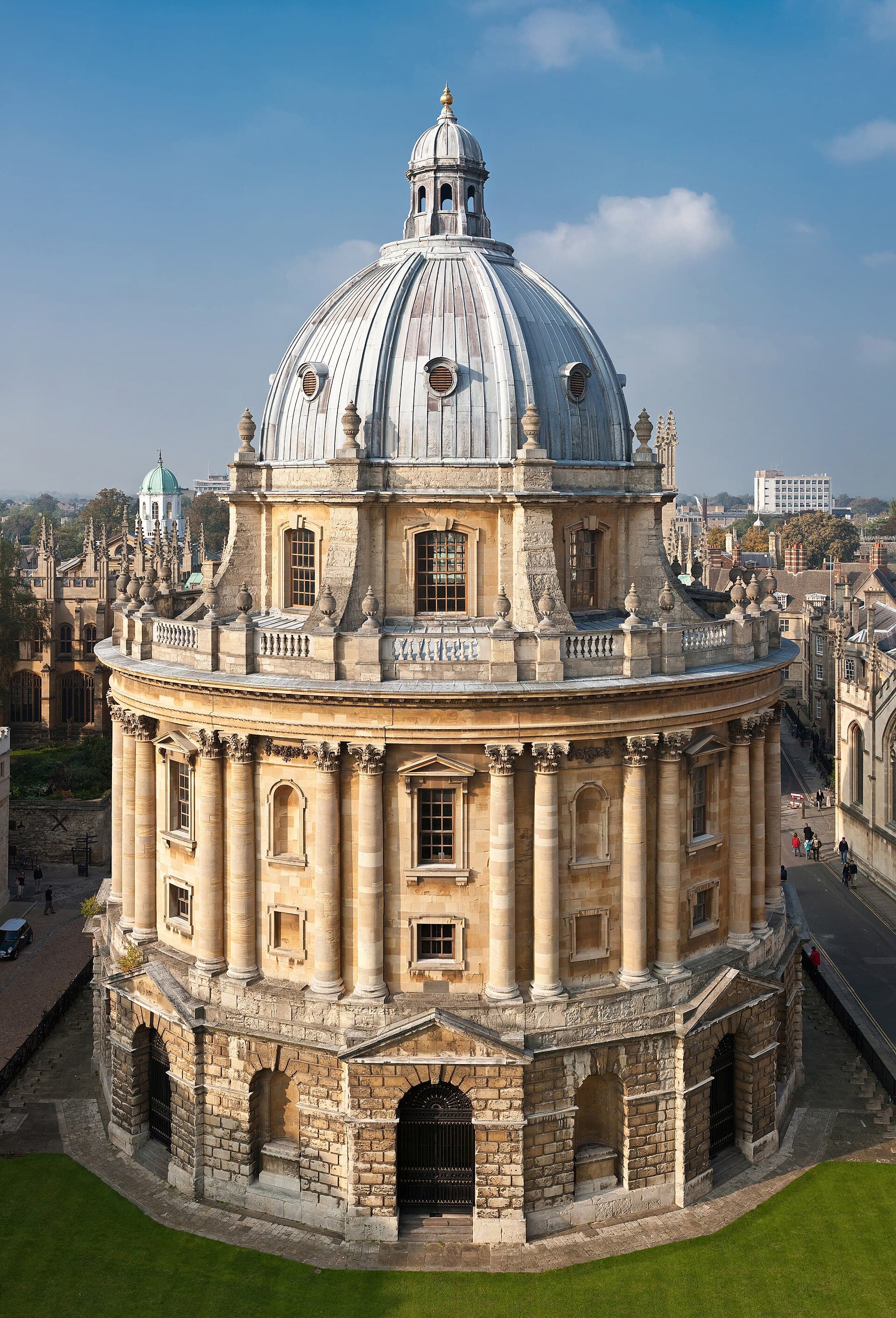 Radcliffe CameraOxford's most famous building is one you cannot walk into. The Radcliffe Camera,2 minutes walk4.6
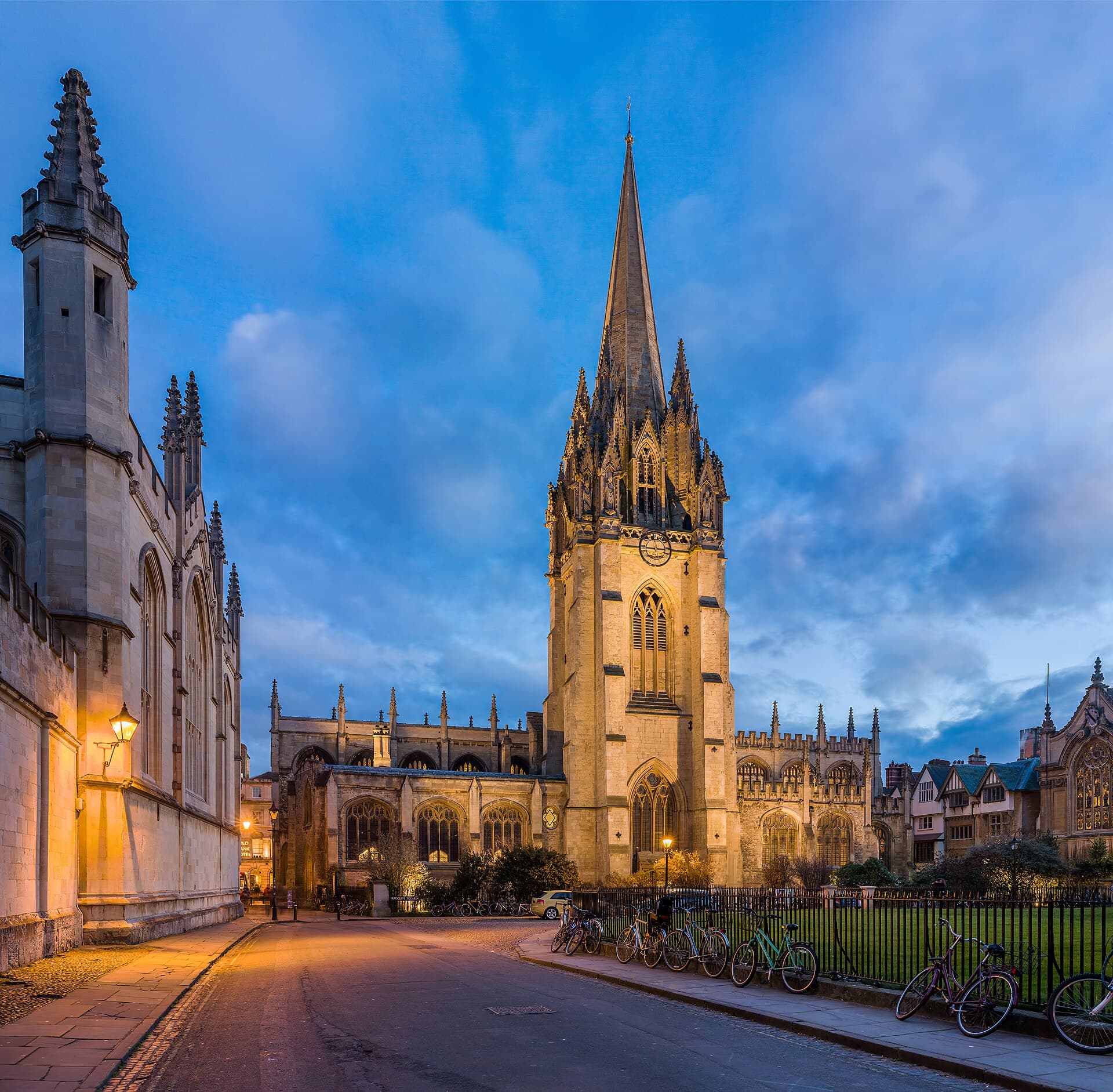 University Church of St Mary the VirginThe best photograph in Oxford is not taken from any street. It is taken from a n2 minutes walk4.8
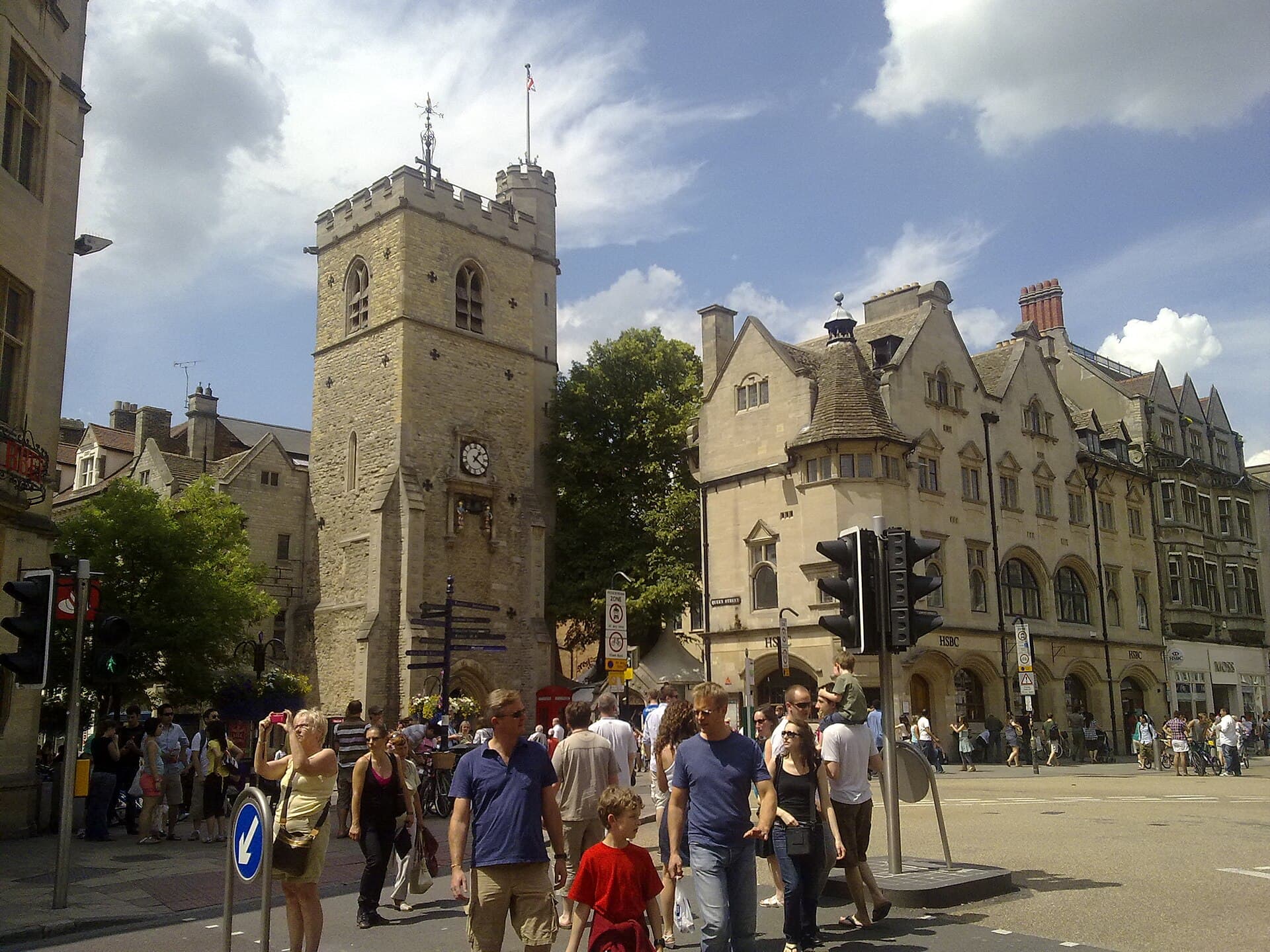 Carfax TowerOxford runs on an odd rule: nothing new in the city centre may rise higher than 4 minutes walk4.5
Yes, if the astrolabes and Islamic instruments matter to you: that is its real strength and the Ashmolean has nothing on this scale. If you only have a few hours in Oxford, put the Ashmolean first and give this one a free half hour on your way along Broad Street. With a pushchair or wheelchair, skip it for now: there is no working lift.