
A market still working
Vegetables and flowers are sold on the same square on weekdays.
Radler59 (talk) — CC BY-SA 4.0 · Radler59 (talk) — CC BY-SA 4.0 · Ben Skála — CC BY-SA 4.0 · Radler59 (talk) — CC BY-SA 4.0
A baroque column on the vegetable market in old central Brno, raised in the early eighteenth century after the plague that struck the city. Like the other plague columns of central Europe, it was raised as a vow and in thanks for the epidemic's passing, carrying figures of the Holy Trinity and the saints invoked against disease. Its execution is typically baroque, with tiered sculpture climbing to the summit. The column stands at the upper end of the vegetable market — a square that is still a working market for vegetables and flowers on weekdays, and beneath which lies the restored network of cellars. The baroque Parnas fountain on the same square is larger and better known. This is a stop of minutes rather than a visit: you see it while in the market, and take from it that this city too lost part of its people to an epidemic that left only stone as witness.
Vegetables and flowers are sold on the same square on weekdays.
On the same square, larger and better known than the column.
The restored labyrinth network runs directly beneath the square.
Zelný trh, old central Brno
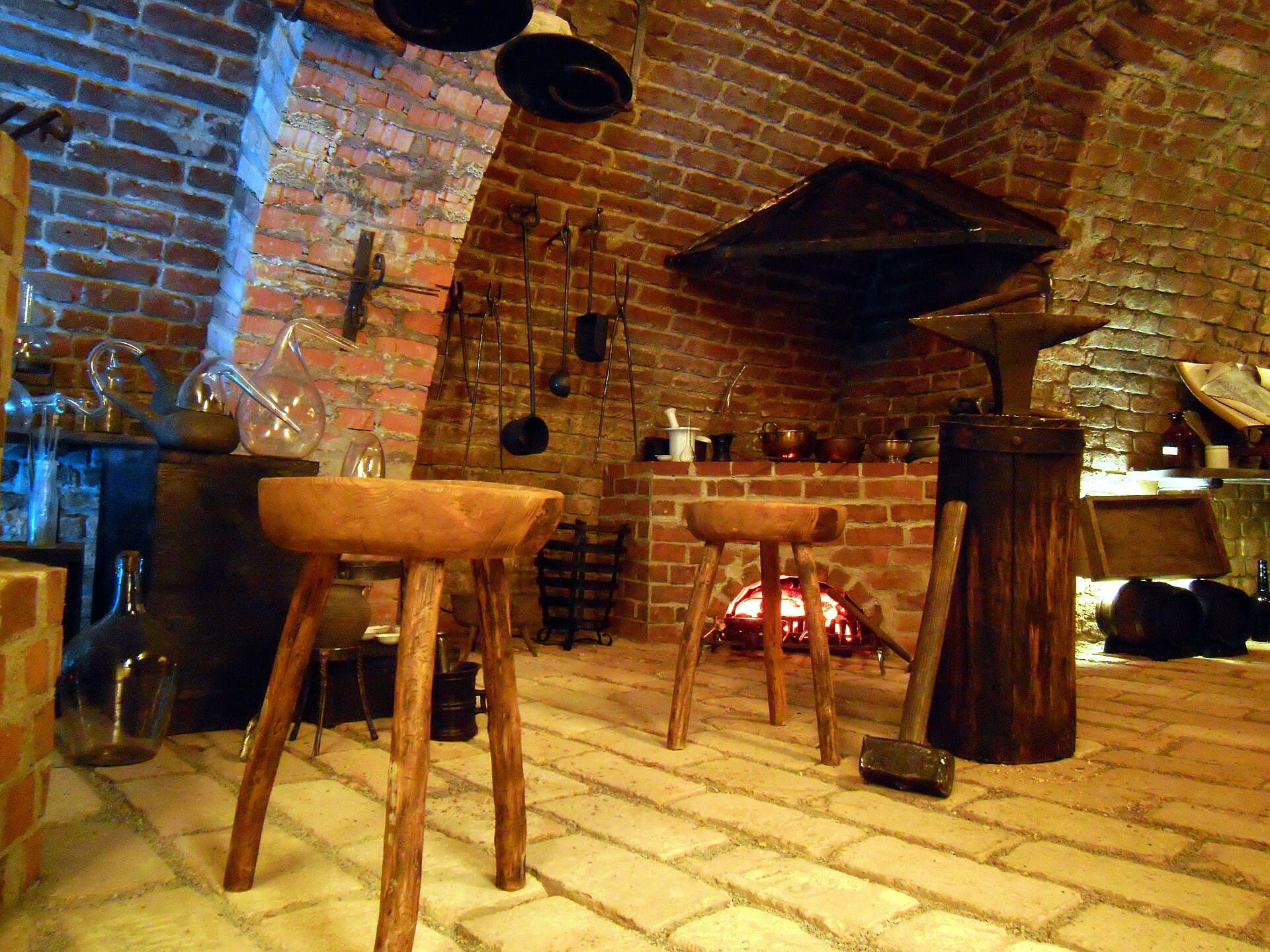 The Labyrinth under the Vegetable MarketA city beneath the city: the Vegetable Market, trading since the thirteenth cent1 minute walk4.3
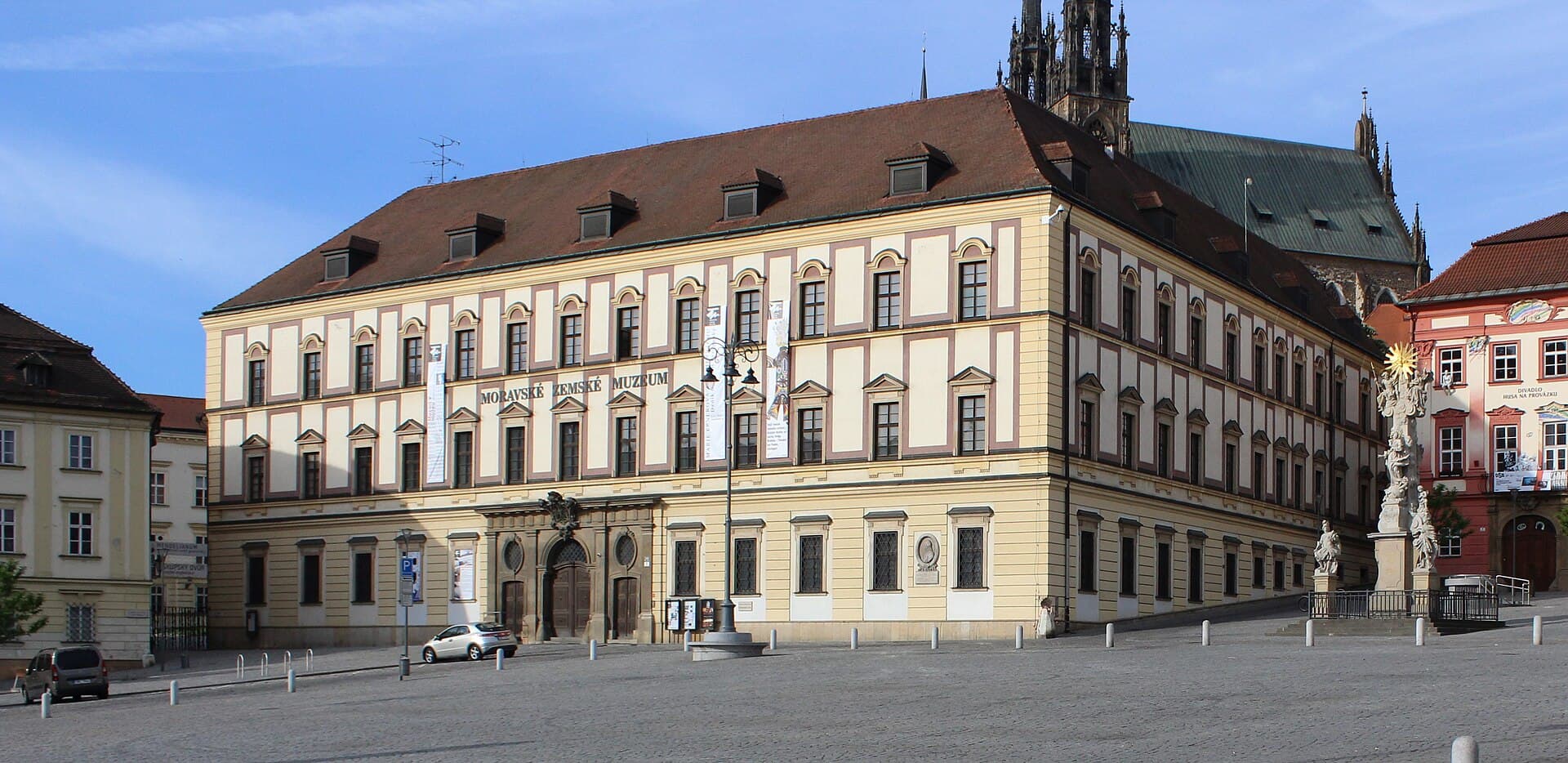 The Moravian MuseumCzechia's second museum in age and size (1817): the Moravian Museum in the Dietr1 minute walk4.6
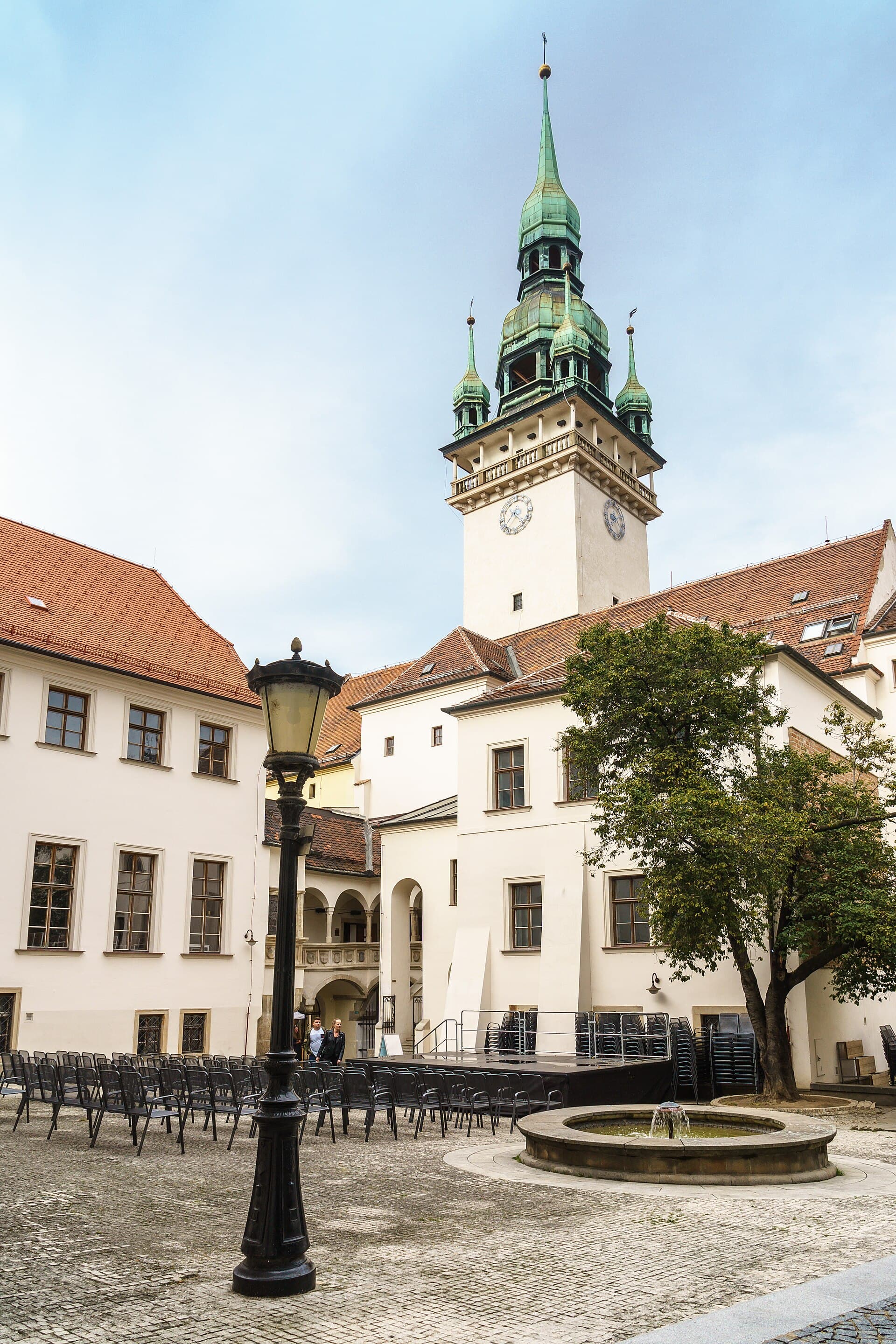 The Old Town HallThe oldest secular building in Brno, dating from the thirteenth century, and the1 minute walk4.8
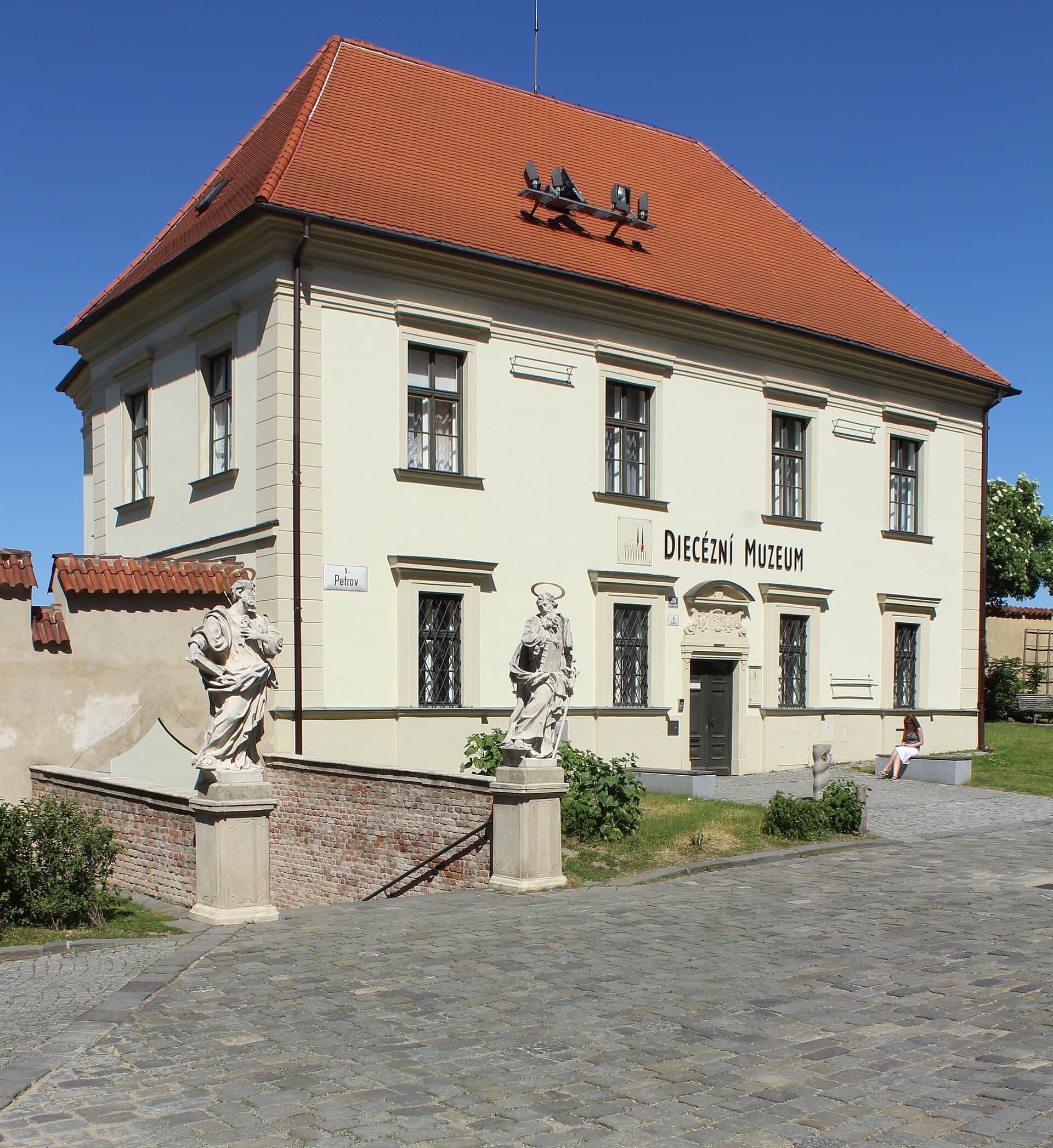 Diocesan Museum, BrnoThe sacred art museum of the Brno diocese, on Petrov hill beside the cathedral t1 minute walk4.5
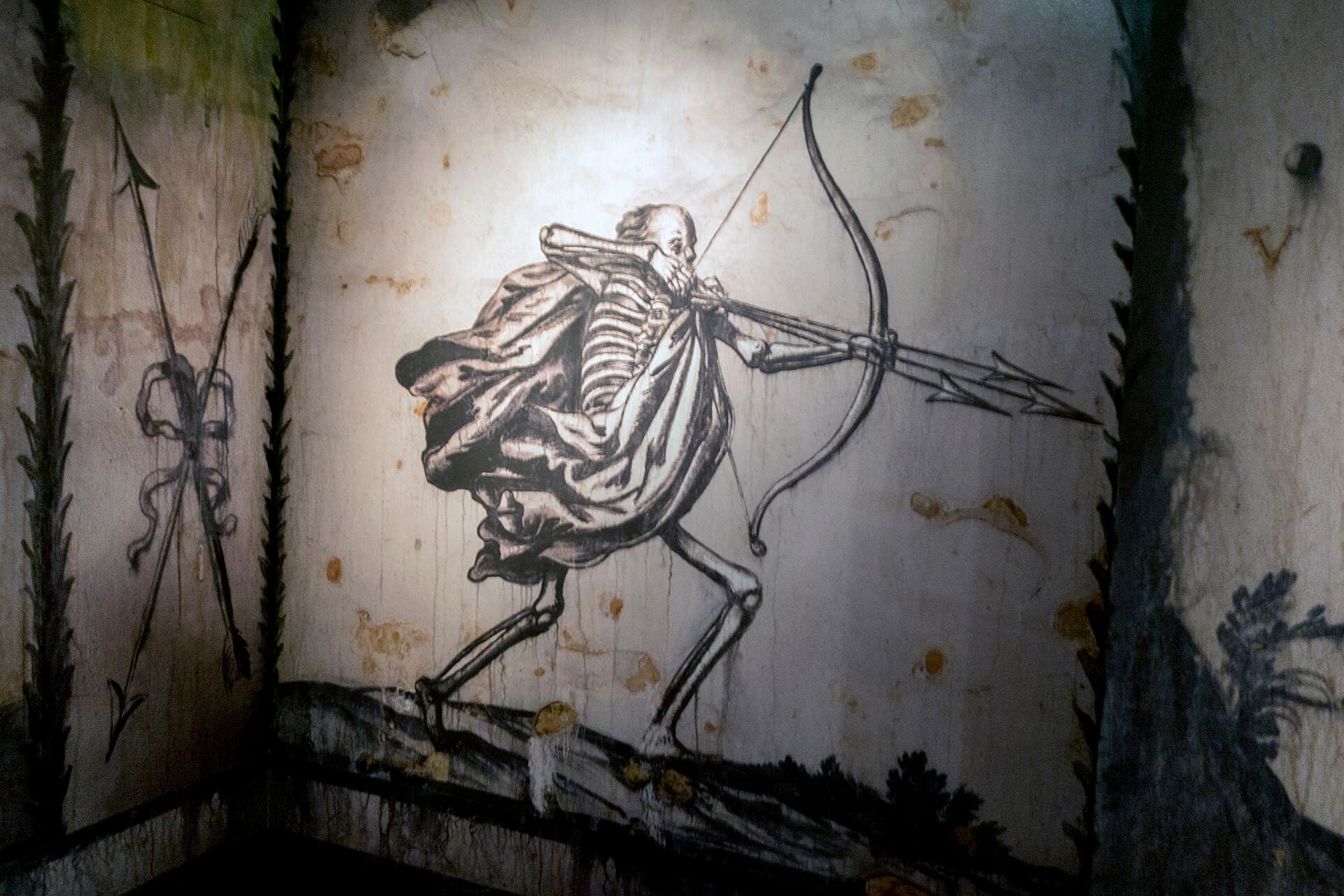 The Capuchin Crypt'As you are, we were — as we are, you will be': the crypt's famous greeting at i2 minutes walk4.7
The square itself with its working market, the baroque Parnas fountain, the Trinity column and the entrance to the underground labyrinth of cellars. The National Theatre and the Moravian Regional Museum stand at its edges. It is one of Brno's two main squares along with Freedom Square, and everything on it can be seen in half an hour apart from the cellars.
On weekdays, usually from morning into the afternoon, quieter or closed on Sunday. If you want to see the square as a living market rather than a tourist plaza, go on a weekday morning.