
The atrium
A full-height V-2 rocket with a Spitfire and a Harrier suspended overhead from the moment you walk in.
Ввласенко — CC BY-SA 3.0 · Imperial War Museum — Public domain · Sheila1988 — CC0 · Colin Pelka — Public domain
Two 15-inch naval guns guard the gate, and once inside you find a V-2 rocket standing full height in the atrium with a Spitfire and a Harrier jet hanging in the air above it. The building was Bethlem psychiatric hospital until the 1930s before becoming Britain's national museum of modern conflict, and the irony needs no commentary. Entry is free with no booking, which alone makes it one of the best ways to spend a wet half-day in London. The strongest section is the First World War galleries: a trench you can walk through, soldiers' letters and small everyday objects that tell the war better than any tank. Then come the Second World War galleries, opened in 2021, which take a global rather than purely British view and cover North Africa and the desert campaign that Arab readers will recognise. The Holocaust galleries on the upper floor are built with great care and real humanity, but the museum itself advises against them for anyone under 14, and that advice should be taken seriously: the material is heavy and explicit. With younger children, the atrium, the aircraft and the First World War galleries fill two good hours, and the building has lifts and a step-free West Entrance that suits pushchairs. A Quiet Room on level 1 is set aside for reflection and prayer, a rarity among London's big museums. The café off the atrium runs until 17:30; halal food nearby is thin, so eat before or after in Elephant and Castle. Getting there is easy: Lambeth North on the Bakerloo line is about a seven-minute walk, Elephant and Castle (Northern and Bakerloo) around ten, and the walk from Westminster across the river takes about twenty minutes. School groups can make weekday mornings busy and noisy; the museum itself says it is quietest after 3pm, and it never reaches British Museum queues. Temporary exhibitions rotate through the year and most are free, though the occasional headline show is ticketed, so check the site before you go.
A full-height V-2 rocket with a Spitfire and a Harrier suspended overhead from the moment you walk in.
A walk-through trench, letters and everyday objects make these among the best war galleries in Britain.
Opened in 2021 with a global view that includes North Africa; the Holocaust section is not suitable for under-14s.
Lambeth Road, London SE1 6HZ
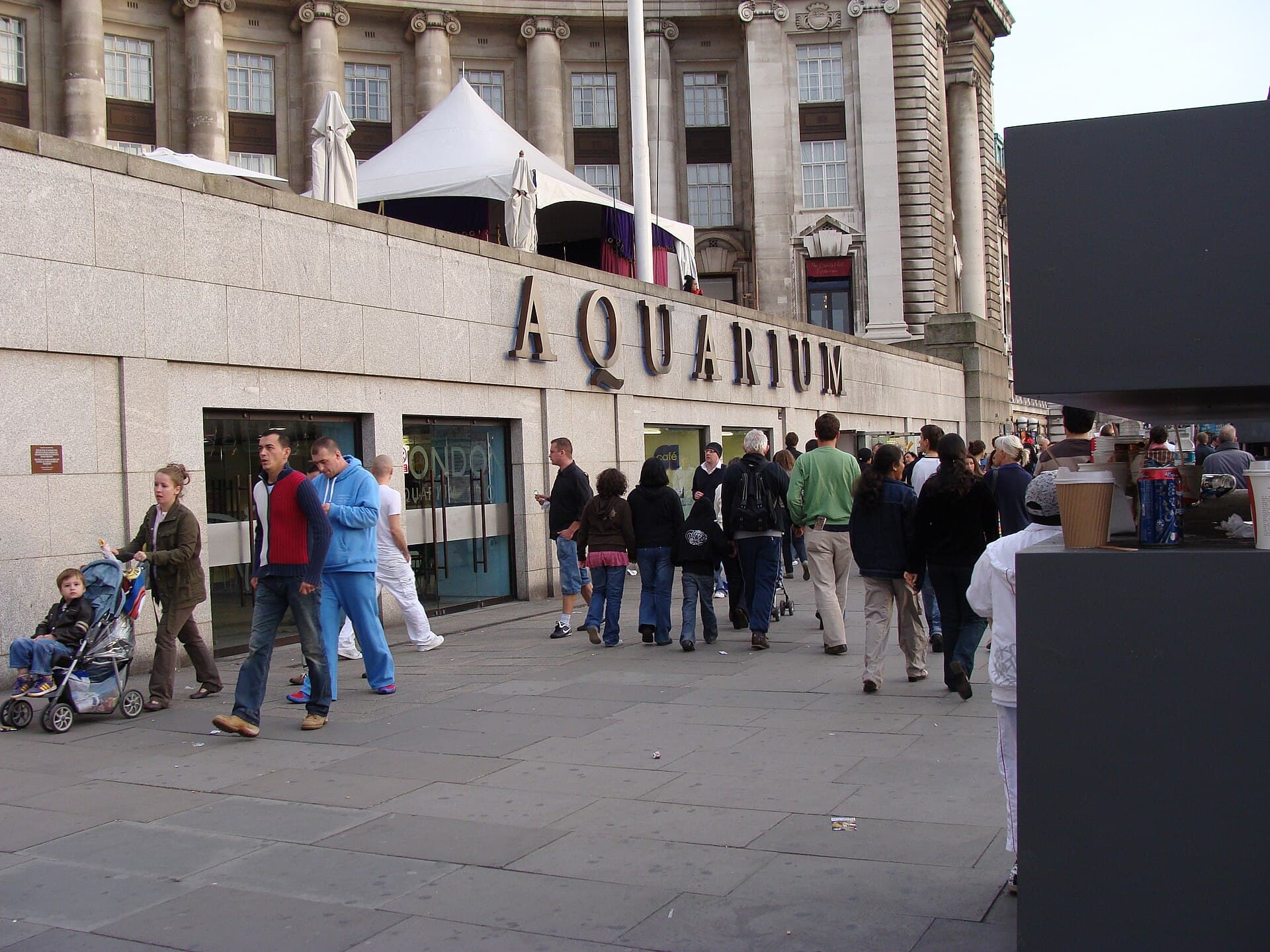 SEA LIFE London AquariumBeneath the old headquarters of London's county government, in basement corridor12 minutes walk4.2
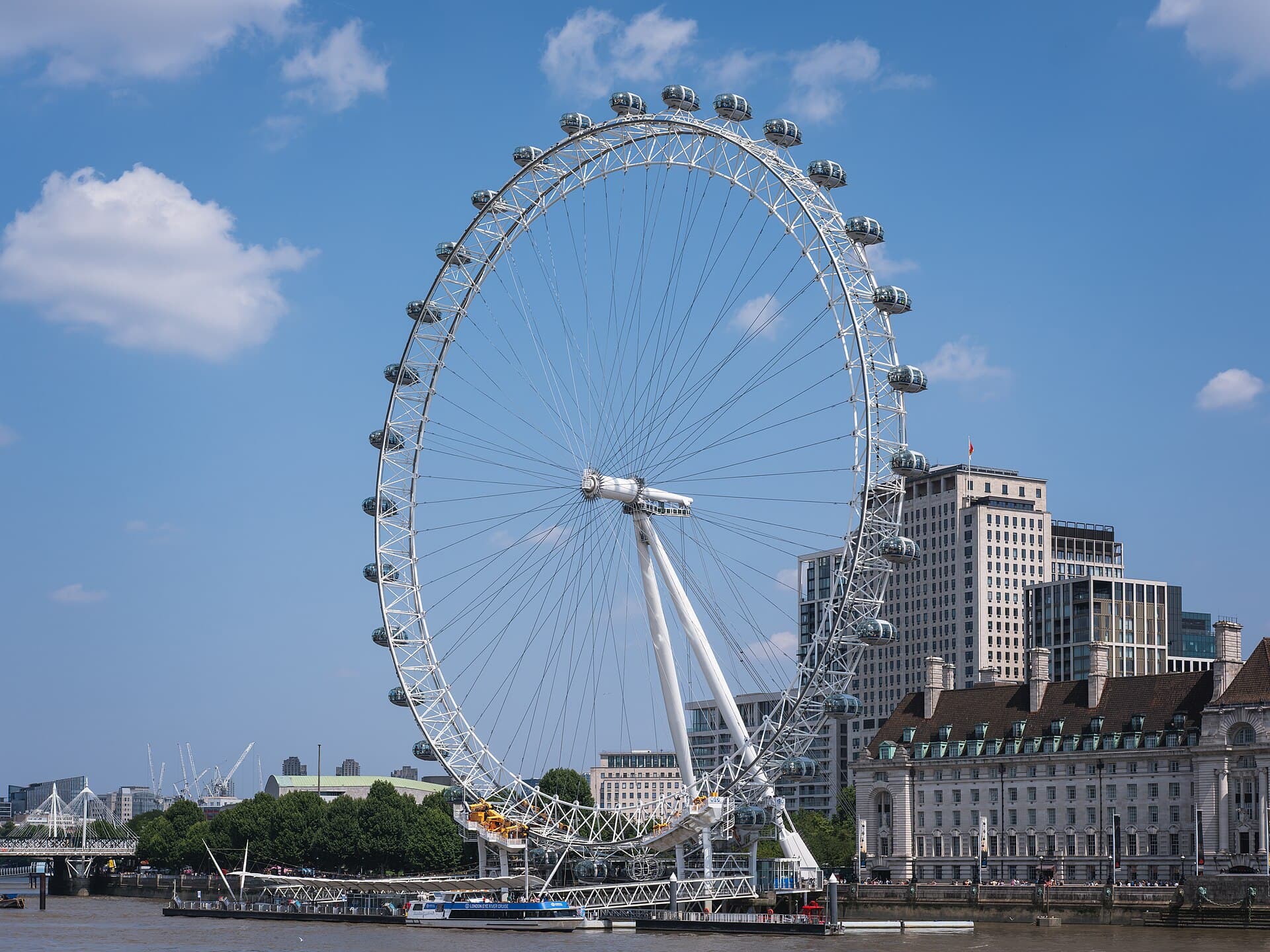 London EyeThe wheel never stops for you to board. The London Eye turns at about 26 centime14 minutes walk4.6
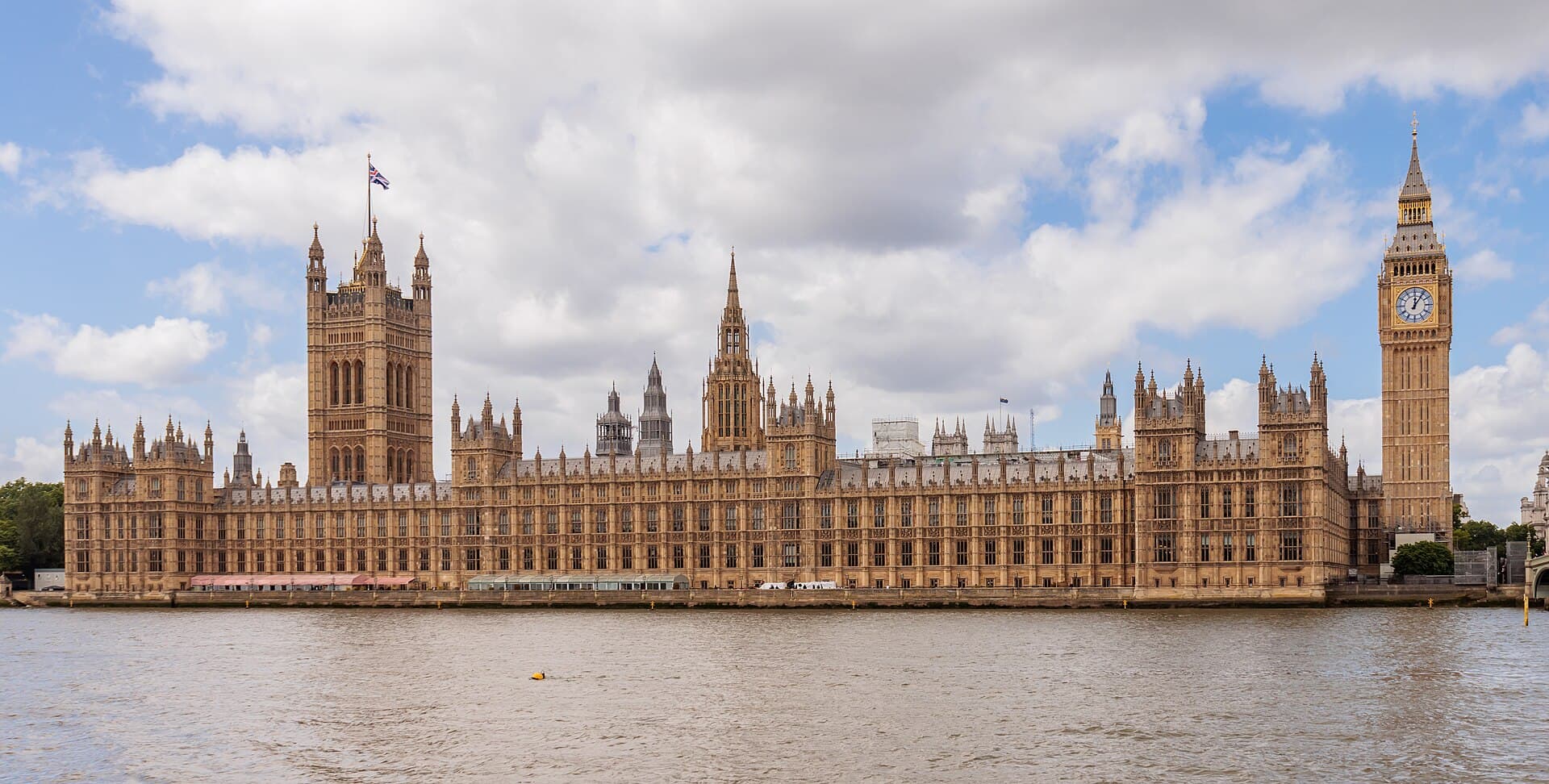 Palace of Westminster (Houses of Parliament)The building you know from a thousand photographs is not a medieval palace at al14 minutes walk4.6
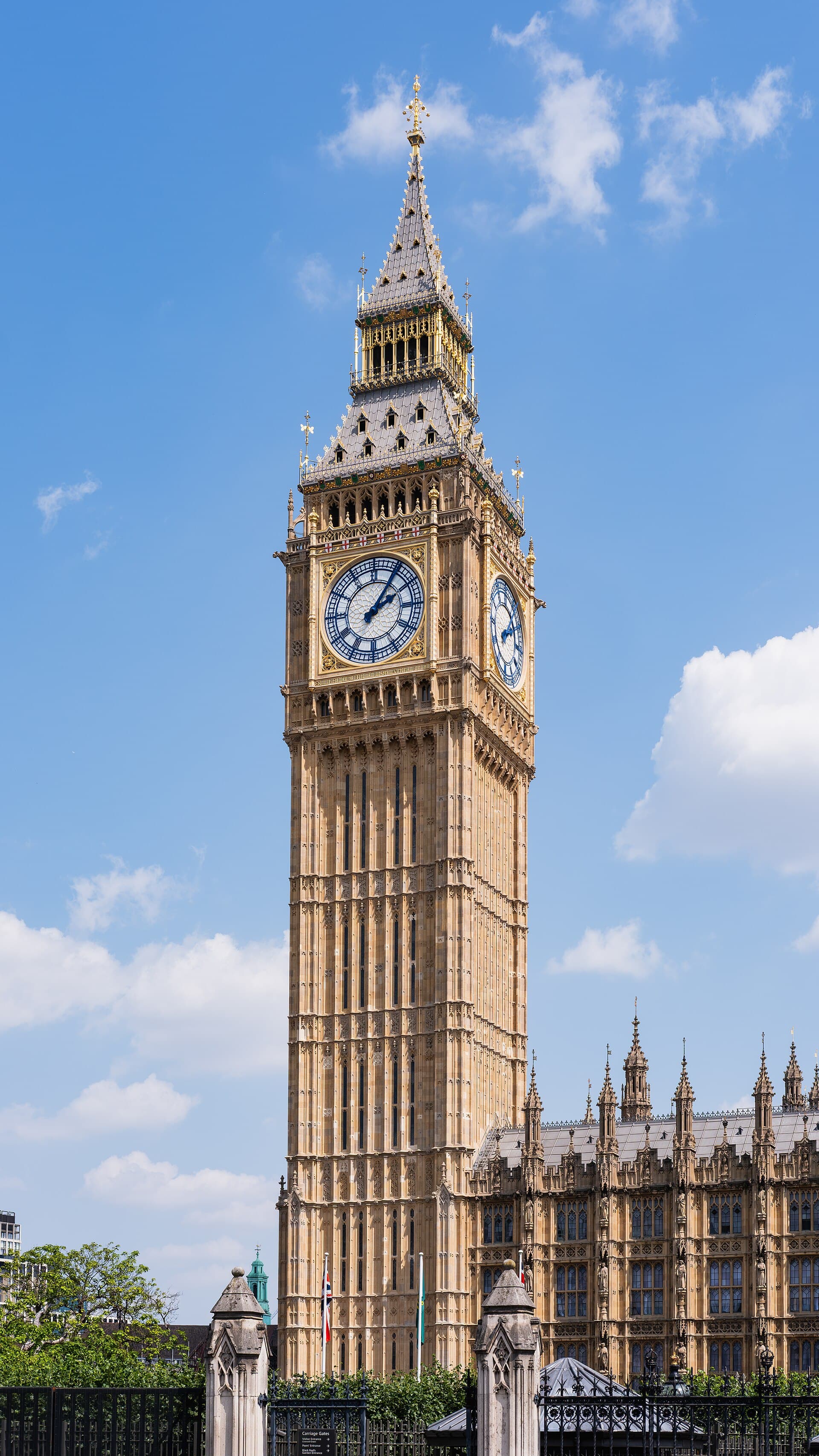 Big BenBig Ben is not the tower. The name belongs to the Great Bell, roughly 13.7 tonne15 minutes walk4.7
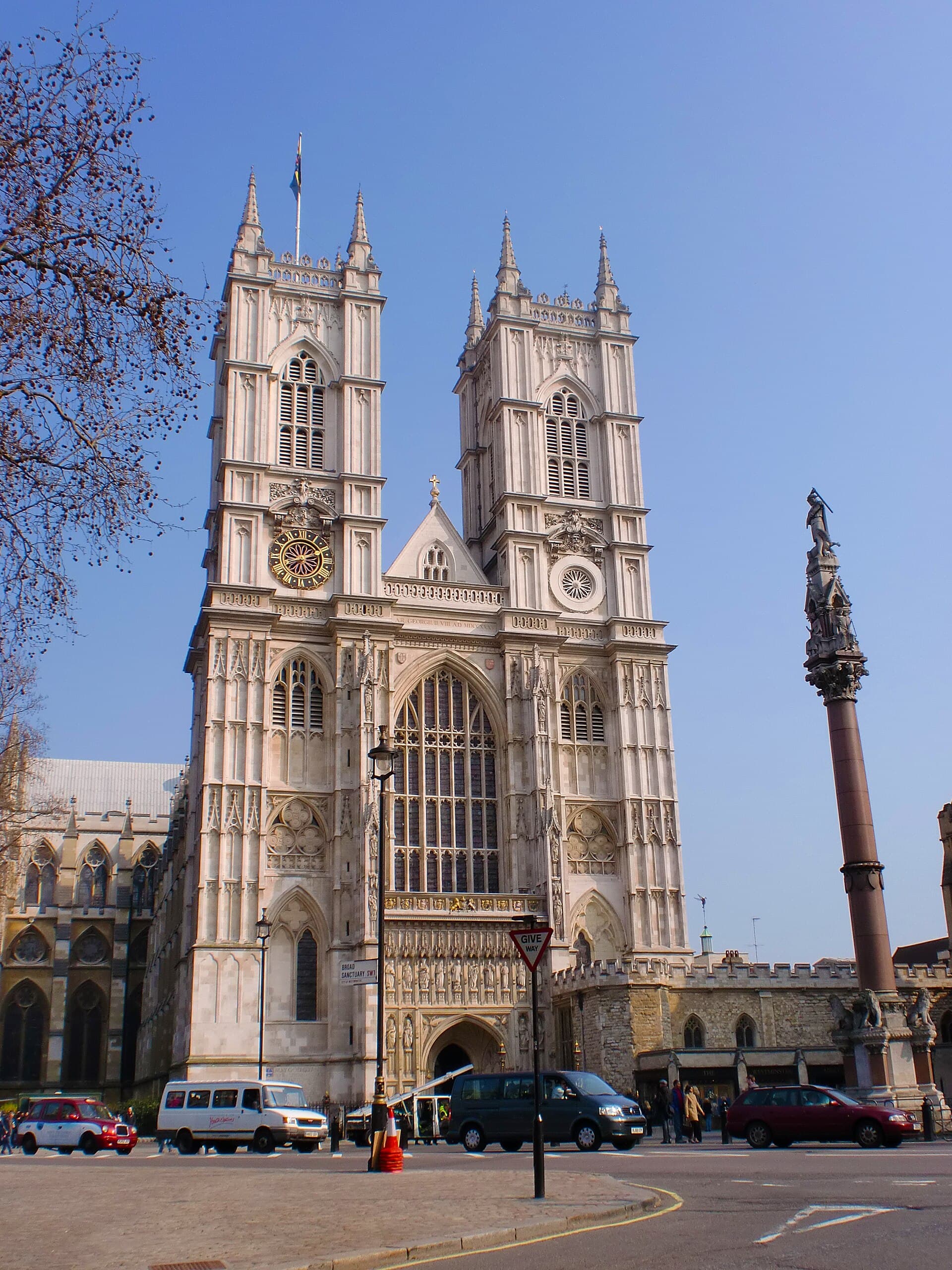 Westminster AbbeyNo monarch of England or Britain has been crowned anywhere else since 1066. The 17 minutes walk4.5
It works from about age 8: the atrium, the aircraft and the First World War galleries hold them for two hours, and there are lifts and a step-free entrance for pushchairs. But skip the Holocaust galleries upstairs with anyone under 14; the museum advises this itself and the content is very explicit.
They serve different purposes. This museum is free, far larger and needs two to three hours; the Churchill War Rooms are ticketed, cramped and tell one story in depth. On limited time and money, start here; if Churchill is your interest, do both in one day, as they are about 25 minutes' walk apart across Westminster Bridge.