
The courtyard
And its fountain.
Ankara — CC BY-SA 3.0 · Francesco Mazzucotelli — CC BY-SA 3.0 · Unknown photographer — Public domain · Rabih omeiri — CC BY-SA 4.0 · Ahmad Zaatari — CC BY-SA 3.0 · Vyacheslav Argenberg — CC BY 4.0 · Vyacheslav Argenberg — CC BY 4.0
A large Ottoman caravanserai in the old city of Sidon. It is usually credited to Emir Fakhr al-Din II, but was actually commissioned in the late sixteenth century by the grand vizier Sokollu Mehmed Pasha. Its name, «khan of the Franks», comes from the French merchants who lodged there in the seventeenth century. A wide rectangular courtyard with a central fountain is ringed by two storeys of arcades; the rooms served as stores and lodgings for the merchants, and the French consul lived here around 1616. Restored, it is now a cultural centre, owned by the French state and leased to the Hariri Foundation, with exhibitions and events. The vaulted old souks, with their stone lanes and small shops, start right outside. Entry is free during opening hours and half an hour is enough; from here you can wander the souks and walk to the Soap Museum and the Sea Castle.
And its fountain.
On two floors.
Right outside.
Old city, Sidon
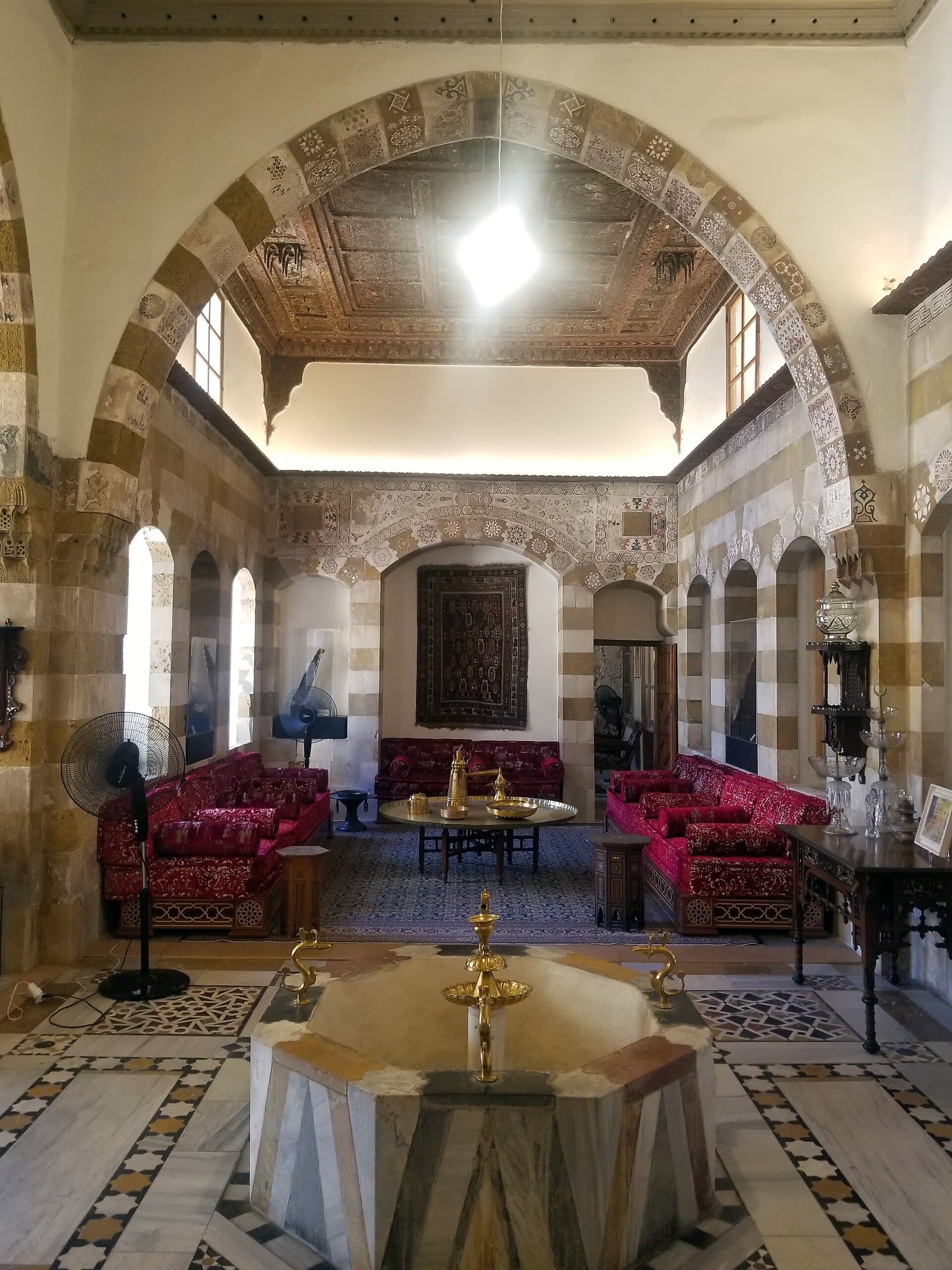 Debbane PalaceDebbane Palace is an Arab-Ottoman mansion in the old city of Sidon, built in 1723 minutes walk
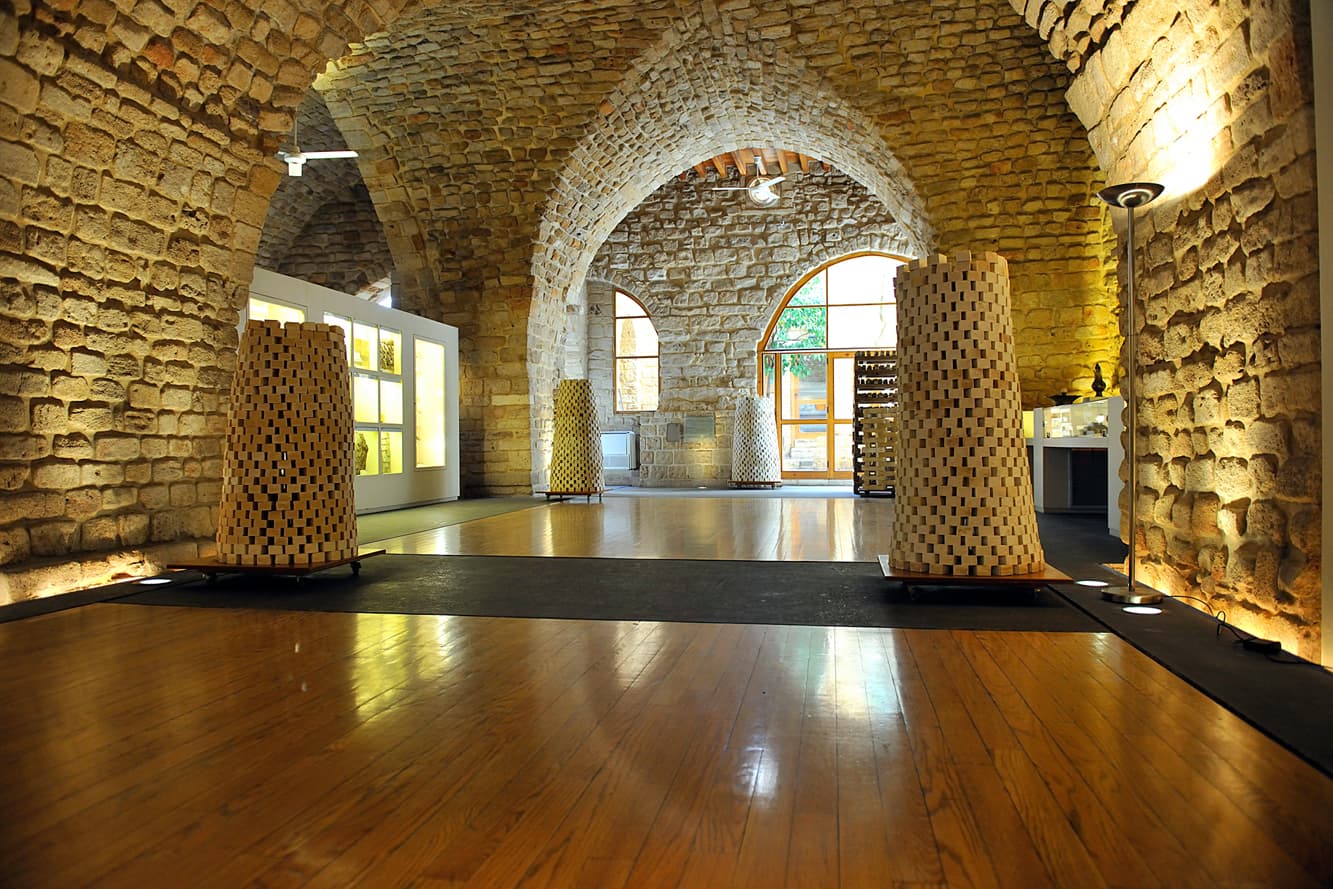 Sidon Soap MuseumA museum in a seventeenth-century soap factory in the old city of Sidon, built b3 minutes walk4.6
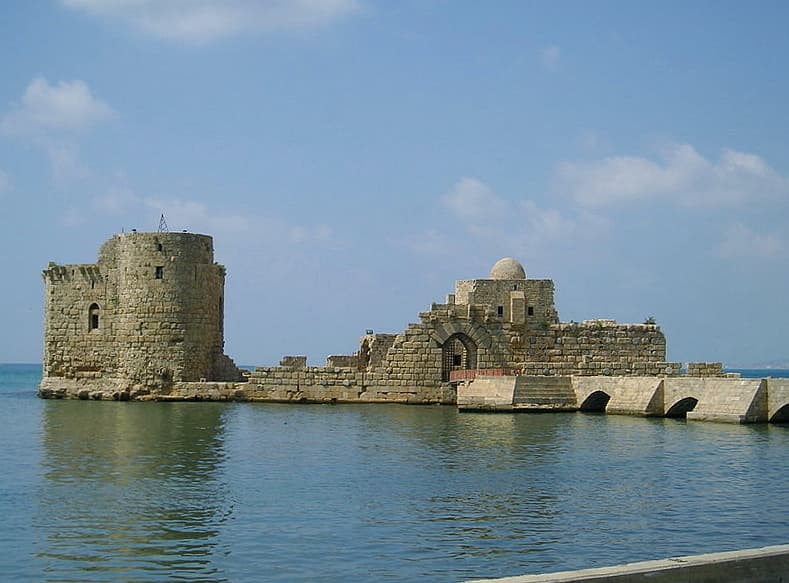 Sidon Sea CastleA small fortress on a rocky islet off the harbour of Sidon, built by the Crusade4 minutes walk4.4
Because French merchants, «Franks» to the Arabs of the time, lodged there in the seventeenth century, and the French consul lived there around 1616.