
Five thousand years
Ancient Egypt to Neoclassicism in one house.
Photo: Andreas Praefcke — CC BY 3.0 · NorbertNagel — CC BY-SA 4.0 · Karsten Ratzke — CC0 · Photo: Andreas Praefcke — CC BY 3.0
The Liebieghaus is Frankfurt's home of sculpture: five thousand years of the figure — ancient Egypt, Greece and Rome, through the Middle Ages, Renaissance and Baroque to Neoclassicism — inside an enchanting nineteenth-century villa with towers and garden on the museum embankment. Its strength is intimacy: major sculpture shown in the rooms of a house rather than the halls of an institution, so you approach the marble Athena, the painted wooden Madonnas and the baroque angels as a guest, not a visitor. The museum's famous polychromy lab has restored to ancient statues their startling original colours — a section that upends your idea of "white marble". Its garden is among the embankment's loveliest corners, the café among the statues a local secret. A quiet jewel fit to close the museum walk.
Ancient Egypt to Neoclassicism in one house.
Ancient statues in their startling original paint — the museum's famous science.
A turreted mini-palace with a statue garden — the setting itself a treasure.
Schaumainkai 71, 60596 Frankfurt
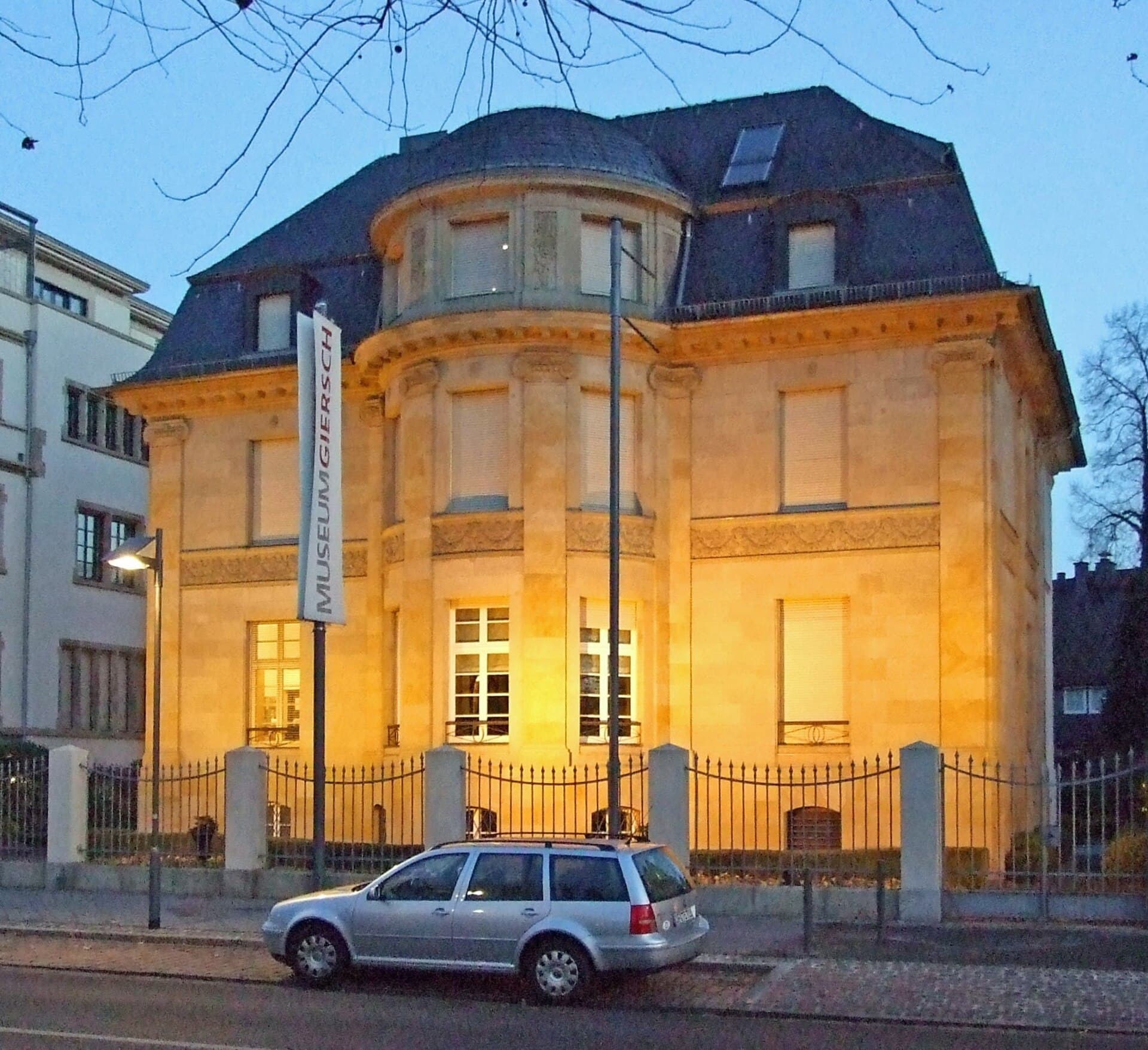 Museum Giersch of Goethe UniversityMuseum Giersch is one of the smaller and least-known houses on the Museumsufer, 1 minute walk4.6
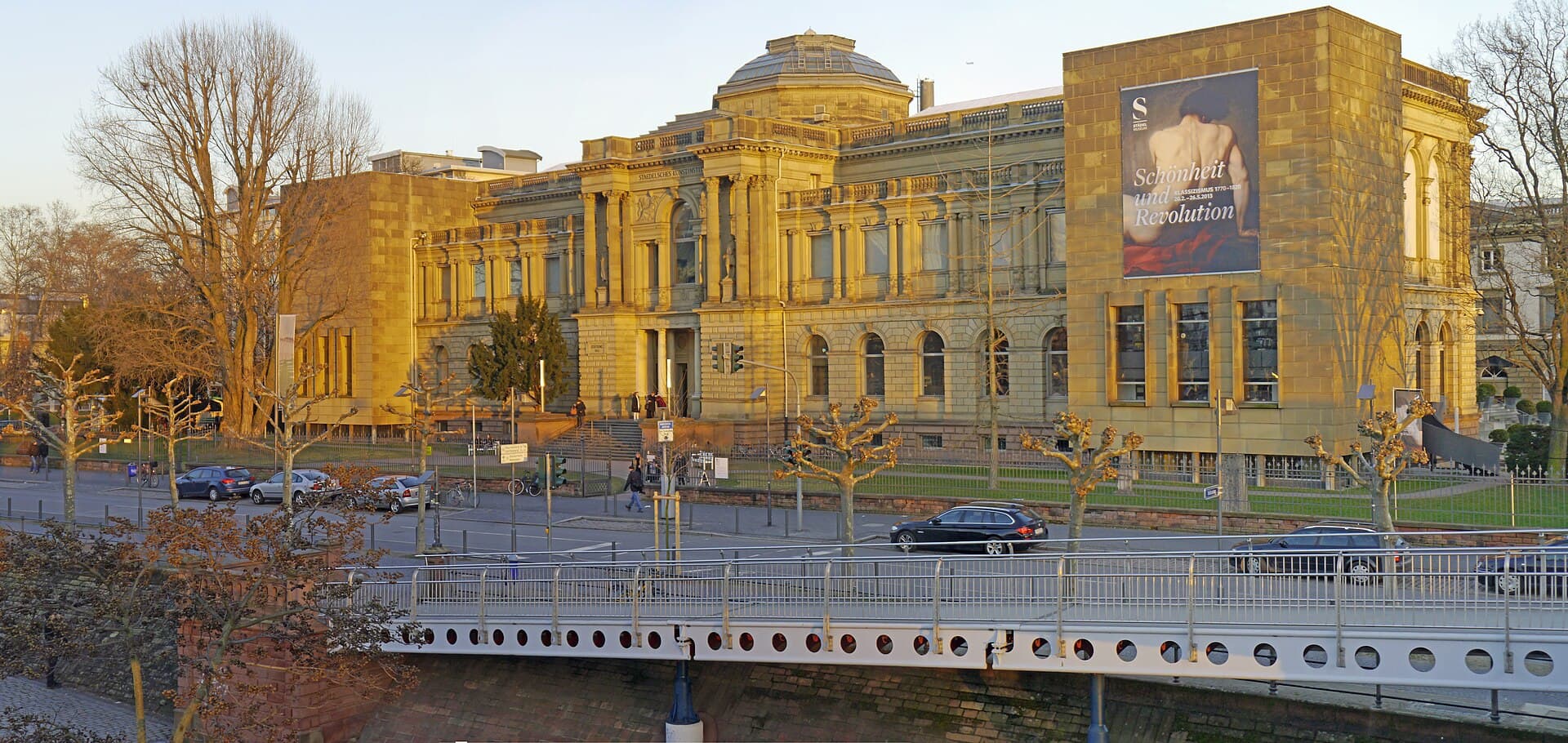 Städel MuseumThe Städel is Frankfurt's most important art museum and among the most important3 minutes walk4.7
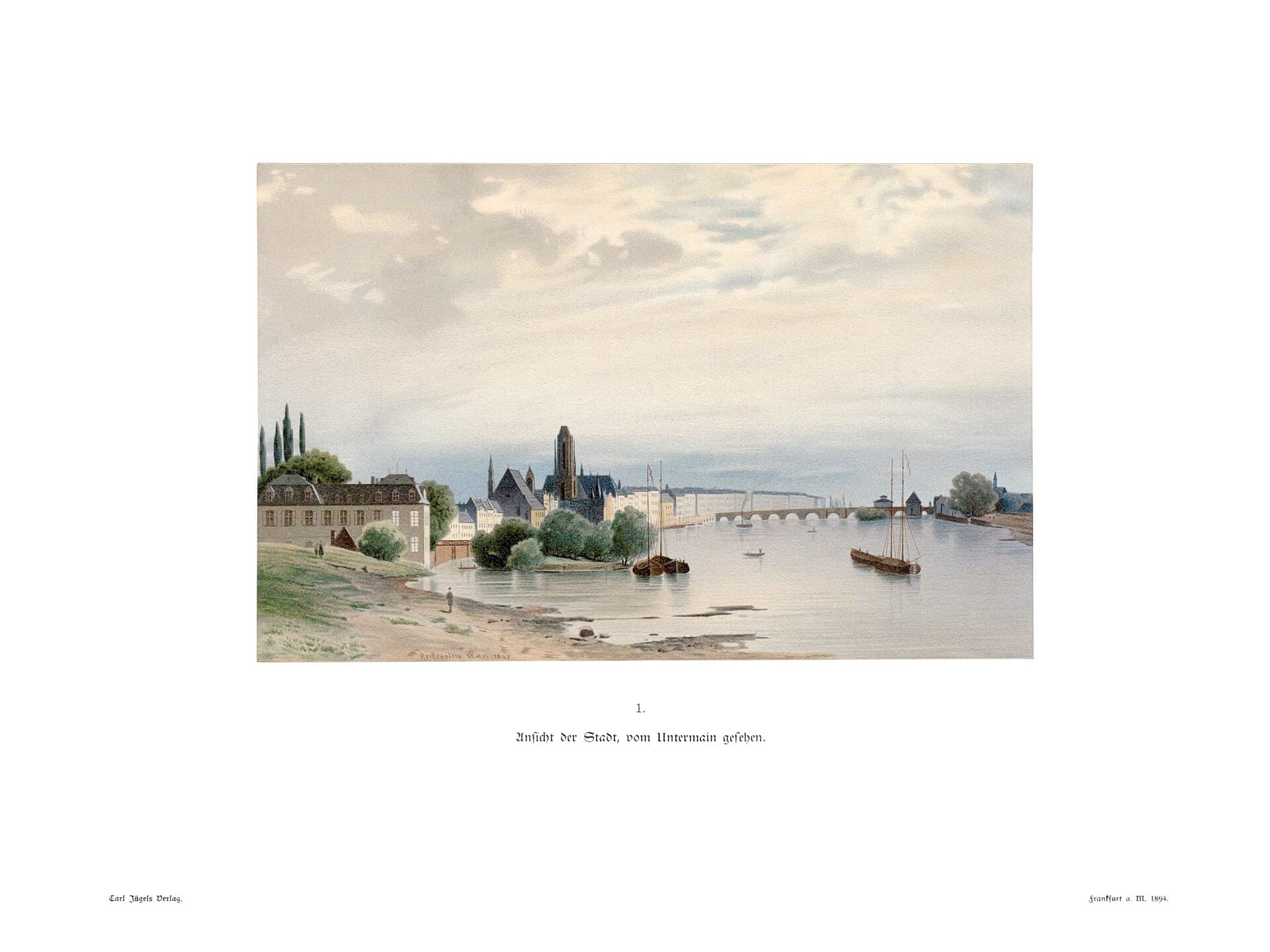 Nizza ParkNizza Park is a small garden on the bank of the river Main, named after the Fren4 minutes walk4.6
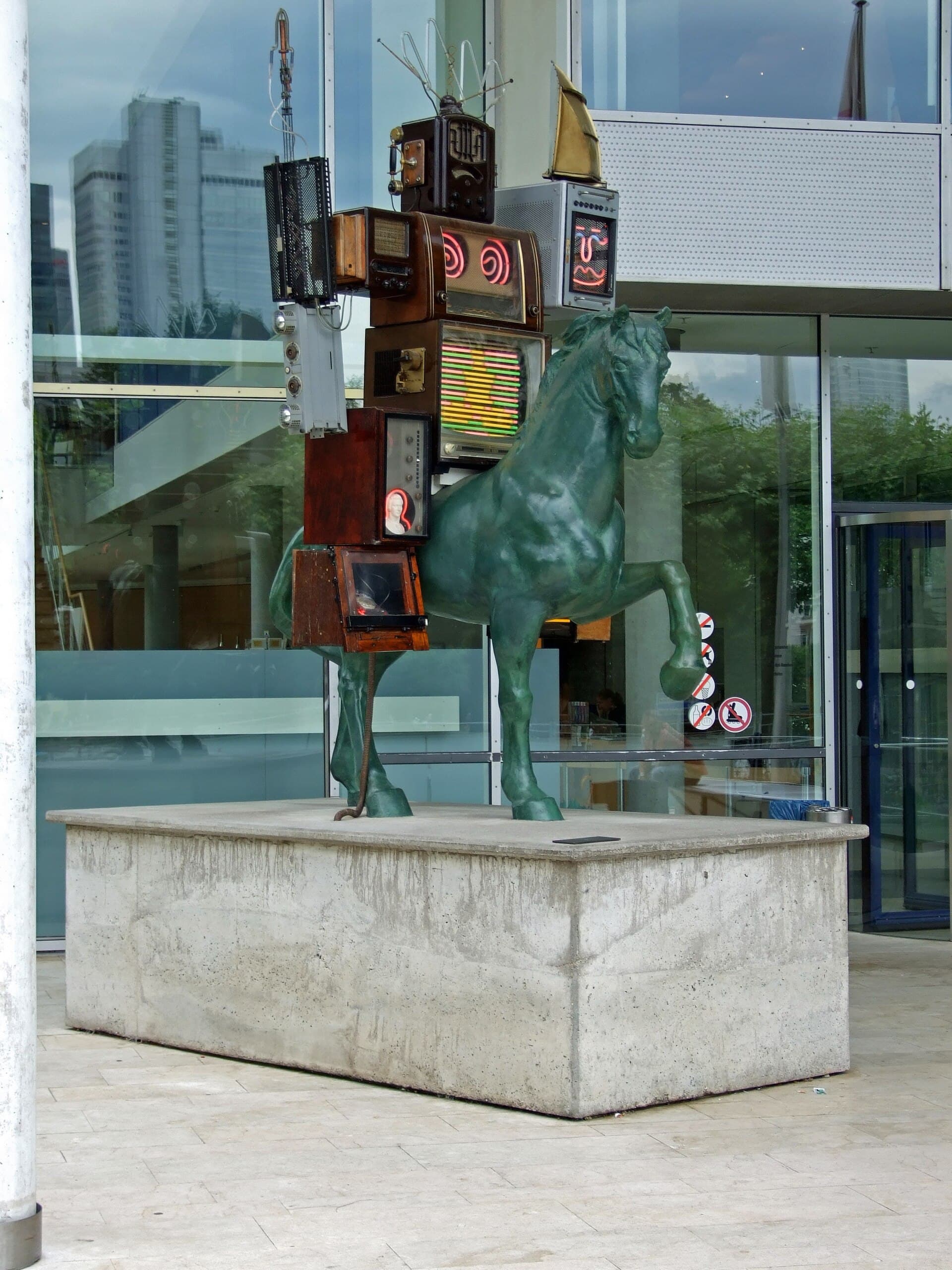 Museum for Communication FrankfurtThe Museum for Communication in Frankfurt traces how people have communicated th5 minutes walk4.6
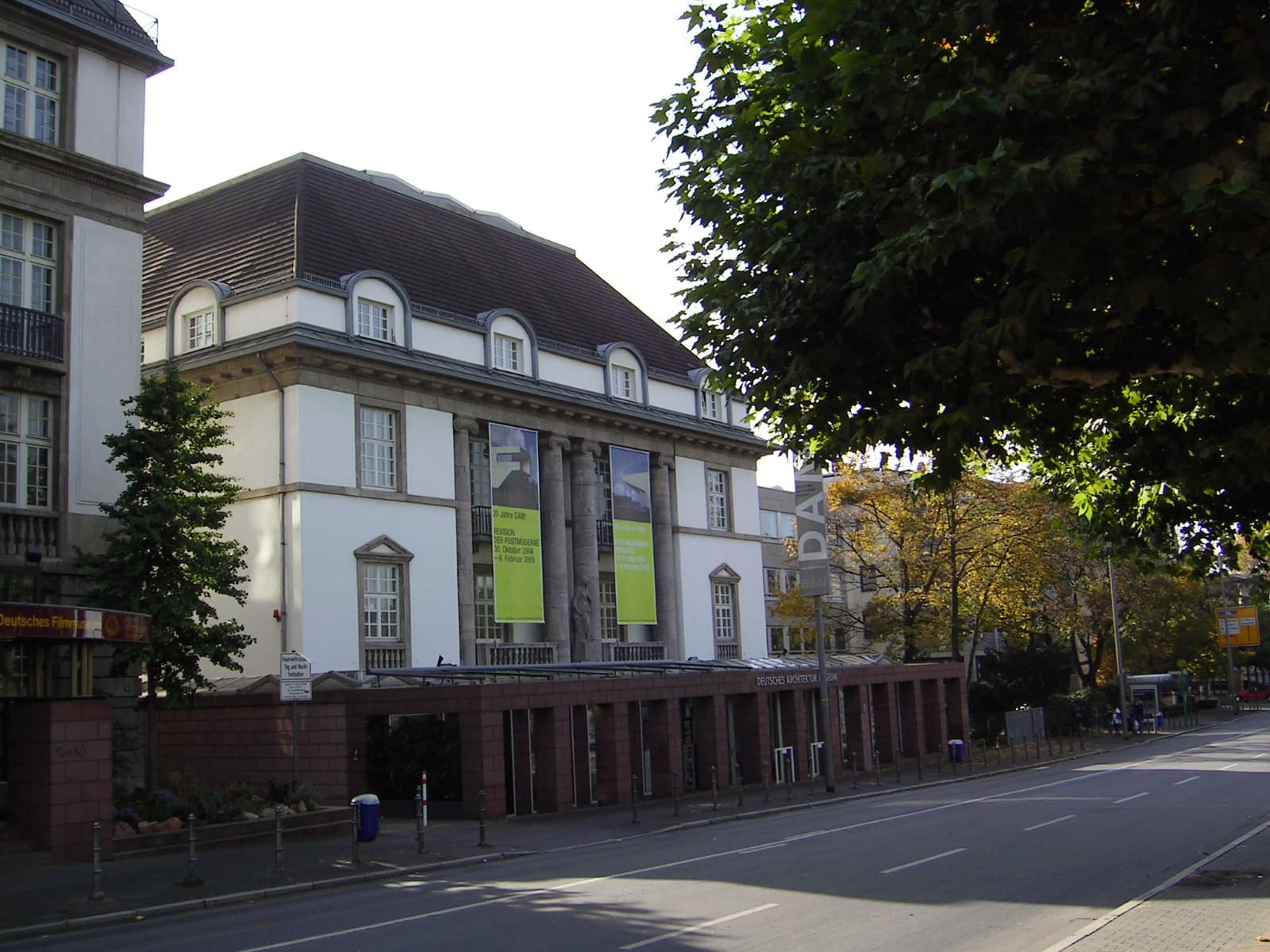 German Architecture MuseumThe German Architecture Museum sits on Schaumainkai, the stretch of the south ba7 minutes walk4.0
Greek and Roman marble was brightly painted; centuries stripped it and left us the myth of pure white. The museum's lab reconstructs the pigments scientifically and shows replicas in original colour — blues, reds and golds that shock the modern eye and correct a whole history.
A supplement: the Städel for painting, this for sculpture, minutes apart. The ideal embankment day: Städel in the morning, lunch, then the Liebieghaus and its garden after — intensity, then intimacy.
The colour section genuinely amazes them ('statues were painted?!') and the garden gives release. It is a quiet house — right for children who can manage a composed hour, with a short Egypt section to hook them.