
The Limmat balcony
River, Grossmünster and rooftops — Zurich's first postcard.
Roland zh — CC BY-SA 3.0 · Ximeg — CC BY-SA 3.0 · Roland zh — CC BY-SA 4.0 · Roland zh — CC BY-SA 3.0
The Lindenhof is Zurich's mother hill: here Rome kept the customs fort Turicum that named the city, here Charlemagne's grandson raised an imperial palace — and today it is a gravelled square of shading lime trees, the finest free balcony over the old town. From its parapet historic Zurich unrolls: the Limmat below with its boats, the Grossmünster's twin towers opposite, the roofs of the east-bank Niederdorf, and on clear days the Alps beyond the lake. The view with which the city introduces itself to every arrival. The square has been its quarter's living room for centuries: giant chess boards where pensioners play in earnest, and a fountain remembering the Zurich women who saved the city in 1292 by parading armed in disguise — the square's favourite story.
River, Grossmünster and rooftops — Zurich's first postcard.
Earnest matches on two huge boards — permanent spectacle.
A Roman stone and vanished fort that named the city.
Lindenhof, 8001 Zurich
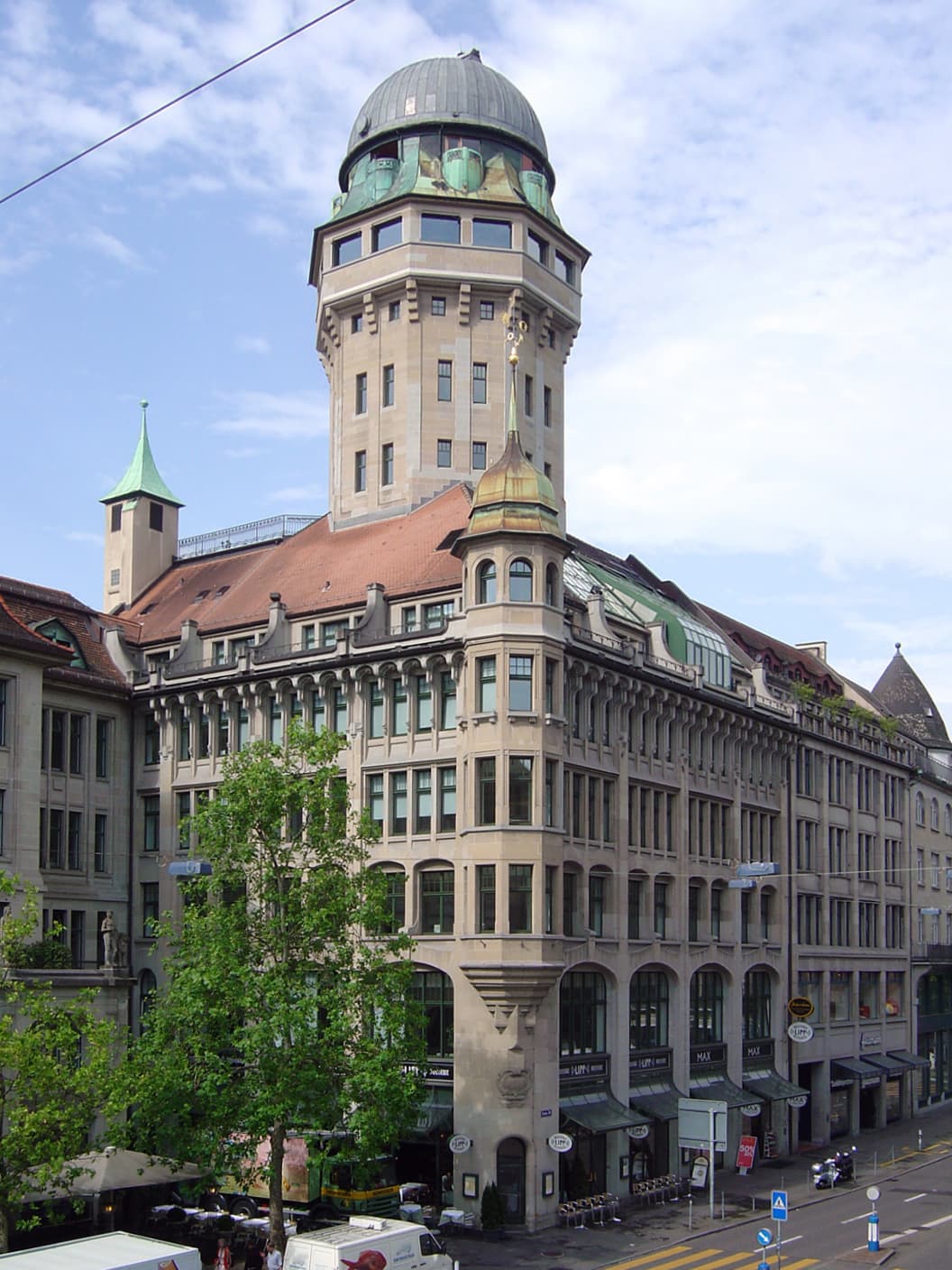 Urania ObservatoryA round tower rising some fifty metres above the western edge of Zurich's old to2 minutes walk4.4
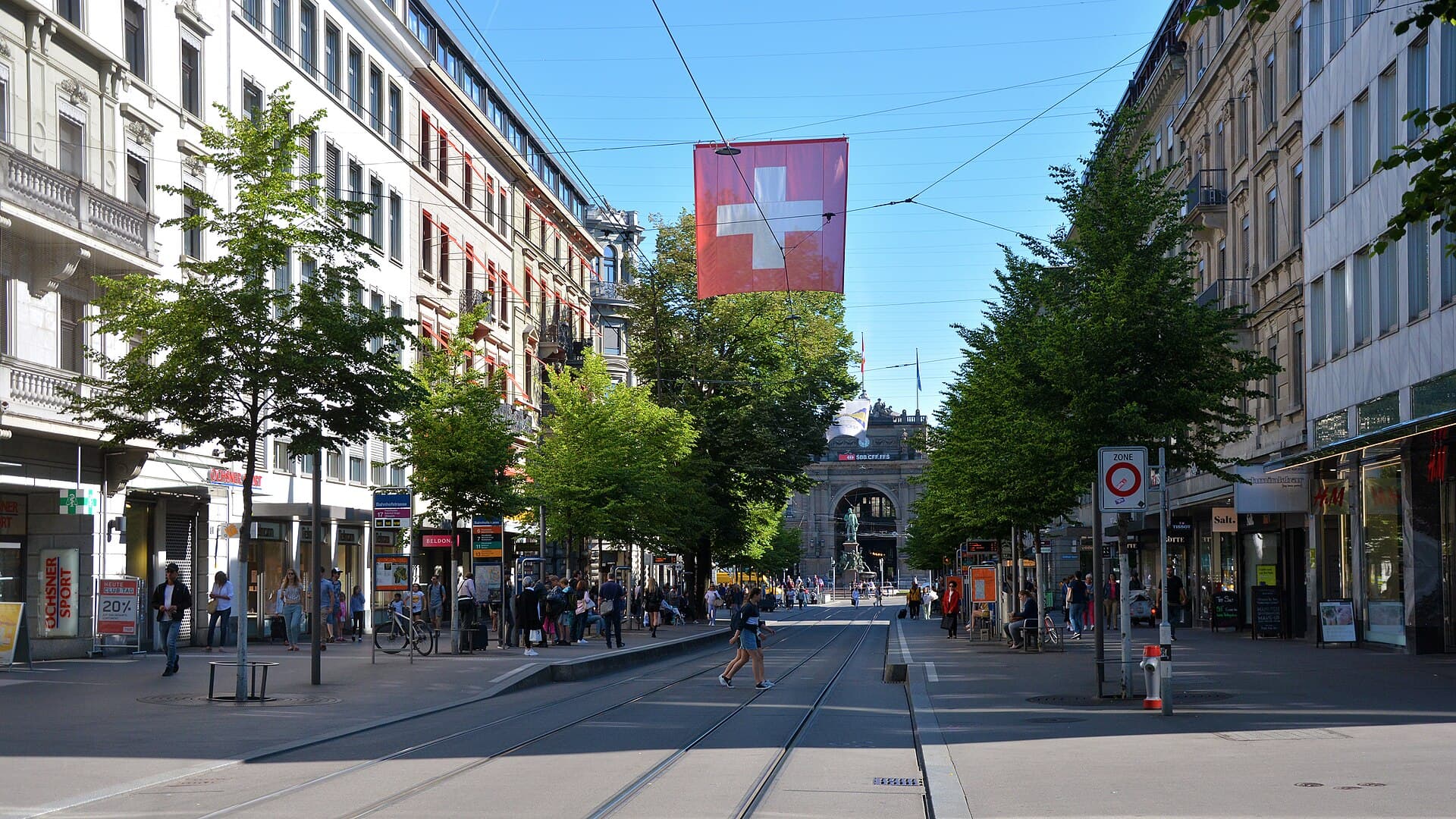 BahnhofstrasseZurich's main street: 1.4 kilometres running from the square in front of the cen2 minutes walk4.6
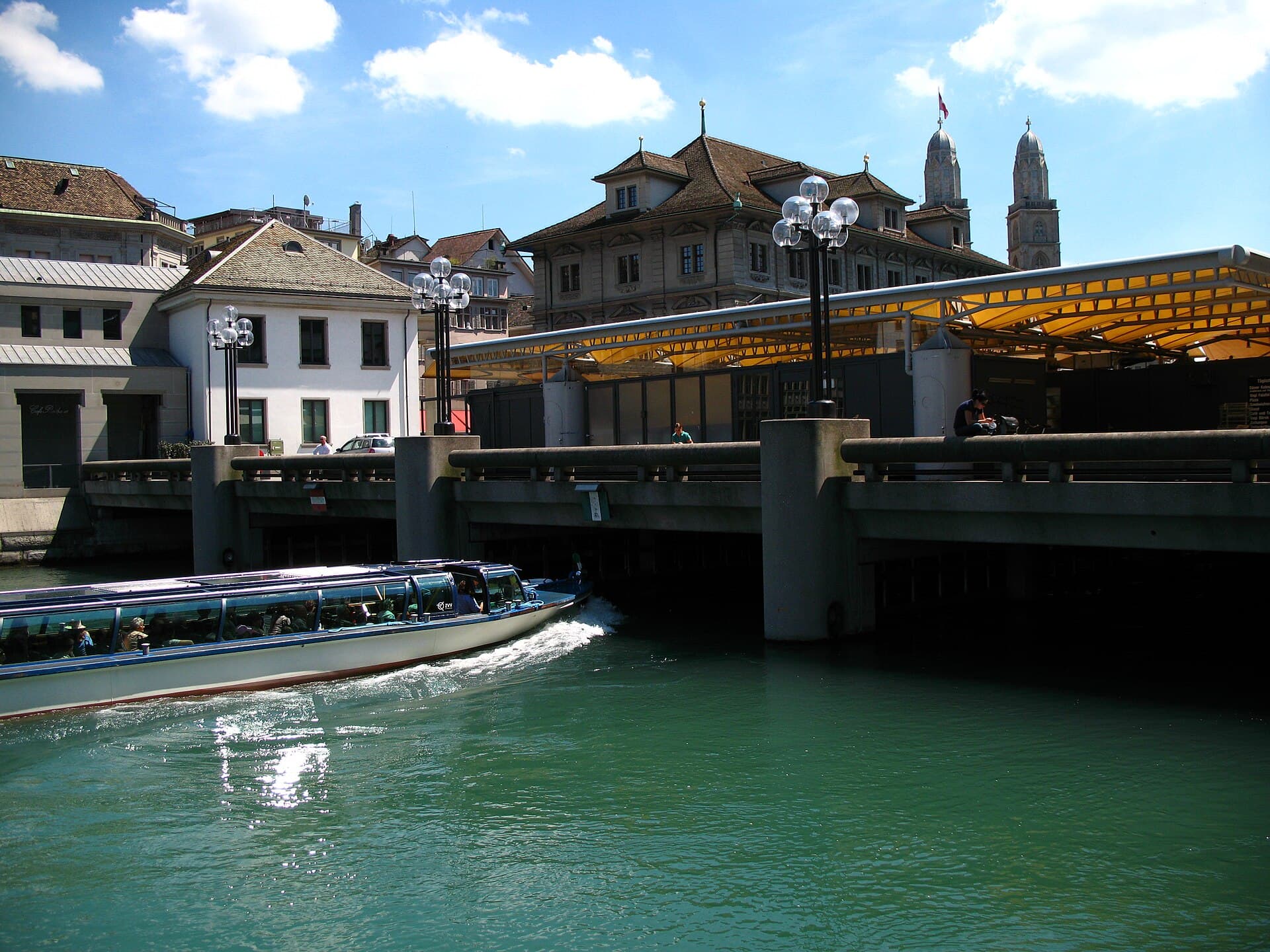 Rathausbrücke (the Vegetable Bridge)A short, unusually wide bridge over the Limmat between Zurich's town hall and th2 minutes walk4.8
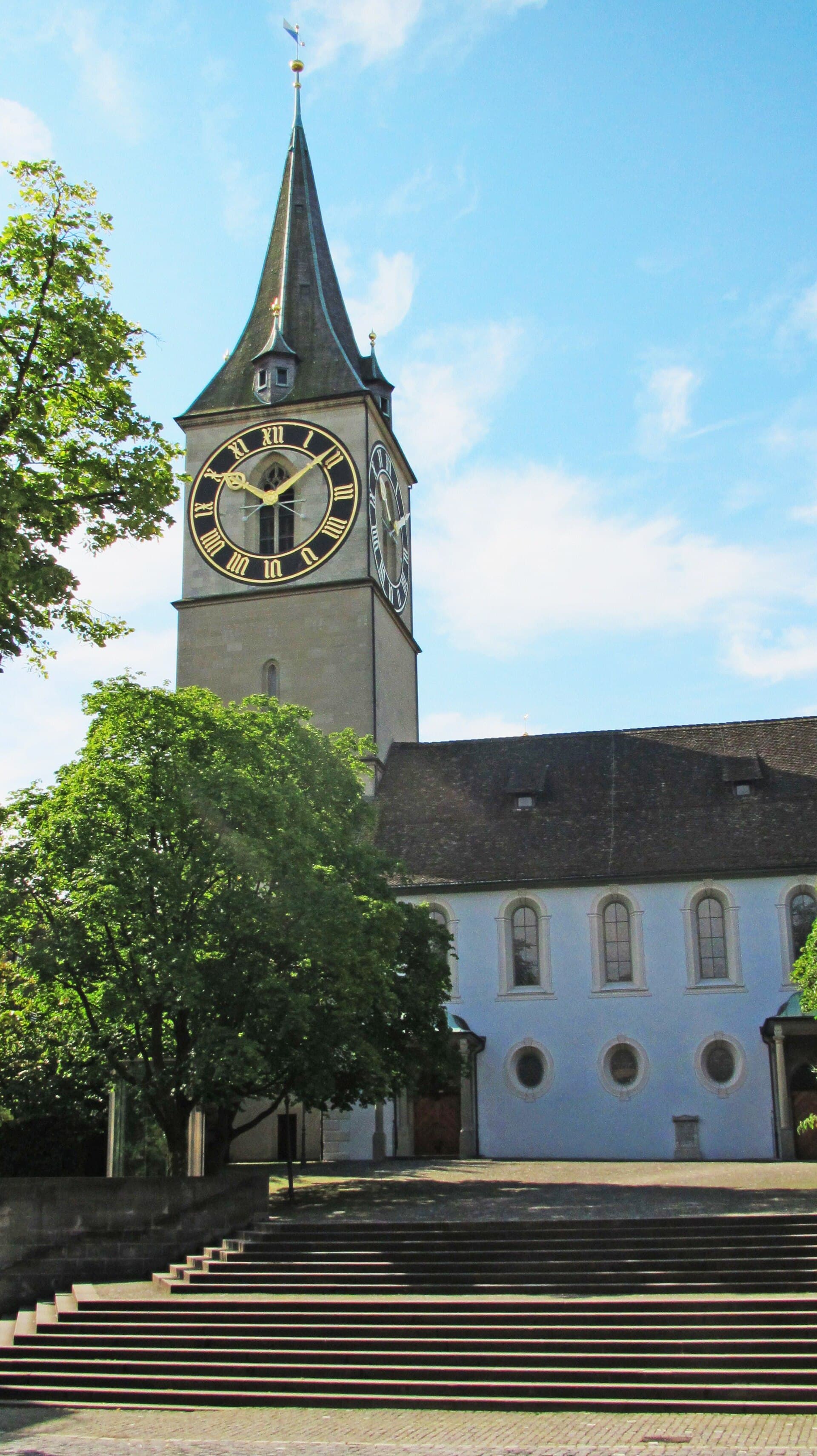 St. Peter's ChurchThis is Zurich's oldest parish church site: excavations beneath the choir have t3 minutes walk4.6
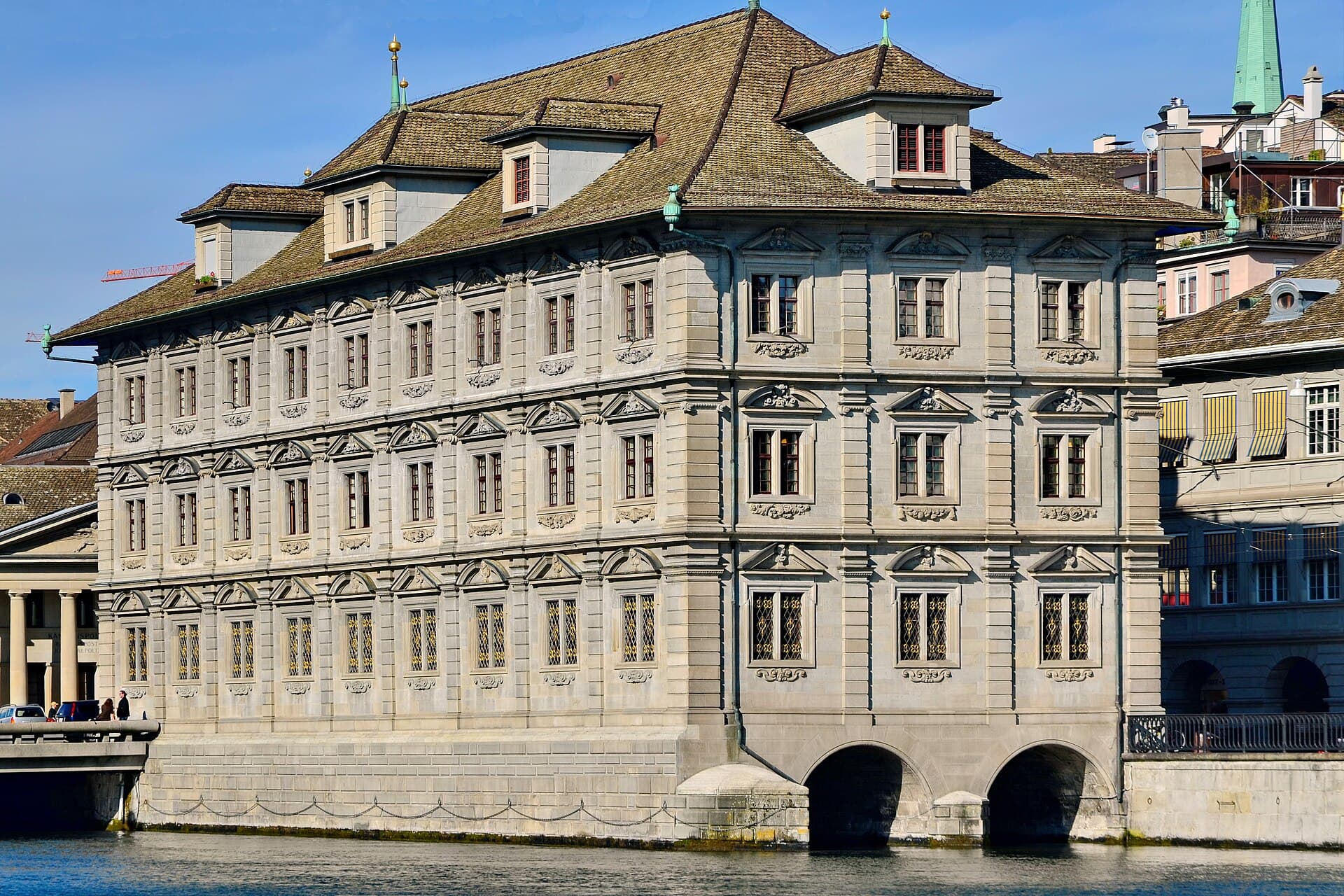 Zurich Town Hall (Rathaus)The Rathaus is a restrained baroque building put up between **1694 and 1698** in3 minutes walk4.5
A Habsburg force besieged Zurich with its men away campaigning — so the city's women donned armour and lined the Lindenhof with spears and banners; the besiegers assumed a full garrison and withdrew. Historians debate details, the city debates nothing of its pride — the helmeted fountain seals the ruse.
It is the western hinge: from the station via Bahnhofstrasse, St Peter (Europe's largest clock face), Augustinergasse, the Lindenhof — then down and across the bridge to Niederdorf and Grossmünster. A two-hour circle summarising all Zurich.
The city's best: benches, lime shade, clean gravel — buy sandwiches on Bahnhofstrasse and climb. No cafés on the square itself, which is the secret of its calm.