
Calligraphy shops
And painting.
china_puwa / Alex Yang — CC BY-SA 2.0 · Gerd Eichmann — CC BY-SA 4.0 · Unknown — Public domain · Gerd Eichmann — CC BY-SA 4.0 · Gerd Eichmann — CC BY-SA 4.0 · Gerd Eichmann — CC BY-SA 4.0 · china_puwa / Alex Yang — CC BY-SA 2.0 · Haluk Comertel — CC BY 3.0
A street of grey-brick shops in Xicheng, south-west of Qianmen, named after a glazed-tile works that made roof tiles for the palaces here under the Ming; under the Qing it became the meeting place of scholars, painters and calligraphers who came to buy books and paper, write and paint, and by the Kangxi era it was one of Beijing's liveliest cultural centres. Restored in traditional style, it is now a market for Chinese art and crafts: calligraphy and painting, brushes, ink, paper and inkstones, seals, antiques and books, in shops both state-run and private. The street is free to walk, and most shops open in the daytime. Prices for antiques and art vary widely, so bargain, and treat «antiques» as decoration unless they come with a certificate.
And painting.
Brush, ink, paper.
Grey brick.
South-west of Qianmen, Xicheng District
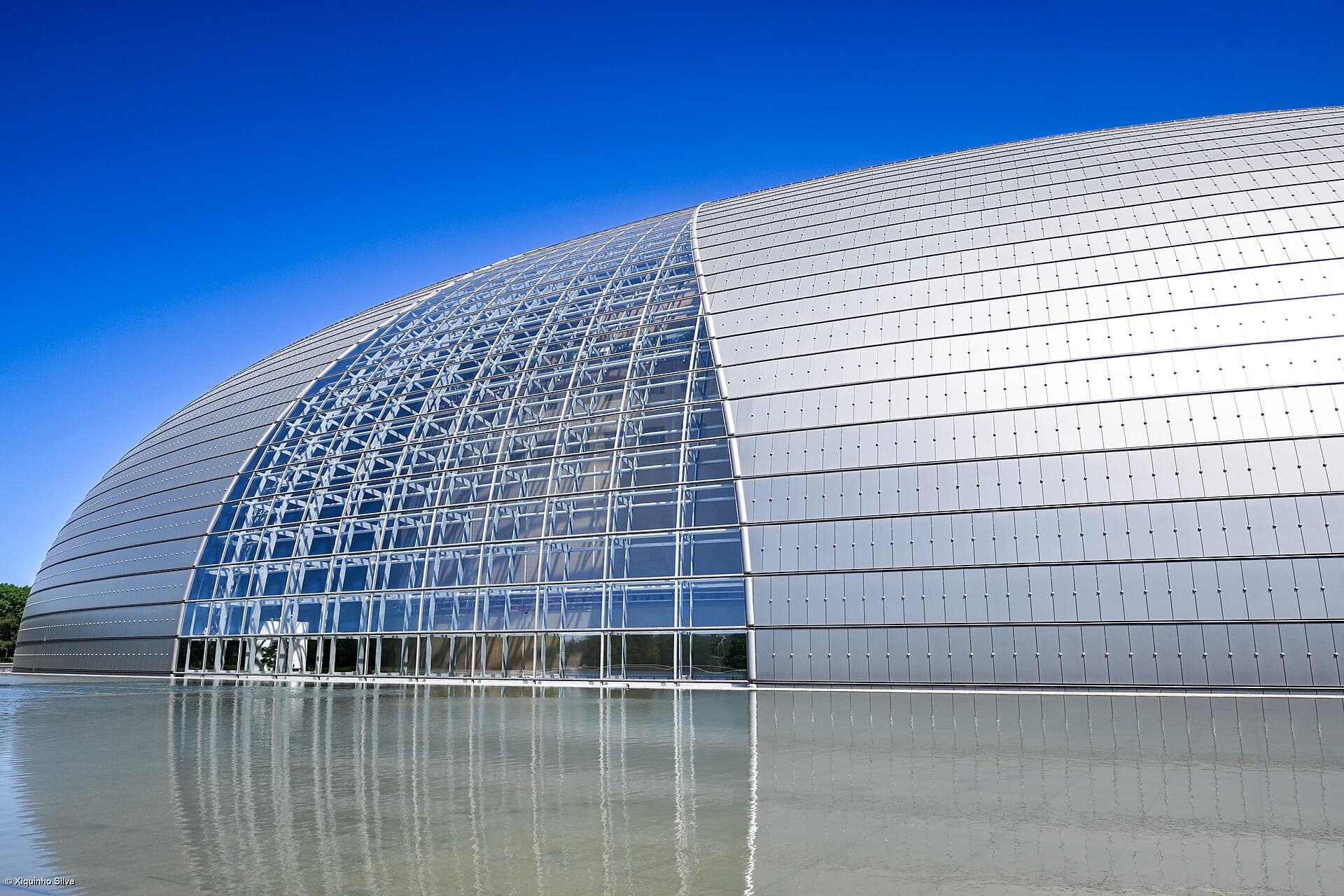 National Centre for the Performing Arts (The Egg)Beijing's national arts centre, known as «the Egg», a titanium-and-glass dome by14 minutes walk
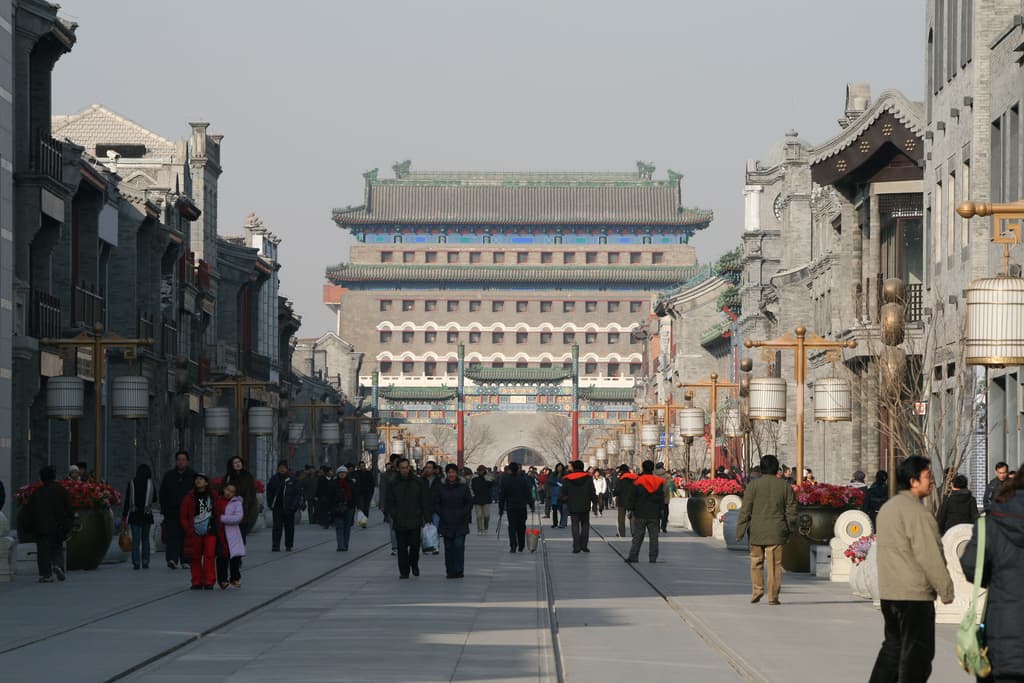 Qianmen Street and DashilarThe old commercial quarter south of Tiananmen Square, where Qianmen Street runs 15 minutes walk
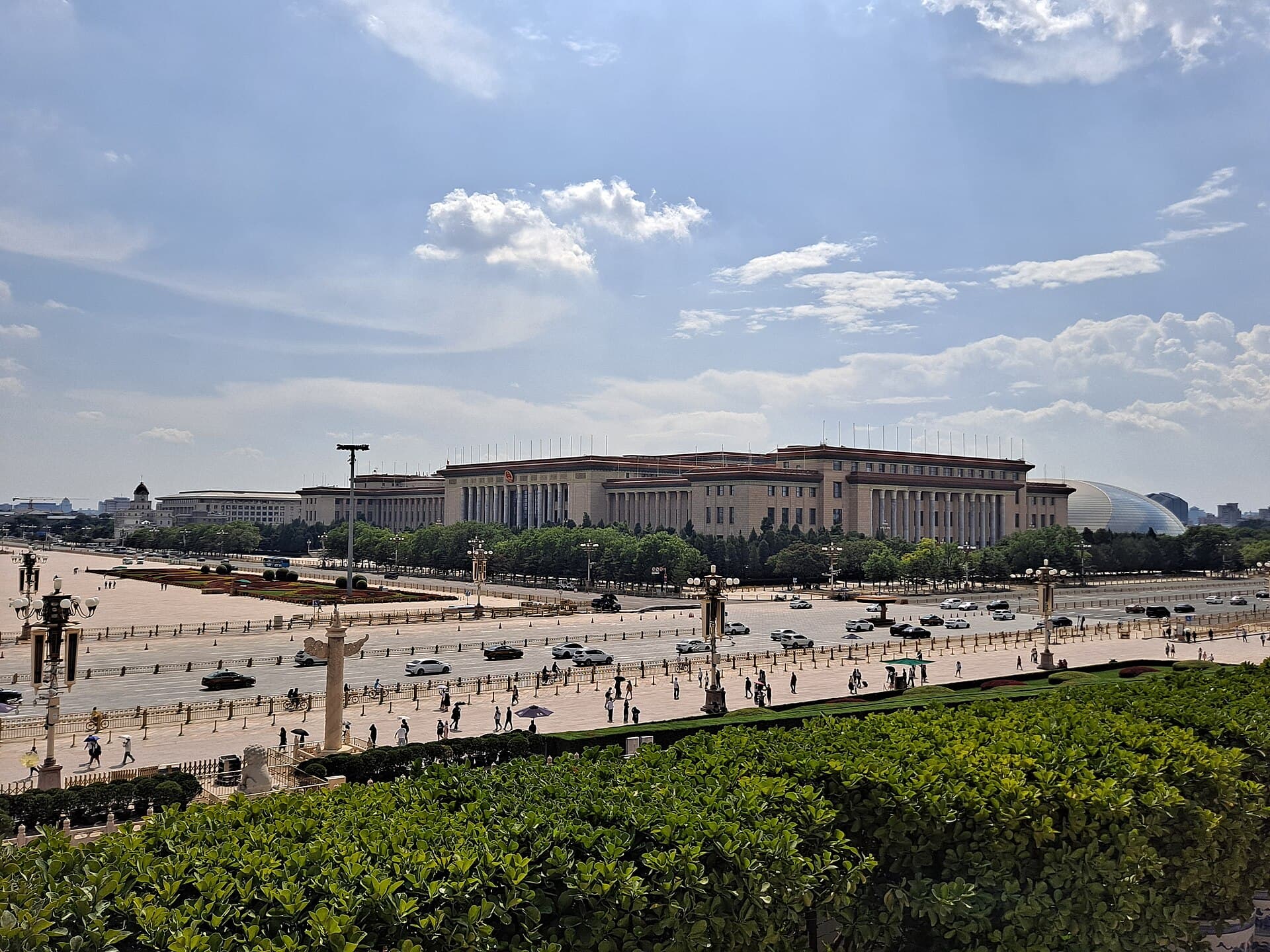 Tiananmen SquareA vast square in the heart of Beijing, named after the Tiananmen, the «Gate of H19 minutes walk4.5
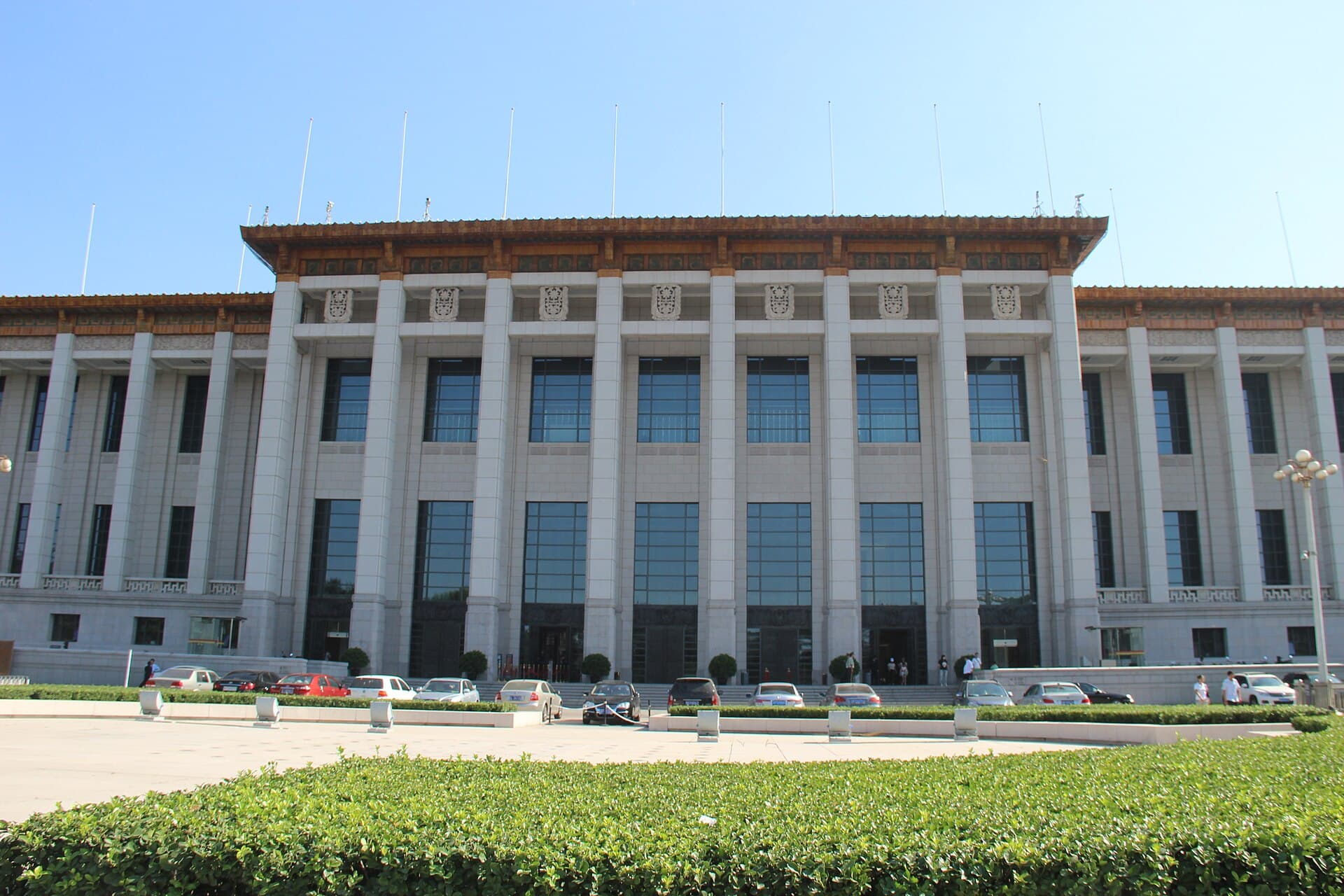 National Museum of ChinaThe museum of art and history on the east side of Tiananmen Square, in a vast co21 minutes walk
Some shops sell real old pieces, but much of what is on show is modern reproduction, so bargain and ask for a certificate for anything expensive.