
The steel spans
From 1902.
flowcomm — CC BY 2.0 · Pierre De Hanscutter — CC BY-SA 3.0 · Sketyl none — CC BY 2.0 · cloud.shepherd — CC BY 2.0
Long Bien Bridge crosses the Red River between the Old Quarter and Long Bien district on a long chain of steel spans. The Paris firm Daydé & Pillé built it between 1899 and 1902, and when it opened in 1903 as the Paul Doumer Bridge, named after the Governor-General, its 2.4 kilometres made it one of the longest bridges in Asia. As the only crossing linking Hanoi to the port of Haiphong, it was bombed many times between 1967 and 1972 and repaired after each attack, so only about half of it keeps its original shape. Cars have long used newer bridges; Long Bien carries the railway down its middle, motorbikes and bicycles in narrow lanes on either side, and a footpath along the edge. Walk out from Long Bien station at the city end, ideally late in the afternoon, for the river, the banana groves and fields on the sandbank in mid-stream, and the trains passing a metre away. The walkway is narrow and its surface uneven in places, so watch your step.
From 1902.
Passing a metre from walkers.
And the banana island mid-stream.
Over the Red River, northeast of the Old Quarter
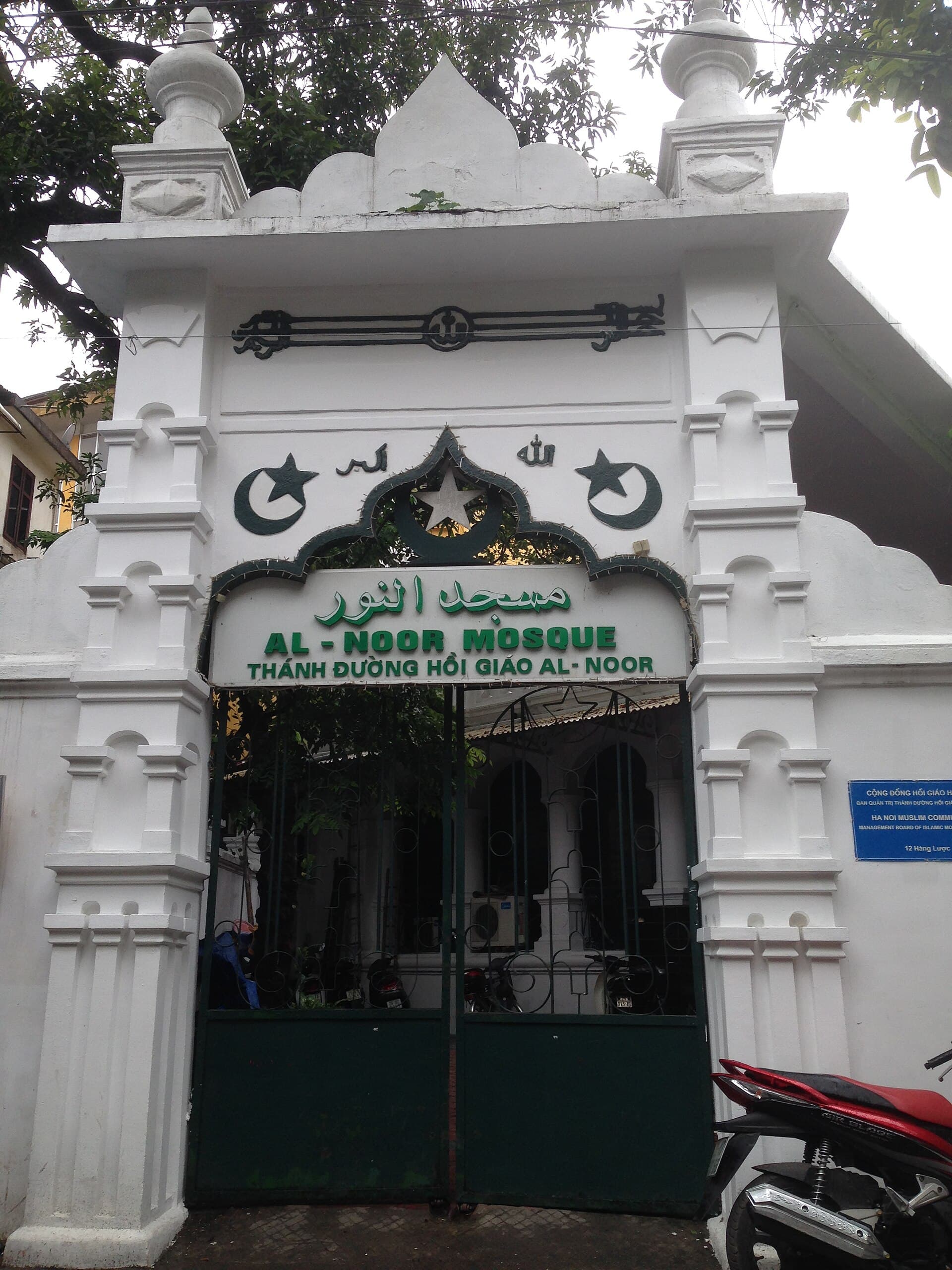 Al-Noor Mosque, HanoiAl-Noor is the only mosque in Hanoi and in the whole of northern Vietnam, a whit10 minutes walk4.7
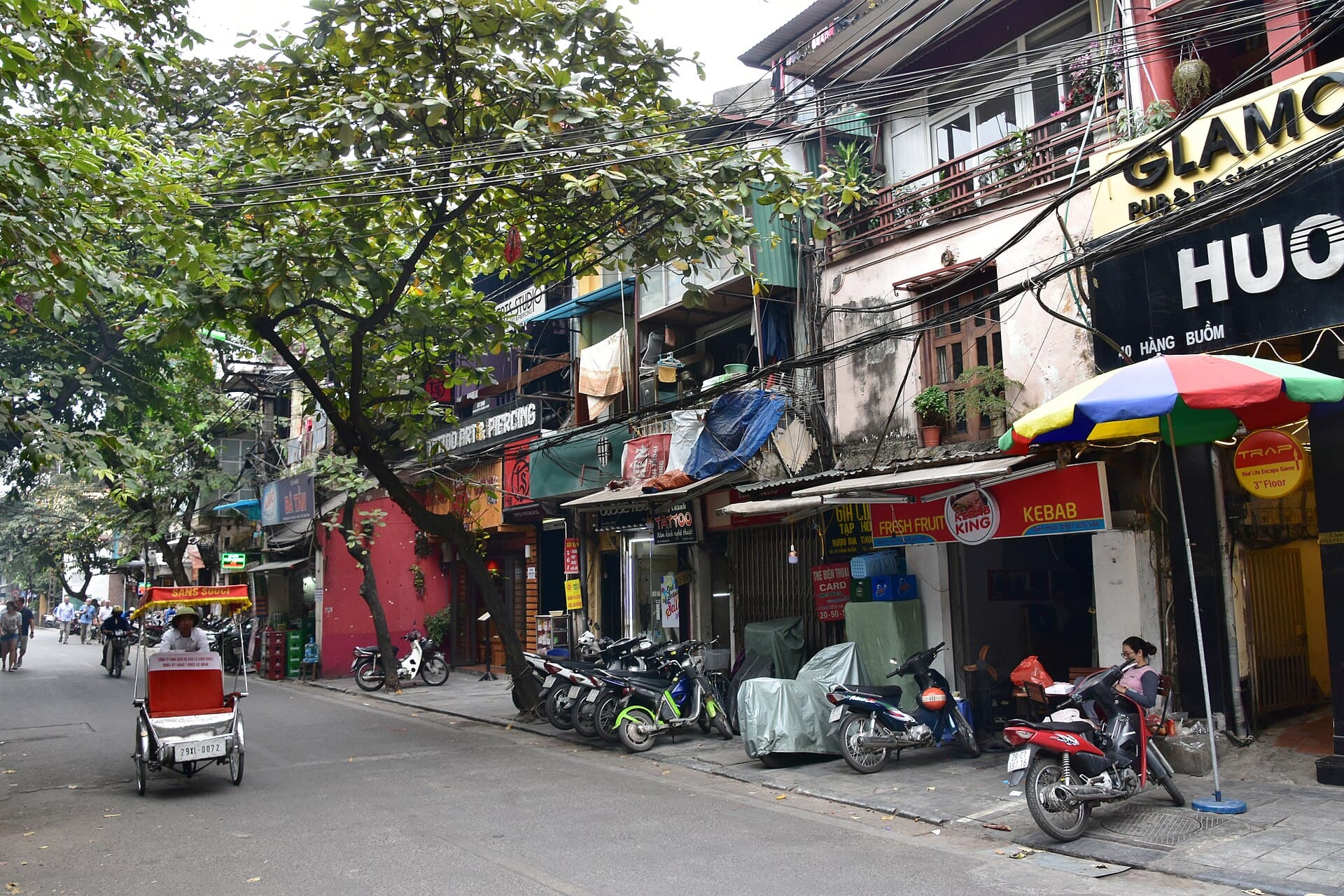 Hanoi Old QuarterThe Old Quarter is the historic trading heart of Hanoi, a dense grid of streets 11 minutes walk
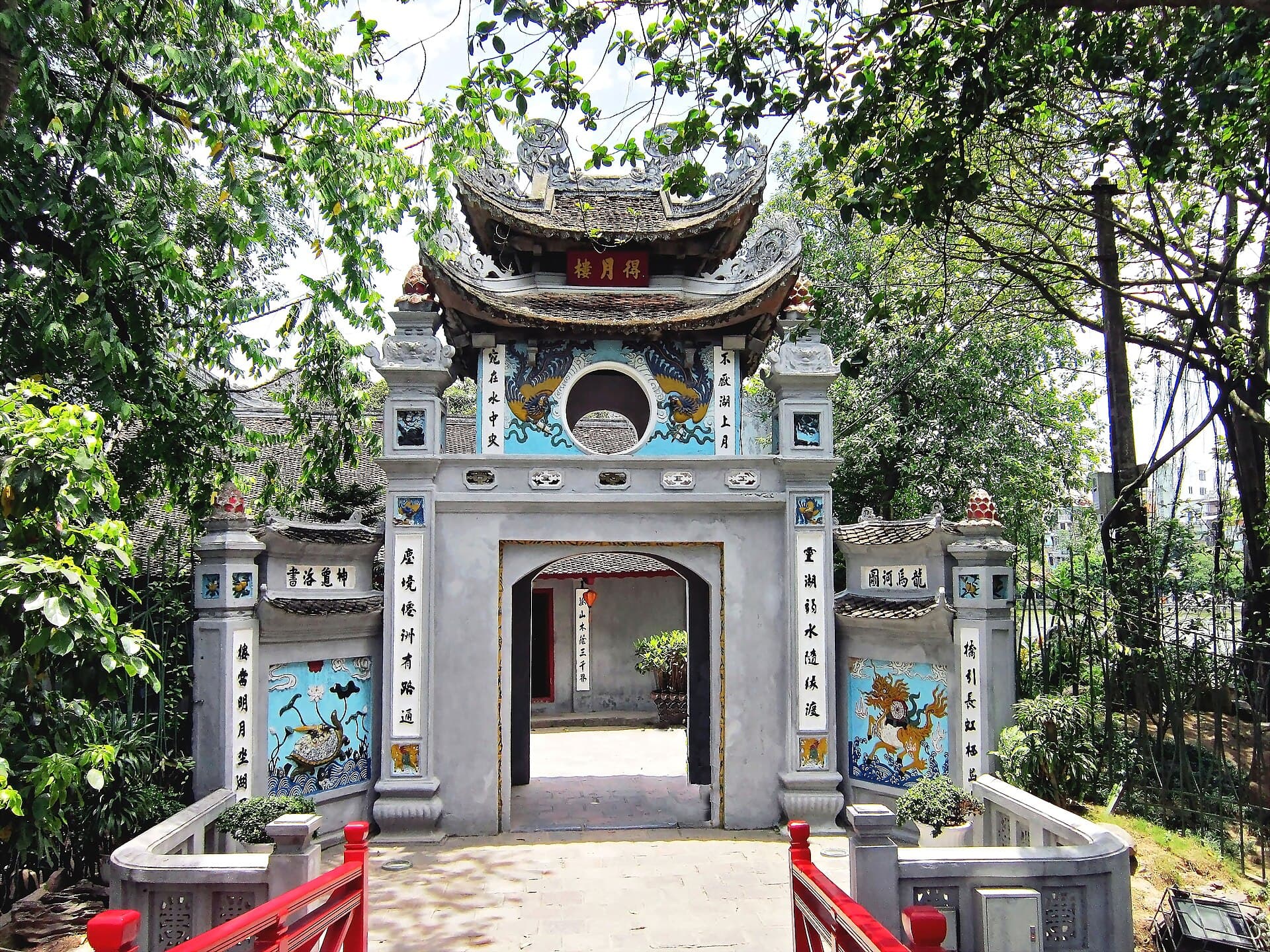 Ngoc Son TempleA small temple on Jade Island at the northern end of Hoan Kiem Lake, reached acr16 minutes walk4.5
 Hoan Kiem LakeA small lake at the edge of Hanoi's Old Quarter, and the city's best-known landm18 minutes walk4.6
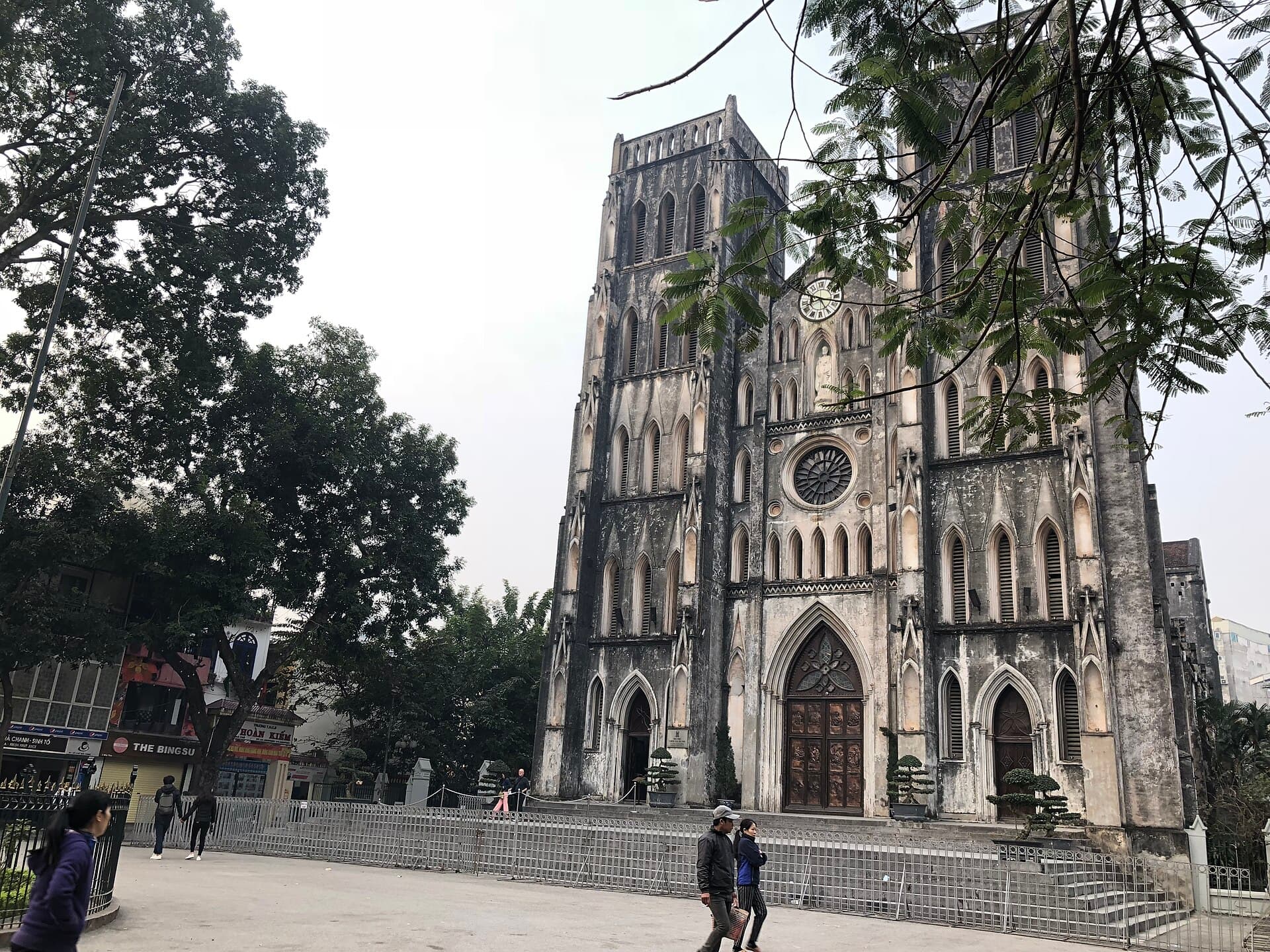 St Joseph's Cathedral, HanoiSt Joseph's Cathedral is the oldest church in Hanoi and the seat of its Catholic20 minutes walk4.6
Yes. A narrow footpath runs along its edge, free at all hours. Start from Long Bien station; late afternoon is the best time.