
Rooftop view
Old City and the bay.
Ludvig14 — CC BY-SA 4.0 · shankar s. from Dubai, united arab emirates — CC BY 2.0 · MehsetiHuseynova — CC BY-SA 4.0 · Rashadheydarov1805 — CC BY-SA 4.0 · داود مجتهدی — Public domain · Art Anderson — CC BY-SA 3.0 · Rhajizada — CC BY-SA 4.0 · xiquinhosilva — CC BY 4.0
A massive twelfth-century stone tower in Baku's Old City, known in Azerbaijani as «Qiz Qalasi». Together with the Palace of the Shirvanshahs it forms a UNESCO World Heritage Site, and it is one of Azerbaijan's best-known emblems, pictured on the national currency. The tower is cylindrical with a huge buttress projecting from one side, with thick limestone walls. Its origins and first purpose are debated: some researchers see it as a Zoroastrian fire temple, others as a defensive tower or an observatory. Many legends grew up around a maiden who threw herself from the top, and it inspired an Azerbaijani ballet in 1940. Inside is a museum telling the story of Baku through the ages, spread over its floors. A stone stairway climbs to the roof, which gives a wide view over the Old City's lanes and minarets, the boulevard, Baku Bay and the modern skyline. Tickets are about 15 AZN per visitor guides. The stairs are narrow and steep and the roof can be windy; mornings before the crowds or the hour before sunset are best.
Old City and the bay.
Baku's story.
Tales and a ballet.
South-eastern edge of the Old City near the boulevard, Baku
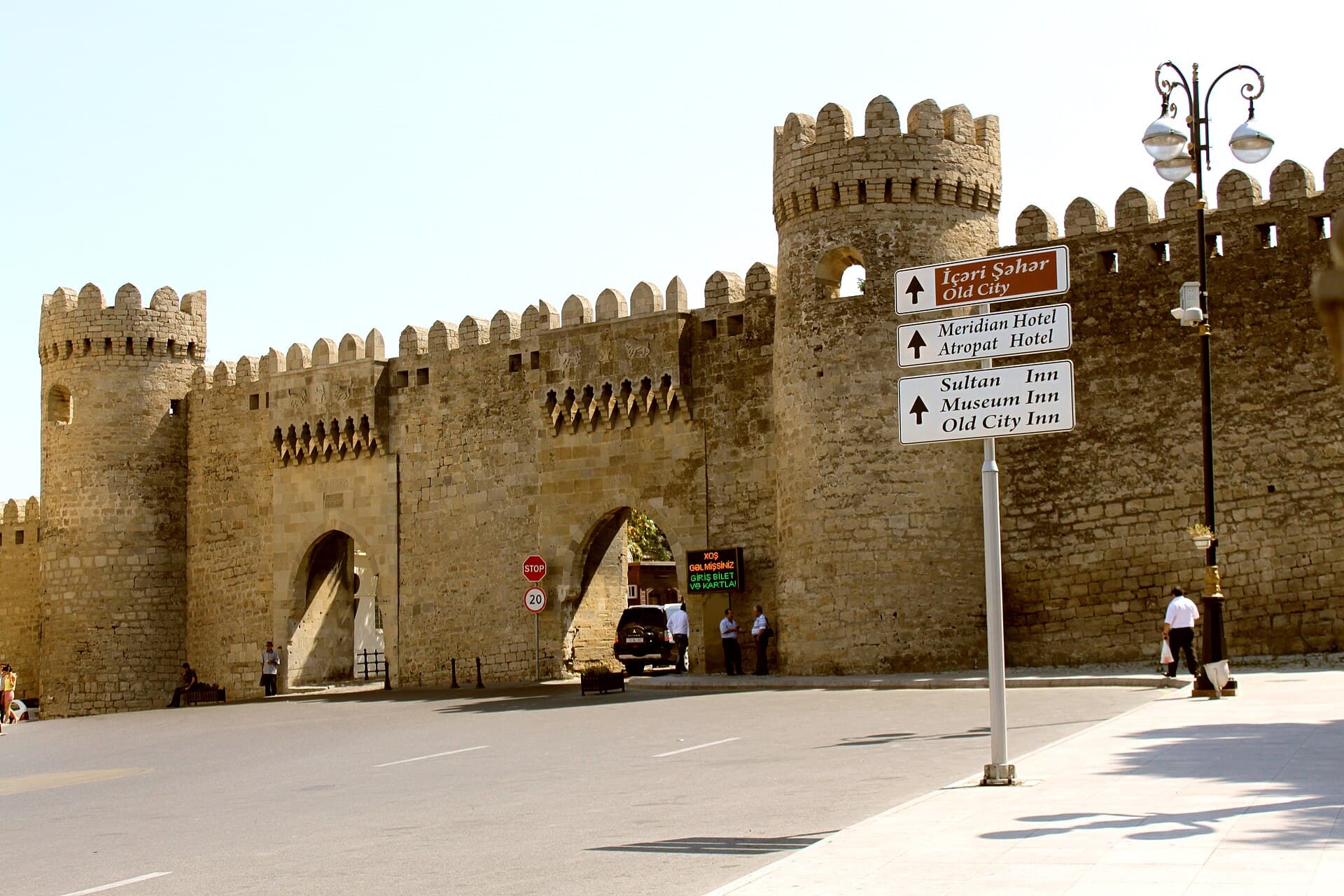 Old City of Baku (Icherisheher)Baku's historic heart, a walled town on a hill above the Caspian bay, known in A4 minutes walk
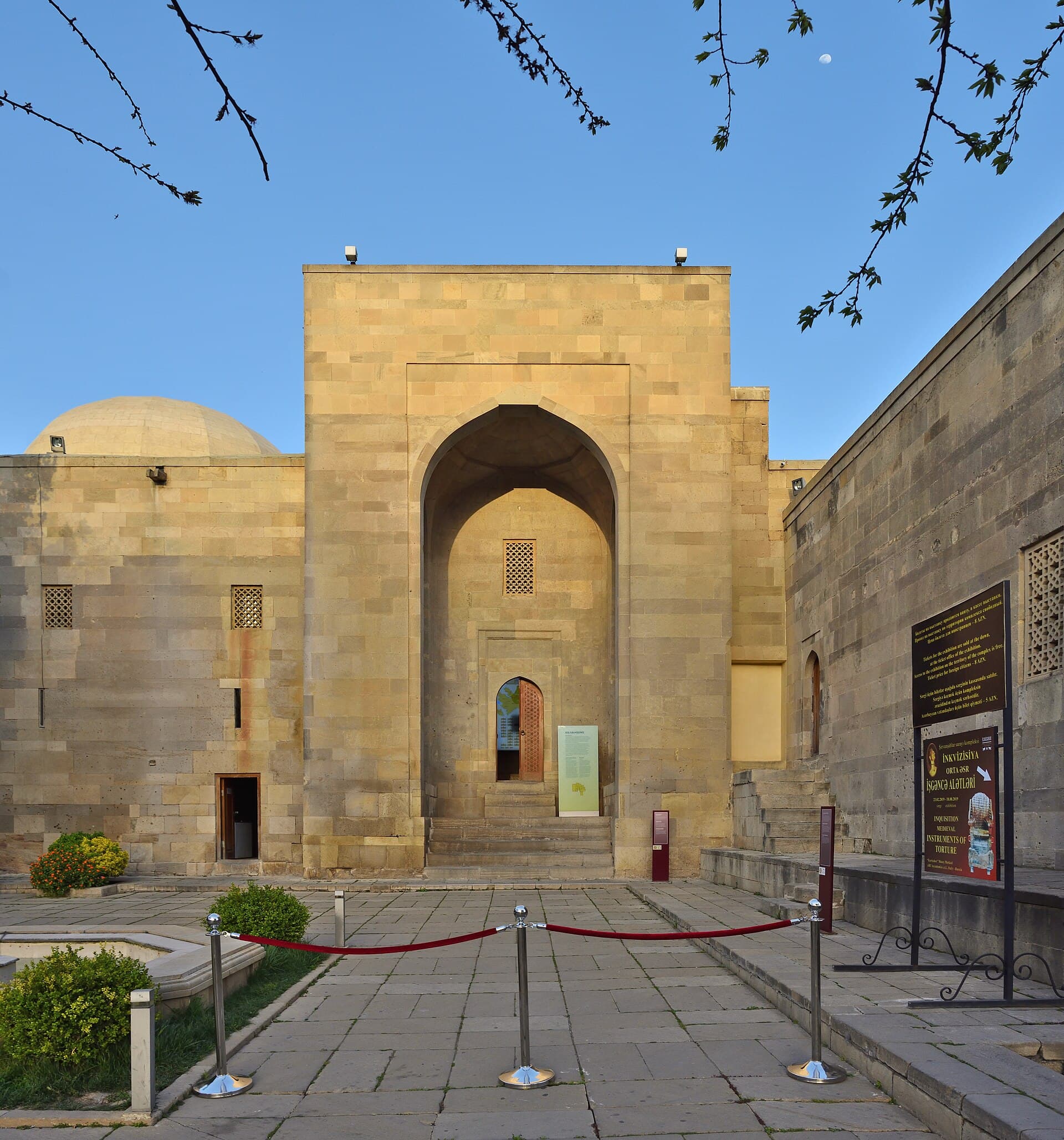 Palace of the ShirvanshahsA fifteenth-century palace complex in the upper part of Baku's Old City, built b5 minutes walk
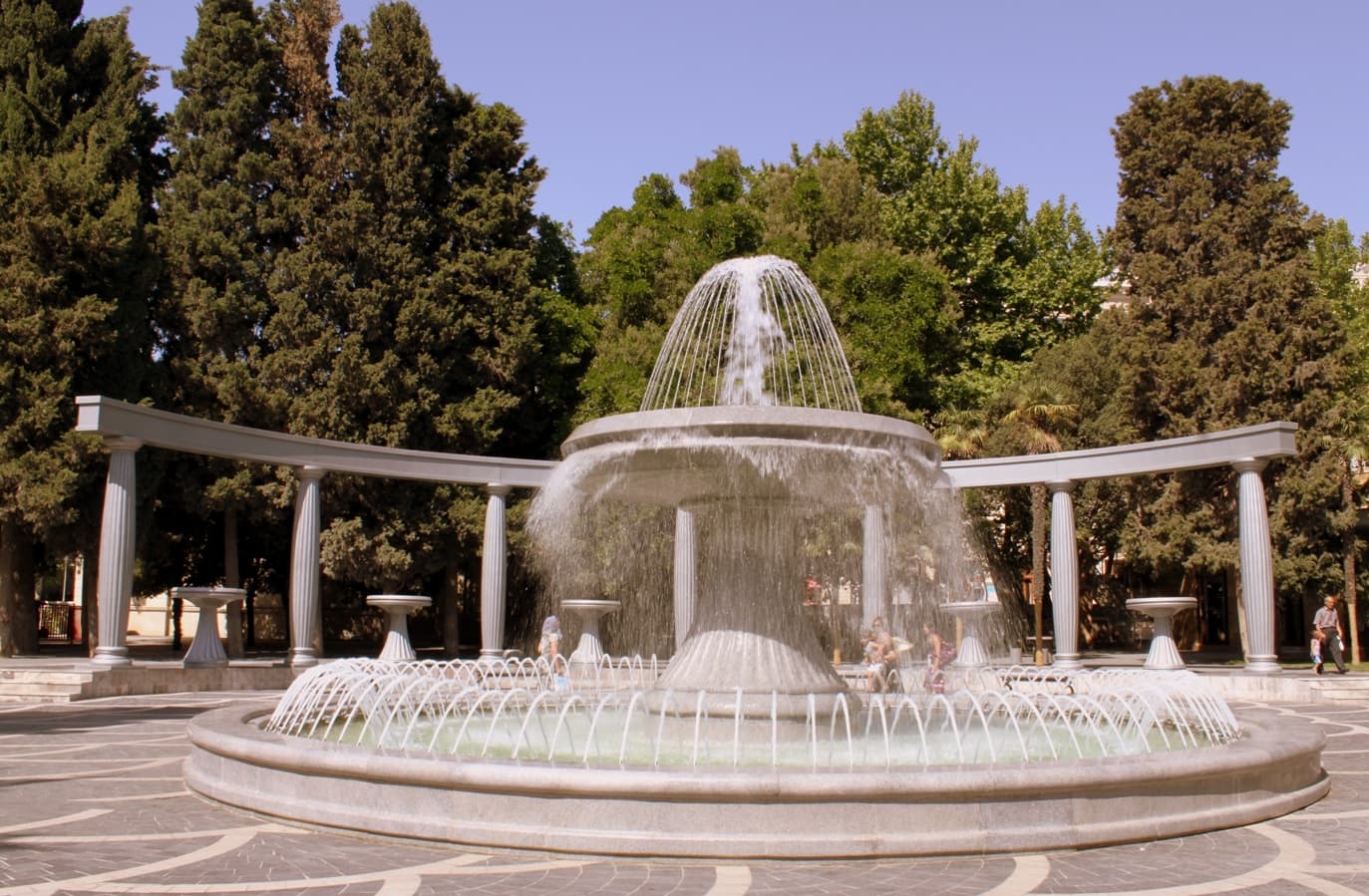 Fountains Square and Nizami StreetThe liveliest square in central Baku, stretching from the Old City walls to Niza6 minutes walk
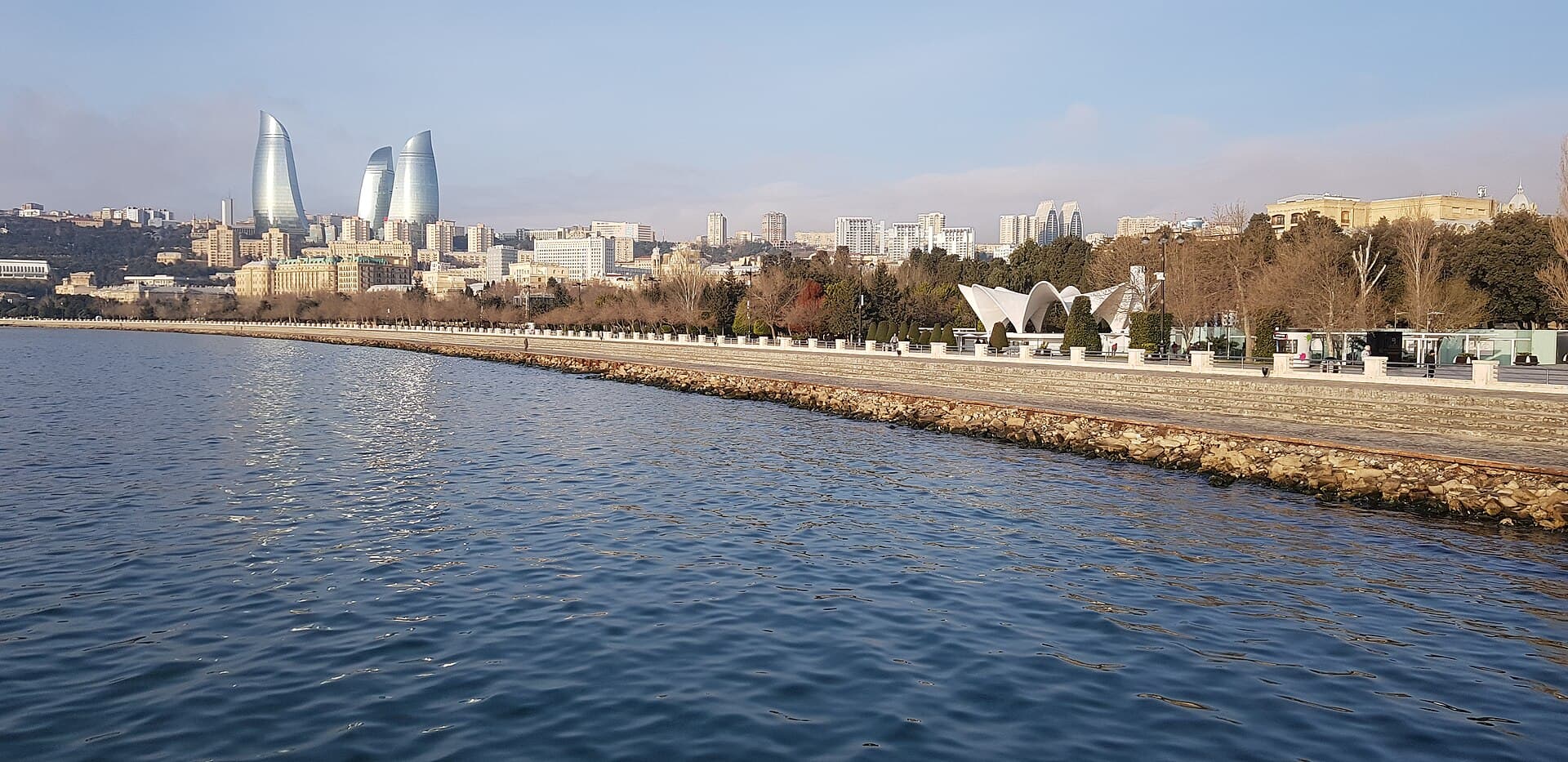 Baku BoulevardA long promenade along Baku's waterfront, running parallel to the Caspian shore 7 minutes walk
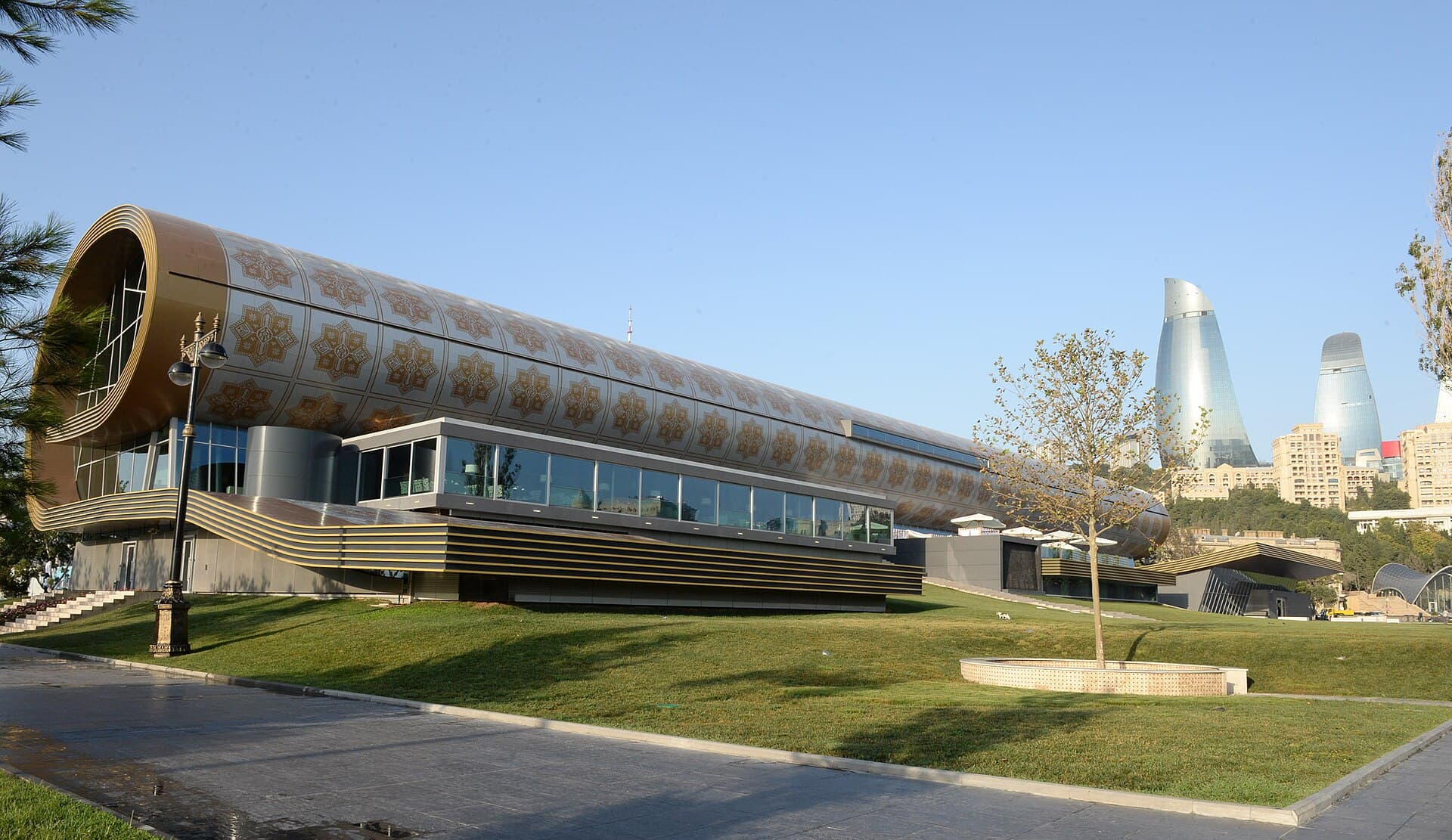 Azerbaijan Carpet MuseumAzerbaijan's national carpet museum, holding the world's largest collection of A9 minutes walk
Explanations vary: some link the name to a legend of a girl who threw herself from the top, others read it as a tower that was never taken.