
The wooden palace
Tall tiered roofs built from the Malay Annals.
Adiput (talk) — Public domain · KimonBerlin — CC BY-SA 2.0 · KimonBerlin — CC BY-SA 2.0 · Hakimi97 — CC BY-SA 4.0
Before the Portuguese arrived in 1511, Malacca was the capital of a Muslim sultanate and one of the richest ports in the world, where traders from Arabia, India and China met. This museum is a wooden reconstruction, built in the 1980s, of Sultan Mansur Shah's fifteenth-century palace, following the description in the historical Malay Annals, and said to have been raised without nails. The dark timber building with its tall tiered roofs is the museum's finest exhibit, imposing from outside in a green garden. Inside, three floors show the throne room, court costume, Malay weapons and daggers, and mannequin scenes from the sultanate's tales and heroes such as Hang Tuah. For an Arab visitor it has a particular value, explaining how Malacca became a centre for the spread of Islam in Southeast Asia and ran a trade that Arabian ships sailed through. Foreigners pay RM 20, and it is closed on Mondays. Shoes come off before the wooden halls. It is a few steps from A Famosa, and the two together tell the whole story: the sultanate, then its fall.
Tall tiered roofs built from the Malay Annals.
The sultanate's fifteenth-century royal court.
How the port became a centre of Islam in the region.
Jalan Kota, below St Paul's Hill, Malacca
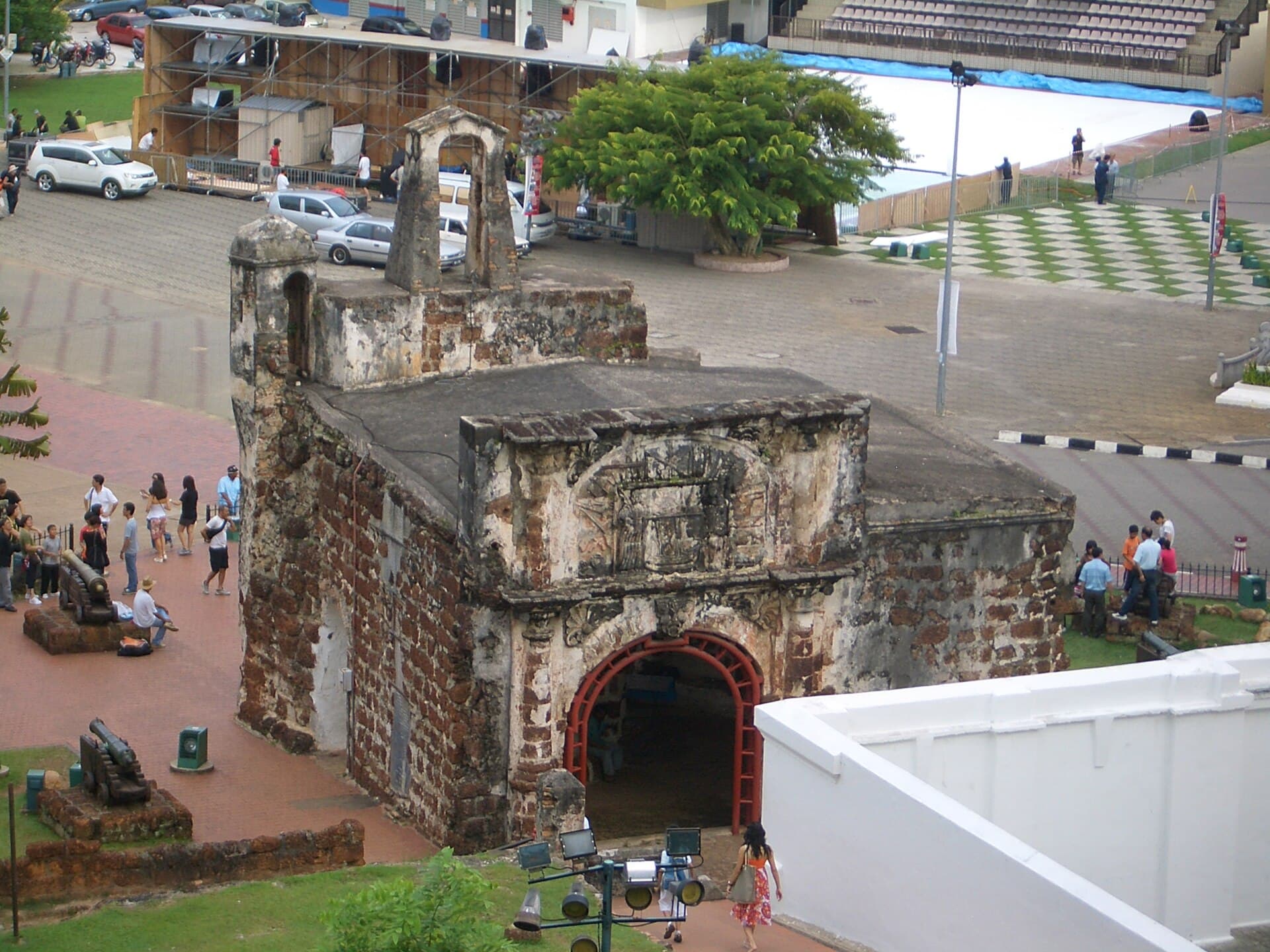 A FamosaAll that remains of the oldest European fortress in Southeast Asia is a single s2 minutes walk4.3
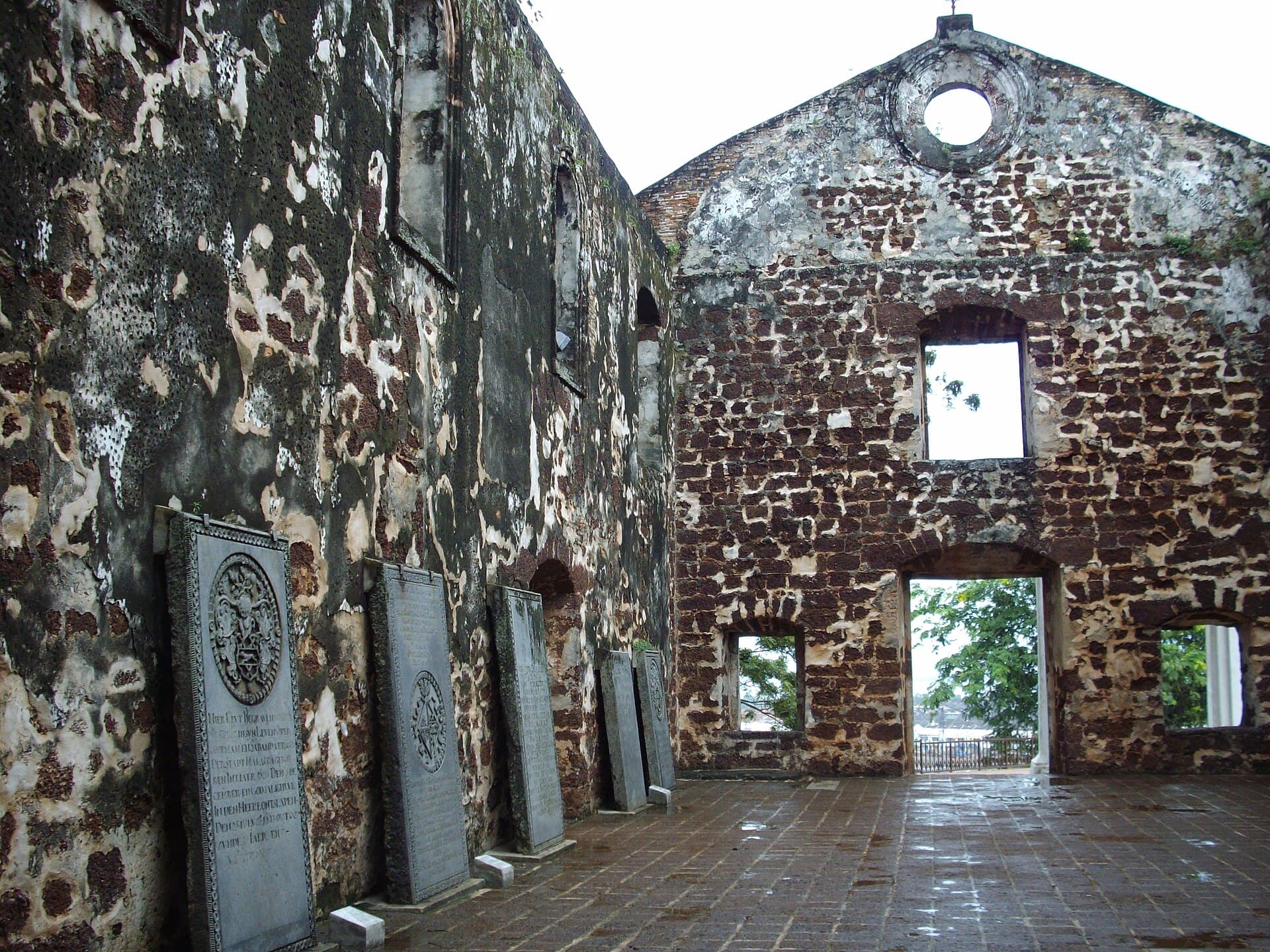 St Paul's ChurchThe roofless ruin of a church on top of the hill overlooking old Malacca and the2 minutes walk4.5
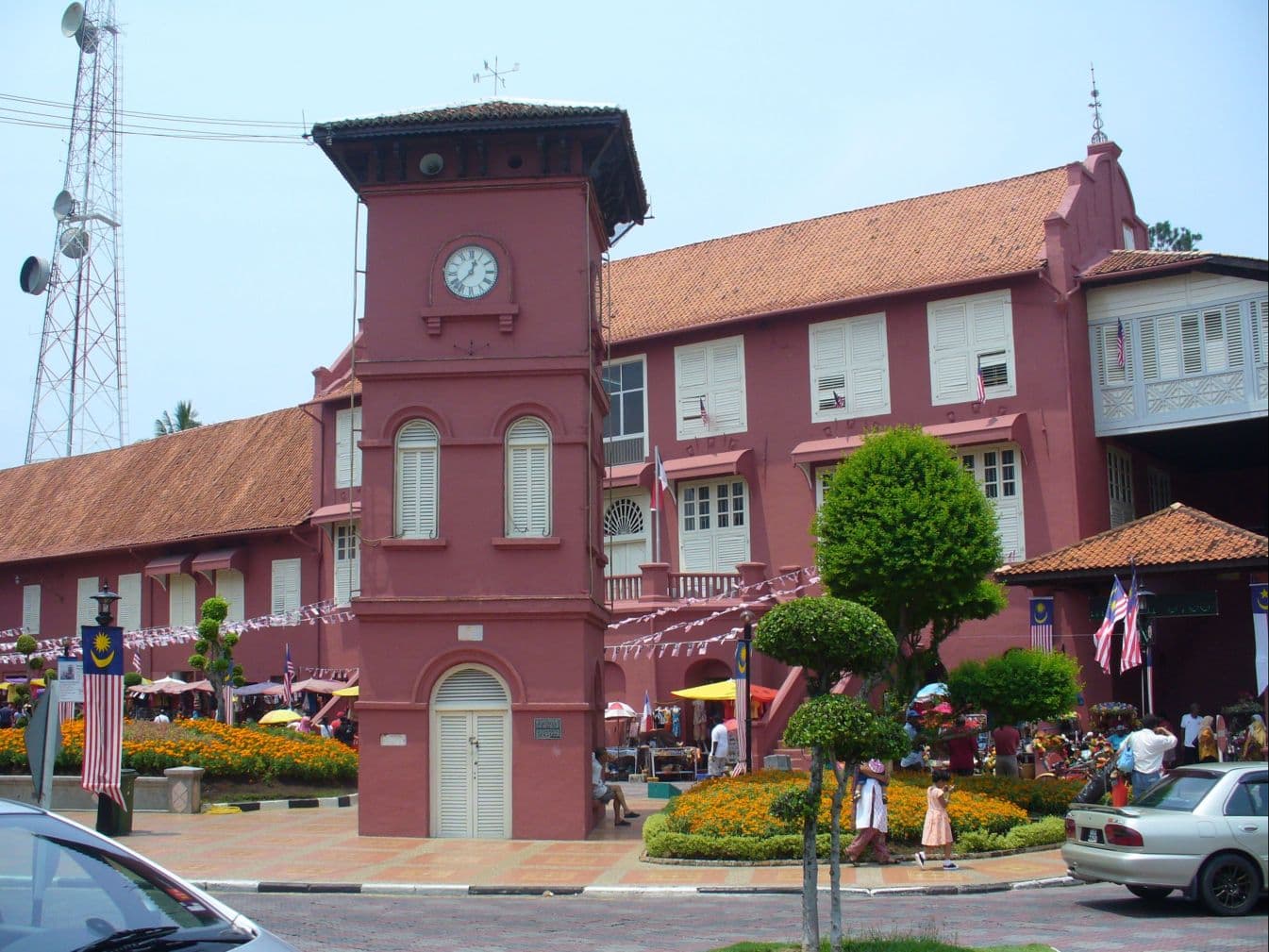 Stadthuys and Dutch SquareEverything around you is red: the Stadthuys, completed by the Dutch around 1650 2 minutes walk4.5
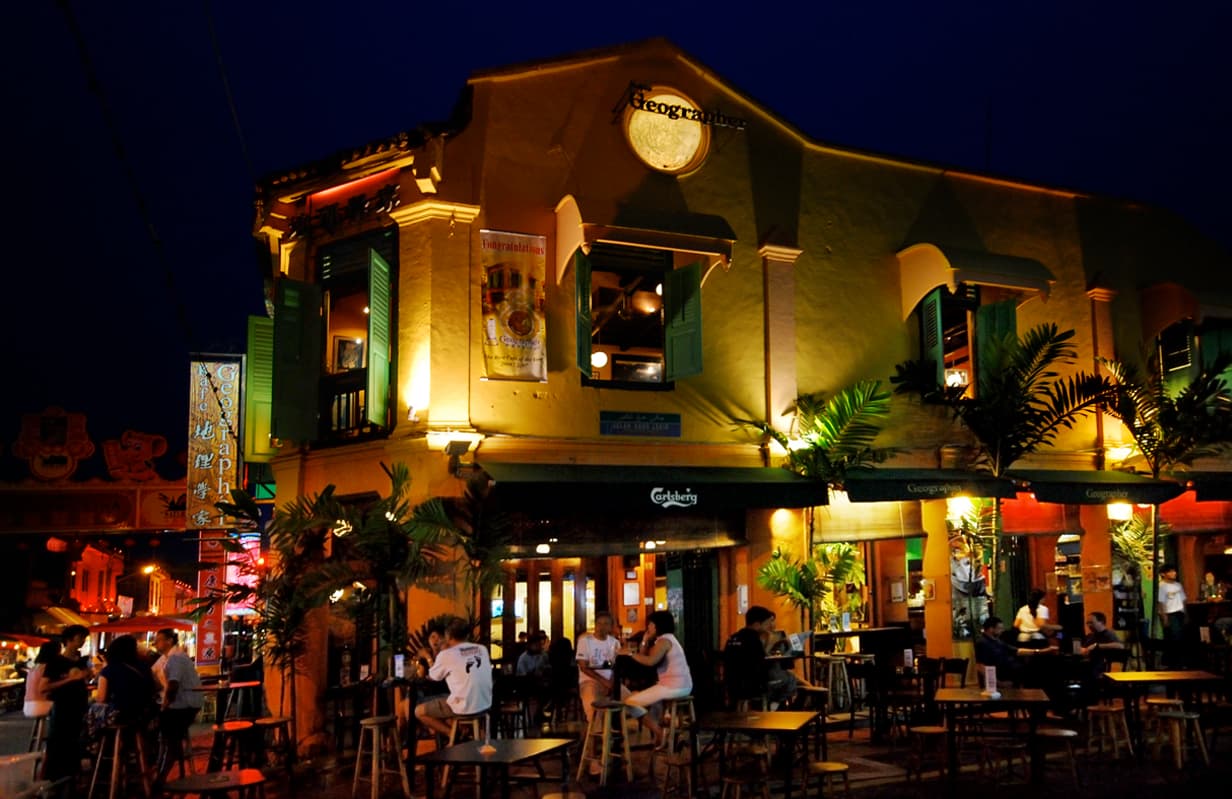 Jonker Street Night MarketEvery Friday, Saturday and Sunday evening Jonker Street closes to cars and turns4 minutes walk4.4
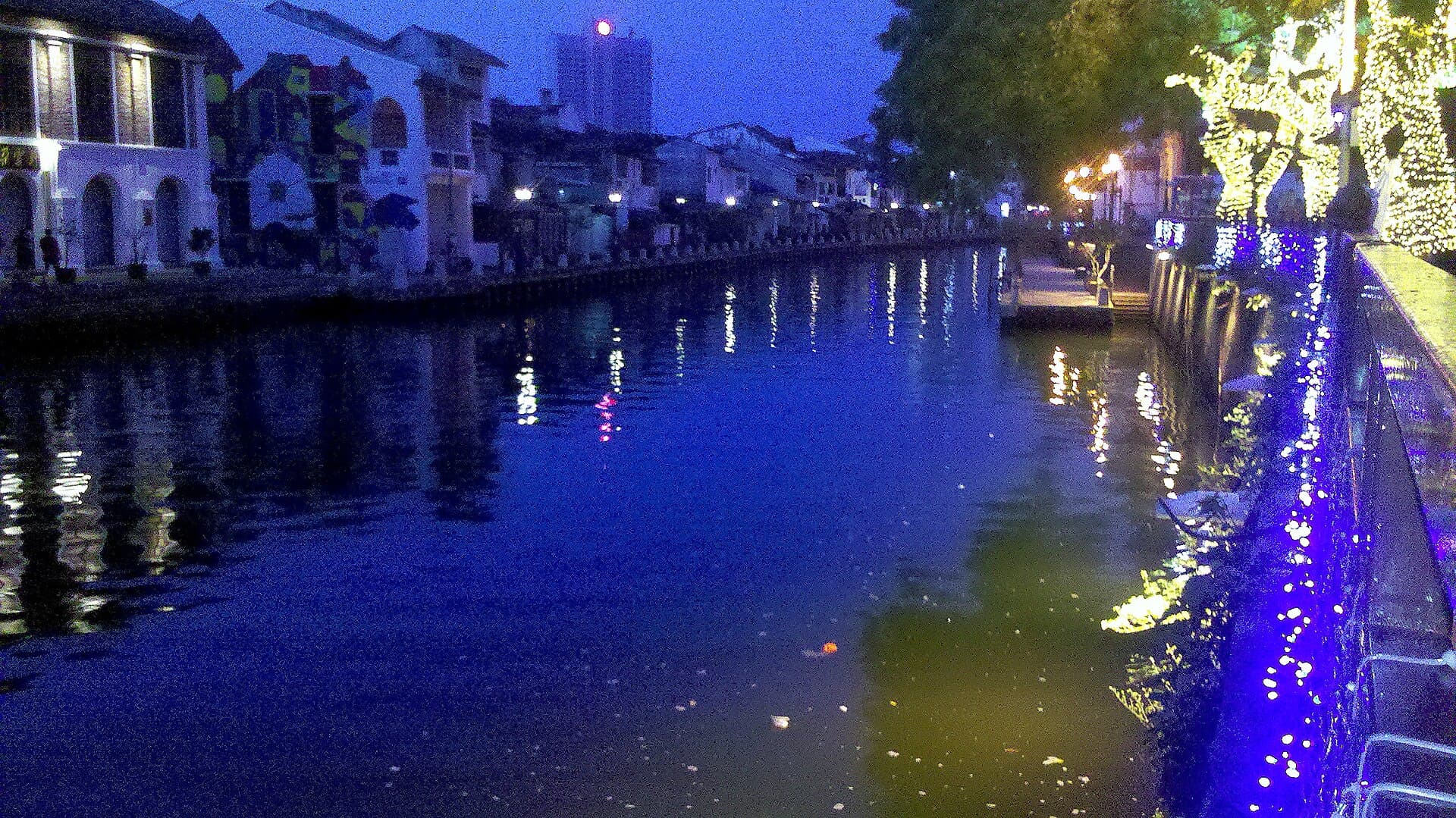 Melaka River CruiseA boat ride of about forty-five minutes on the river Malacca grew up around, pas5 minutes walk4.2
No, it is a 1980s reconstruction; nothing survives of the original. It was built carefully from historical texts, though, and gives a vivid sense of Malay court architecture.