Yumuktepe mound
Pottery and tools from a settlement inhabited for some nine thousand years, with a replica hut.
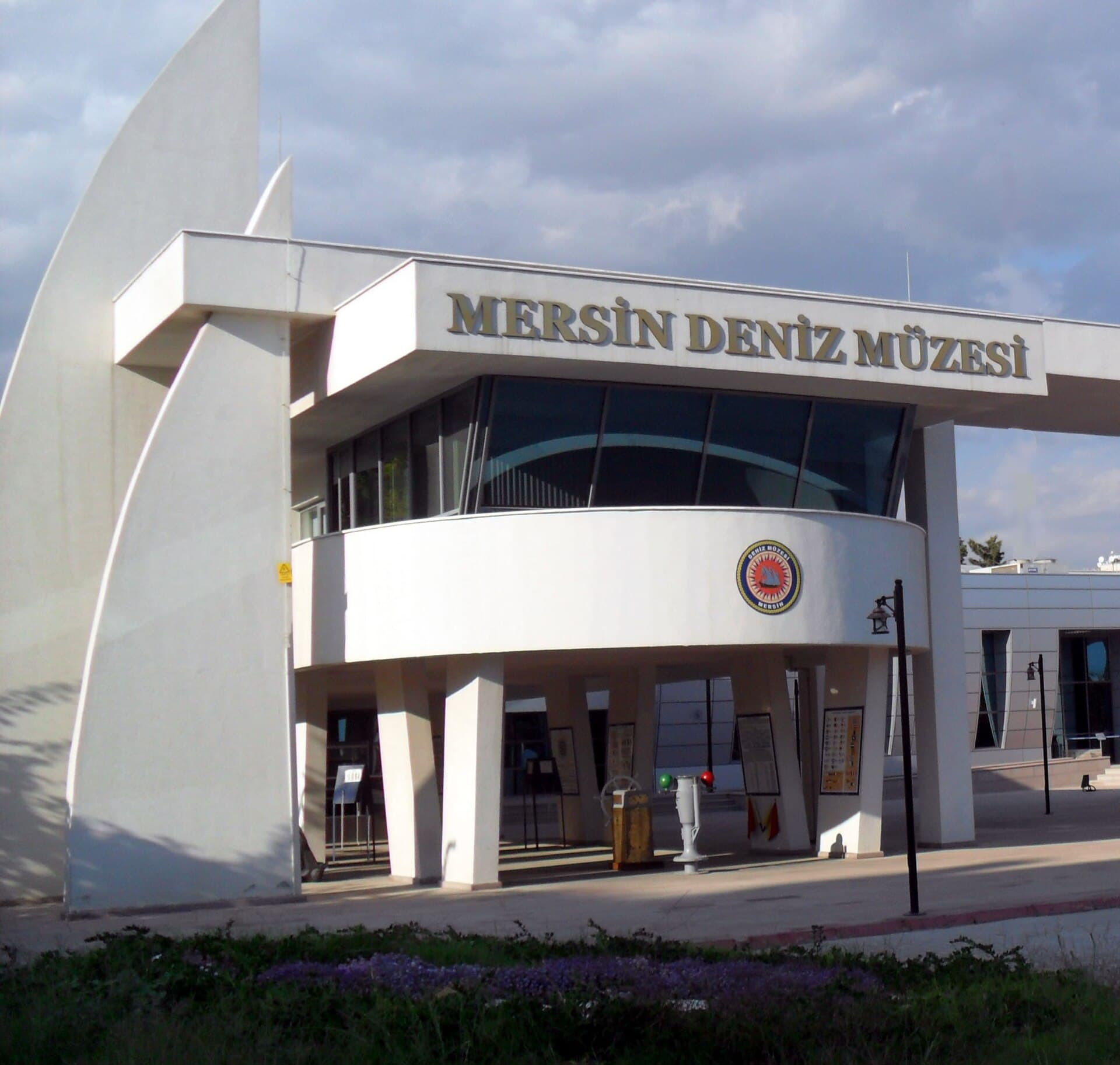
A few minutes from Mersin's seafront stands a mound called Yumuktepe, which people have lived on without a break for roughly nine thousand years, millennia before the pyramids went up. Much of what was lifted out of that mound, from Neolithic pots to seals and tools, ended up in this purpose-built two-storey museum on Adnan Menderes Bulvarı, opened on 18 May 2017 after the old Halkevi building could no longer hold the collection. Around 1,400 objects are laid out as a 'time tunnel' that starts on the ground floor in the Palaeolithic and runs through to the Ottoman and early Republican years, so you walk from age to age without ever losing the thread. Its real strength is that this is the museum of Cilicia, not just of Mersin. Roman statuary and marble from nearby Soli-Pompeiopolis, amphorae and finds from Elaiussa Sebaste, a port whose hinterland lived off olive oil, stone sarcophagi from the region's necropoleis, and a coin room where an interactive Tyche, goddess of the city's fortune, speaks from a coin. The most playful touches are display cases shaped like drops of water holding amphorae, fish and the cargo of a wreck, and a reconstructed ancient olive-oil workshop that explains how this coast once made its living. The ethnographic wing has a replica reed-and-daub hut of the kind once built around Yumuktepe and a short documentary on the Sarıkeçili Yörüks, the nomads who have driven their flocks up into the Taurus every summer for centuries and still do. It is an hour to ninety minutes, and nobody comes to Mersin for it alone, but it is the best thing you can do on a humid August afternoon when the corniche is unbearable, or on a wet winter day. The building is air-conditioned, spacious and lift-equipped, with a children's play corner, a cafe and a library, and pushchairs roll through it easily. Foreigners pay 4 euros, one of the cheaper state-museum tickets in Turkey, bought at the door with no booking needed. The clever move is to pair it with the Naval Museum next door and a stroll along the shore afterwards, so the whole morning becomes one outing.
Pottery and tools from a settlement inhabited for some nine thousand years, with a replica hut.
Statues, sarcophagi and amphorae from Soli-Pompeiopolis and Elaiussa Sebaste, plus an interactive coin room.
An ethnographic wing and a short film on the Sarıkeçili Yörüks, still herding in the mountains after centuries.
Adnan Menderes Bulvarı No. 54, Gazi Mahallesi, Yenişehir
Yes, if the weather is the problem: it is air-conditioned, has a play corner, a cafe and water-drop cases that amuse small children, and an hour is enough. On a mild spring day the seafront wins; save the museum for a hot afternoon.
This one is larger, newer and better organised, with the Yumuktepe and Soli finds you will not see in Tarsus. Tarsus's museum is smaller but folds into St Paul's Well and the Roman road there, so if your day is in Tarsus there is no need to come here specially.