Svan towers
Stone defensive homes.
Jelger Groeneveld — CC BY 2.0 · Alen Ištoković — CC BY 3.0 · Arian Zwegers from Brussels, Belgium — CC BY 2.0 · Lasha ge — CC BY-SA 4.0 · Martijn Munneke from Netherlands — CC BY 2.0 · ლიკა მელქაძე — CC BY-SA 4.0 · David Maisuradze — CC BY-SA 4.0 · Zysko serhii — CC BY-SA 4.0
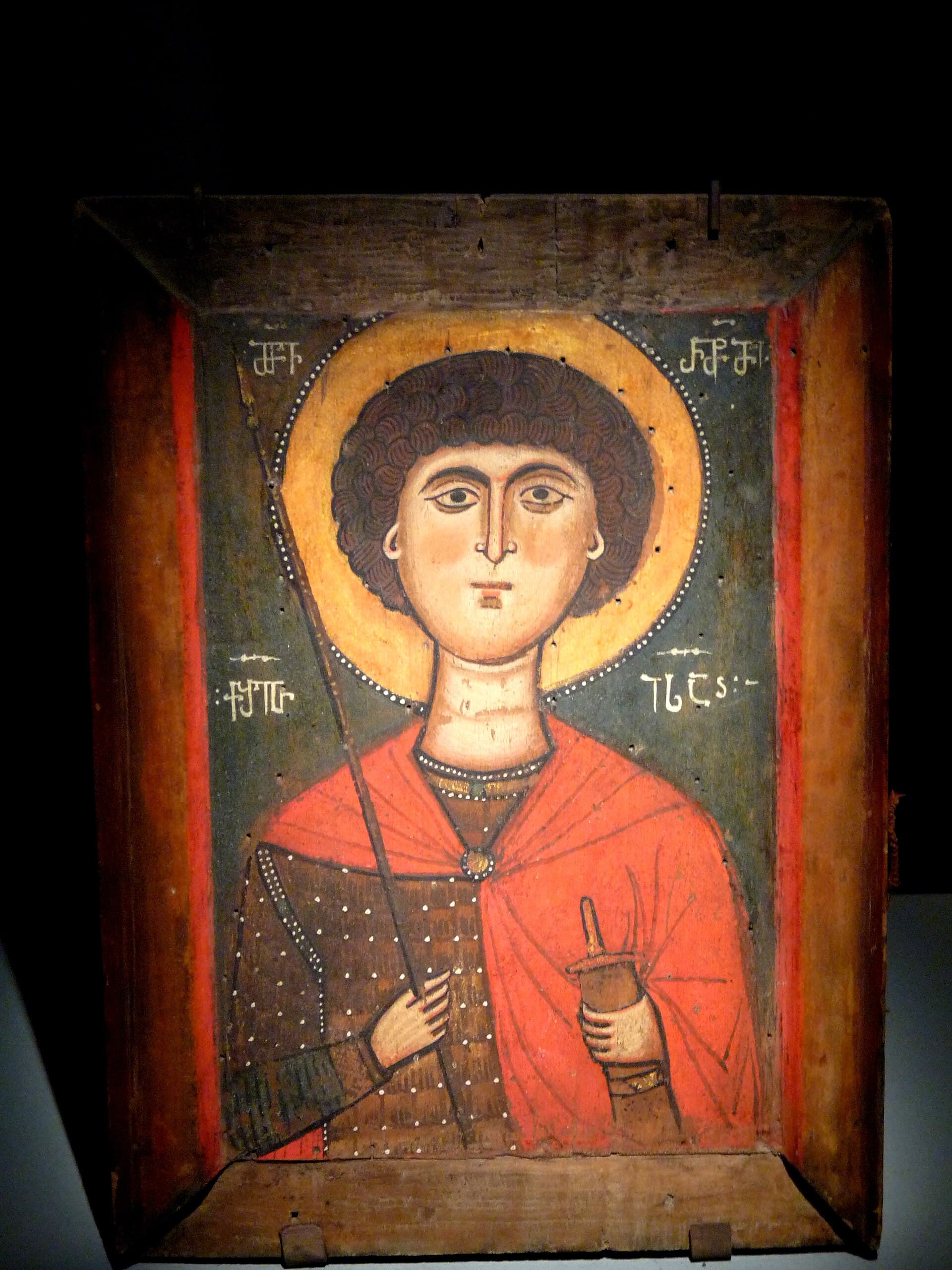
A small mountain town at about 1,500 metres in the Caucasus of north-west Georgia, the capital of Upper Svaneti and its cultural centre for centuries. Dozens of tall stone towers rise above its houses against a backdrop of snowy peaks, a scene like nowhere else. The Svan towers are defensive homes built mostly between the ninth and twelfth centuries, in Georgia's golden age. They stand three to five storeys high, their walls narrowing as they rise, and were usually attached to a two-storey house where people and livestock lived around the hearth on the ground floor, taking refuge in the tower in times of danger. Upper Svaneti was inscribed as a UNESCO World Heritage Site in 1996. The town has the Svaneti Museum of History and Ethnography with its treasures of icons and manuscripts, a few tower houses open to visitors, and small medieval churches. Hiking trails lead from here to glaciers and mountain lakes, most famously the route linking Mestia with Ushguli in about four days. Wandering is free, and some towers open for a small fee. Visitors arrive by road from Zugdidi in a few hours, or fly to Mestia's Queen Tamar Airport when the weather allows. June to September is the best time.
Stone defensive homes.
A snowy backdrop.
Four days on foot.
Mestia, Upper Svaneti, about 128 kilometres north-east of Zugdidi
By road from Zugdidi in western Georgia in a few hours, or by plane from Tbilisi to Queen Tamar Airport, with flights depending on the weather.