Zooliths
Stone animals.
Eugenio Hansen, OFS — CC BY-SA 4.0 · Eugenio Hansen, OFS — CC BY-SA 4.0 · Webysther — CC BY-SA 4.0 · Webysther — CC BY-SA 4.0 · Webysther — CC BY-SA 4.0 · Webysther — CC BY-SA 4.0
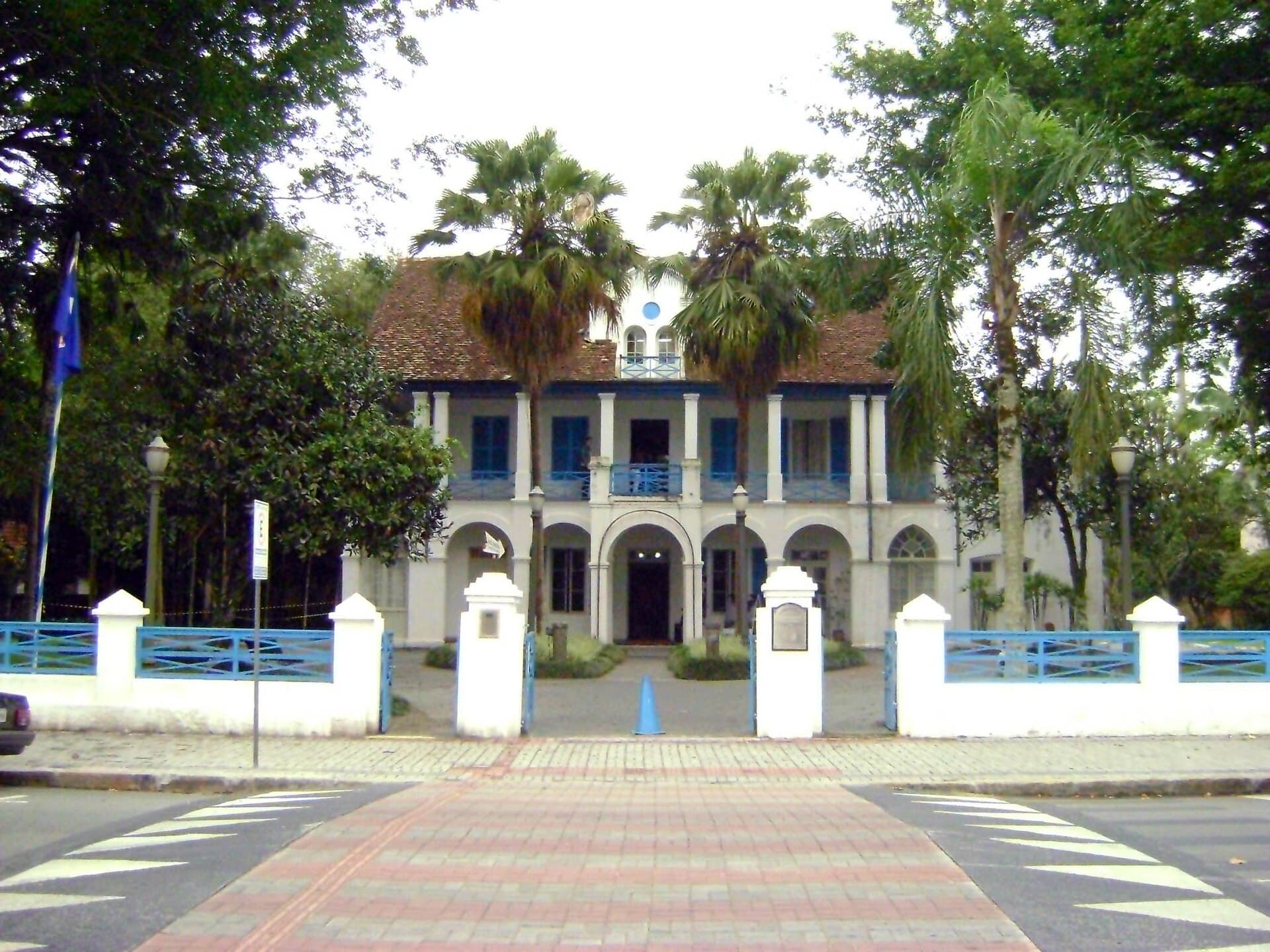
Joinville's Sambaqui Archaeological Museum is a place of memory and research on the first peoples to spread across South America, the fisher-hunter-gatherers who settled the coast of present-day Brazil. Sambaquis are mounds they built from animal remains, shells and the bones of fish and birds, along with their burials and hearths, archaeological sites protected by federal law. The original collection was gathered by the researcher Guilherme Tiburtius, who recorded and collected more than twelve thousand pieces from sites being destroyed around Joinville and sold them to the city in 1963. The museum opened in 1969 in a temporary building and its permanent home was built in 1972. Among its finest pieces are small stone animal sculptures called zooliths, whose likeness across distant sites suggests these groups were in contact. The museum opens Tuesday to Sunday from ten to four according to the city's 2026 guide, with free entry.
Stone animals.
Sambaquis.
Of the coast.
Rua Dona Francisca 600, central Joinville
A mound of shells and bones built by the coast's first peoples, with their burials.