
The Chinese salon
Hand-painted eighteenth-century wallpaper, rarely surviving in the city.
Mertens, Joeri — CC BY 4.0 · Alta Falisa — CC BY-SA 4.0 · Carolus — CC BY-SA 4.0 · Mertens, Joeri — CC BY 4.0
An eighteenth-century town house on the commercial Veldstraat, operating as a small museum and temporary exhibition space. The incongruity is that the building stands among international chain stores on Ghent's busiest shopping street. Its most important element is a room devoted to Maurice Maeterlinck, the Belgian writer born in Ghent who won the Nobel Prize in Literature in 1911, the first Belgian to do so. The room holds his manuscripts and belongings. It also contains an eighteenth-century Chinese salon with hand-painted wallpaper, among the rarer surviving interiors in the city. The museum is very small and entry is normally free, and the displayed content shifts with the temporary exhibitions. Treat it as a short stop while walking the Veldstraat rather than something to plan around.
Hand-painted eighteenth-century wallpaper, rarely surviving in the city.
Manuscripts and belongings of the first Belgian Nobel laureate in literature.
An eighteenth-century house wedged among international chain frontages.
Veldstraat, central Ghent
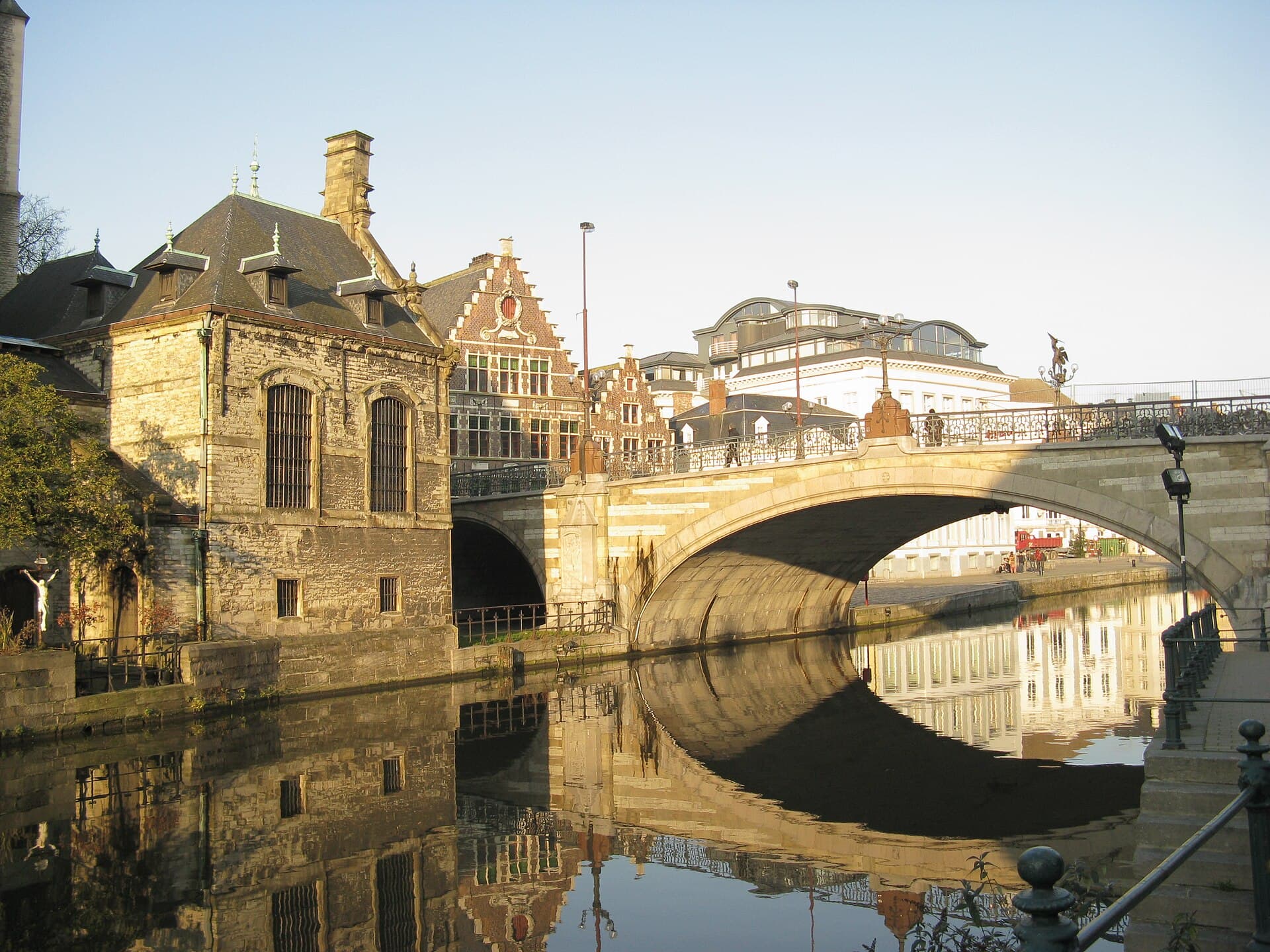 St Michael's BridgeSt Michael's Bridge is Ghent's foremost viewpoint: an arched stone bridge (1913)3 minutes walk4.9
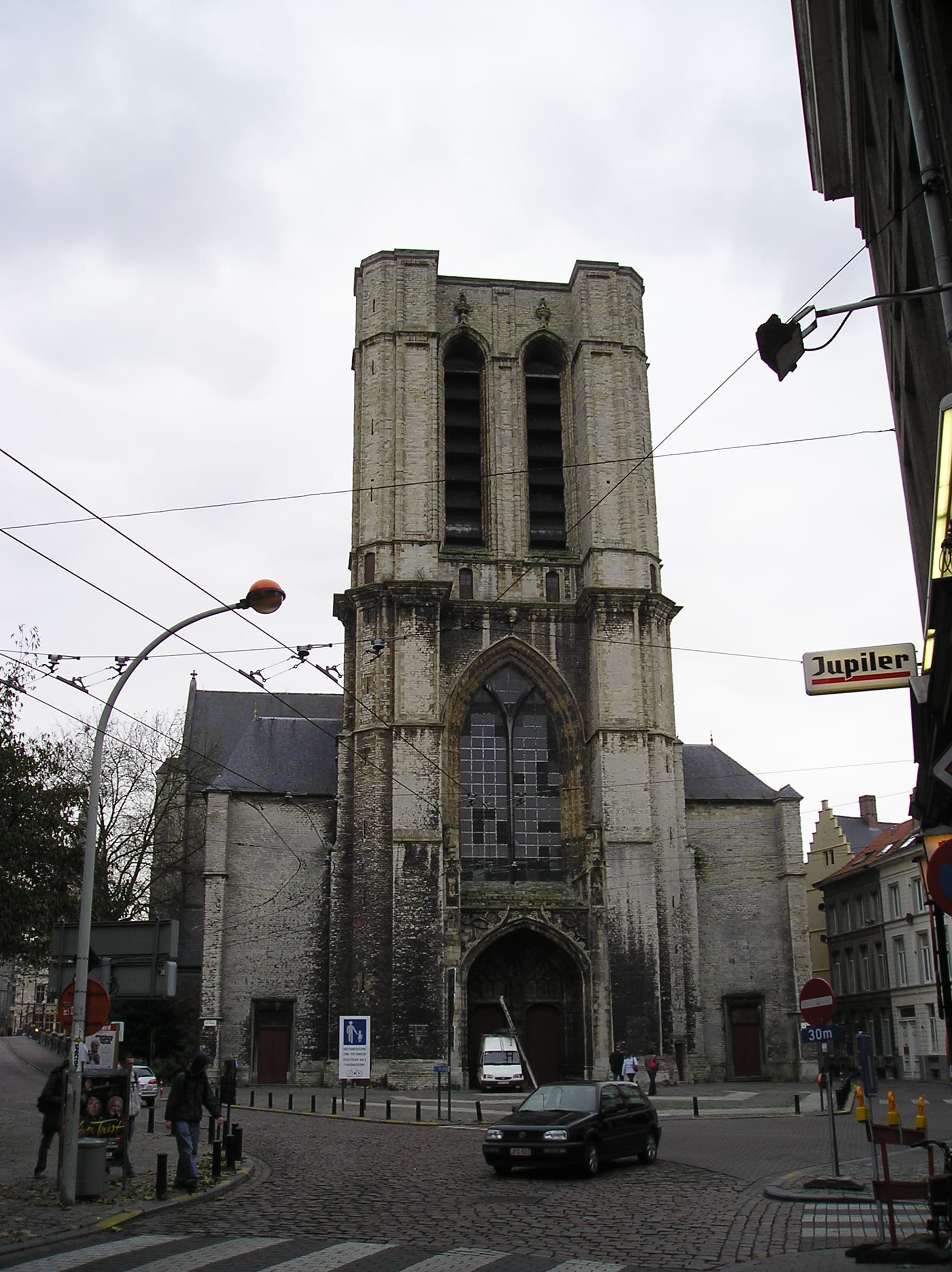 St Michael's ChurchSt Michael's Church is the late-Gothic church at the end of St Michael's Bridge 3 minutes walk4.7
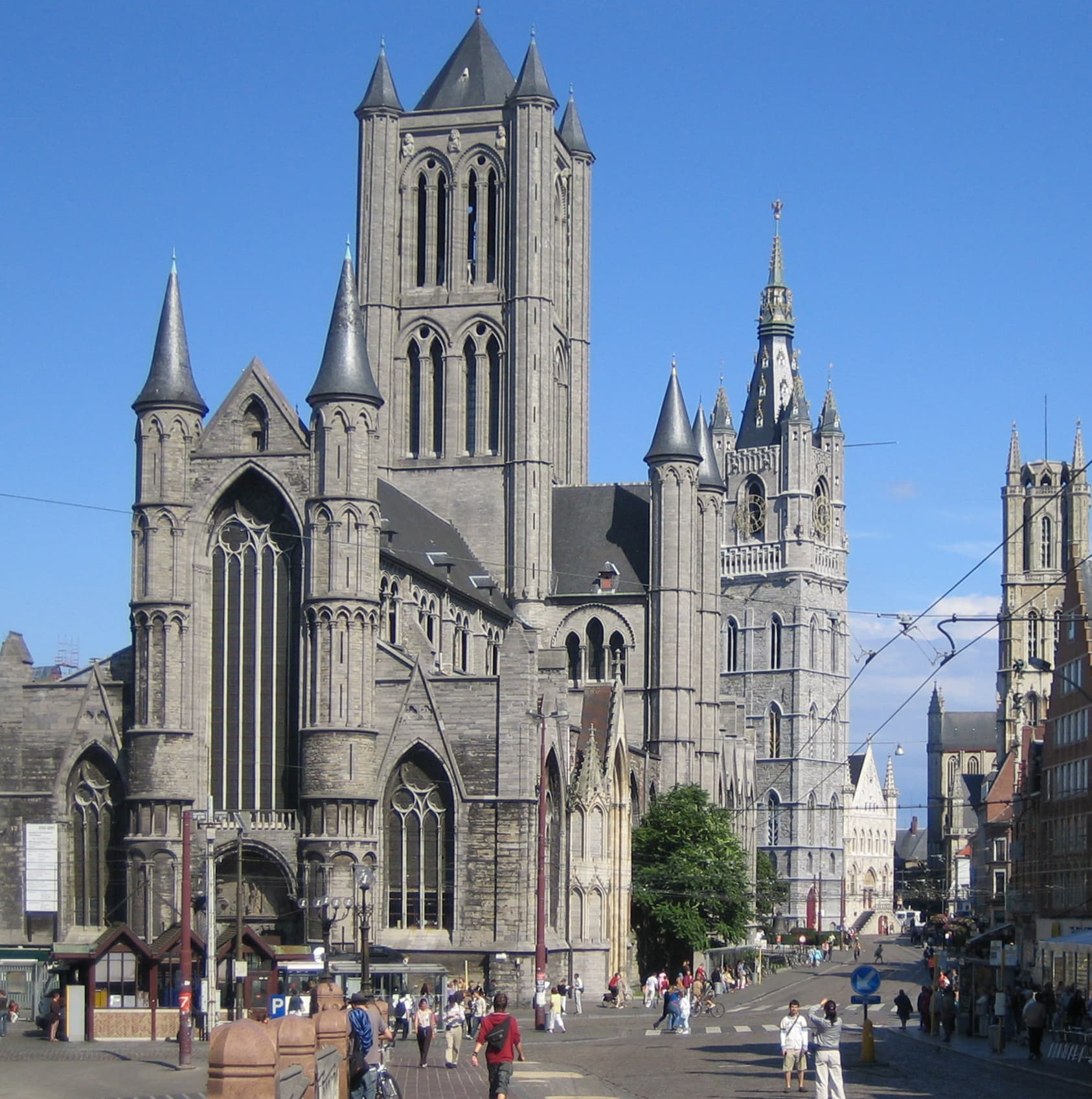 St Nicholas' ChurchSt Nicholas' Church is the first of the three towers from the quays and the olde3 minutes walk4.7
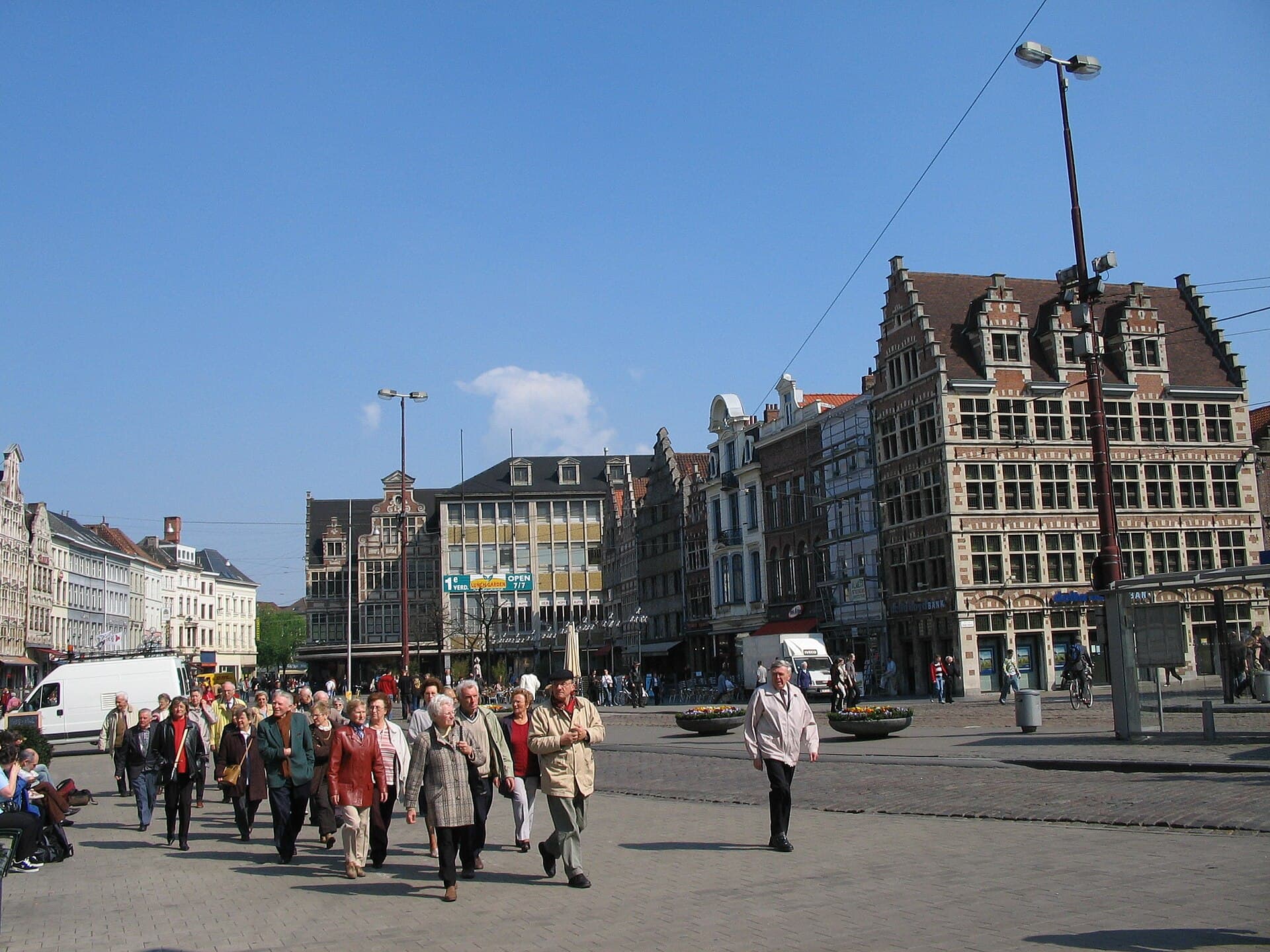 KorenmarktThe Korenmarkt ("Wheat Market") is Ghent's central square and meeting place: a b4 minutes walk4.8
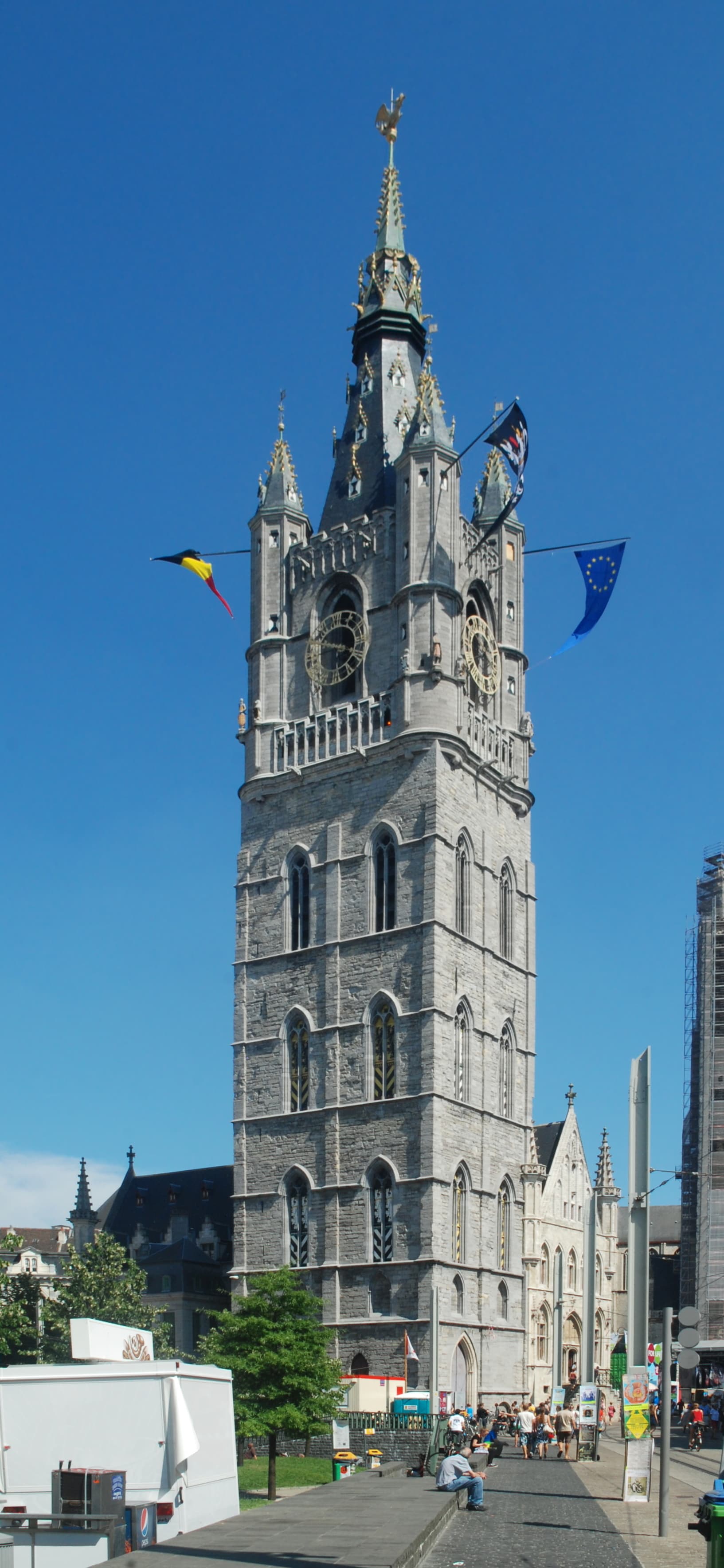 Belfry of GhentGhent's Belfry is the middle and most symbolic of the three towers: a fourteenth4 minutes walk4.5
A Belgian writer and playwright born in Ghent in 1862 who wrote in French, and won the Nobel Prize in Literature in 1911 as the first Belgian to do so. His best-known work is the play The Blue Bird. That he was Flemish and wrote in French reflects Belgium's cultural reality in that period.
As a short free pause while walking the Veldstraat, yes. But it is very small and its content shifts, so do not plan around it. If your time in Ghent is limited, the Huis van Alijn, the Gravensteen and St Bavo's Cathedral clearly come first.