
The Mamluk mosque lamps
Enamelled glass, among the most celebrated objects Islamic art produced.
richardavis — CC BY-SA 2.0 · Ibrahim.ID — CC BY-SA 4.0 · Ibrahim.ID — CC BY-SA 4.0 · Ibrahim.ID — CC BY-SA 4.0
The most important museum of Islamic art in the world by collection, and yet most visitors to Cairo pass it without knowing it exists. The collection exceeds a hundred thousand objects from across the Islamic world — from al-Andalus to India and China — and from every period: Umayyad, Abbasid, Fatimid, Ayyubid, Mamluk, Ottoman, Safavid and Mughal. Only part is displayed, and that part is a great deal. Among the things it holds: keys and old locks of the Kaaba; Mamluk enamelled glass lamps and mosque lanterns, among the most celebrated things Islamic art ever produced; Persian carpets; carved wooden doors; Qurans in many hands; and astronomical and medical instruments — astrolabes and tenth-century surgical tools that say something about science rather than ornament alone. A car bomb outside the neighbouring police directorate in 2014 damaged the building and many of its objects; it was restored and reopened in 2017 with a new and well-ordered display — better, in fact, than what stood before the bombing. The arrangement is thematic rather than merely chronological: wood, metal, glass, textile and ceramic in sections, which makes it a museum of craft as much as of history. It is very quiet and air-conditioned, and an hour and a half is enough. It stands at Bab al-Khalq near Al-Muizz Street and Ibn Tulun, and fits an Islamic Cairo day.
Enamelled glass, among the most celebrated objects Islamic art produced.
Old keys and locks of the Kaaba among the collection.
Astrolabes and tenth-century surgical tools — science, not ornament.
Bab al-Khalq Square, Cairo
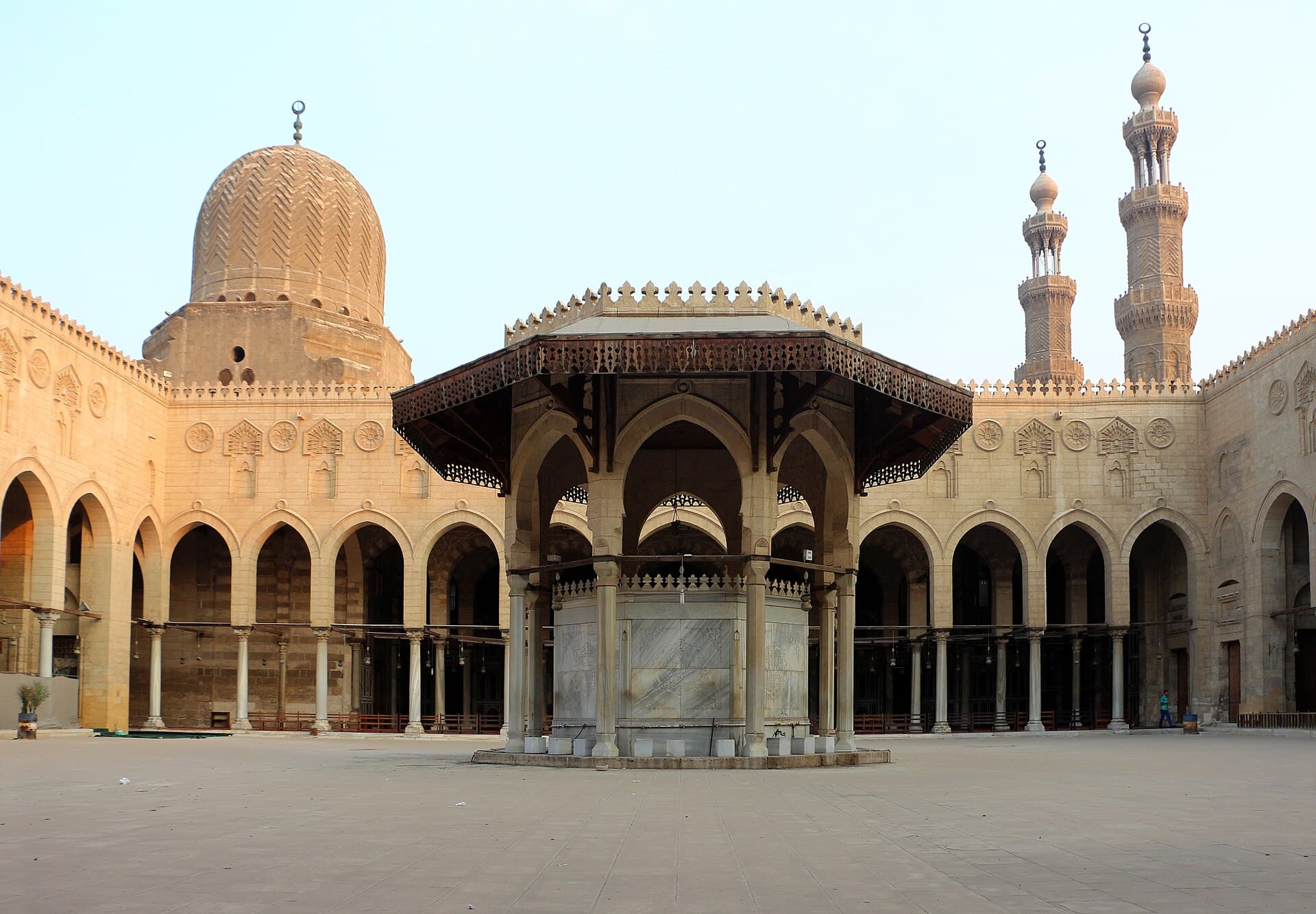 Mosque of Sultan al-Muayyad ShaykhA large Mamluk mosque at Bab Zuweila, built by Sultan al-Muayyad Shaykh between 6 minutes walk4.8
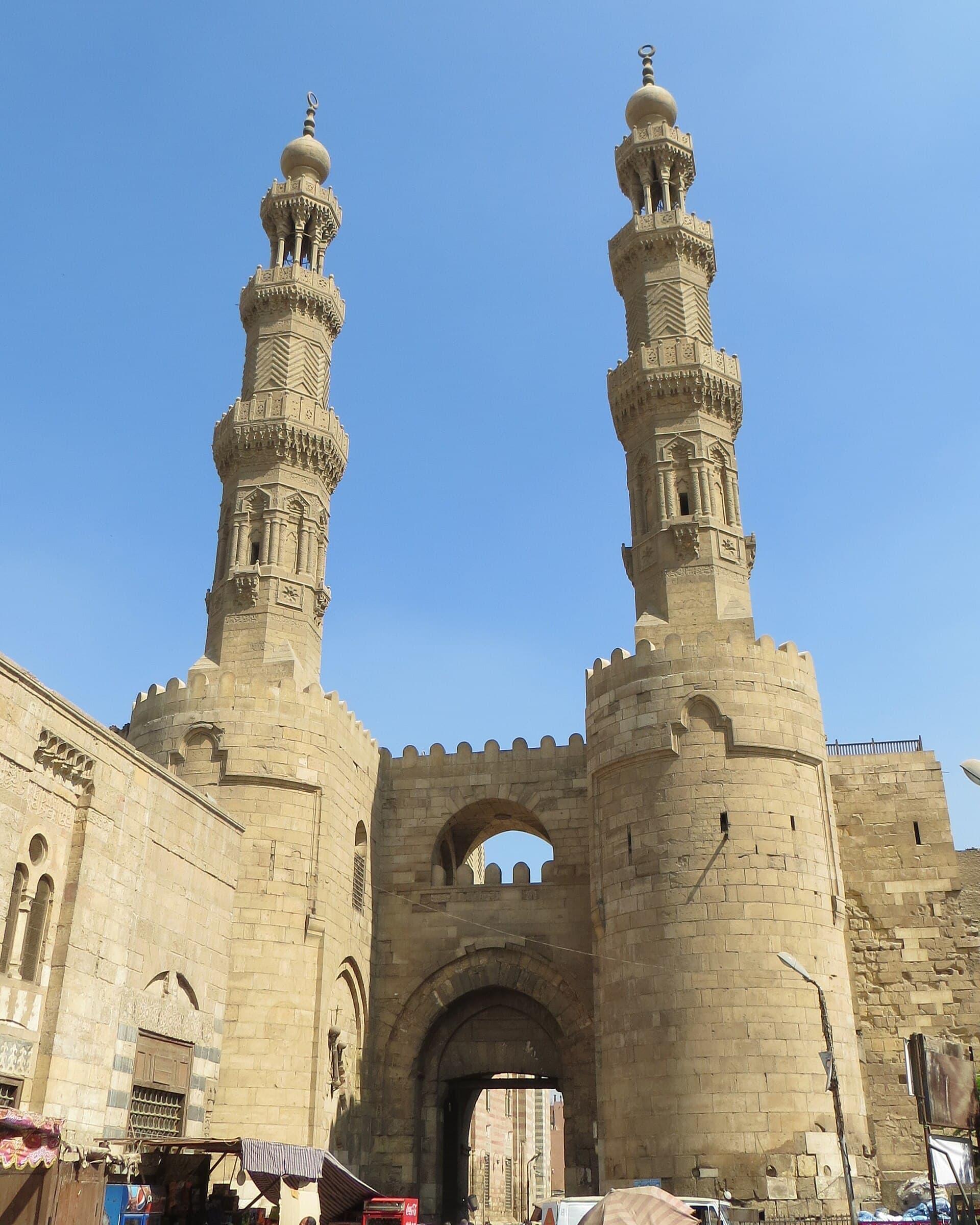 Bab ZuweilaOne of three surviving gates of the Fatimid city wall, standing at the southern 7 minutes walk4.6
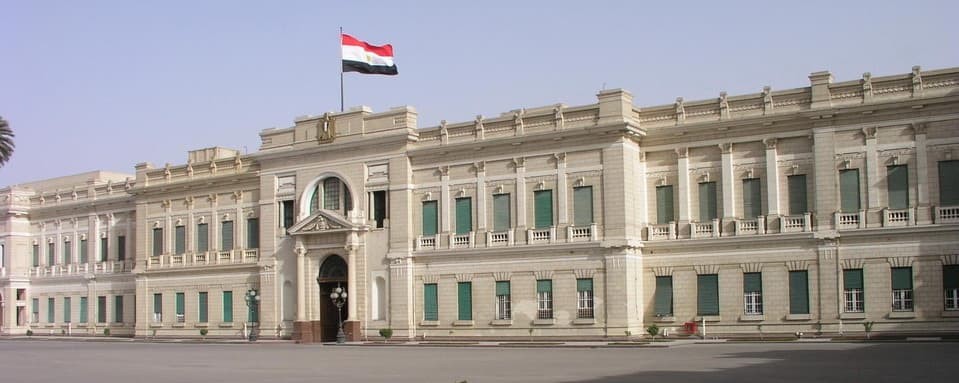 Abdeen Palace MuseumThe palace Khedive Ismail built in the mid-nineteenth century as the official se7 minutes walk4.5
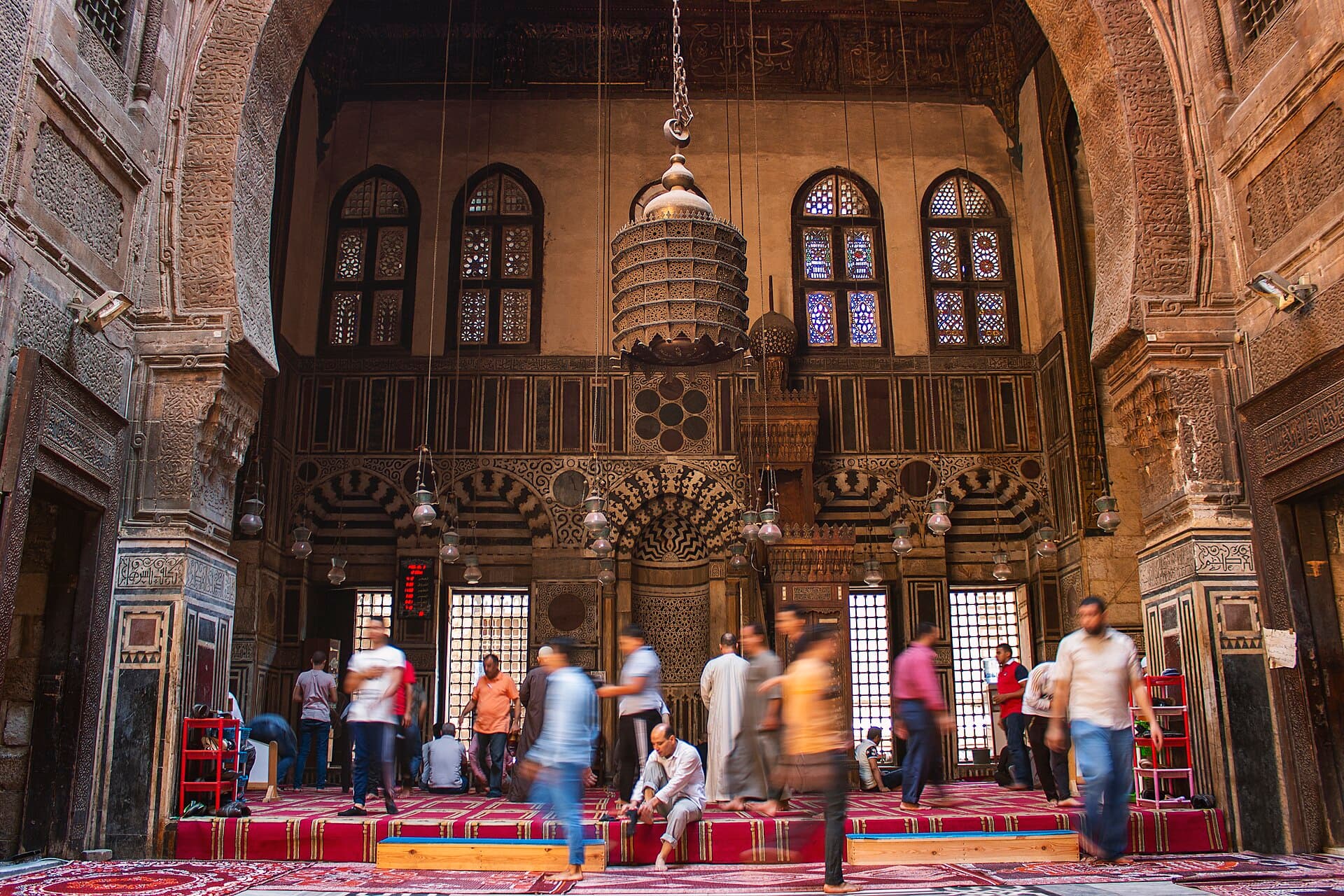 Al-Ghuri ComplexA Mamluk complex built by Sultan Qansuh al-Ghuri, the second-to-last Mamluk sult9 minutes walk4.6
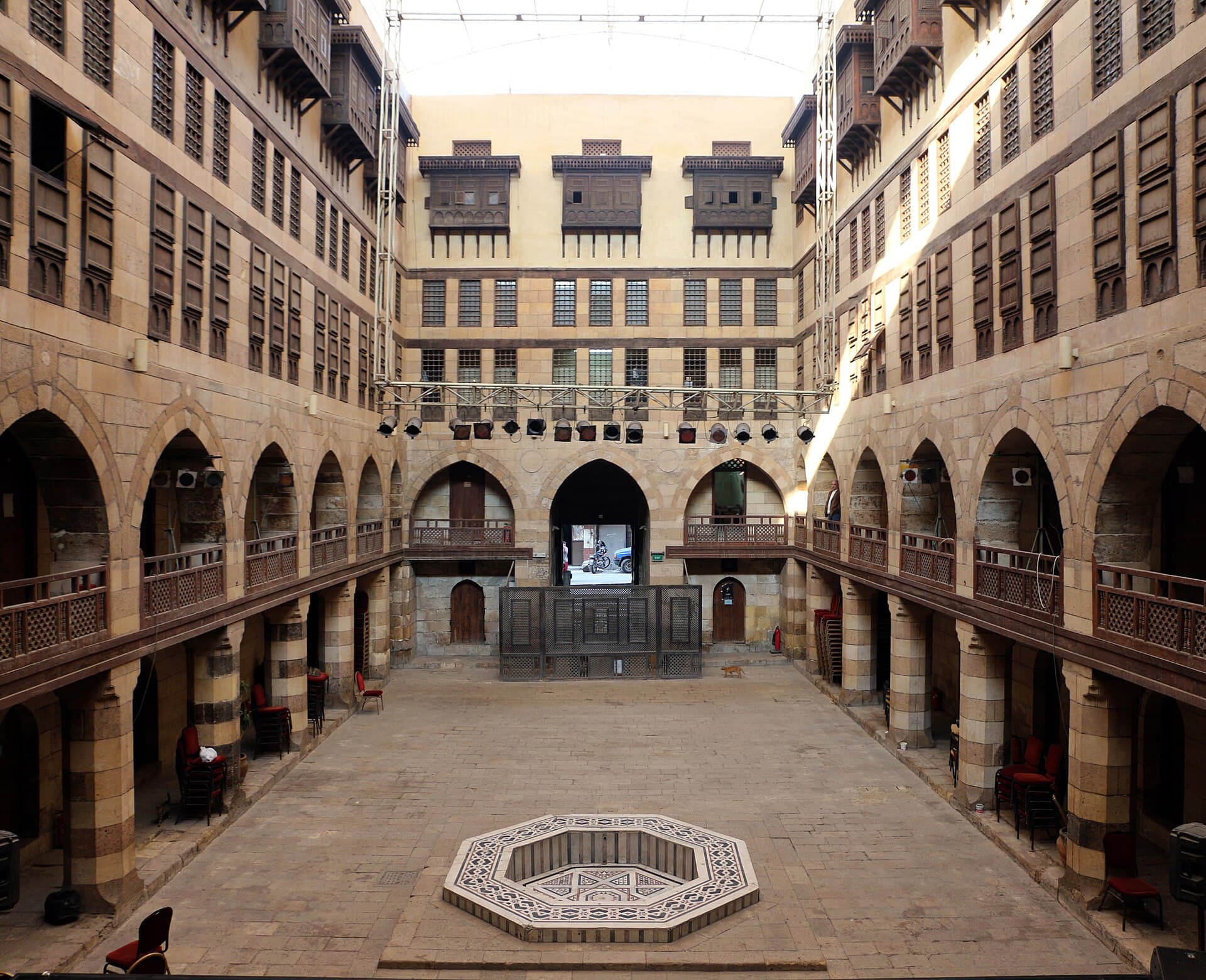 Wikala of al-GhuriA Mamluk merchants' inn built by Sultan Qansuh al-Ghuri in 1504 and 1505, counte9 minutes walk4.8
Because it sits off the standard route linking the pyramids, the Egyptian Museum and Khan el-Khalili, and because it was closed for years after the 2014 bombing. Specialists know it well and rate it first in its field worldwide, but the passing visitor rarely reaches it.
Make it the start or end of an Islamic Cairo day: Bab al-Khalq is close to Ibn Tulun and Sultan Hassan on one side, and to Al-Muizz Street and Khan el-Khalili on the other. Being air-conditioned makes it a good midday stop between two exposed sites.