
The Mask of Agamemnon
Mycenae's gold that stunned Schliemann.
Emilio J. Rodríguez Posada — CC BY-SA 2.0 · Ann Wuyts from Olen (London), Belgium (United Kingdom) — CC BY 2.0 · Didier Descouens — Public domain · Didier Descouens — Public domain
The National Archaeological is the Greek world's first treasury, uncontested: every summit of Greek antiquity not in its original place is here — the gold Mask of Agamemnon from Mycenae's graves (Schliemann, 1876), the complete bronze Poseidon (or Zeus) with raised arm from the sea floor, the little jockey flying on his horse, and Akrotiri's Santorini frescoes seventeen centuries before Pompeii. And history's strangest piece: the Antikythera Mechanism — the 2nd-century BC mechanical astronomy computer whose thirty gears science only read by CT scan: one hall worth the journey alone. The giant neoclassical building sits north of the centre (off the tourist path — taxi or Victoria metro), and a serious visit is half a day: the antiquities lover's main event, and the perfect opener explaining everything you will later see on the sites.
Mycenae's gold that stunned Schliemann.
Poseidon or Zeus, whole from the seabed.
Santorini seventeen centuries before Pompeii.
The bronze boy and his horse as wind.
Patission 44, 10682 Athens
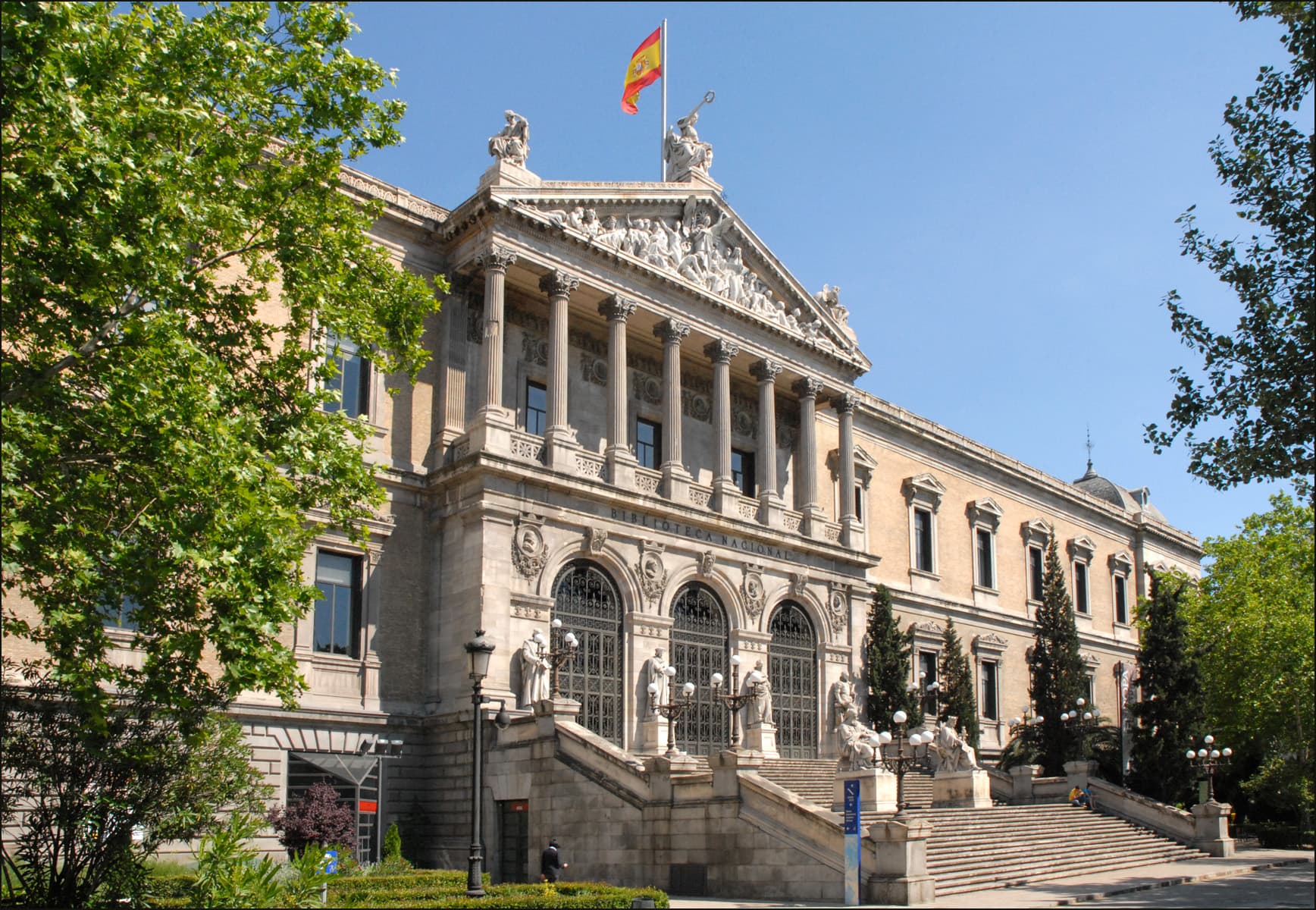 National Library of SpainOne neoclassical block on Paseo de Recoletos holds two institutions: the front, 1 minute walk4.3
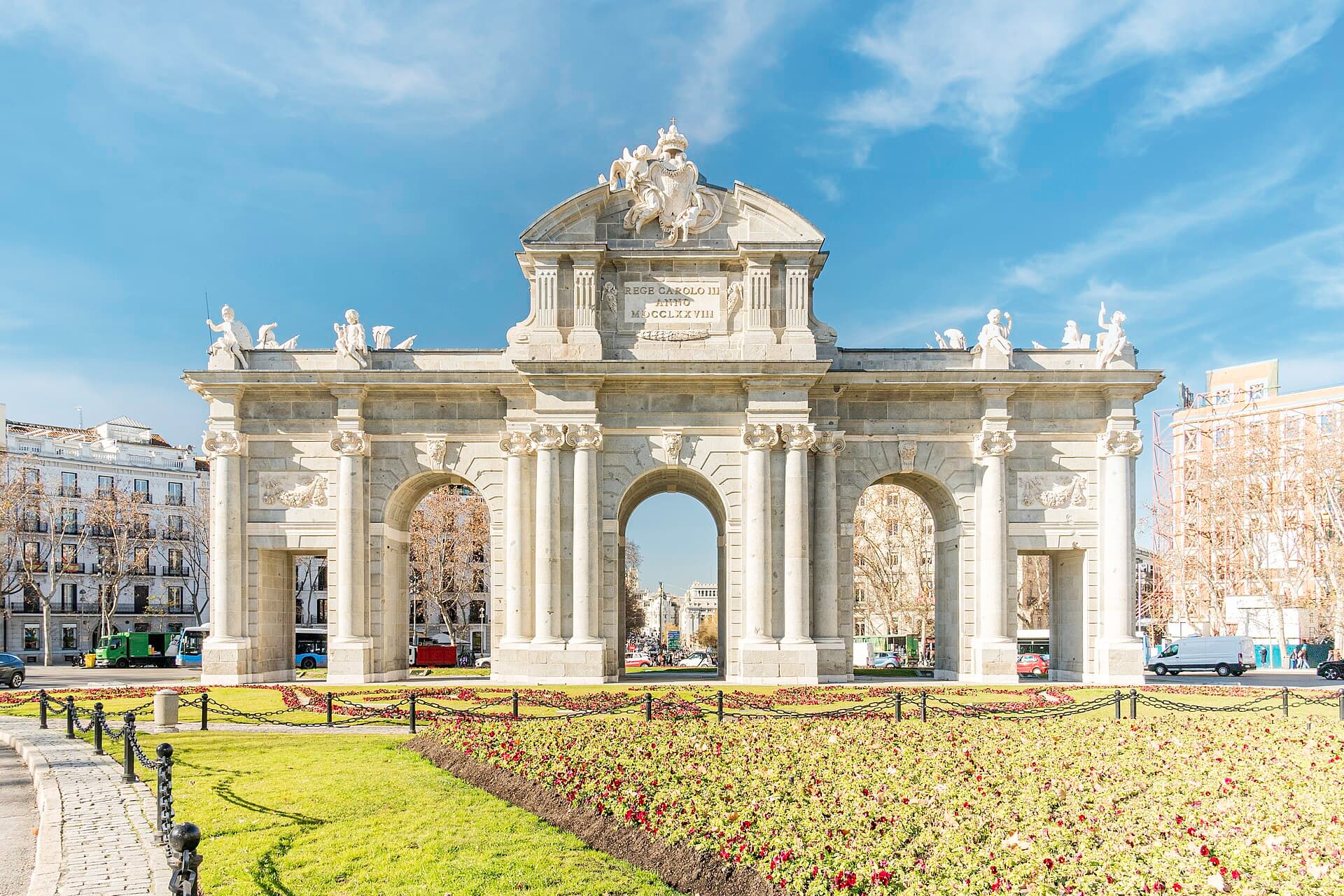 Puerta de AlcaláThe Puerta de Alcalá is modern Europe's first great triumphal gate — preceding B5 minutes walk4.8
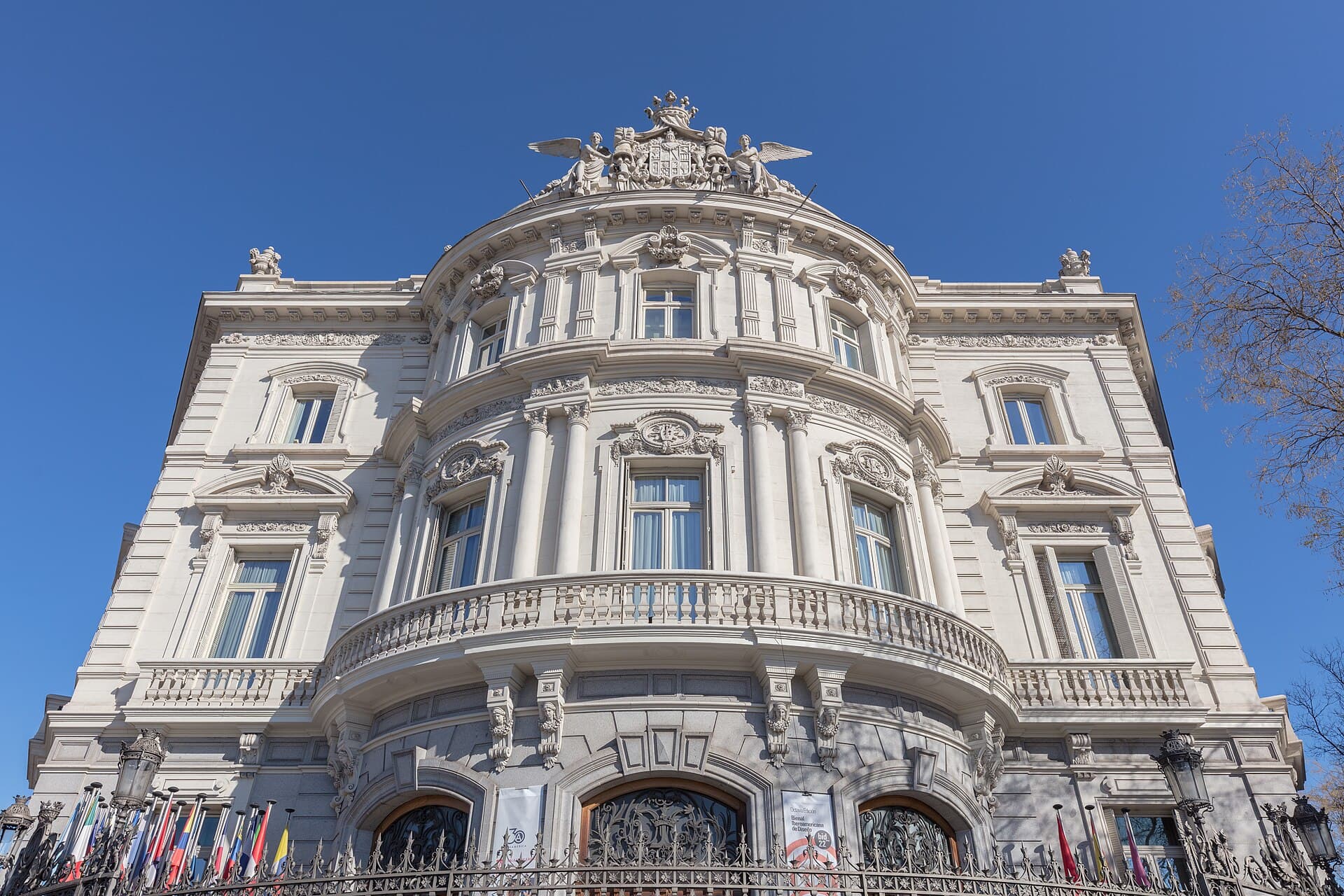 Palacio de LinaresPalacio de Linares holds a corner of Plaza de Cibeles, and most walk past it to 6 minutes walk4.7
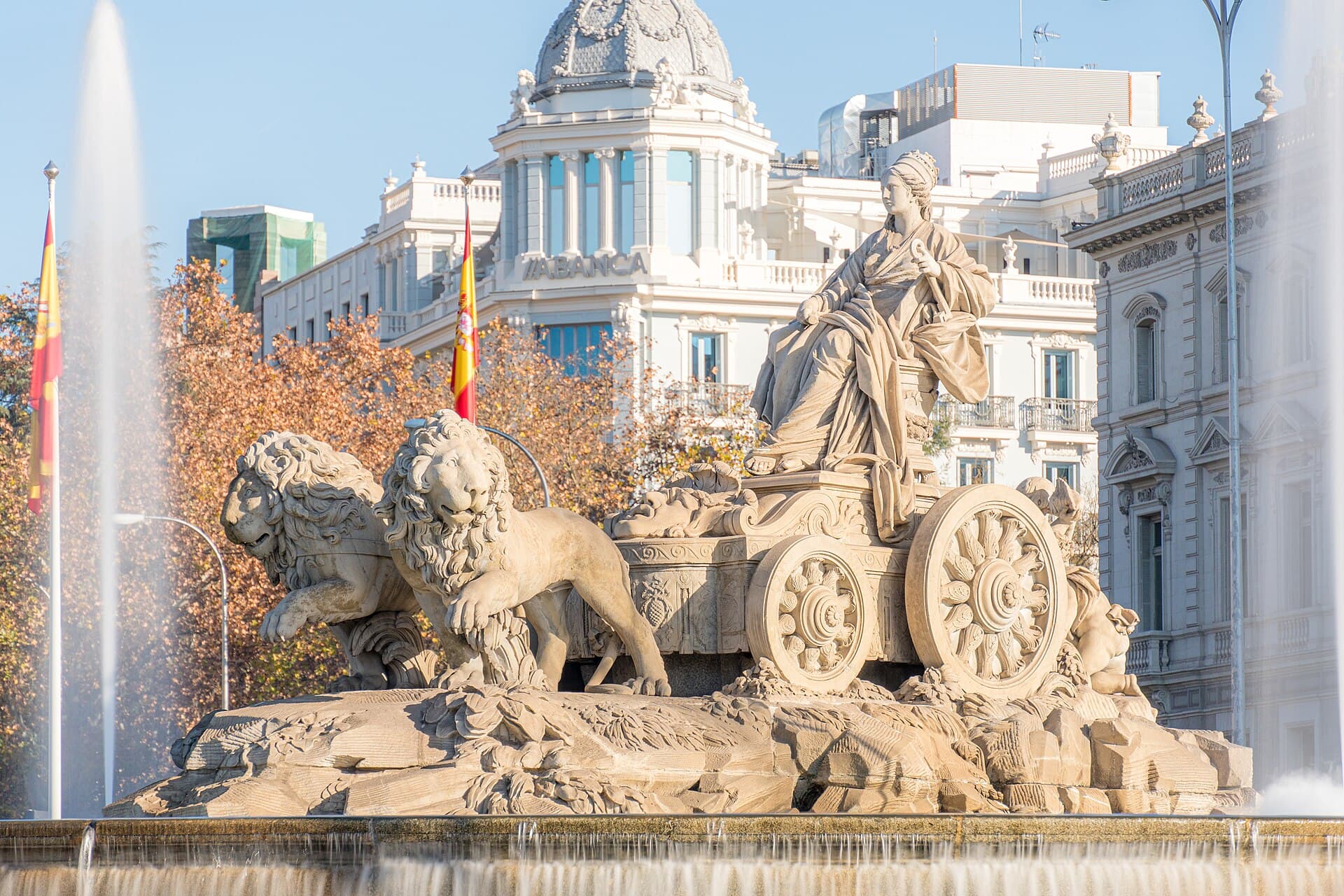 Cibeles Fountain & PalaceCibeles is Europe's most sumptuous crossroads: the goddess on her lion chariot a7 minutes walk4.6
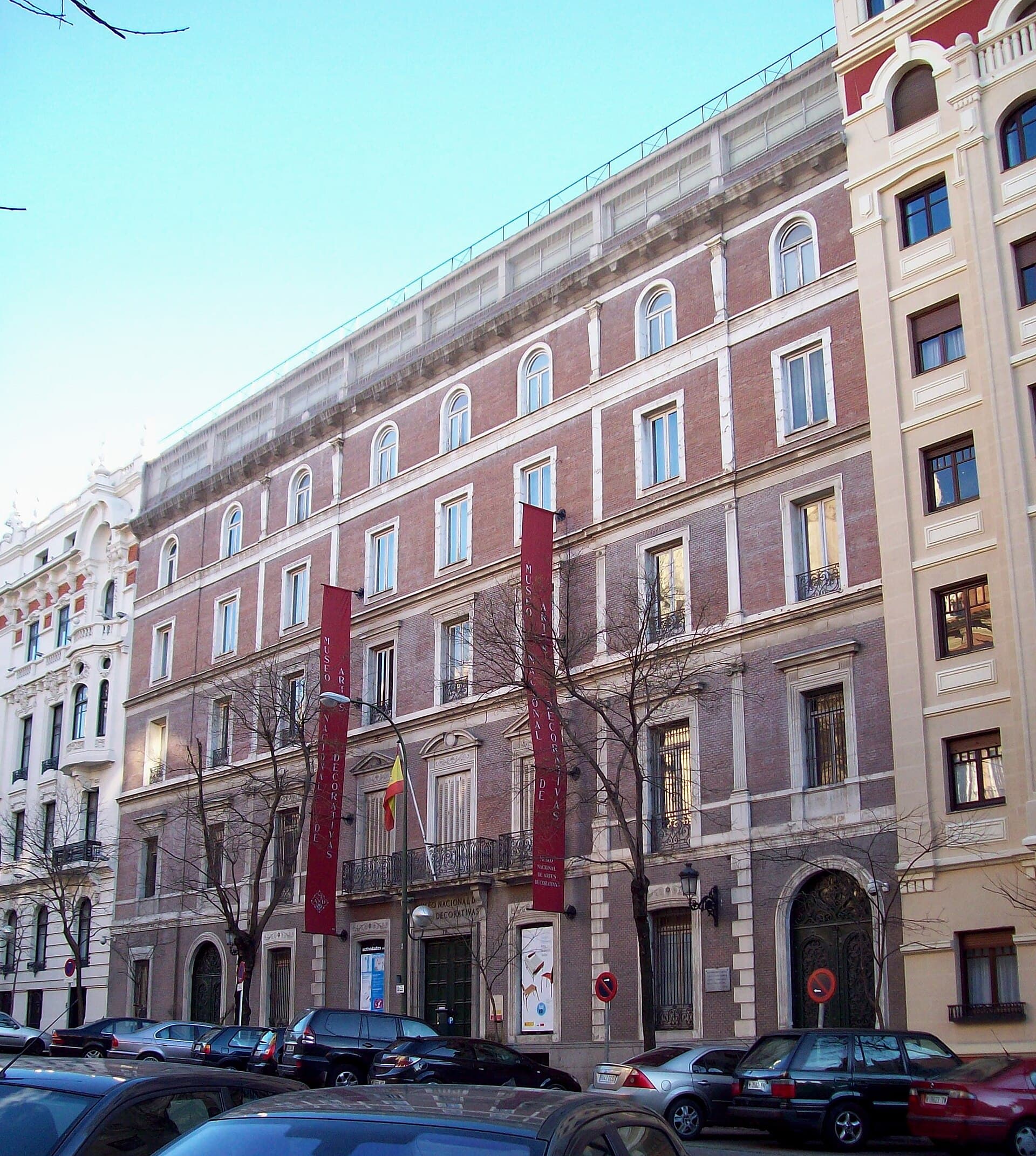 National Museum of Decorative ArtsThe museum occupies a mansion built in 1878 as a summer residence for the Duches8 minutes walk4.2
Two specialities: the Acropolis is its site's museum (the rock's treasures in architectural theatre), the National the whole civilisation's vault (Mycenae, the bronzes, Antikythera). One Athens day: the Acropolis, tied to what you climb. Two days or real passion: the National is obligation, not option.