
Everyday mechanisms unexplained
Why a banknote has value, how notes are printed and destroyed, why prices rise.
Michel wal — CC BY-SA 3.0 · FrDr — CC BY-SA 4.0 · FrDr — CC BY-SA 4.0 · FrDr — CC BY-SA 4.0
A museum about money and its history run by Belgium's central bank, in a former banking building in central Brussels. Entry is free. The collection covers the history of currency from barter through coinage and banknotes to digital forms, with sections on inflation, financial crises and how a central bank actually works. What makes it better than it sounds is that it explains mechanisms people use daily without understanding: why money has value at all, how notes are printed and destroyed, and why prices rise. The treatment is educational and clear and assumes no background in economics. It also shows old Belgian banknotes from before the euro, which are part of the country's memory. The location is central and entry costs nothing, so the only cost is your time — which makes it among the best free options in the city.
Why a banknote has value, how notes are printed and destroyed, why prices rise.
Old Belgian notes that have become part of the country's memory.
The only cost is your time, and the site is in the heart of the city.
Near Place de la Liberté, central Brussels
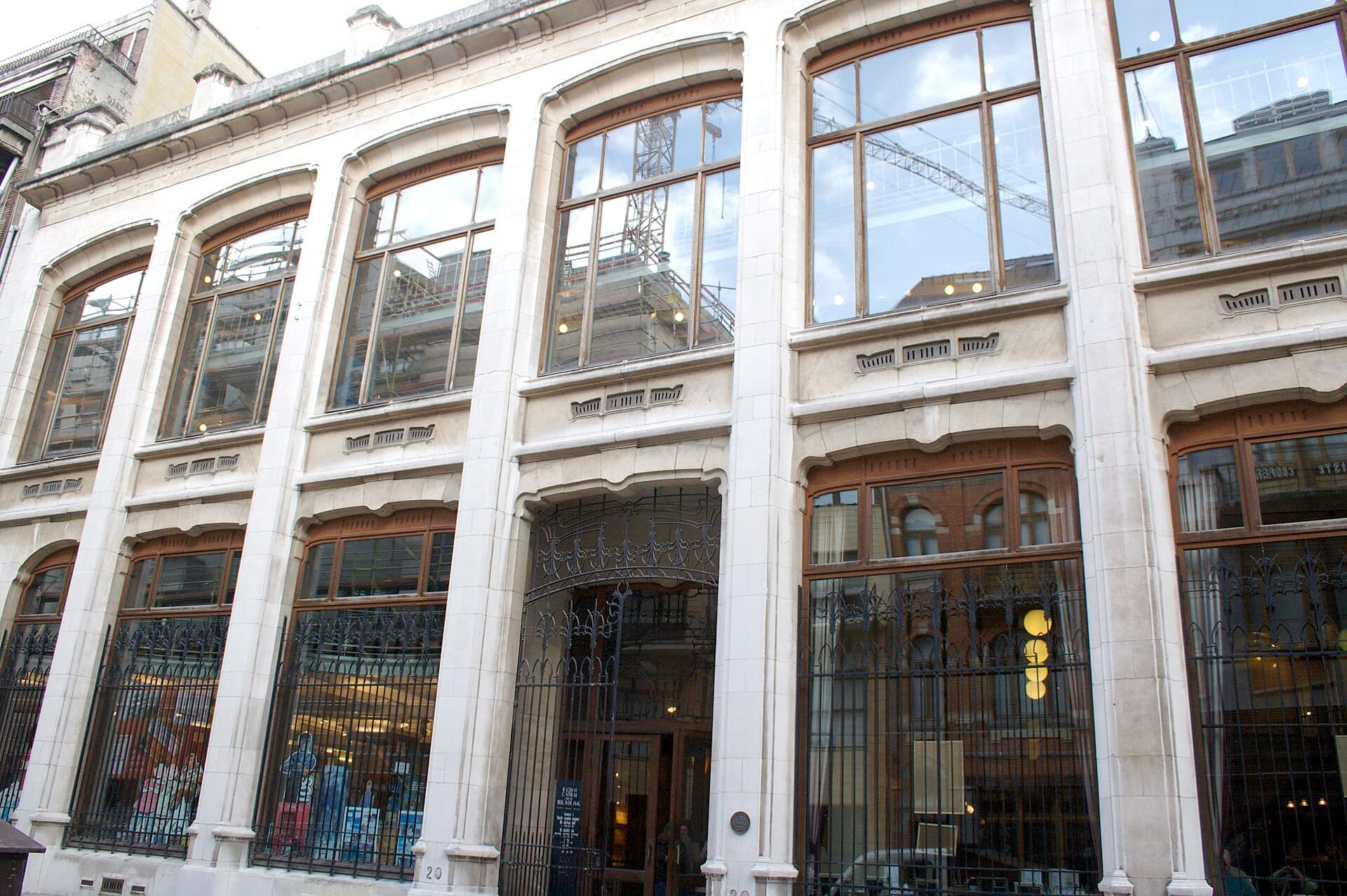 Comics Art MuseumThe Comics Art Museum is the temple of Belgian comics — for Belgium is the land 3 minutes walk4.1
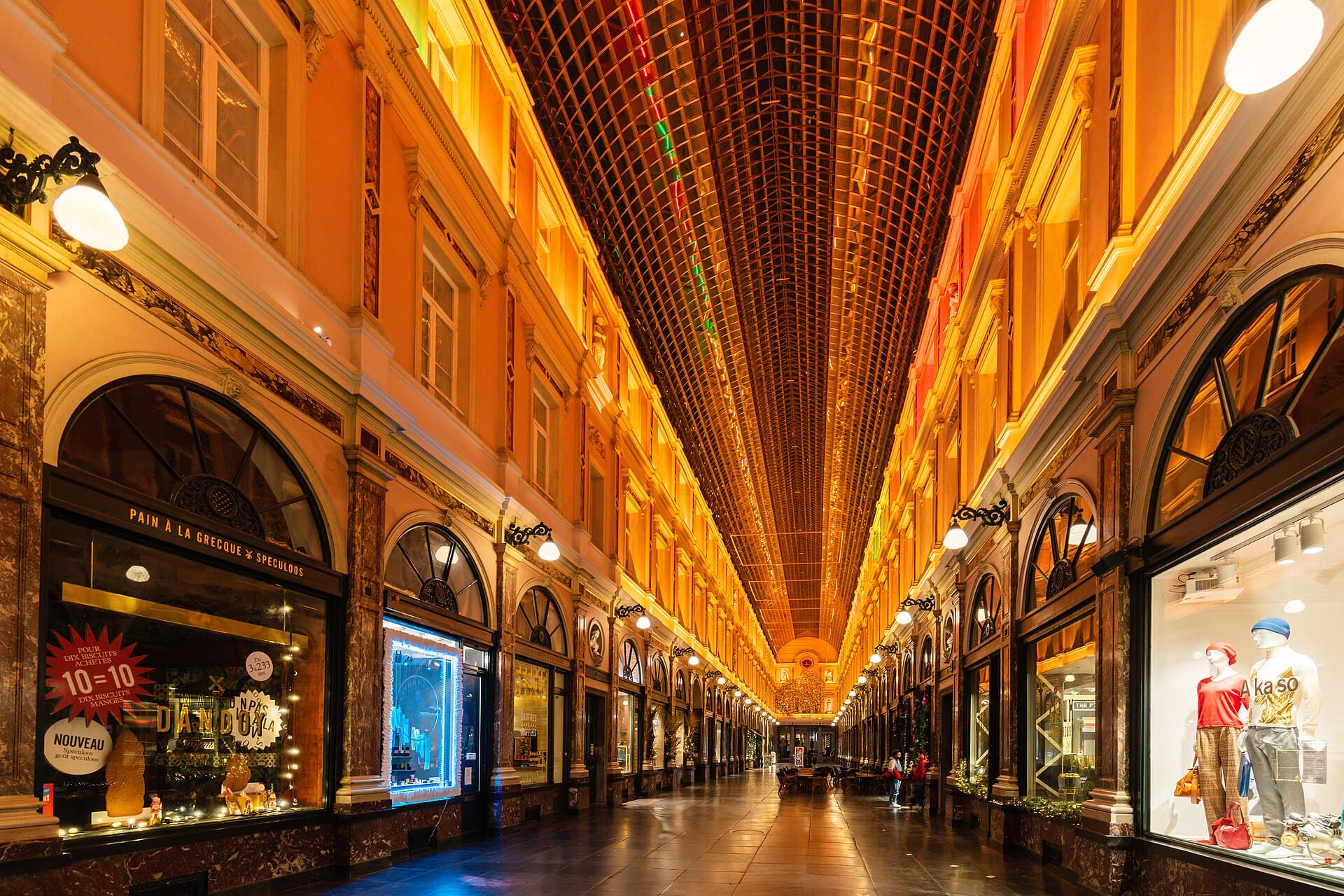 Galeries Royales Saint-HubertThe Galeries Royales Saint-Hubert are among Europe's first covered shopping arca3 minutes walk4.6
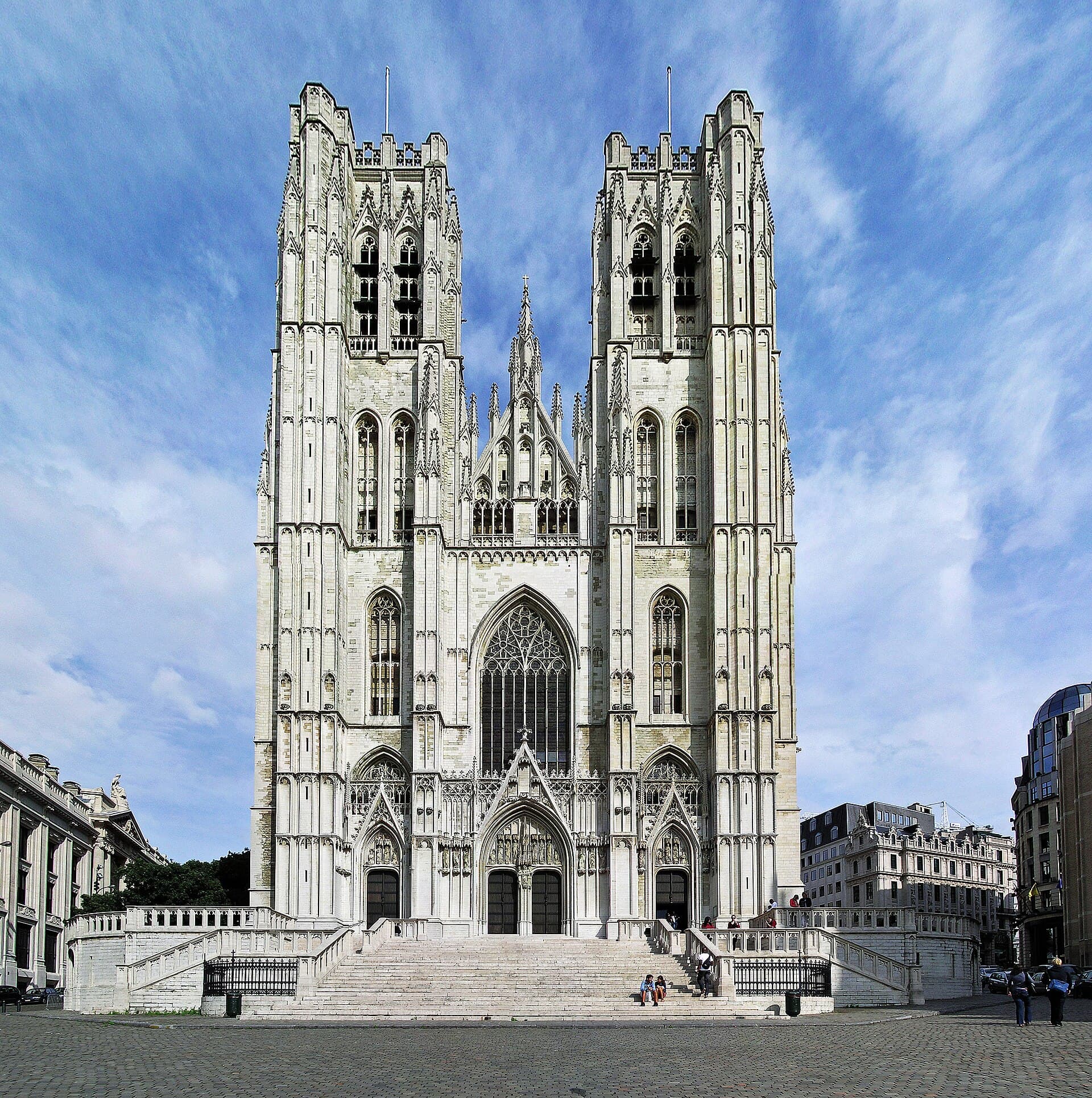 Cathedral of St Michael and St GudulaThe Cathedral of St Michael and St Gudula is Belgium's national church and Bruss4 minutes walk4.6
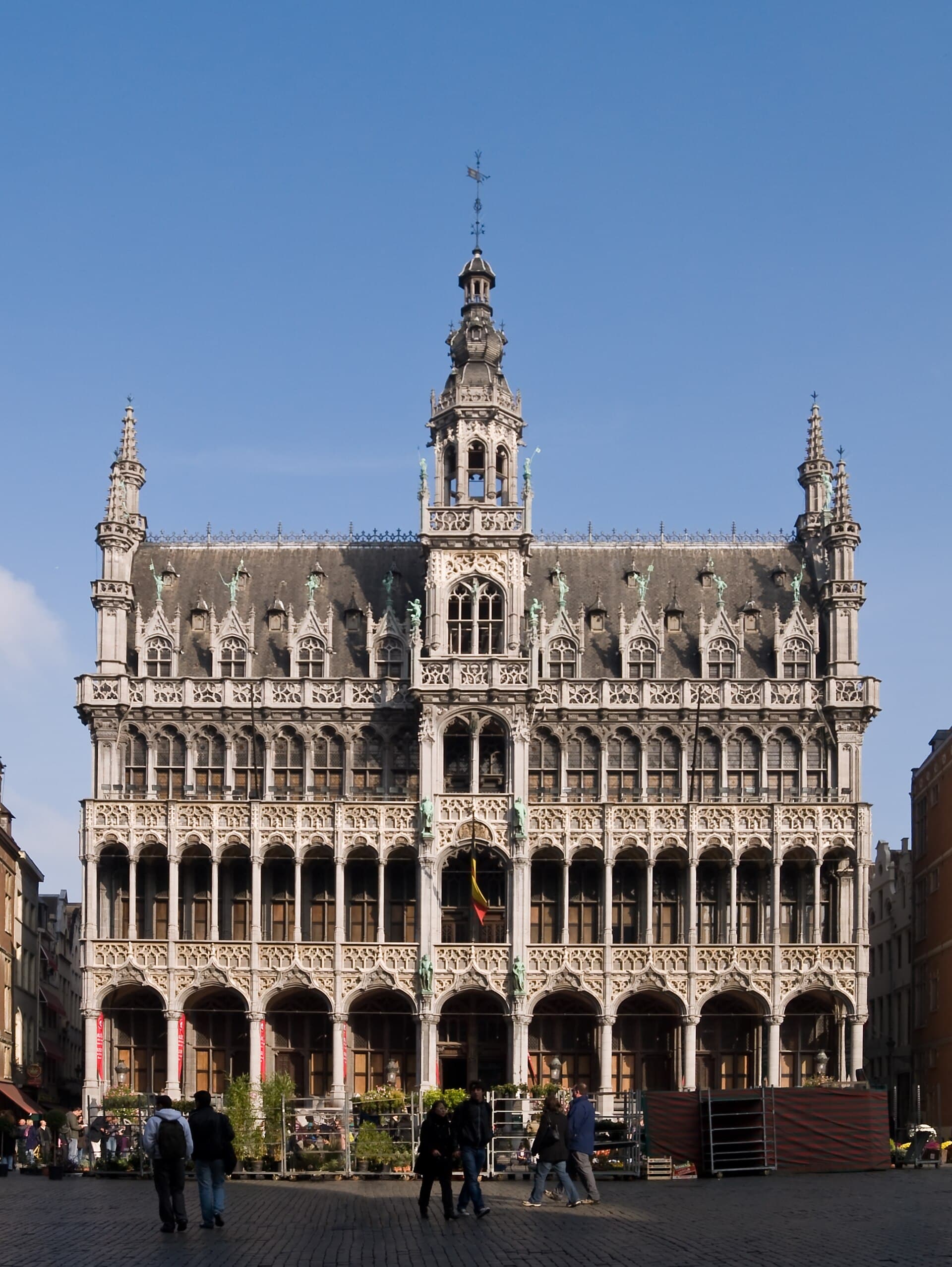 Brussels City Museum (King's House)The Brussels City Museum occupies the "King's House" — the imposing neo-Gothic b6 minutes walk4.5
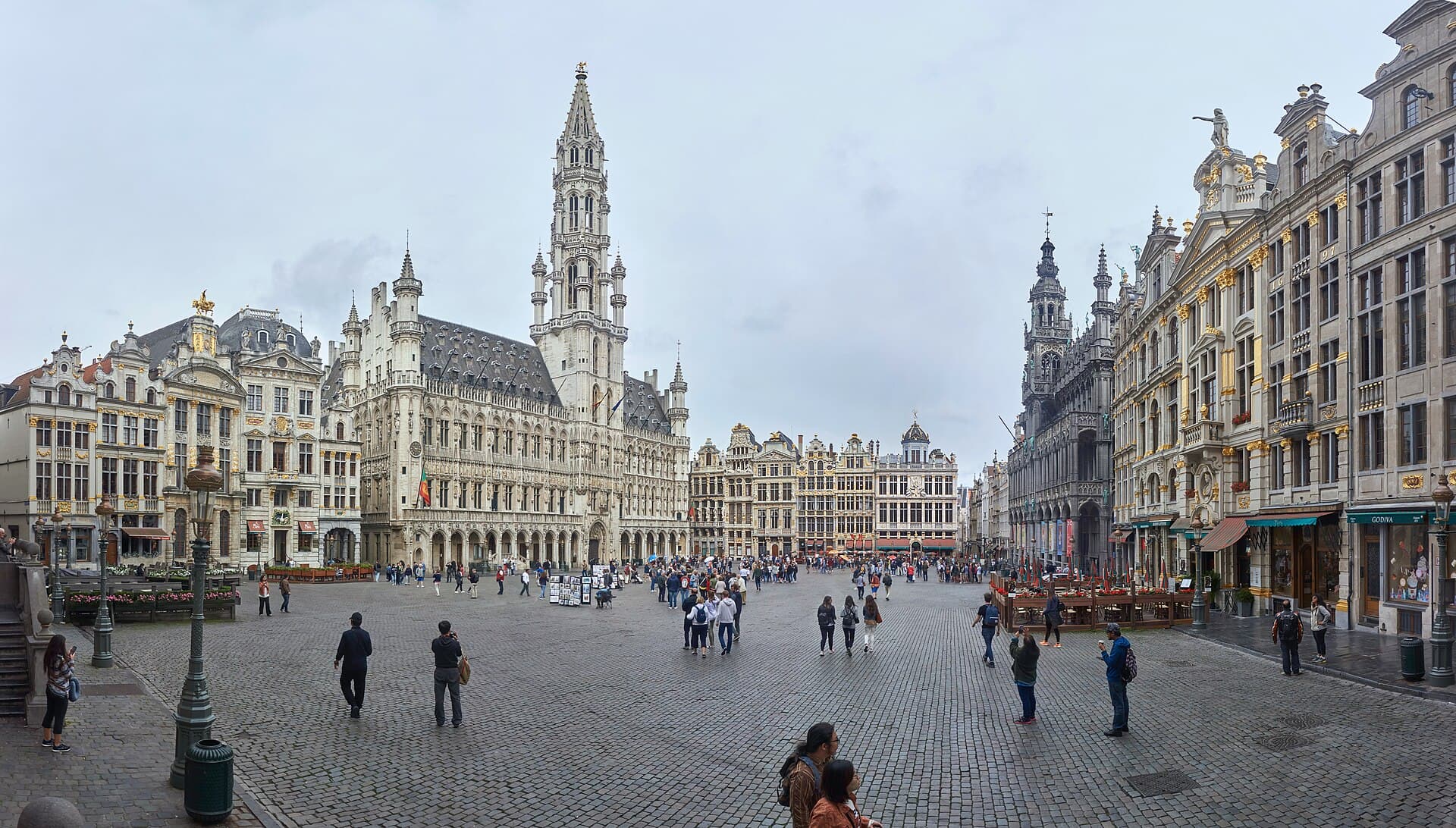 Grand-PlaceThe Grand-Place is the heart of Brussels and one of the world's most beautiful s6 minutes walk4.8
Yes, and that is its purpose. The treatment is educational and aimed at non-specialists, explaining basics many people do not know despite using money daily. It assumes no background.
Because the museum is run by a central bank rather than a city, and its hours follow the logic of a financial institution: business days, closing at the weekend or part of it. That is the opposite of ordinary museums, which open at weekends and close one weekday. Check before going.