
The Sleeping Lady
A carving from the fourth millennium BC.
Frank Vincentz — CC BY-SA 3.0 · Frank Vincentz — CC BY-SA 3.0 · Frank Vincentz — CC BY-SA 3.0 · Frank Vincentz — CC BY-SA 3.0
The world's oldest stone architecture, explained in one hall: the National Museum of Archaeology, in the Baroque Auberge de Provence on the main street, displays what Malta's megalithic temples yielded — the oldest free-standing stone buildings on earth, a thousand years older than the pyramids and more than that older than Stonehenge. Its stars are small figures that changed our understanding of prehistory: the "Fat Lady of Malta" and the corpulent statues from Ħaġar Qim, and the Sleeping Lady from the Hypogeum — a small carving of a woman asleep on a couch, the most delicate thing to reach us from the fourth millennium BC — along with the Venus of Malta. The rooms run chronologically from the Stone Age to the Phoenicians, with tools, pottery, jewellery and stones carved in spirals. An hour here before visiting the temples makes them legible rather than merely ruined.
A carving from the fourth millennium BC.
Fertility figures from Ħaġar Qim.
Triq ir-Repubblika, Valletta
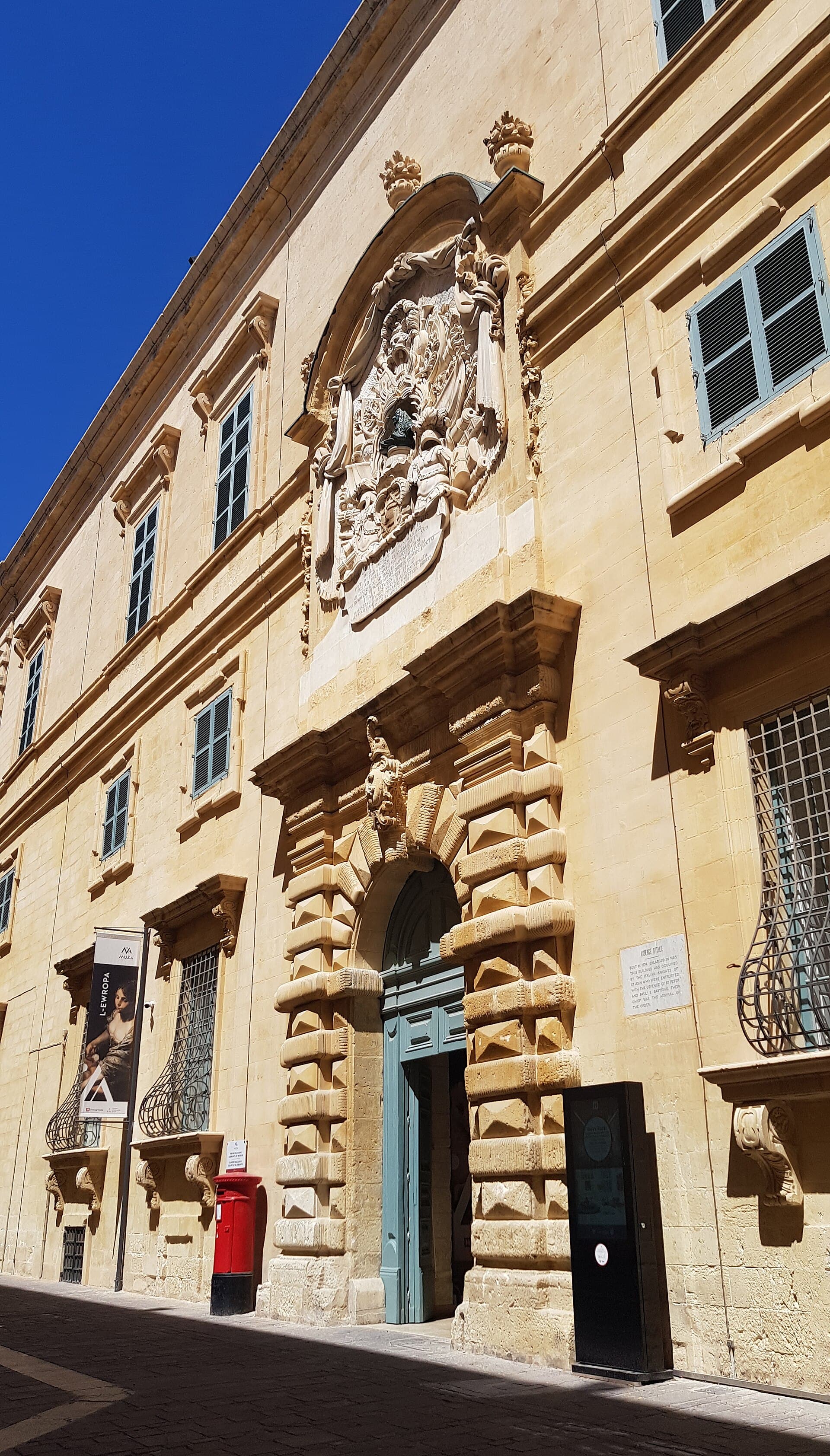 MUŻA National Art MuseumThe national art museum in the Italian knights' auberge: Malta's art museum move2 minutes walk4.3
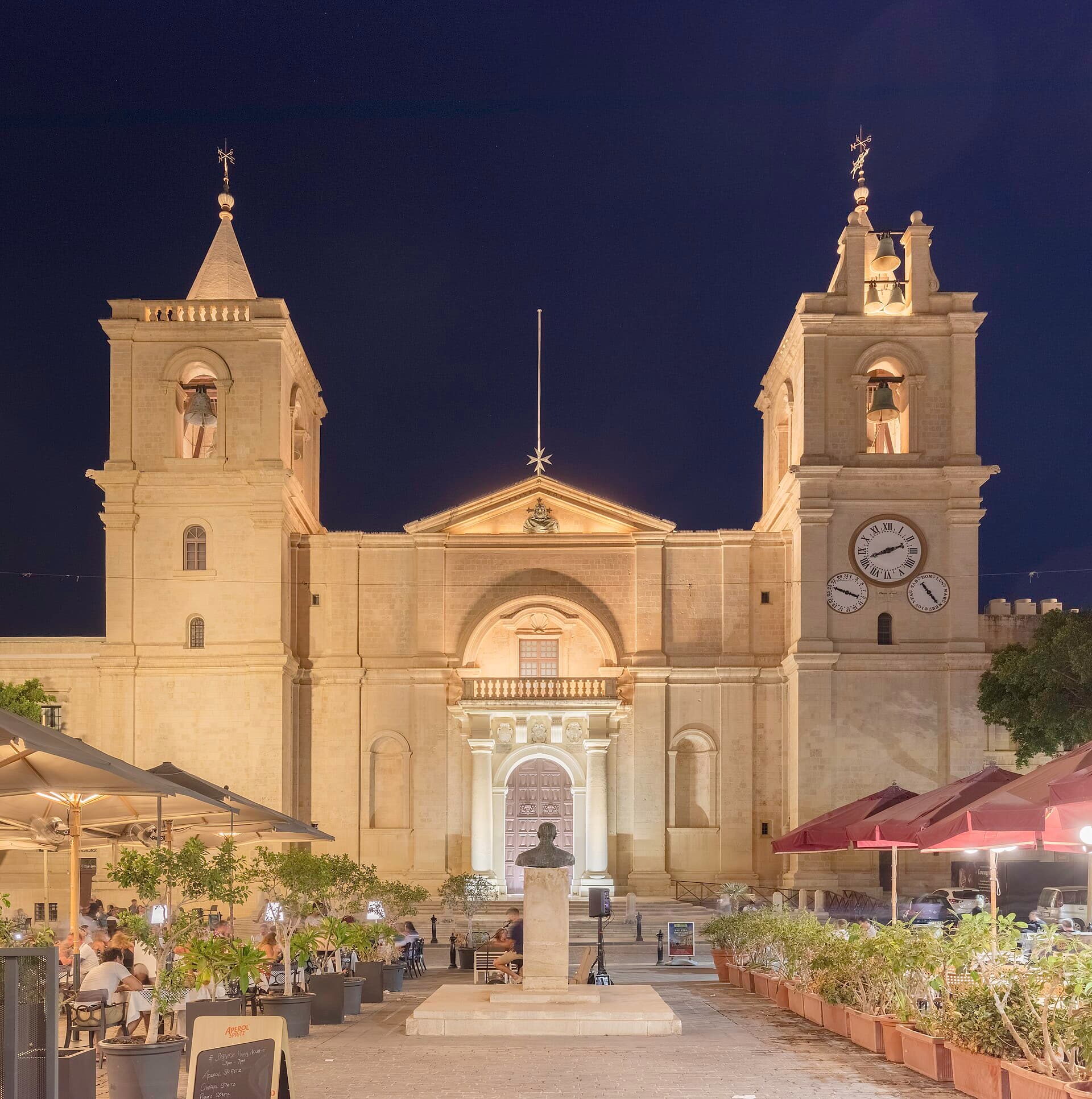 St John's Co-CathedralA facade as severe as a fort and an interior that stuns whoever enters: the cath2 minutes walk4.9
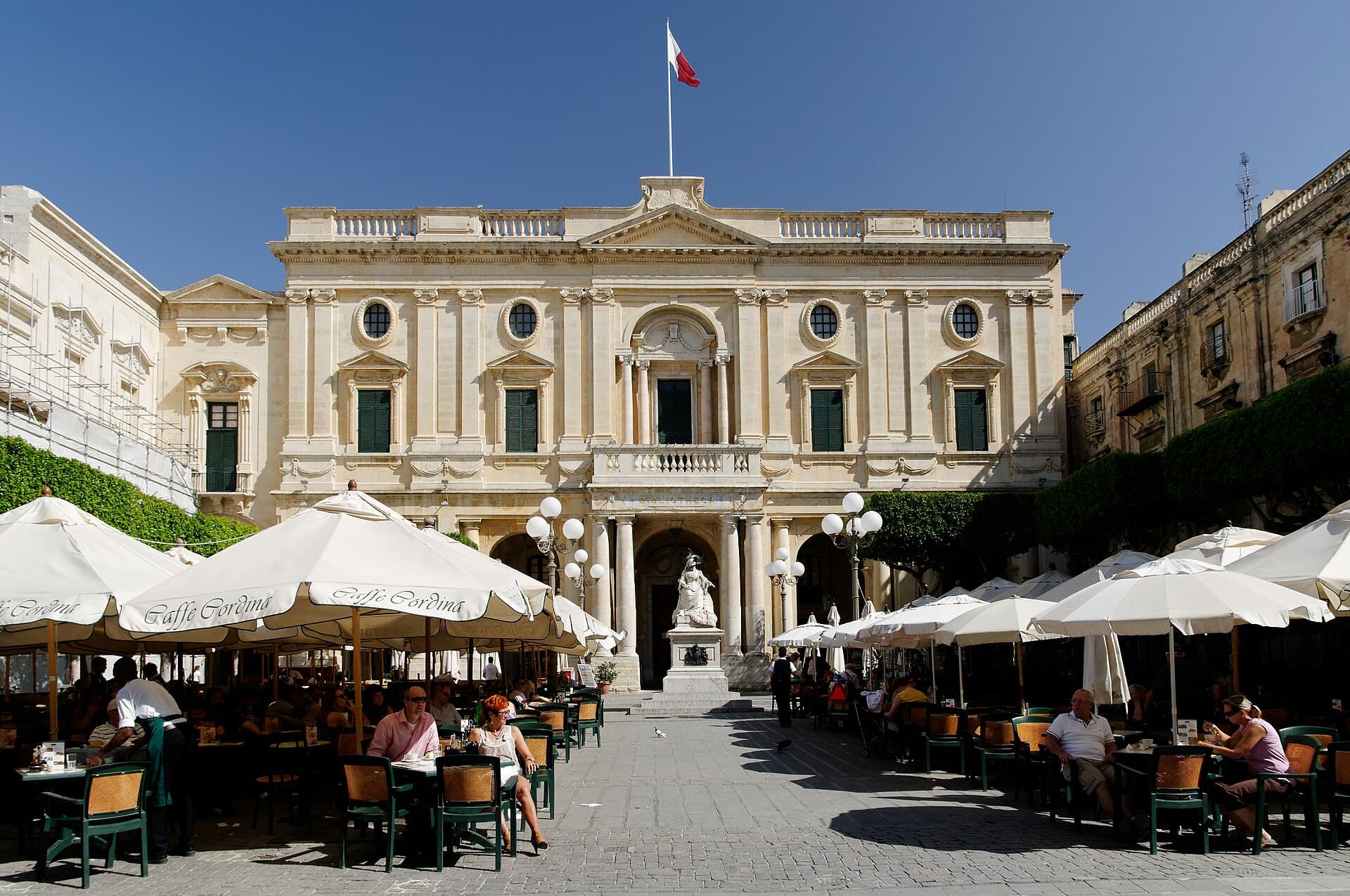 The National LibraryThe last building the Knights raised in Valletta: the Bibliotheca was built betw3 minutes walk4.7
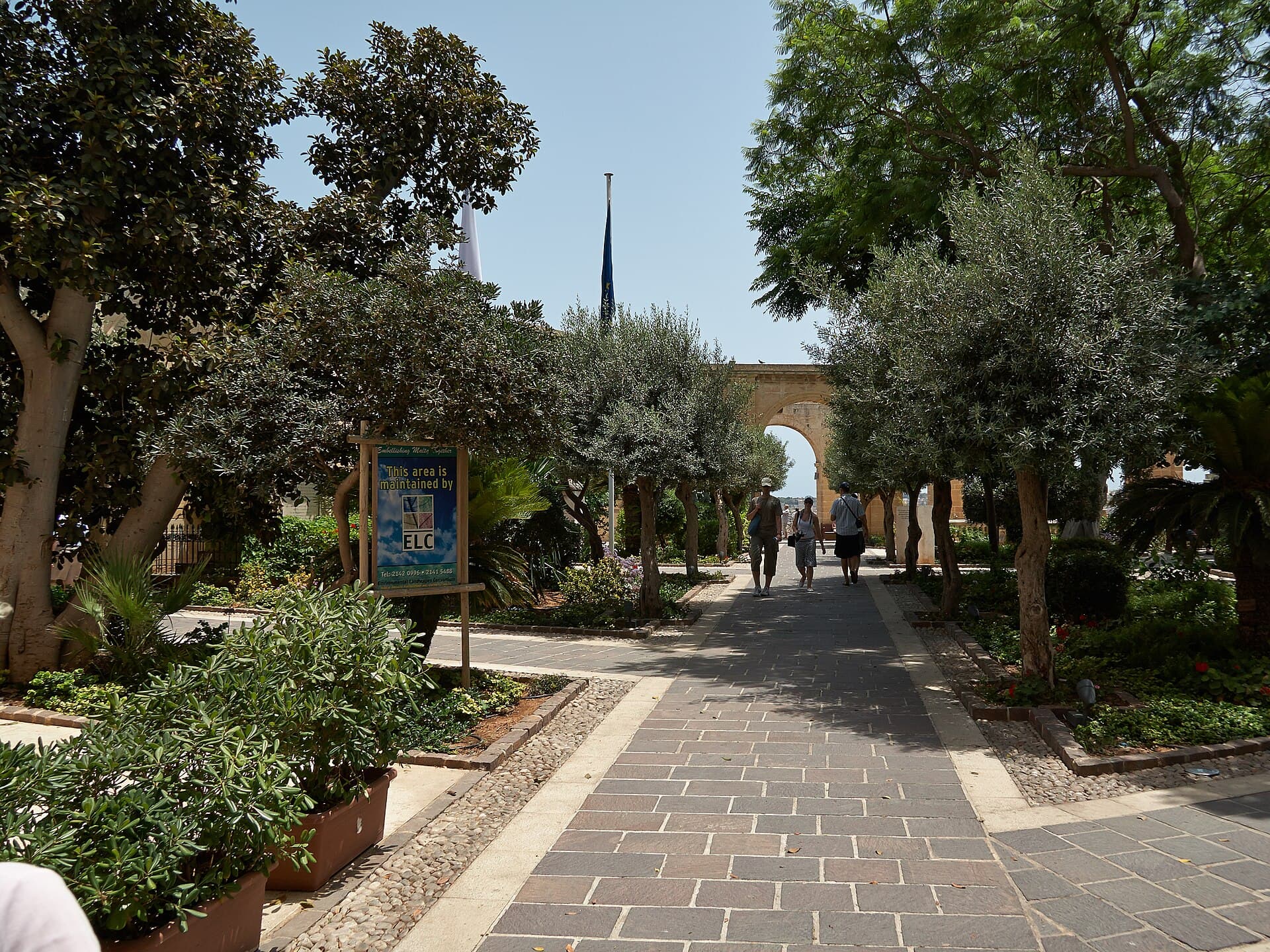 Upper Barrakka GardensMalta's best view, and free: the Upper Barrakka Gardens sit on Valletta's highes4 minutes walk4.6
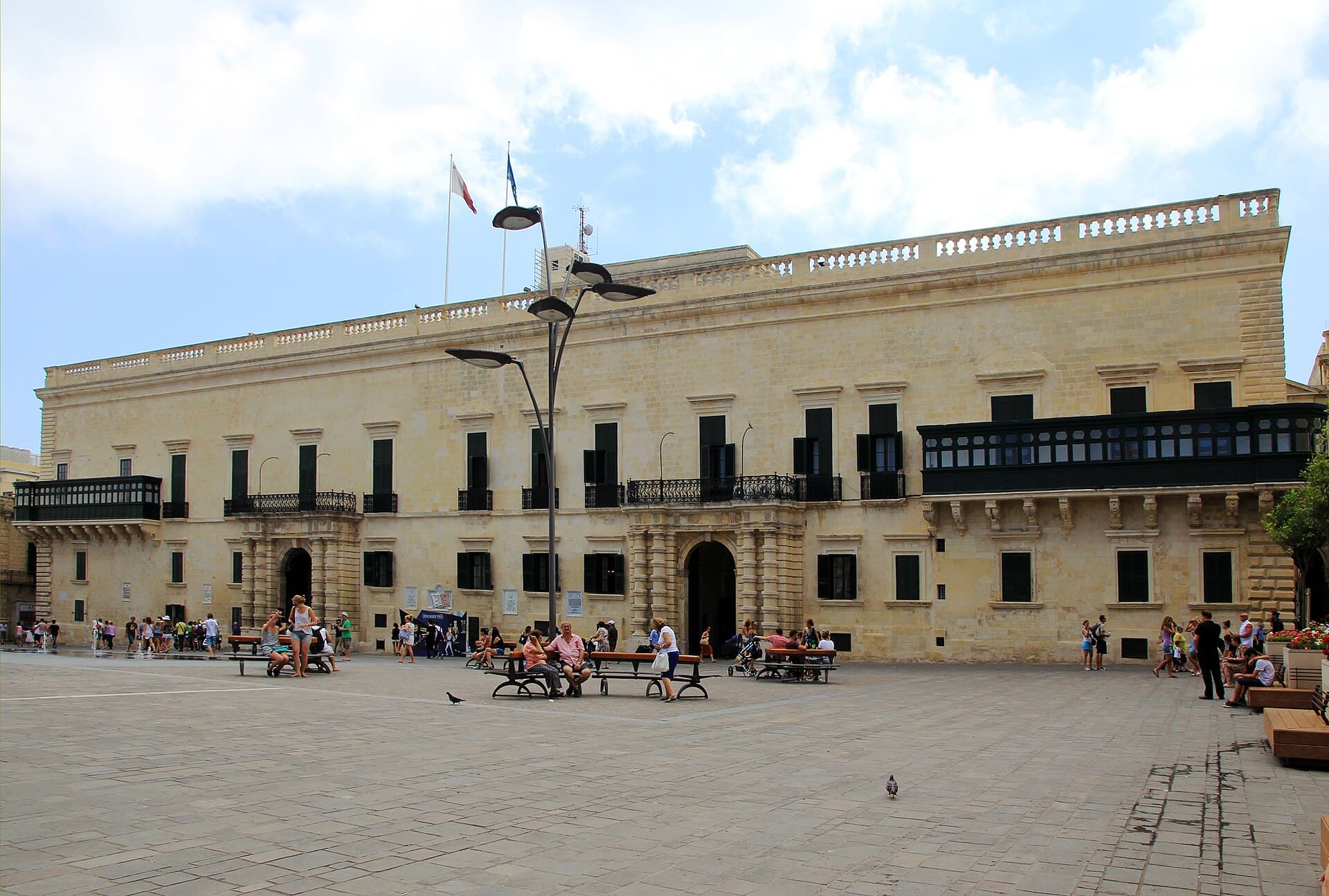 The Grandmaster's PalaceMalta's seat of government without a break since 1571: the Knights built it for 4 minutes walk4.4
A farming society that reached Malta from Sicily around 5900 BC and raised the temples between 3600 and 2500, then vanished abruptly for unknown reasons before a new Bronze Age wave arrived.