
Mummies Hall
Ramesses II and Hatshepsut.
Richard Mortel from Riyadh, Saudi Arabia — CC BY 2.0 · Nabbegat — CC BY 4.0 · Nabbegat — CC BY 4.0 · Nabbegat — CC BY 4.0 · Nabbegat — CC BY 4.0 · Nabbegat — CC BY 4.0 · Onceinawhile — CC BY-SA 4.0 · Onceinawhile — CC BY-SA 4.0
A large, modern museum in Fustat, Old Cairo, officially opened in April 2021 with the famous Pharaohs' Golden Parade, when twenty-two mummies of the kings and queens of ancient Egypt were moved from the Egyptian Museum in Tahrir in a stately procession through the streets of Cairo. Its best-known space is the underground Royal Mummies Hall, where the mummies of Ramesses II, Seti I, Thutmose III, Queen Hatshepsut and others rest in a dim, quiet hall in cases controlled for temperature and humidity, each beside the life story of its owner. The main hall tells the story of Egyptian civilisation from prehistory to modern times through thousands of Pharaonic, Graeco-Roman, Coptic and Islamic objects, arranged by theme: the Nile, writing, state and society, and beliefs. A foreign visitor's ticket costs about five hundred and fifty Egyptian pounds according to recent guides, including the mummies hall, and it opens daily from nine to five. The museum overlooks Ain al-Sira lake and lies near the Amr ibn al-As Mosque and the Coptic Museum, so combine them for a day in Old Cairo.
Ramesses II and Hatshepsut.
Kings carried across Cairo.
From prehistory to today.
Fustat, Old Cairo, on Ain al-Sira lake
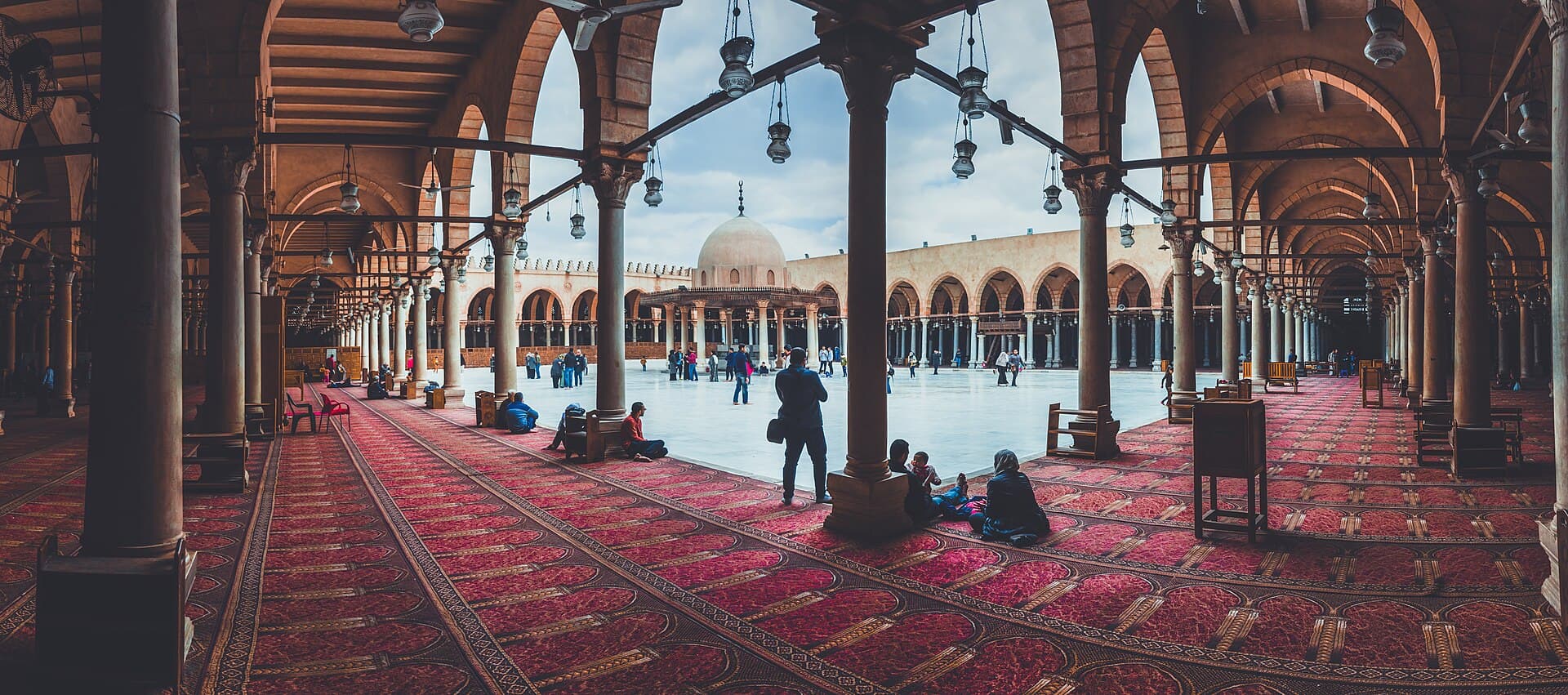 Mosque of Amr ibn al-AsThe first mosque built in Egypt and in Africa, founded by the commander Amr ibn 18 minutes walk
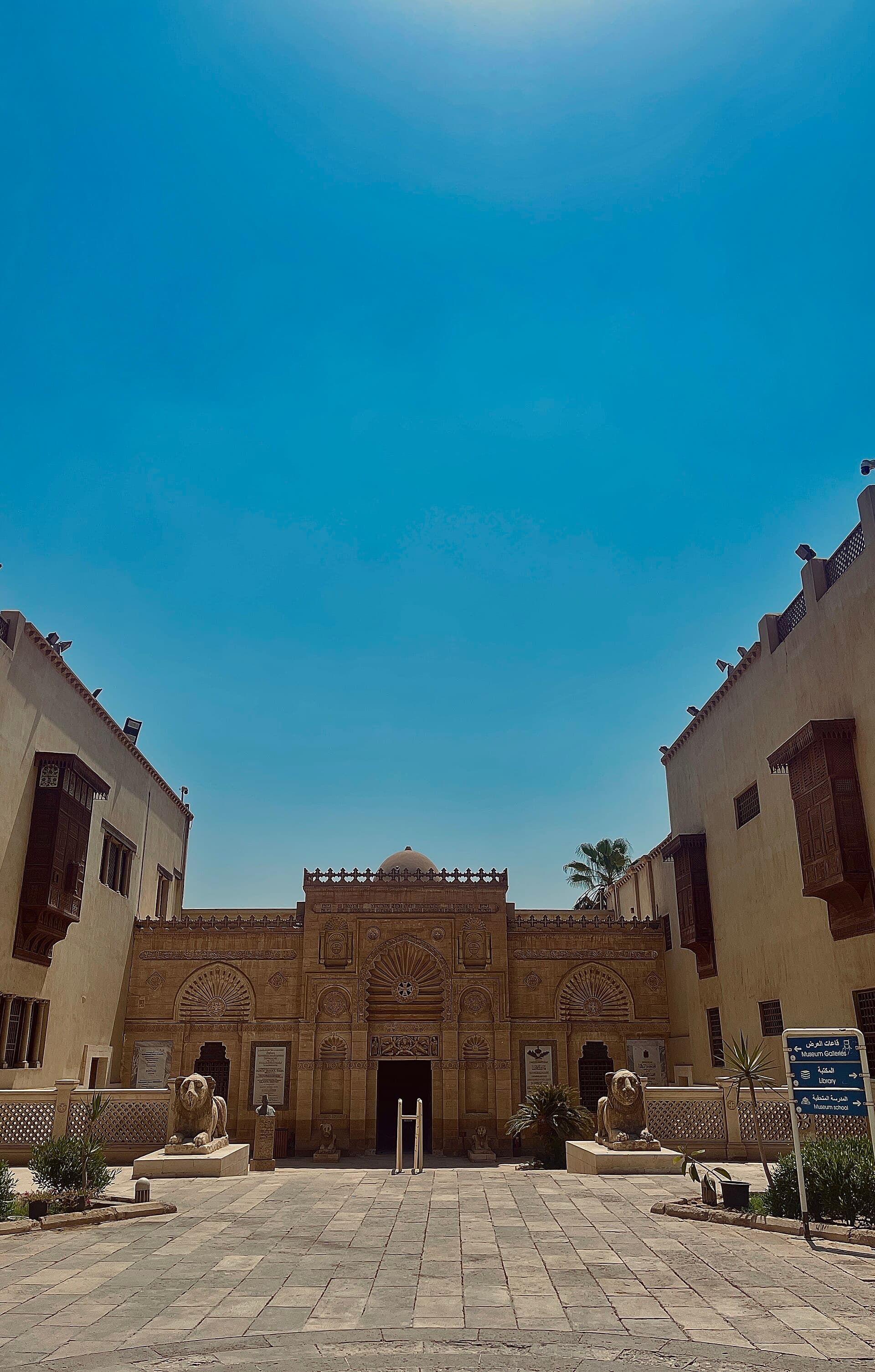 Coptic MuseumIt holds the largest collection of Coptic antiquities in the world, in the heart22 minutes walk
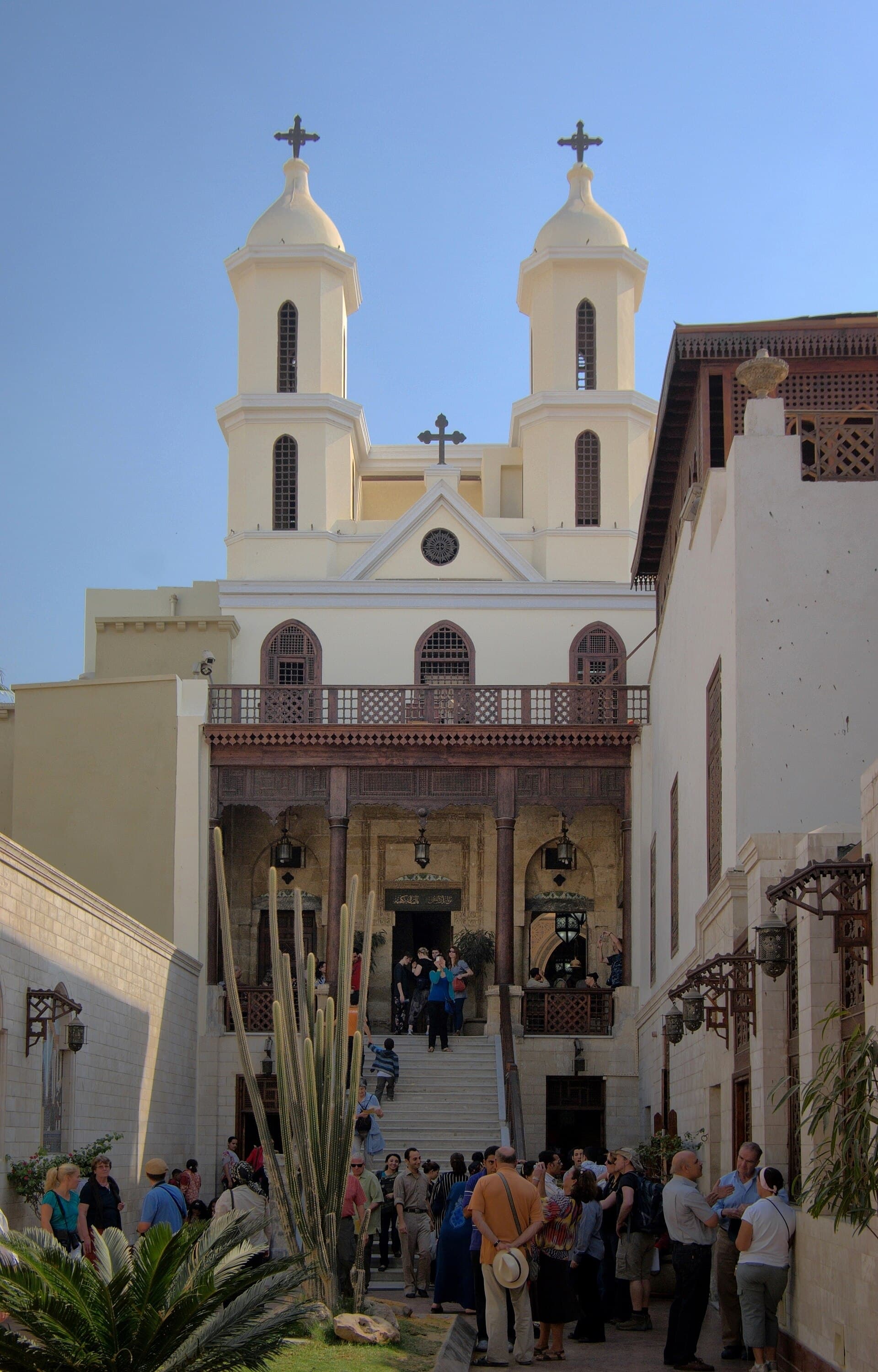 Hanging ChurchThe best known of Egypt's Coptic churches, called hanging because it was built o22 minutes walk4.8
The royal mummies were moved here from the Egyptian Museum in Tahrir in 2021 and are shown in a special underground hall on the same ticket.